Daily Newsletter: Sustainable Wildlife Marketing Insights – July 29, 2026
Presented by Zoo Imagery
Today’s Focus
- Community-led sustainability campaigns
- Upcoming AZA 2026 conference strategies
- Corporate-utility conservation partnerships
- African elephant conservation spotlight
Youth Empowerment in Action: The ECHO Choice Program
Authentic community engagement requires trust. It cannot be manufactured.
At The Maritime Aquarium at Norwalk, teen volunteers have demonstrated how grassroots advocacy creates measurable impact. Through the NOAA-funded ECHO Choice program, teenage members of the ECHO Teen Volunteer Corps designed a stamp-based rewards initiative encouraging sustainable dining in local South Norwalk restaurants.

Key Program Metrics
- Partner Restaurants: South Norwalk dining establishments
- Mechanism: Digital stamps via mobile apps for declining straws, utilizing reusable bags, and choosing sustainable takeout containers
- Reward: Complimentary tickets for Aquarium Long Island Sound research vessel cruises
- Impact: Over 6,600 pieces of marine debris collected and cataloged during shoreline initiatives
Marketing Takeaway
Youth-led initiatives resonate because they reflect genuine community values. Aquariums and zoos highlighting authentic conservation actions build enduring public trust. Visual storytelling featuring real volunteers drives deeper engagement than conventional advertising. Explore our diverse animal and nature collections on Zoo Imagery to support your educational campaigns.
Preview: 2026 AZA Annual Conference in Portland
The Association of Zoos & Aquariums Annual Conference approaches. Hosted by the Oregon Zoo in Portland from September 26 to October 1, 2026, this gathering brings together hundreds of wildlife professionals.

Essential Conference Tracks
- AI Strategy Without Hype: Practical applications for visitor operations and educational programming.
- Visitor Data-Driven Membership Growth: Retaining members through behavioral insights.
- Video Storytelling: Maximizing existing media assets without expanding production budgets.
- Earned Revenue Optimization: Balancing financial sustainability with conservation missions.
Highlights
- Keynote Address: Amy Bowers Cordalis (Yurok Nation) on Indigenous conservation and Klamath River restoration.
- SAFE Silent Auction: Advancing toward the $10M endowment goal by 2029.
- Exhibitors: Over 200 industry vendors showcasing operational solutions.
- Zoo Day: Hosted on-site by the Oregon Zoo.
Professional development depends on shared insights. Organizations preparing presentations can enhance their materials with professional visuals available directly through Zoo Imagery. Connect with our team on LinkedIn for ongoing conference updates.
Corporate-Utility Partnership Models: Tampa Electric & The Florida Aquarium
Effective conservation financing often requires cross-sector collaboration. The partnership between Tampa Electric (TECO) and The Florida Aquarium provides a replicable model for corporate-utility environmental stewardship.

Core Framework
- Florida Conservation and Technology Center (FCTC): A 500-acre waterfront campus in Apollo Beach.
- Shared Facilities: Coral Conservation and Research Center, Sea Turtle Rehabilitation Center, and the Manatee Viewing Center.
- Clean Energy Integration: Rooftop solar installations and floating solar arrays powering educational exhibits.
Environmental Outcomes
- Sea Turtle Rehabilitation: Dozens of rehabilitated sea turtles successfully returned to coastal waters.
- Coral Restoration: Spawning and cultivating endangered Florida coral reef species.
- Public Education: STEM-based living classrooms connecting visitors directly to local ecosystems.
Strategic Value
Corporate partnerships demonstrate tangible ESG commitments without greenwashing. Transparent communication supported by high-resolution imagery reinforces credibility across all public channels.
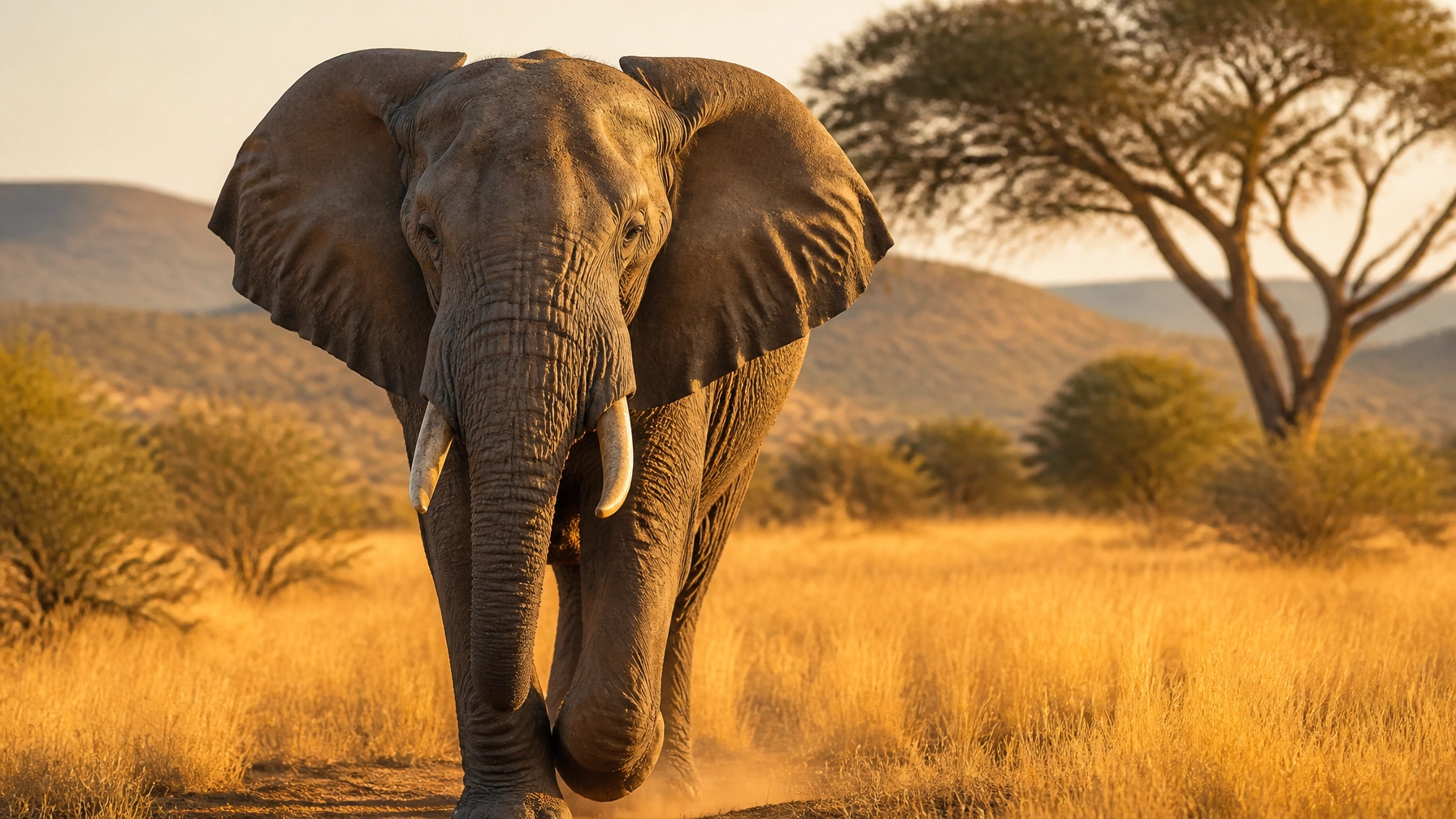
Species Spotlight: African Elephant (Loxodonta africana)
Conservation Status and Data
- Classification: Endangered (IUCN Red List)
- Primary Threats: Habitat fragmentation, agricultural expansion, and illegal ivory trade
- Ecosystem Role: Keystone species modifying landscapes, creating water holes, and dispersing seeds

Habitat Facts
African elephants range across sub-Saharan Africa, inhabiting diverse environments from dense tropical forests to arid deserts. Their complex social structures rely on matriarchal leadership and acoustic communication across vast distances.
Communicating Elephant Conservation
Accurate visual representation matters in wildlife advocacy. High-quality photographic assets help conservationists convey the intelligence, social bonds, and environmental importance of African elephants.
Browse our dedicated Elephant Photography Library for professional, authentic imagery ready for your next conservation campaign.
Next Steps
- Explore our stock library: Zoo Imagery
- Connect with industry peers: LinkedIn


