Daily Newsletter: Sustainable Wildlife Marketing Insights – July 23, 2026
The Daily Pulse
Marketing for zoos and aquariums is changing.
Attention is scarce.
Audiences want transparency.
Visuals must tell a story in seconds.
Today: Insights on the 3-second rule, Asian elephants, and ESG success.
The 3-Second Rule for Conservation Messaging
Digital audiences decide to stay or scroll in under three seconds.
Conservation messaging must be instant.
A long block of text about habitat loss is often ignored.
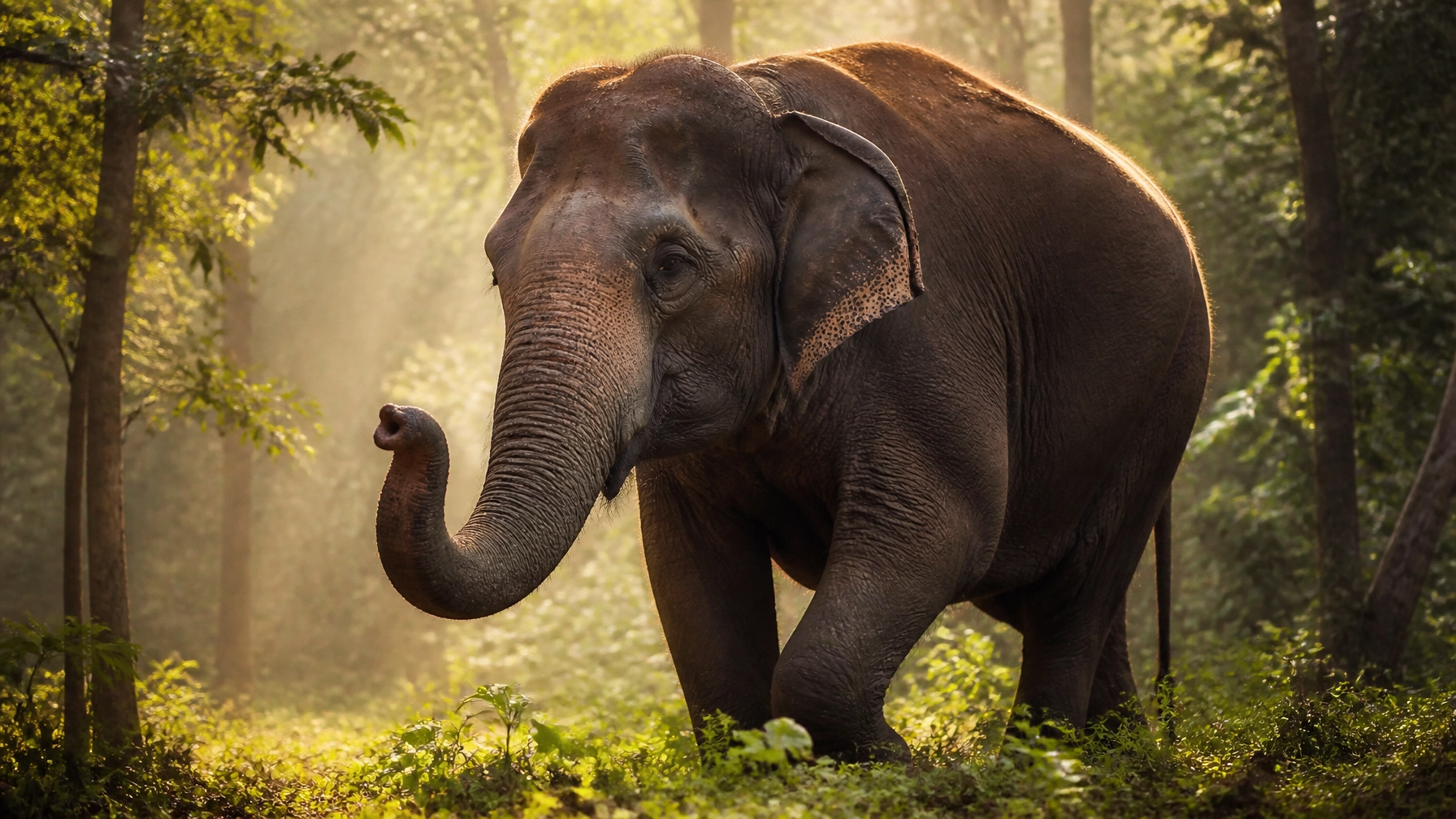
A powerful image of a species in its natural habitat is not.
Why it works:
- Immediate Emotional Trigger: High-quality animal stock photos create an instant bond.
- Reduced Cognitive Load: Images process faster than words.
- Trust: Authentic, non-staged photography signals transparency.
Applying the rule:
- Hero Visuals: One central subject. No clutter.
- Clear Lighting: Natural "Golden Hour" light creates depth.
- Direct Gaze: An animal looking at the lens creates a "Micro-Expression" that stops the scroll.

Species Spotlight: Asian Elephant (Elephas maximus)
The Asian elephant is a focal point for global conservation efforts in 2026.
It is a keystone species.
Its survival dictates the health of the entire ecosystem.
Current Status:
- IUCN Category: Endangered.
- Primary Threats: Habitat fragmentation, human-elephant conflict, poaching.
- Population Trend: Decreasing in many range states.
Marketing the Giant:
When promoting elephant conservation, focus on "landscape connectivity."
Show the elephant in its context.
Avoid "sad" imagery.
Use shots that emphasize dignity and scale.
This builds a sense of value rather than pity.
ESG Case Study: Ferrero × Chester Zoo
Sustainable marketing is no longer optional for brands.
The partnership between Ferrero UK and Chester Zoo is a blueprint for ESG-aligned campaigns.
The Partnership Evolution:
- 2020: Focus on awareness and 100% RSPO-certified sustainable palm oil.
- 2023: Reach expanded to 50,000 children through education programs.
- 2026: Launch of the Biodiversity Research Forest programme in Borneo.
Marketing Takeaways:
- Transparency: Ferrero communicates the use of segregated palm oil clearly.
- Education over Guilt: They explain why sustainable palm oil protects forests.
- Long-term Commitment: A three-year project (2026–2028) shows real investment.

Success Story: The Borneo Biodiversity Program
In June 2026, a new initiative was announced in the Kinabatangan UNESCO Biosphere Reserve.
This project uses technology to protect the home of Asian elephants and orangutans.
Key Tech in Use:
- Camera Traps: Real-time wildlife monitoring.
- Acoustic Sensors: Detecting forest health and illegal activity.
- Applied Research: Data-driven landscape management.
This project shifts the narrative.
It moves from "awareness" to "action."
Marketing these stories requires wildlife stock photos that reflect the scale of the environment.

Wildlife Marketing Simplified
Effective communication requires high-quality assets.
Zoo Imagery provides the visual tools needed for these campaigns.
Our Catalog Includes:
- Diverse Categories: Zoo animal photos ranging from lions and tigers to fish and birds.
- Conservation Focus: Imagery designed for ESG reports and conservation storytelling.
- Format Flexibility: Portrait and landscape options for social and print.
- Engagement Tools: The ZooMedia.us app for user-generated content.
Relevant Keywords for Your Search:
- Animal stock photos
- Wildlife stock photos
- Elephant conservation
- Zoo animal photos
- Species spotlight
- Lion conservation
The Bottom Line
Conservation messaging is more effective when it is simple.
Use professional imagery.
Follow the 3-second rule.
Partner for long-term impact.
Explore our library at zooimagery.com.
Follow our insights on LinkedIn.


