Daily Newsletter: Sustainable Wildlife Marketing Insights – August 7, 2026
Welcome to today’s briefing for zoo and aquarium professionals, conservation marketers, and community leaders. Today, we examine how visitor-generated content (UGC) transforms standard animal exhibits into active conservation storytelling platforms.
When visitors pick up their smartphones, they capture more than personal memories. They produce peer-to-peer media that reaches audiences traditional advertising budgets cannot touch. Turning that spontaneous media into clear, measurable conservation impact requires simple systems and absolute transparency.
1. The Core Objective: Moving Beyond Vanity Metrics
Most cultural institutions measure success through view counts and follower growth. Sustainable wildlife marketing prioritizes connection and behavioral change over passive impressions.
Visitors engage deeply when they understand their immediate role in protecting species. Every photo shared inside your grounds should point toward a tangible outcome.
- Focus on local watersheds, bioindicators, and flagship species.
- Connect daily visitor actions to real field conservation milestones.
- Keep messaging factual, straightforward, and free of corporate jargon.

2. Bioindicator Campaigns: The Giant Otter Example
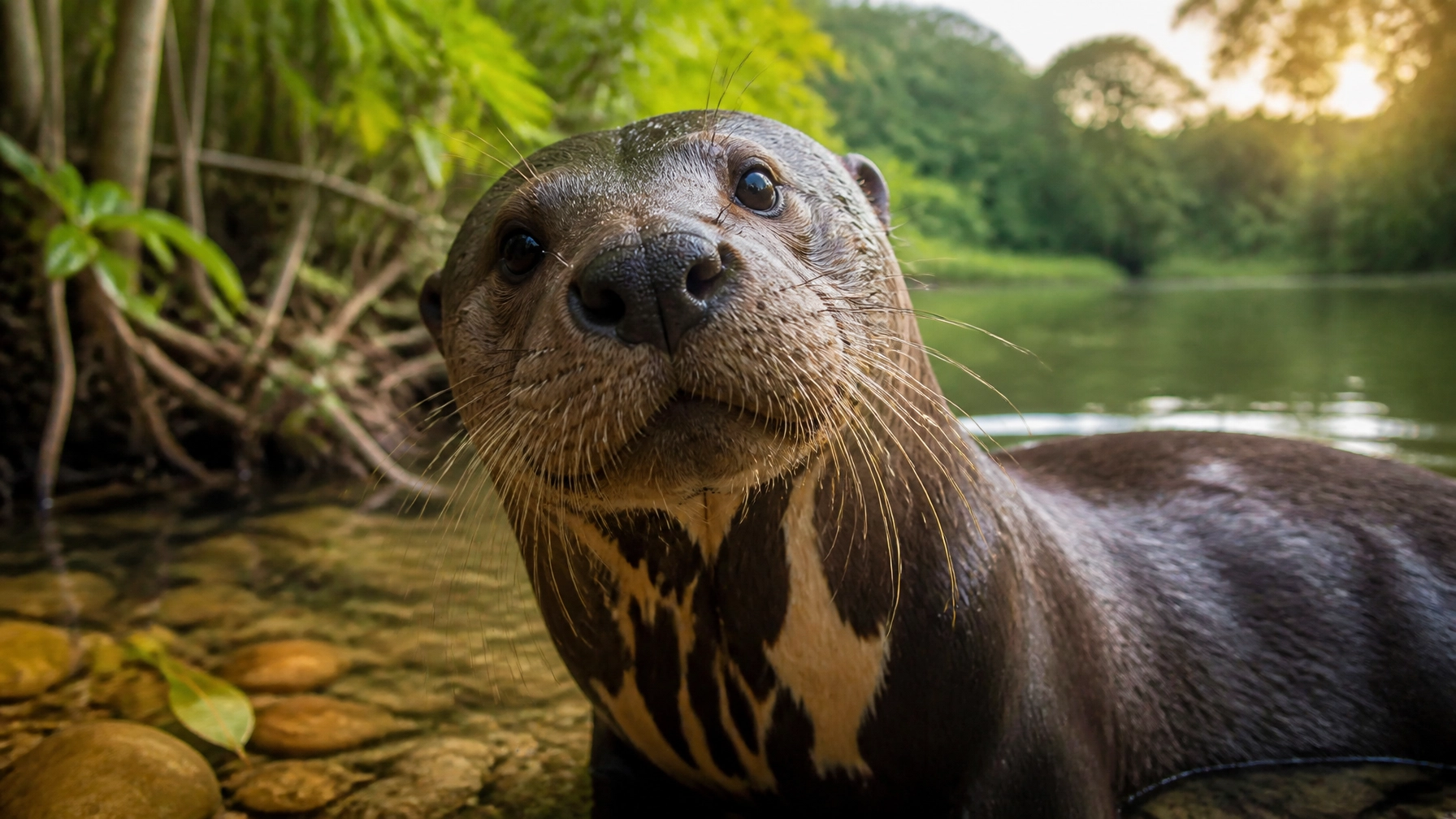
Flagship species draw crowds, but bioindicator species tell the true story of ecosystem health. Consider the giant otter. As an apex predator in freshwater river systems, its population health reflects water quality, habitat fragmentation, and human impact.
When building a campaign around a species like the giant otter, structure your outreach around four utilitarian steps:
- Identify the biological benchmark: State the current population status and main habitat threat plainly.
- Highlight institutional action: Show exactly what your zoo or aquarium does to support field research or anti-poaching units.
- Prompt the visitor: Give guests a specific, ethical way to document their visit without disrupting animal welfare.
- Publish real data: Report back on conservation funds raised or habitat hectares protected each quarter.
When guests see direct cause-and-effect data, trust increases. Trust drives repeat visitation and sustained community support.
3. Designing Frictionless Visitor UGC Workflows
User-generated content thrives on simplicity. If sharing an exhibit photo requires navigating complex apps or dead-end hashtags, participation drops.
Zoos and aquariums can streamline peer-to-peer sharing using tools built specifically for guest engagement, such as the ZooMedia.us phone app, which connects visitor photos directly to real-time engagement tracking.
- Place clean, understated QR codes near major viewing areas.
- Establish clear, respectful photography guidelines (e.g., maintain distance, no flash photography).
- Rotate visitor photos on digital screens inside the main plaza to validate guest contributions instantly.

4. Ethical Guardrails for Wildlife Photography
Authentic storytelling requires rigorous ethical standards. Marketing materials must never normalize stressful or unsafe interactions with animals.
- Never feature wildlife selfies or close contact that breaches animal welfare protocols.
- Protect location metadata for sensitive species in field programs to prevent poaching risks.
- Credit local researchers and indigenous community partners by name when sharing field stories.
Maintaining these standards ensures your marketing reflects your institutional mission. Conservation credibility is difficult to build and easy to lose.
5. Measuring Real Conservation Outcomes
Sustainable marketing evaluates success across three distinct layers:
- Engagement: Exhibit dwell time, digital scans, and ethical photo shares.
- Behavior: Reduction of single-use plastics on grounds, sign-ups for citizen science programs, and membership renewals.
- Conservation: Hectares of habitat secured, breeding pairs monitored, and community education hours delivered.
When marketing metrics align with actual conservation results, your institution presents a unified, honest message to the public.

Summary Checklist for Marketing Teams
- Audit current signage and remove ambiguous marketing claims.
- Select one or two bioindicator species for your upcoming seasonal campaign.
- Simplify on-site photo sharing with clear guidelines and accessible QR integration.
- Publish quarterly conservation milestones directly on your zooimagery.com resources page.

Take the Next Step
Explore our professional animal photography library and discover how the ZooMedia.us platform drives authentic visitor engagement and real-time ROI tracking for modern facilities.
Visit Zoo Imagery or connect with our team on LinkedIn to learn more about sustainable wildlife marketing solutions.


