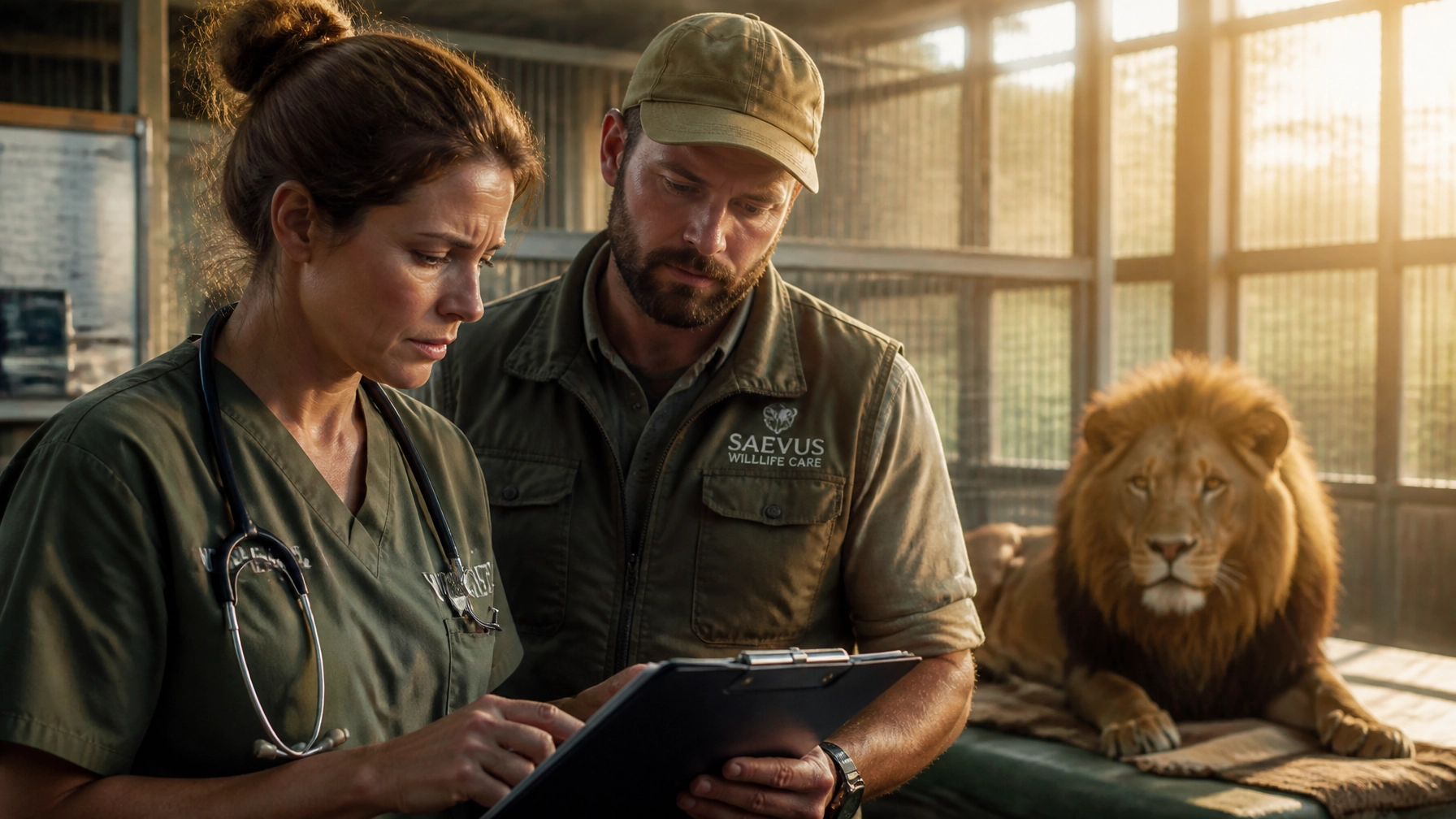
Daily Newsletter: Sustainable Wildlife Marketing Insights – August 5, 2026
Conservation communications require precision. Modern audiences demand honesty over polish. Trust replaces perfection.
Today’s focus: behind-the-glass transparency, Asiatic lion and wild tiger habitat storytelling, and actionable trust-building frameworks for modern institutions.
Behind-the-Glass Transparency
Polished marketing isolates audiences. Real animal care unites them.
Traditional zoo marketing often presents sterilized perfection. Immaculate enclosures. Silent staff. Absolute distance.
Modern visitors reject this illusion. They want reality.
- Veterinary health checks.
- Dietary preparation kitchens.
- Behavioral enrichment fabrication.
- Quarantine management.
- Habitat maintenance.

Showing the actual labor of animal care builds immediate credibility. Staff members become human advocates. Operations become transparent commitments.
Key Operational Shifts
- Replace staged photo-ops with documentary snapshots.
- Share medical updates before public inquiries begin.
- Highlight daily routines without filters.
- Acknowledge operational challenges openly.
Transparency is not a vulnerability. It is the foundation of authority.
Species Spotlight: Asiatic Lions and Wild Tigers
Charismatic carnivores drive engagement. Protecting them requires rigorous habitat storytelling.
Both Asiatic lions (surviving primarily in the Gir landscape) and wild tigers rely on complex in-situ networks. Zoos provide essential ex-situ support: assurance populations, veterinary research, and genetic management: but wild survival depends on landscape-scale protection.

Effective storytelling connects captive care directly to wild landscapes.
Core Narrative Pillars
- Habitat Security: Anti-poaching patrols, water provisioning, prey-base augmentation.
- Coexistence: Parapet walls on open wells, livestock compensation, local community support.
- Disease Surveillance: Monitoring threats like Canine Distemper Virus (CDV).
- Genetic Reserves: Coordinated breeding programs across international networks.
When marketing highlights these realities, audiences understand the full scope of conservation.
Actionable Tip: Framing Conservation Impact Stories
Building trust with modern visitors requires shifting from vague slogans to verifiable facts.
Generic claims alienate sophisticated audiences. Specific metrics build enduring relationships.

The Trust Framework
- Name the Partner: Link directly to government agencies, field researchers, or boots-on-the-ground NGOs.
- Quantify the Contribution: State exact percentages of revenue or specific grant amounts allocated to field projects.
- Show Outcomes: Report hectares protected, community guards funded, or wells covered.
- Acknowledge Risks: Discuss ongoing challenges: such as single-population vulnerability: rather than claiming the job is finished.
Clarity creates confidence.
Elevating Visual Communications
High-impact storytelling requires authentic imagery. Stock photography must reflect real documentation rather than artificial gloss.
Zoo Imagery provides professional animal photography and digital tools designed for mission-driven institutions.

Explore our curated collections at Zoo Imagery.
Connect with our community and explore daily updates on our LinkedIn Profile.


