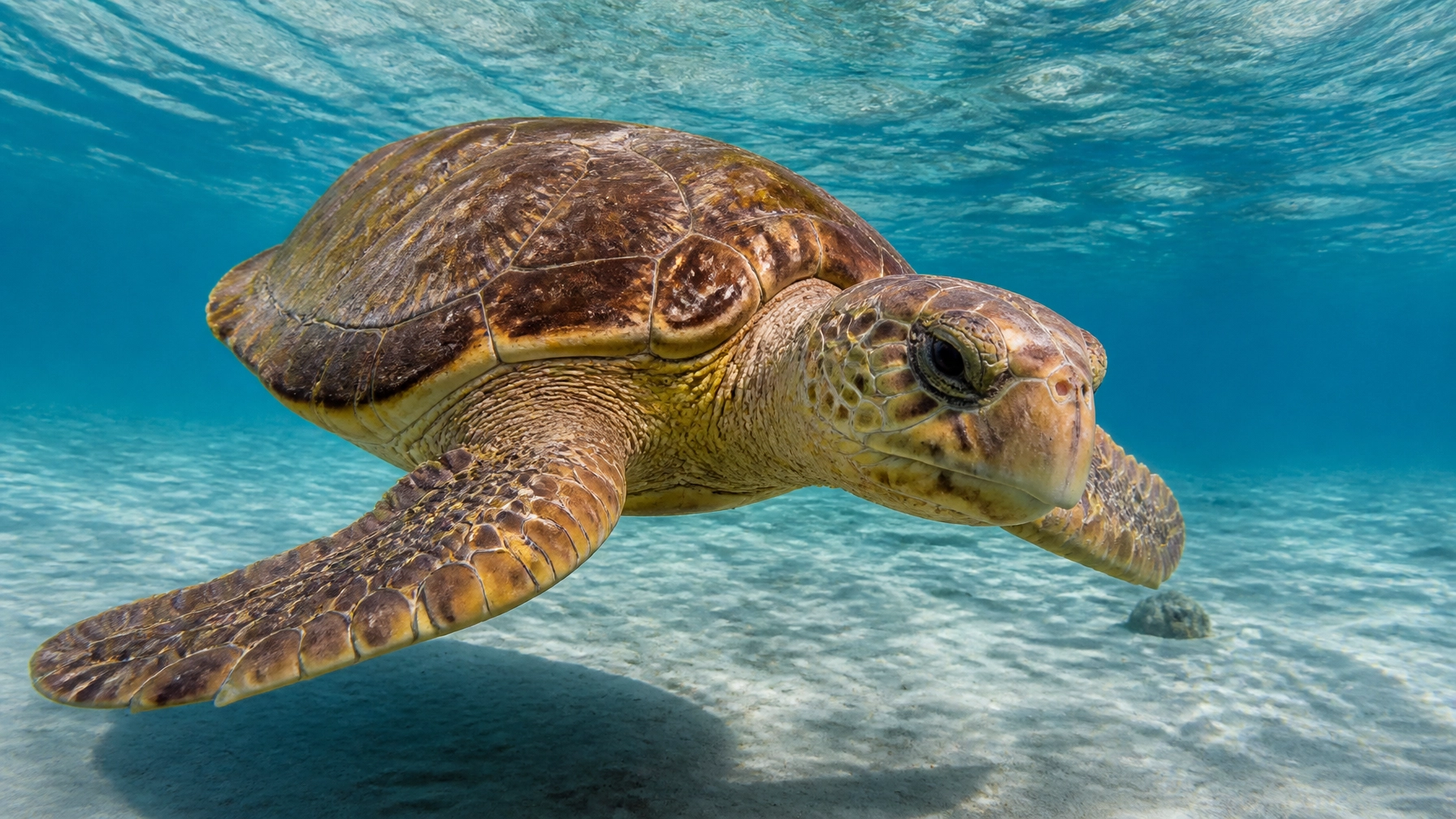
Daily Newsletter: Sustainable Wildlife Marketing Insights – August 19, 2026
Today’s focus
Small visitor actions.
Clear rewards.
Simple measurement.
Many zoo and aquarium campaigns ask people to care about wildlife. Fewer make the next action specific. Fewer still track what happens after the visit.
Two recent programs offer useful models:
- Maritime Aquarium at Norwalk’s ECHO Choice
- Tanganyika Wildlife Park’s Mission Coins
Both programs connect an animal or conservation message to one practical action.
Both make participation easy to understand.
Tanganyika goes further. It asks whether the action happened after the guest left the park.
That is the key lesson for sustainable wildlife marketing:
Move visitors from awareness to one measurable action.
Real-world example 1: ECHO Choice
The Maritime Aquarium at Norwalk launched ECHO Choice, a sustainability rewards program created by its ECHO Teen Volunteer Corps.
The program addresses marine debris in Long Island Sound.
Visitors earn digital stamps through the Stamp Me app when they make lower-waste choices at participating restaurants and aquarium cafés.
Examples include:
- Refusing a plastic straw
- Bringing a reusable beverage container
- Bringing a reusable bag
- Bringing a reusable food container
After collecting five digital stamps, participants can redeem them for an Aquarium cruise ticket.
The action starts at a restaurant.
The reward brings the visitor back to the Aquarium.
The conservation message connects both places.
The program includes local restaurants such as Credo Ok!, Eco Evolution, Lazy Sister, Oishi Sushi & Izakaya, O’Neill’s Irish Pub & Restaurant, Pokélicious, SoNo Harbor Deli & Cafe, Cascade Café, and Sound Bites Café.
The campaign came from a visible local problem. ECHO volunteers had collected and catalogued more than 6,600 pieces of debris during beach cleanups. Many items were connected to takeout dining.
The campaign also included visitor input. The Aquarium surveyed more than 200 guests before developing the program.
That process is practical:
- Identify a local conservation issue.
- Ask visitors what action feels realistic.
- Build a short participation path.
- Offer a reward connected to the mission.
- Track the response.
Read the ECHO Choice program details from the Maritime Aquarium.

Real-world example 2: Mission Coins
Tanganyika Wildlife Park is testing a different part of the visitor journey.
After select animal encounters, guests may receive a Mission Coin.
Each coin includes a QR code. The code links to a specific conservation mission with simple instructions.
The mission may involve:
- Making a wildlife-friendly choice at home
- Reducing single-use plastics
- Supporting sustainable products
- Planting native species
- Joining a citizen science activity
- Sharing a conservation message
After completing the action, guests return to the mission page and click an “I Did It” button.
That response gives Tanganyika a basic way to measure participation after the visit.
The coin is more than a souvenir.
It creates a connection between:
- The animal encounter
- The conservation issue
- The visitor’s next action
- The park’s measurement process
Tanganyika has set an initial goal of a 20% mission completion rate.
The result will not answer every question about conservation behavior. It will provide a clear starting point.
The program also reflects an important limitation in conservation education. A visitor may feel moved by an animal encounter. They may understand a conservation issue. That does not always mean they will change their behavior later.
Mission Coins give the park a way to test that next step.
Read Tanganyika Wildlife Park’s report on Mission Coins.

What these programs do well
1. They ask for one action
The visitor does not need to solve a large environmental problem.
They need to:
- Decline one straw
- Bring one reusable container
- Complete one conservation mission
- Click one button after completion
Specific actions are easier to explain.
They are easier to remember.
They are easier to measure.
2. They use a clear connection
ECHO Choice connects lower-waste dining to marine conservation.
Mission Coins connect an animal encounter to a conservation action.
The connection is visible.
A general statement such as “Help protect wildlife” is difficult to act on.
A direct instruction works better:
- “Bring a reusable cup.”
- “Choose a wildlife-friendly product.”
- “Scan the code.”
- “Tell us when you complete the mission.”
3. They extend the visitor relationship
The conservation story does not end at the exhibit.
ECHO Choice moves between restaurants and the Aquarium.
Mission Coins continue at home.
This gives marketers more than one moment to communicate:
- Before the visit
- During the experience
- At the exit
- After the visit
- When the visitor returns
4. They create useful data
A campaign can track more than impressions and clicks.
Useful measures include:
| Measure | What it shows |
|---|---|
| Digital stamps earned | Participation in the action |
| Stamps by location | Stronger-performing partners |
| Repeat stamps | Continued involvement |
| Cruise ticket redemptions | Reward completion |
| QR code scans | Initial interest |
| “I Did It” responses | Reported action completion |
| Mission completion rate | Follow-through after the visit |
| Visitor comments | Barriers and motivation |
Keep the report simple.
The goal is not to collect every possible number.
The goal is to understand whether visitors noticed the message, took the action, and continued after the experience.
Practical strategy for zoos and aquariums
Start with a campaign that has five parts.
1. A specific species or habitat
Choose one clear subject.
Examples:
- A sea turtle and plastic waste
- A pollinator garden and native plants
- An elephant and habitat protection
- A penguin and sustainable seafood
- A local wetland and water quality
Strong animal photography helps visitors recognize the subject quickly.
Use a clear image of the animal, habitat, or conservation work. Zoo Imagery provides animal photography in landscape and portrait formats, suitable for campaign pages, email, social posts, and educational materials.
2. One small visitor action
Keep it practical.
Avoid asking visitors to change everything at once.
Possible actions:
- Use a refill station
- Choose a reusable item
- Sign up for a local conservation activity
- Plant one native species
- Check a seafood guide
- Remove invasive plants
- Share one accurate conservation fact
The action should be easy to explain in one sentence.
3. One recognition or reward
The reward should support the story.
Options include:
- A conservation cruise
- A keeper talk
- An animal-care update
- A behind-the-scenes video
- A digital species badge
- A guided habitat activity
- Recognition on a campaign board
The reward does not need to be large.
It needs to be relevant.
4. One tracking point
Choose the simplest useful signal.
That could be:
- A digital stamp
- A QR code scan
- A completed form
- A button response
- A photo upload
- A short exit survey
Do not make visitors create a long account or complete a long survey unless the information is necessary.
5. One follow-up message
Remind visitors what they did and what comes next.
Examples:
- “You helped reduce single-use waste today.”
- “Your mission continues at home.”
- “See how this action supports local waterways.”
- “Share your completed mission with your family.”
Use the same animal image and message across the campaign.
Repetition helps visitors connect the action to the species.

Campaign checklist
Before launch, confirm:
Message
- Is the conservation issue local or specific?
- Is the animal or habitat clear?
- Can visitors understand the action immediately?
- Does the message avoid broad claims?
Participation
- Can the action be completed quickly?
- Can staff explain it in one sentence?
- Are instructions visible at the right location?
- Can community partners participate?
Reward
- Does the reward connect to the mission?
- Does it encourage another visit or another learning moment?
- Is the process clear?
Measurement
- What is the first action to track?
- What is the follow-up action to track?
- Can the team separate scans from completed actions?
- Who will review the results?
- When will the team report them?
Content
- Is there one strong animal image?
- Are landscape and portrait formats available?
- Does the image show the species or habitat clearly?
- Are visitor photos used only where they support the story?
- Is the same visual style used across email, web, and social content?
For more examples of conservation storytelling, read Elephant Conservation Matters: Why Daily Species Spotlights Drive Real Awareness.
Closing note
ECHO Choice rewards a small sustainable dining decision.
Mission Coins connect an animal encounter to a follow-up action.
The programs use different tools.
The principle is the same:
- Make the action clear.
- Keep the path short.
- Connect the reward to the mission.
- Measure what happens next.
Start with one species.
Choose one visitor action.
Track one useful result.
Find animal imagery for your next campaign at zooimagery.com.
Follow Zoo Imagery on LinkedIn for more practical ideas for zoo and aquarium marketing.


