Daily Newsletter: Sustainable Wildlife Marketing Insights – August 14, 2026
Wildlife marketing works best when the story is clear.
Show the animal.
Show the people protecting it.
Show the action the audience can take.
This week’s examples point to three practical approaches for zoos and aquariums:
- Connect sustainability work to a specific species.
- Use real animal stories to create attention.
- Build corporate partnerships around direct wildlife impact.
1. Cincinnati Zoo: Let the species lead the sustainability story
The Cincinnati Zoo & Botanical Garden explains how lions are helping it reach net zero.
The model is direct.
The zoo purchased Verified Carbon Units from Lion Carbon as part of its emissions offset portfolio. Lion Carbon was developed through a partnership between Lion Landscapes and Biocarbon Partners.
The work combines:
- Forest protection.
- Lion conservation.
- Community-led land management.
- Emissions reduction.
BCP uses REDD+ methods to protect forests from deforestation and degradation. Local communities help manage the projects. Revenue supports conservation, community services, and local livelihoods.
Lion Landscapes adds a focus on large carnivores and biodiversity.
The result is more specific than a general “green” message.
It gives the audience a clear connection:
A zoo’s sustainability decision supports forests, communities, and lions.
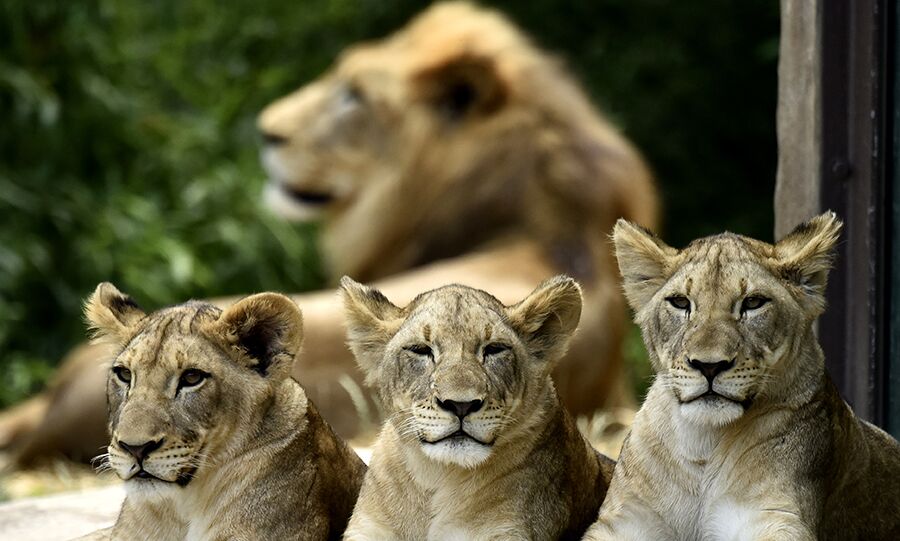
The Cincinnati Zoo connects its net-zero work to a visible conservation subject: lions.
The marketing lesson
Sustainability claims are easier to understand when they include three details:
-
The action
What did the organization do? -
The place
Where does the work happen? -
The species or community
Who benefits?
Avoid broad statements such as:
“We care about the planet.”
Use a more useful structure:
“Our remaining emissions support forest protection and lion conservation through community-led projects in Zambia.”
The second version gives communications teams something to show, explain, and measure.
A simple content series
A zoo or aquarium can turn one sustainability partnership into several pieces of content:
- A short explanation of the partnership.
- A species spotlight.
- A map of the project area.
- A staff or conservation partner interview.
- A visitor-facing exhibit message.
- A yearly impact update.
- A social post focused on one measurable result.
Keep each piece focused.
One animal.
One action.
One outcome.
2. San Diego Zoo Safari Park: Make the audience feel the experience
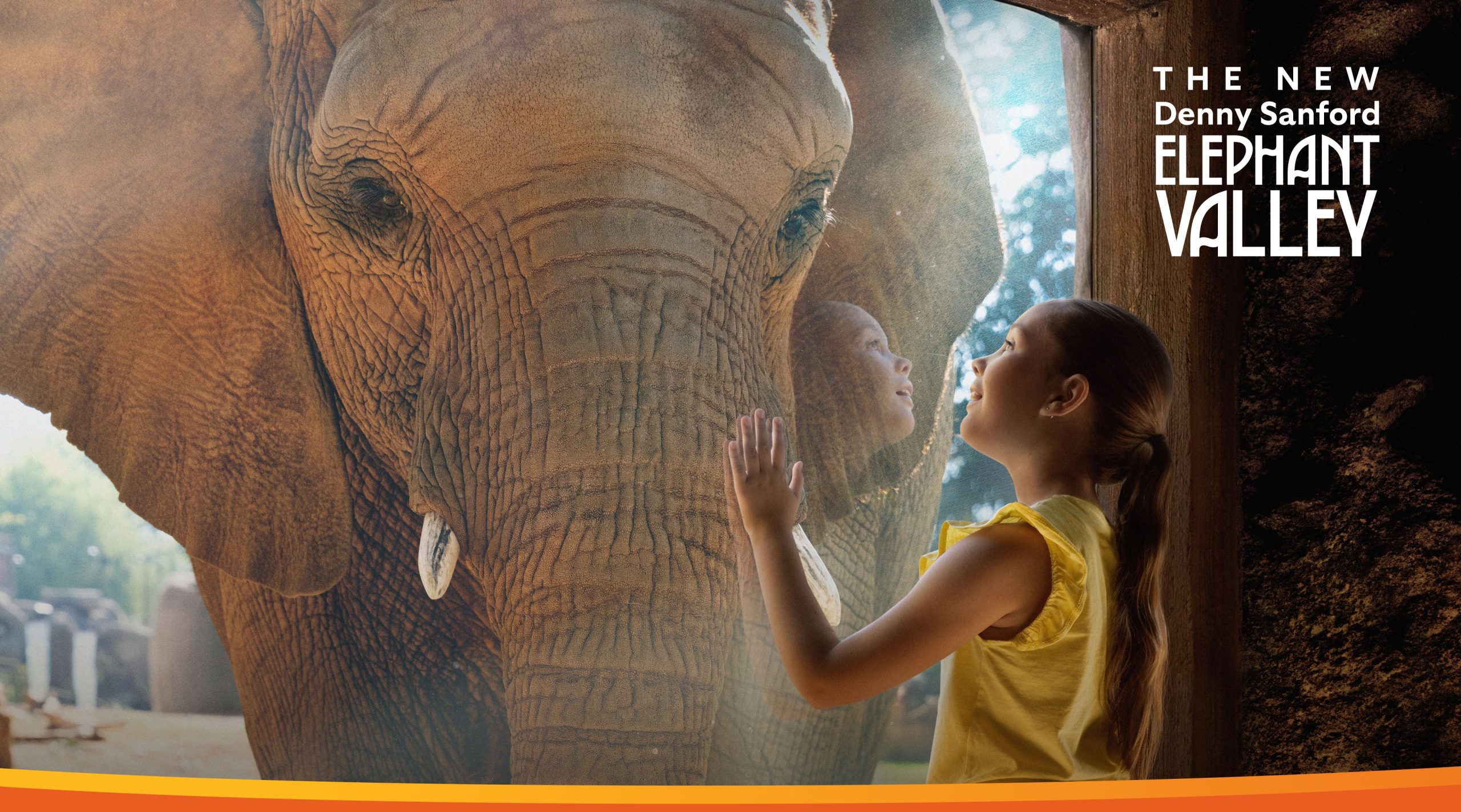
The San Diego Zoo Safari Park’s “This Is Huge” Elephant Valley campaign uses a simple idea:
Standing near an elephant changes your perspective.
The campaign promotes the Denny Sanford Elephant Valley, a 13-acre habitat for African savanna elephants. The message is built around scale, closeness, and shared space.
The work uses real elephants and real environments.
No abstract conservation language required.
The audience sees the animal moving, playing, swimming, and interacting with its herd. The campaign gives people a sense of the experience before they arrive.
That approach helped generate strong attention across a broad media mix:
- Television.
- Connected TV and streaming.
- Outdoor advertising.
- Transit placements.
- Digital display.
- Social media.
- Audio.
- Influencer content.
- A drone show over San Diego Bay.
The channels are different.
The central message stays the same.
This is huge.
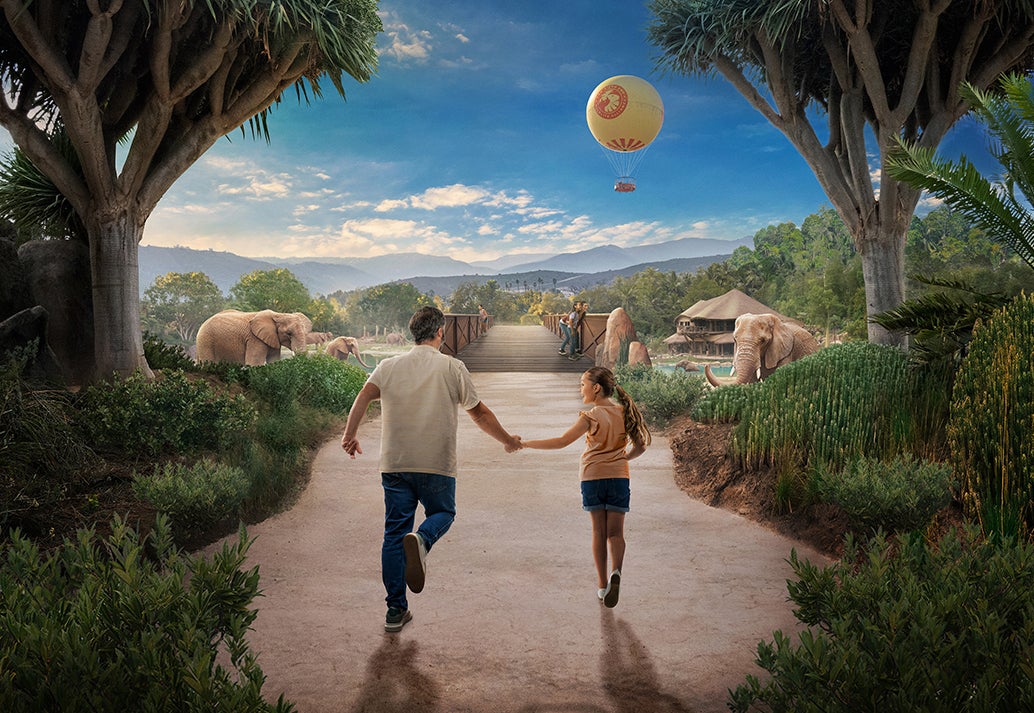
The campaign extends the on-site experience through real movement, scale, and habitat.
The marketing lesson
Strong animal campaigns do not need complicated messages.
They need a clear emotional point.
For “This Is Huge,” the emotional point is perspective. The audience is invited to imagine what it feels like to stand beside one of the world’s largest land animals.
That idea can work across formats:
- A 15-second video shows movement.
- A longer film explains the habitat.
- A photograph captures an individual animal.
- An outdoor ad delivers the central phrase.
- A social post shares a herd moment.
- An on-site sign connects the experience to elephant conservation.
This is more effective than creating a different message for every channel.
Use real footage with purpose
The campaign’s real-animal approach is also useful for trust.
Audiences can recognize when a wildlife story feels staged or overly polished. Real footage gives the story weight. It also creates usable material for more than one campaign cycle.
For zoo and aquarium teams, the production plan can be simple:
- Film one animal behavior.
- Record one keeper explanation.
- Capture the habitat at different times of day.
- Gather short visitor reactions.
- Photograph both landscape and portrait formats.
- Save clean clips for future use.
Do not wait for a perfect scene.
A trunk reaching for food.
A penguin entering the water.
A tiger watching from shade.
A herd moving together.
These moments give audiences a reason to stop and look.
3. The practical “Presented by” model
A “Presented by” campaign can connect a corporate partner to a specific animal, habitat, or conservation action.
The strongest version is not only a logo placement.
It creates a clear relationship between the partner and the impact.
The basic structure
Presented by [Corporate Partner]
Supporting [Species, habitat, or conservation program]
Because [plain-language reason the work matters].
For example:
Presented by a regional utility partner
Supporting wetland restoration and healthy habitat for native birds.
Follow the project through monthly updates from the zoo.
Or:
Presented by a technology company
Supporting elephant monitoring and community-led forest protection.
See how field teams use data to protect wildlife.
The partnership should show what the sponsor makes possible.
Five parts of a useful campaign
1. A named subject
Choose one species, habitat, or field project.
Avoid covering every conservation issue at once.
2. A visible action
Show what the partnership supports:
- Habitat restoration.
- Wildlife monitoring.
- Anti-poaching patrols.
- Species research.
- Rescue and rehabilitation.
- Community education.
- Clean water access.
- Visitor-generated conservation content.
3. Real imagery
Use photographs and video from the zoo, aquarium, field program, or conservation partner.
Show the animal in context.
Use close portraits for attention. Use landscape images for place and scale.
Zoo Imagery’s elephant collection and Presented by: Elephants story offer examples of how animal imagery can support education, campaigns, and conservation storytelling.

Close animal portraits create a personal entry point for a broader conservation story.
4. A simple impact update
Report what changed.
Use plain numbers where available:
- Acres protected.
- Animals monitored.
- Nests restored.
- Community members trained.
- Visitors engaged.
- Photos shared.
- Funds directed to the project.
- Volunteer hours completed.
Do not hide the action behind a slogan.
5. A next step
Give the audience one action:
- Visit the habitat.
- Read the conservation story.
- Share a photo.
- Join an email list.
- Attend a keeper talk.
- Support a field program.
- Follow the project update.
One clear action is enough.
A usable campaign calendar
A “Presented by” campaign can run for one month without repeating the same post.
Week one: Introduce the species
- Portrait.
- Five facts.
- Short keeper quote.
- Partner introduction.
Week two: Show the work
- Field photograph.
- Map.
- Short video.
- Explanation of the conservation method.
Week three: Invite participation
- Visitor photo prompt.
- Poll.
- Question for the keeper.
- User-generated content feature.
Week four: Report back
- Impact figure.
- Partner update.
- Staff reflection.
- Next campaign step.
This format gives the corporate partner a clear role while keeping the animal and conservation work at the center.
What to use in your next campaign
Start with the story, not the sponsor.
Ask:
- Which species should lead this message?
- What action is already happening?
- Who is doing the work?
- What can visitors see?
- What can we measure?
- What can a partner make easier or more visible?
Then build the creative around those answers.
Use real photography.
Keep the copy short.
Make the impact specific.
A strong wildlife marketing story does not need to promise everything.
It needs to show one meaningful connection clearly.
Explore Zoo Imagery for animal photography in landscape and portrait formats.
Follow Zoo Imagery on LinkedIn for more zoo, aquarium, and conservation marketing insights.


