Daily Newsletter: Sustainable Wildlife Marketing Insights – August 12, 2026
Wednesday, August 12, 2026
Today’s signal
Conservation marketing works best when the next step is clear.
Not a broad promise.
A simple choice.
- Select a certified product.
- Share a visitor photo.
- Support a local habitat.
- Make a pledge.
- Understand the work behind the exhibit.
Recent examples from zoos, aquariums, utilities, and conservation groups show the same direction.
Partnerships are becoming more visible.
Visitor choices are becoming part of the story.
Trend: Make everyday choices visible
Many conservation issues begin outside the zoo.
In a grocery aisle.
At home.
At work.
In the products people buy.
The challenge is distance. Visitors may care about forests, reefs, and wildlife. They may not see how an ordinary decision connects to those places.
Strong campaigns close that gap.
They show:
- The species affected.
- The choice available.
- The partner doing the work.
- The result that can be tracked.
This approach avoids complicated language.
It also gives visitors something practical to do.
Example 1: RSPO and WAZA renew sustainable palm oil partnership
The Roundtable on Sustainable Palm Oil and the World Association of Zoos and Aquariums renewed their partnership in May 2025.
The agreement runs through 2028.
Its focus:
- Certified sustainable palm oil.
- Forest protection.
- Conservation education.
- Better sourcing by zoos and aquariums.
- Clearer consumer choices.
Palm oil is found in many everyday products, including food, cosmetics, cleaning products, and pet food.
The issue can feel distant from a zoo visit.
The partnership makes it relevant.
WAZA encourages members to use educational messaging across exhibits, signs, digital platforms, and visitor programs. The PalmOil Scan App helps people check brand commitments in selected countries.
Marketing lesson
Do not stop at the certification mark.
Explain what it means.
Connect the choice to forests and species.
Then provide the next step.
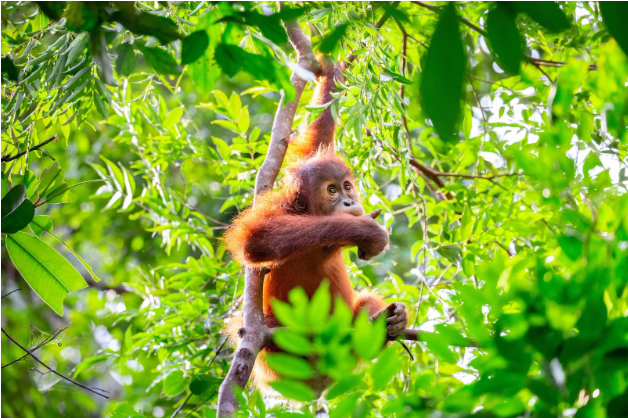
A zoo could use an orangutan or tiger page as a Presented by conservation story:
“Look for certified sustainable palm oil when you shop.”
The campaign can include:
- A short exhibit message.
- A product example.
- A QR code.
- A mobile scan tool.
- A follow-up post showing the wider conservation link.
The WAZA sourcing guide gives zoos and aquariums a practical starting point.
Example 2: Florida Aquarium and Tampa Electric
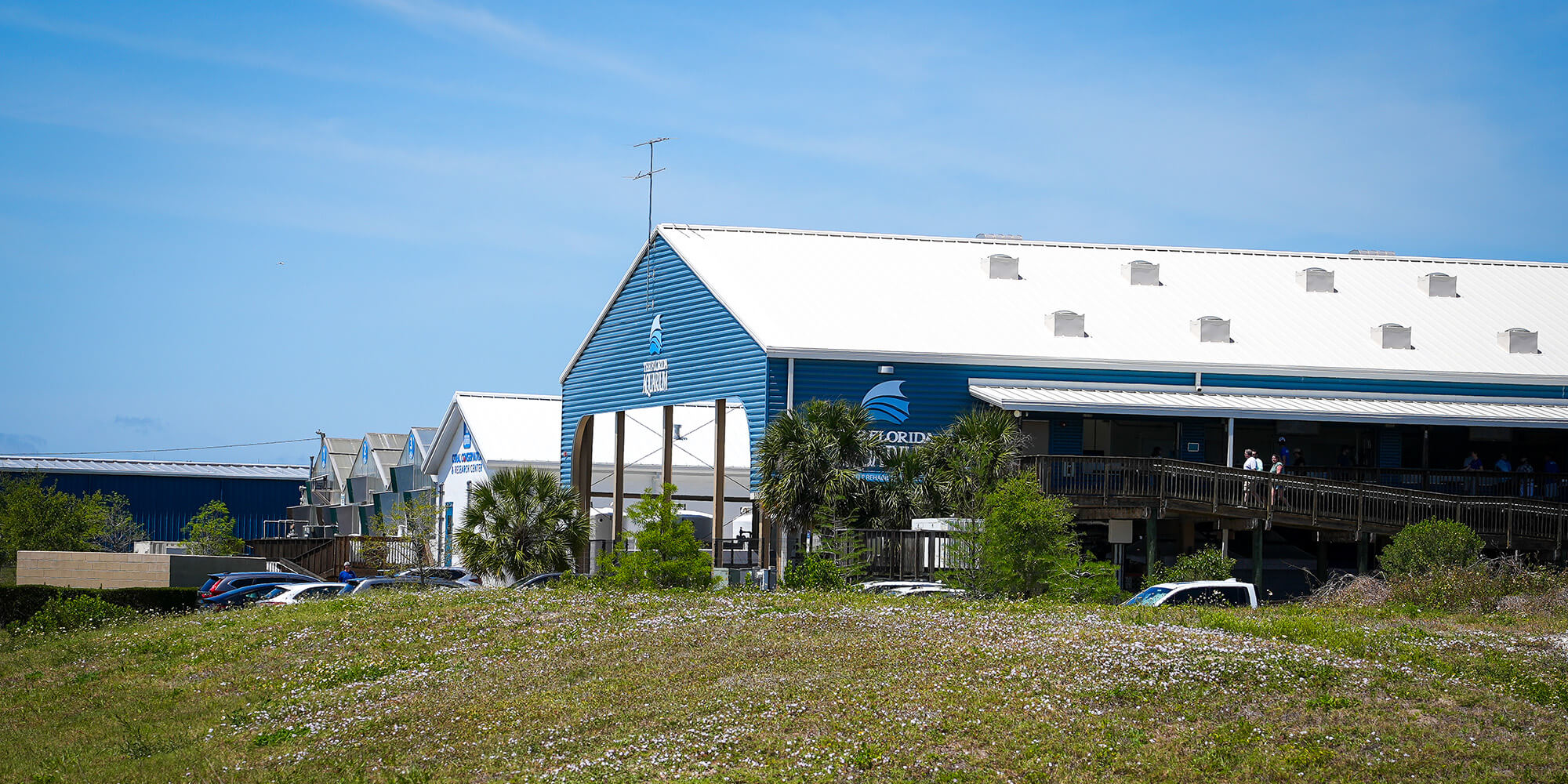
The Florida Aquarium and Tampa Electric show how a partnership can connect infrastructure, wildlife, education, and local action.
Their work is based at the 500-acre Florida Conservation and Technology Center in Apollo Beach, Florida.
The site includes:
- The Florida Aquarium’s Conservation Campus.
- Tampa Electric’s Manatee Viewing Center.
- Coral conservation facilities.
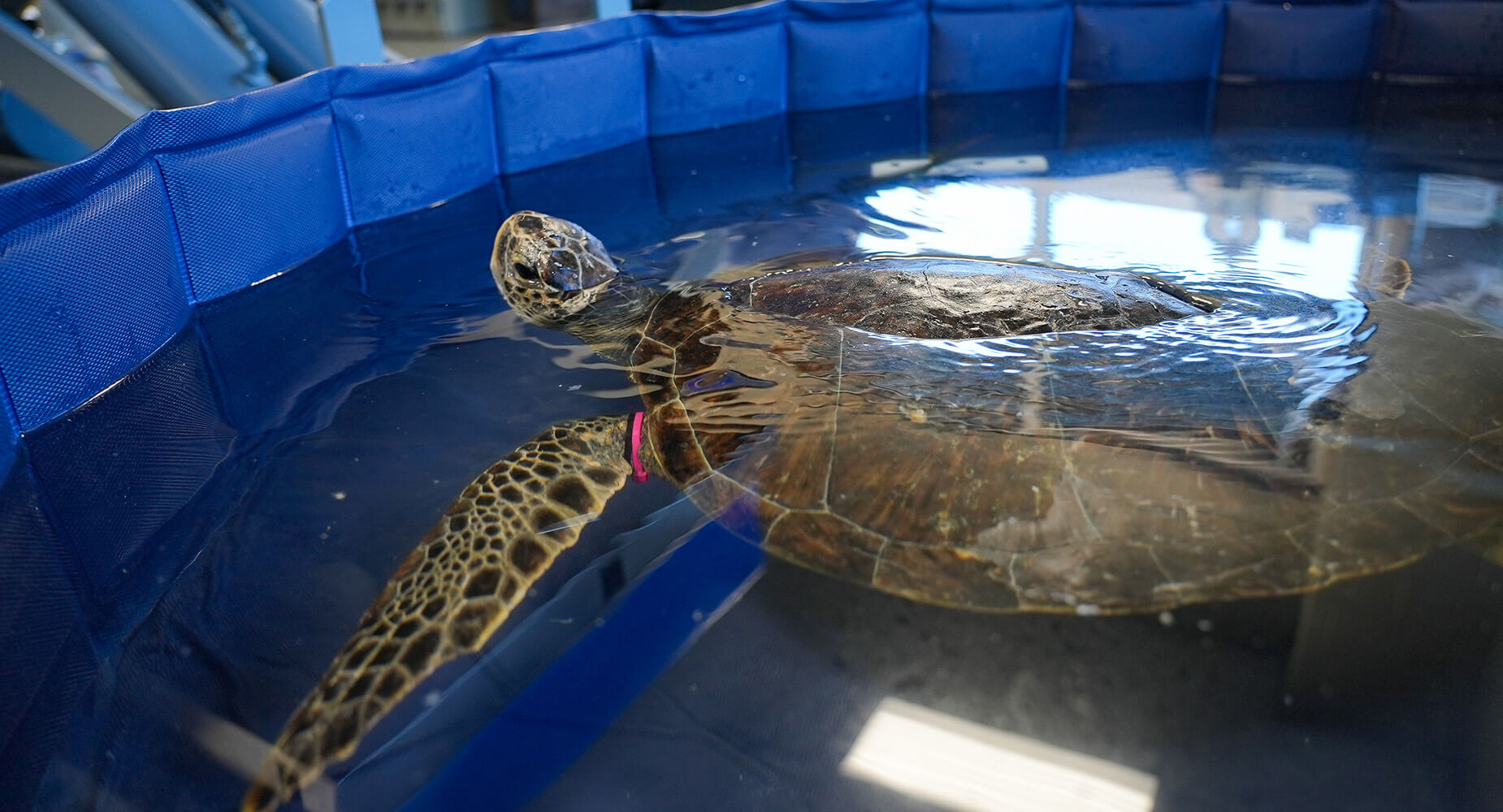
- Sea turtle rehabilitation facilities.
- Research laboratories.
- Pollinator gardens.
- Clean energy education.
The wider partnership also includes the Florida Fish and Wildlife Conservation Commission and the University of Florida.
Tampa Electric provides the site and infrastructure.
The Florida Aquarium provides conservation, animal care, veterinary, and education expertise.
The roles are easy to understand.
The results are visible.
Visitors can see rehabilitation work, coral research, manatee habitat, and clean energy information in one place.
A 2025 Tampa Electric partnership story also highlighted the Bayview Rooftop Terrace Powered by TECO, a solar project connected to The Florida Aquarium.
Marketing lesson
A partner should not appear only as a logo.
Show the work.
Show the shared site.
Show the people responsible.
Show the species and habitats involved.
This creates a stronger sponsored species spotlight.
For example:
- A manatee story presented by an energy partner.
- A sea turtle rehabilitation update.
- A coral restoration progress report.
- A visitor photo campaign linked to coastal habitat.
The message stays factual:
“This is the work. These are the partners. This is how visitors can learn more.”
Example 3: Singapore Oceanarium builds a story journey
Singapore Oceanarium reopened in 2025 after its transformation from S.E.A. Aquarium.
Its new positioning centers on marine education, research, and conservation.
The visitor experience uses themed zones and immersive media to move through the ocean’s past, present, and future.
The structure matters.
Visitors do not receive disconnected facts.
They follow a journey:
- Ocean life and discovery.
- Change and pressure.
- Human connection.
- Conservation response.
- Personal action.
The Singapore Oceanarium also uses a “Hallway of Hope” and digital pledge wall to connect the experience with a specific commitment.
The visitor leaves with more than an impression.
They leave with a stated action.
Marketing lesson
Build campaigns like short stories.
Start with one animal, habitat, or community.
Then show:
- What makes it important.
- What threatens it.
- What is being done.
- Where the visitor fits.
A campaign can continue across:
- Exhibit signs.
- Short videos.
- Email.
- Social posts.
- A campaign landing page.
- Visitor-generated photos.
The story remains the same.
The format changes.
Example 4: Taronga’s conservation-first identity
Taronga provides an early example of a zoo changing how it describes itself.
In 2008, the organisation introduced the overarching brand Taronga Conservation Society Australia.
The goal was direct.
Move beyond the idea of a zoo as family entertainment.
Show the organisation as a conservation society with work in Australia and around the world.
The brand structure brought Taronga Zoo, Taronga Western Plains Zoo, the Foundation, and other activities under one conservation-led identity.
The Taronga brand case study describes the work across:
- Brand strategy.
- Positioning.
- Brand architecture.
- Identity design.
- Messaging.
- Public and stakeholder communications.
More recent ecological identity work has also connected Taronga with habitat restoration and rewilding. The visual system uses references to soil, stone, canopy, water, regrowth, and connected habitats.
Marketing lesson
A conservation rebrand is not only a new logo.
It changes the words used across every channel.
It changes the images selected.
It changes the stories partners are invited to support.
It changes the evidence shown to visitors, members, donors, and sponsors.
Review the language.
Replace:
- “See rare animals.”
- “Enjoy a wild day out.”
- “Meet our collection.”
With clearer messages:
- “Learn how this species is recovering.”
- “See the people protecting its habitat.”
- “Support work beyond the zoo.”
The tone can remain welcoming.
The purpose becomes clearer.
Campaign example: “Presented by the Forest”
A simple campaign model for a zoo or aquarium.
The subject
One species.
Orangutan, manatee, sea turtle, coral, tiger, or polar bear.
Use a strong professional image for the main page. Use visitor photos for the daily conversation.
Zoo Imagery can support the campaign with animal photography, including panda imagery and wild tiger imagery.
The partner
A company with a documented connection to the conservation action.
Examples:
- Sustainable sourcing.
- Habitat restoration.
- Clean energy.
- Water quality.
- Research support.
The partner’s role must be specific.
The visitor action
One action only.
- Scan a product.
- Make a pledge.
- Share a photo.
- Read the sourcing guide.
- Choose a certified product.
- Join a local cleanup.
The content loop
- On-site: A short conservation message.
- Digital: A landing page with the action.
- Visitor content: Guests share photos through the ZooMedia.us app.
- Follow-up: The zoo reports participation and the work supported.
- Partner content: The sponsor shares the same story through its channels.
No complex wording.
No unclear promise.
Just a visible connection between the animal, the partner, and the choice.
Takeaways
- Start with one species.
- Show the habitat.
- Name the partner’s role.
- Give visitors one next step.
- Use images that show real work.
- Combine professional photography with visitor content.
- Repeat the same message across signs, social posts, and email.
- Report the result in plain language.
- Use a Presented by page for sponsor visibility.
- Keep conservation at the center of the campaign.
Checklist for zoo and aquarium marketers
- Is the conservation action clear?
- Can visitors complete it quickly?
- Is the partner’s contribution specific?
- Does the campaign name a species or habitat?
- Are the claims supported by a reliable source?
- Does the story continue after the visit?
- Can visitors share their own photos?
- Are landscape and portrait images available?
- Are participation numbers being tracked?
- Will the organisation report back?
Keep the message useful
The strongest wildlife campaigns do not make visitors feel responsible for solving everything.
They show one useful choice.
One real partnership.
One conservation story.
That is enough to begin.
Explore the Zoo Imagery library for animal photography for campaigns, presentations, websites, and conservation storytelling.
Follow Zoo Imagery on LinkedIn for more wildlife marketing insights.


