Daily Newsletter: How the Florida Aquarium Turned a Utility Partnership into Lasting Conservation Impact
Modern zoos and aquariums face a dual challenge. Balancing operational costs with ambitious conservation mandates requires creative funding models. Traditional admission revenue rarely covers large-scale field research, coral spawning programs, or emergency marine mammal rescue operations.
External partnerships provide the necessary financial and operational leverage.
The collaboration between The Florida Aquarium and Tampa Electric (TECO) offers a clear blueprint. Spanning over two decades, this voluntary alliance demonstrates how utility infrastructure and marine science can unite to achieve measurable ecological and community impact.
The Anatomy of a Long-Term Utility Partnership
Corporate alliances often rely on short-term sponsorships. The Florida Aquarium and TECO took a different path. Founded on shared goals of education, conservation, and community engagement, their partnership integrates physical infrastructure with biological expertise.
At the Florida Conservation and Technology Center (FCTC) in Apollo Beach, operations span across a 500-acre waterfront campus.
Key operational pillars:
- Shared Infrastructure: TECO supplies life-support systems and utility frameworks; the Aquarium provides veterinary, animal care, and education staff.
- Voluntary Alignment: Growth driven by mutual mission rather than regulatory mandates.
- Public Access: Integrating industrial spaces with living classrooms and manatee sanctuaries.
This model removes administrative friction. Both entities focus on core competencies while scaling shared outcomes.
Coral Restoration at Scale

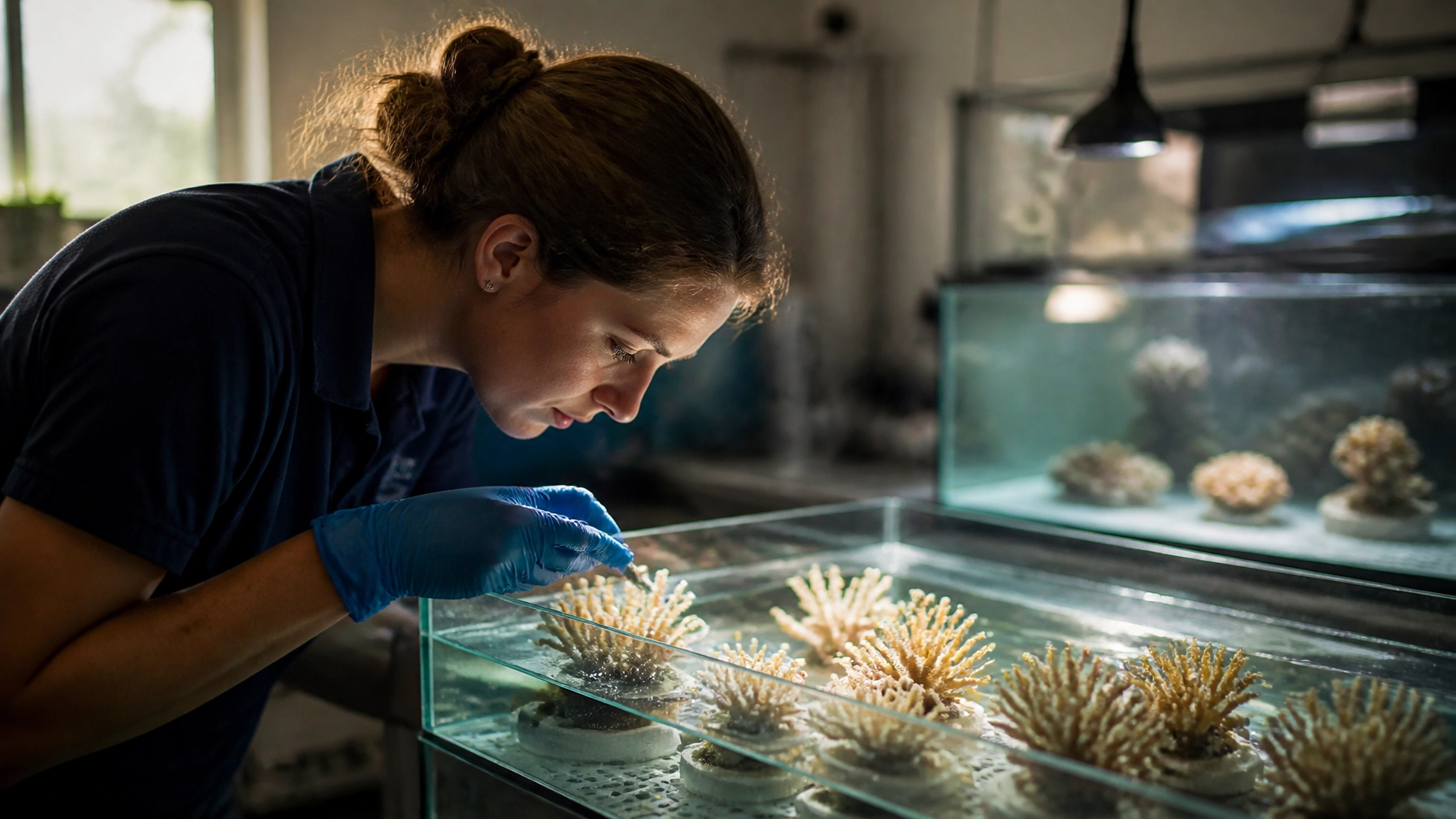
Florida’s coral reef tract requires aggressive intervention. At the Aquarium’s Coral Conservation and Research Center within FCTC, scientists tackle the complex challenge of Atlantic coral sexual reproduction and baby rearing.
Conservation highlights:
- Cultivating endangered coral species under controlled laboratory conditions.
- Reintroducing healthy colonies back into the wild reef tract.
- Partnering with federal agencies, universities, and non-profit networks.
By housing these advanced laboratories on utility-backed campuses, the Aquarium secures stable environments with reliable water and power networks essential for sensitive marine organisms.
Sea Turtle Rehabilitation and Habitat Recovery
Marine wildlife rescue demands rapid response capabilities and specialized holding facilities. The Sea Turtle Rehabilitation Center at FCTC operates as a primary intake point for injured and stranded marine animals.
Core rescue operations:
- Treating boat strike injuries and net entanglements.
- Providing long-term veterinary care in specialized deep-dive recovery pools.
- Releasing rehabilitated sea turtles into coastal waters.
Public visibility remains central to these operations. Visitors observe rehabilitation processes firsthand, transforming clinical medical care into an immediate educational experience.
Integrating Clean Energy into Animal Care

Sustainability must extend behind the scenes. TECO integrates clean energy generation directly into the Aquarium’s public and operational footprints.
Integration points:
- Solar Pavilions: Rooftop solar arrays powering visitor terraces and event spaces.
- Floating Solar: Joint renewable energy deployments supporting educational exhibits.
- Efficiency Models: Lowering carbon output while lowering operational utility expenses.
Visitors connect clean energy choices directly to marine habitat preservation. Energy production and conservation become visible companions rather than separate corporate initiatives.
Actionable Sustainable Marketing Strategies for Zoos and Aquariums
Translating complex ESG initiatives into compelling public campaigns requires clarity and transparency. Zoo and aquarium marketers can apply these proven strategies:
1. Shift from Corporate Logos to Shared Impact Stories
Avoid listing corporate donors on static plaques. Build narrative campaigns around mutual missions. Show how utility partners provide the physical power required to run coral nurseries and turtle filters.
2. Make Conservation Infrastructure Visible
Bring visitors behind the scenes. Highlight water filtration systems, solar arrays, and veterinary labs. Transparency builds trust and validates institutional claims.
3. Focus on Measurable Metrics
Communicate concrete outcomes plainly. Share exact numbers of rehabilitated turtles released, coral fragments outplanted, and kilowatt-hours generated by renewable installations.
Conclusion

The Florida Aquarium and Tampa Electric partnership proves that long-term corporate collaboration elevates conservation capacity. By aligning infrastructure with marine science, institutions achieve financial stability while protecting vulnerable ecosystems.
To explore professional animal photography and marketing solutions designed for modern facilities, visit Zoo Imagery. Connect with our team on the Zoo Imagery LinkedIn Profile to discuss custom visual content strategies.


