Daily Blog: Animal Photography & Zoo Marketing – July 28, 2026
Presented by Zoo Imagery
Welcome to today's daily spotlight. High-impact wildlife imagery. Strategic conservation insights. Real solutions for modern zoos and content creators.
Species Spotlight: The African and Asiatic Lion
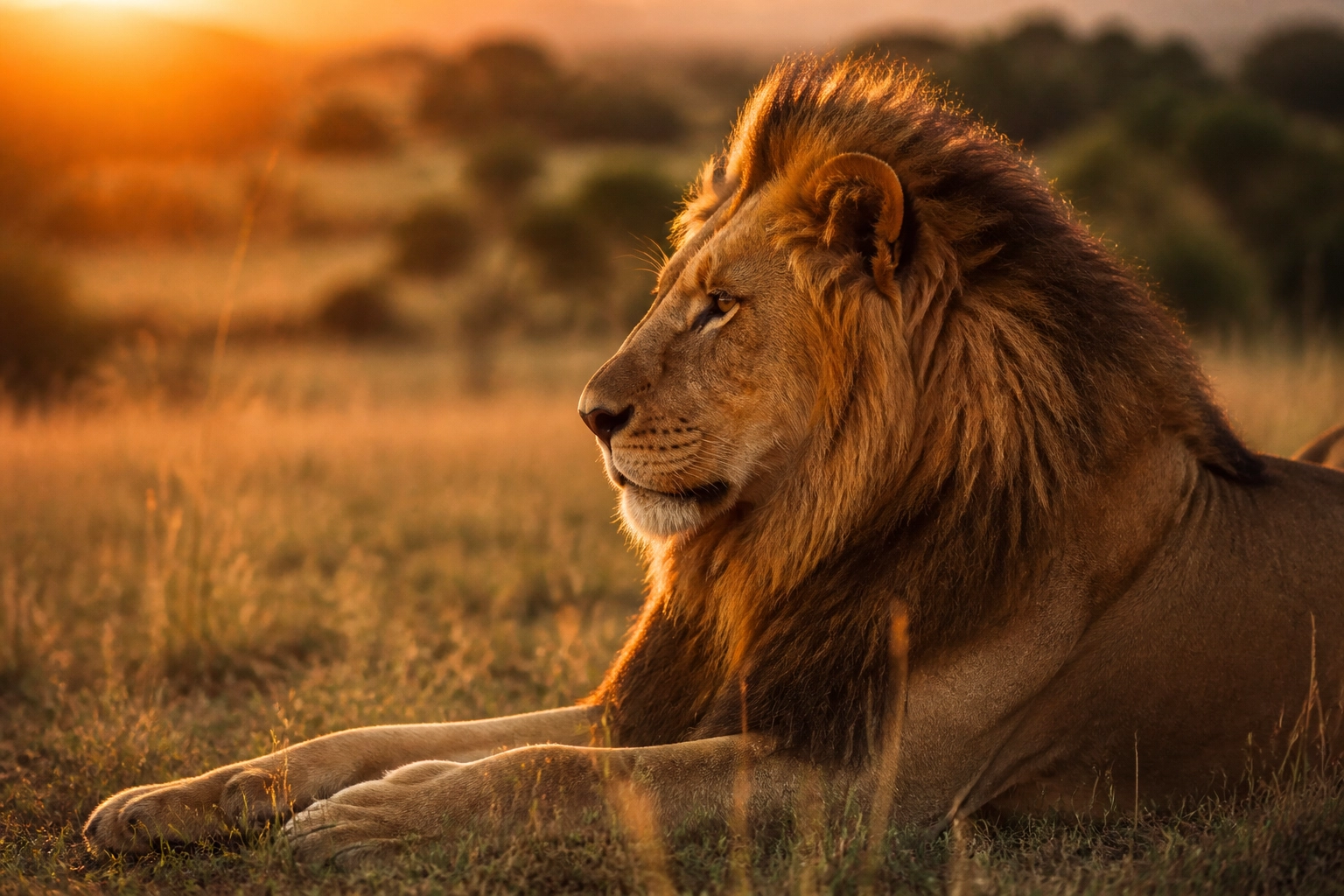
The lion (Panthera leo). Apex predator. Cultural icon. Endangered resilience.
Current Status & Population Data
- Global IUCN Status: Vulnerable overall.
- Northern Subspecies (Panthera leo leo): Endangered.
- Southern Subspecies (Panthera leo melanochaita): Vulnerable.
- Africa Wild Population: Approximately 13,356 wild lions remaining.
- Asiatic Subpopulation (Gujarat, India): Stable to growing, numbering around 670–750+ individuals in and around Gir National Park.

Recent studies offer crucial conservation breakthroughs:
- Gujarat Coastal Study: Recent field research in coastal Gujarat reveals that Asiatic lions survive primarily on 70% wild prey: effectively debunking the long-held myth of total livestock dependence.
- Greater Kafue Ecosystem: Ongoing monitoring in Zambia's Greater Kafue Ecosystem demonstrates that heightened anti-poaching protection directly boosts lion fecundity and survival rates.
Behavior Facts: Pride Dynamics & Hunting Strategies
Lions are uniquely social among big cats. Complex hierarchies. Coordinated tactics.
- Pride Structure: Female-centric family units. Up to three dozen individuals. Sisters, mothers, and cubs form the core. Resident coalitions of males protect the territory.
- Hunting Strategies: Cooperative teamwork. Ambush tactics. Nighttime dominance. Designated roles: wingers drive prey, center rush seals the capture.
- Communication: Roars carrying up to 5 miles. Defining boundaries. Maintaining pride cohesion across vast territories.
Photography Tips: Capturing Lions in the Wild and in Zoos
Professional animal photography requires patience, precision, and perspective.

In the Wild
- Lighting: Golden hour delivers deep fur texture and dramatic shadows.
- Lenses: 70-200mm or 400mm telephoto. Maintain safe distance. Capture natural behaviors undisturbed.
- Focus: Lock onto the eyes. Sharp corneal reflections breathe life into the frame.
In Zoos
- Angles: Shoot parallel to barrier glass or mesh to minimize visual obstruction.
- Composition: Avoid artificial props. Frame tightly on natural substrates: rockwork, foliage, and earth.
- Timing: Early morning or late afternoon active periods. Avoid midday resting slumps.
Explore our diverse stock photo library for stunning, high-resolution animal photography categories.
ZooMedia.us: Driving Visitor Engagement
Zoos and aquariums face constant demand for fresh audience connection. User-generated content bridges the gap.

The ZooMedia.us phone app empowers guests to share their captured moments instantly.
- Seamless picture marketing integration.
- Real-time engagement results.
- Proven ROI tracking for institutional partners.
- Amplified organic reach without bloated ad budgets.
Discover more innovative marketing solutions designed specifically for modern zoos and aquariums at Zoo Imagery.
Connect & Explore
Save time. Save money. Elevate your creative projects with professional animal imagery.
- Visit our official website: Zoo Imagery
- Connect with our professional network: Zoo Imagery on LinkedIn


