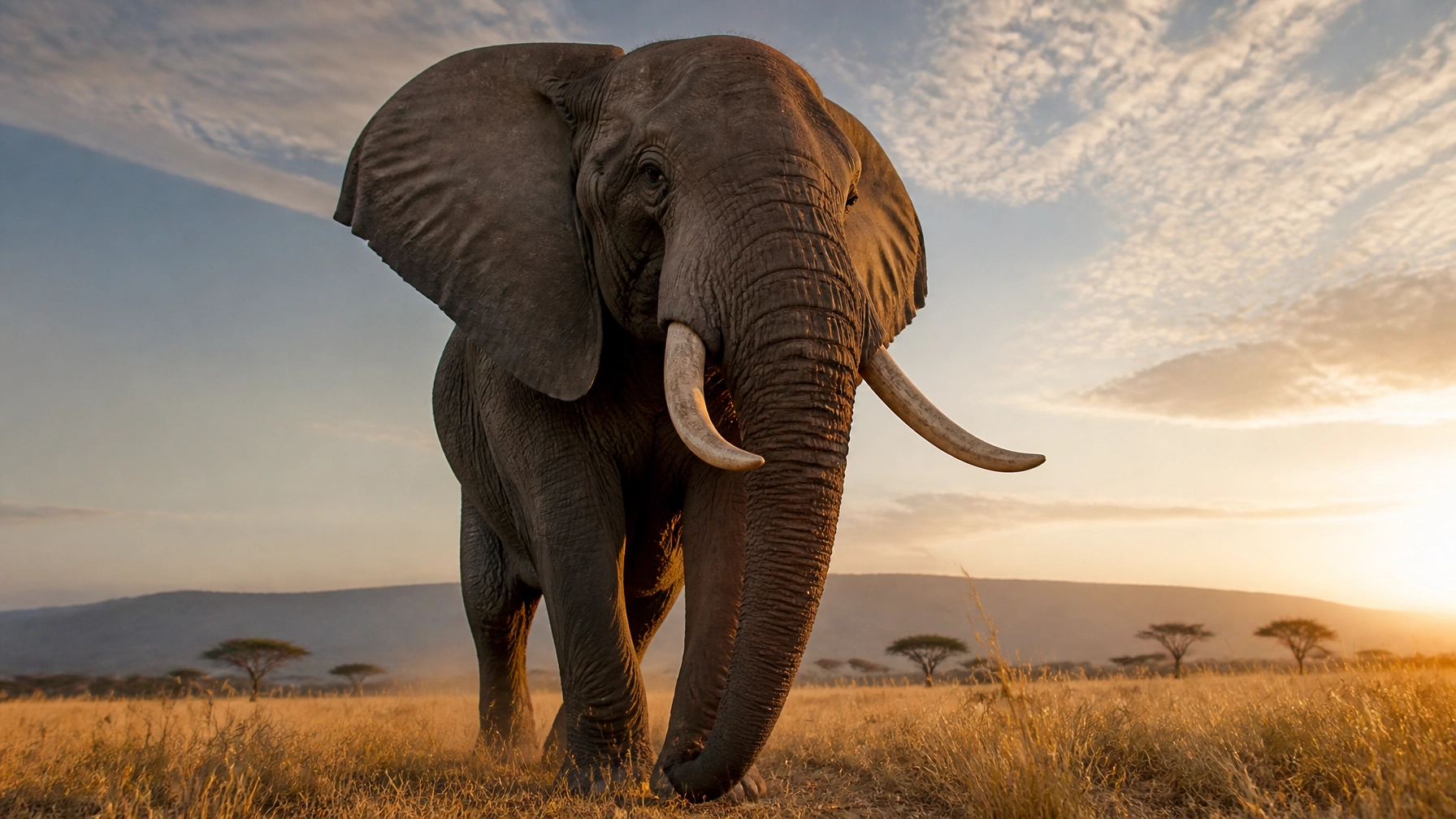
Daily Blog: Animal Photography & Zoo Marketing – July 27, 2026
Focus today: The African Elephant.
Critical data. Ecosystem impact. Photography technicals.
Marketing solutions for modern zoos.
Species Spotlight: African Elephants (2026 Status)
Elephants are in a precarious state. Recent 2026 census data highlights the urgency.
Current Population Numbers
- Wild Total: 450,000 – 500,000 individuals.
- African Savanna Elephants (Loxodonta africana): ~350,000.
- African Forest Elephants (Loxodonta cyclotis): ~145,000.
Conservation Status
- Savanna Elephants: Endangered.
- Forest Elephants: Critically Endangered.
- Trend: Stabilizing in certain Southern African regions. Declining elsewhere due to habitat loss.
Wildlife stock photos often capture the scale, but these numbers show the reality. Fragmentation remains the primary threat. Human-elephant conflict is rising as corridors shrink.
The Keystone Role: More Than Just Giants
Elephants are landscape architects. They modify environments. They create opportunities for other species.
Recent Kenya Studies (2026)
Recent research in Kenyan conservancies focused on the "Dung-to-Diversity" cycle.
- Daily Intake: One adult eats ~150 kg of vegetation.
- Waste Output: High volume of nutrient-rich dung.
- Dung Beetle Impact: These insects bury elephant dung rapidly.
- Soil Health: This process aerates soil and recycles nitrogen.
- Seed Dispersal: Elephants transport seeds over long distances. Beetles bury them. New growth follows.
Without elephants, the savanna loses its regenerative engine. The dung beetle population depends on this specific waste stream. It is a closed-loop system of survival.

Behavior Facts
Understanding behavior improves both conservation and photography.
- Matriarchal Structure: Family units led by experienced females.
- Communication: Low-frequency rumbles (infrasound). Travels miles through the ground.
- Intelligence: Recognition of individuals over decades. Problem-solving skills.
- Landscape Modification: Stripping bark and felling trees to create clearings. This allows light to reach the forest floor.
Photography Tips: Capturing the Scale
Capturing high-quality animal stock photos requires patience. Technical precision is non-negotiable.
In the Wild
- Light: Golden hour. 06:00 – 08:00 or 17:00 – 18:30.
- Angle: Low. Emphasize height. Use a 35mm to 50mm for "environmental" shots.
- Technicals: Shutter speed 1/500s or faster. Elephants move slowly but their ears and trunks are constant motion.
- Distance: Respect the 30-meter rule. Use a 400mm lens for tight portraits.
In the Zoo
- Focus on Texture: Use a macro or long telephoto. Capture the skin wrinkles and eye detail.
- Framing: Exclude man-made structures. Aim for natural backgrounds within the exhibit.
- Patience: Wait for dust-bathing or water-hole interactions.

Zoo Marketing: Driving Engagement with ZooMedia.us
Zoos are hubs for conservation education. Visitor engagement is the primary metric for success.
The Problem
Guests take photos. They stay on personal devices. The zoo loses the marketing value of that content.
The Solution: ZooMedia.us
Our app bridges the gap between guest experience and digital marketing.
- User-Generated Content (UGC): Encourage guests to share their elephant photos instantly.
- In-App Missions: Create a "Dung Detective" quest. Find evidence of elephant ecosystem impact.
- Real-Time ROI: Track how many shares each exhibit generates.
- Engagement Tools: Guests use filters and educational overlays before posting to social media.
Benefits
- Increased Visibility: Each guest post acts as a referral.
- Data Collection: Understand which parts of the elephant exhibit attract the most attention.
- Community Connection: Foster a sense of shared conservation effort.

Presented By
This post is presented by our Species Spotlight Sponsor.
High-quality imagery. Data-driven storytelling. Available for your next project.
Professional Visual Assets
Zoo Imagery provides stunning animal photography. We help save time and money. Our library includes:
Our collections cover:
- African Elephants
- Polar Bears
- Wild Tigers
- Lions
- Marine Life
Internal Resources:
Summary
African elephants are keystone species. Their survival dictates the health of the savanna. High-quality imagery tells this story. Interactive marketing through ZooMedia.us engages the public.
Action Steps:
- Review elephant conservation data.
- Optimize your zoo exhibit photography using our tips.
- Deploy ZooMedia.us for your next guest campaign.
Visit Zoo Imagery for professional stock assets.
Connect with us on LinkedIn for more updates.


