Daily Blog: Animal Photography & Zoo Marketing – July 26, 2026
July 26, 2026.
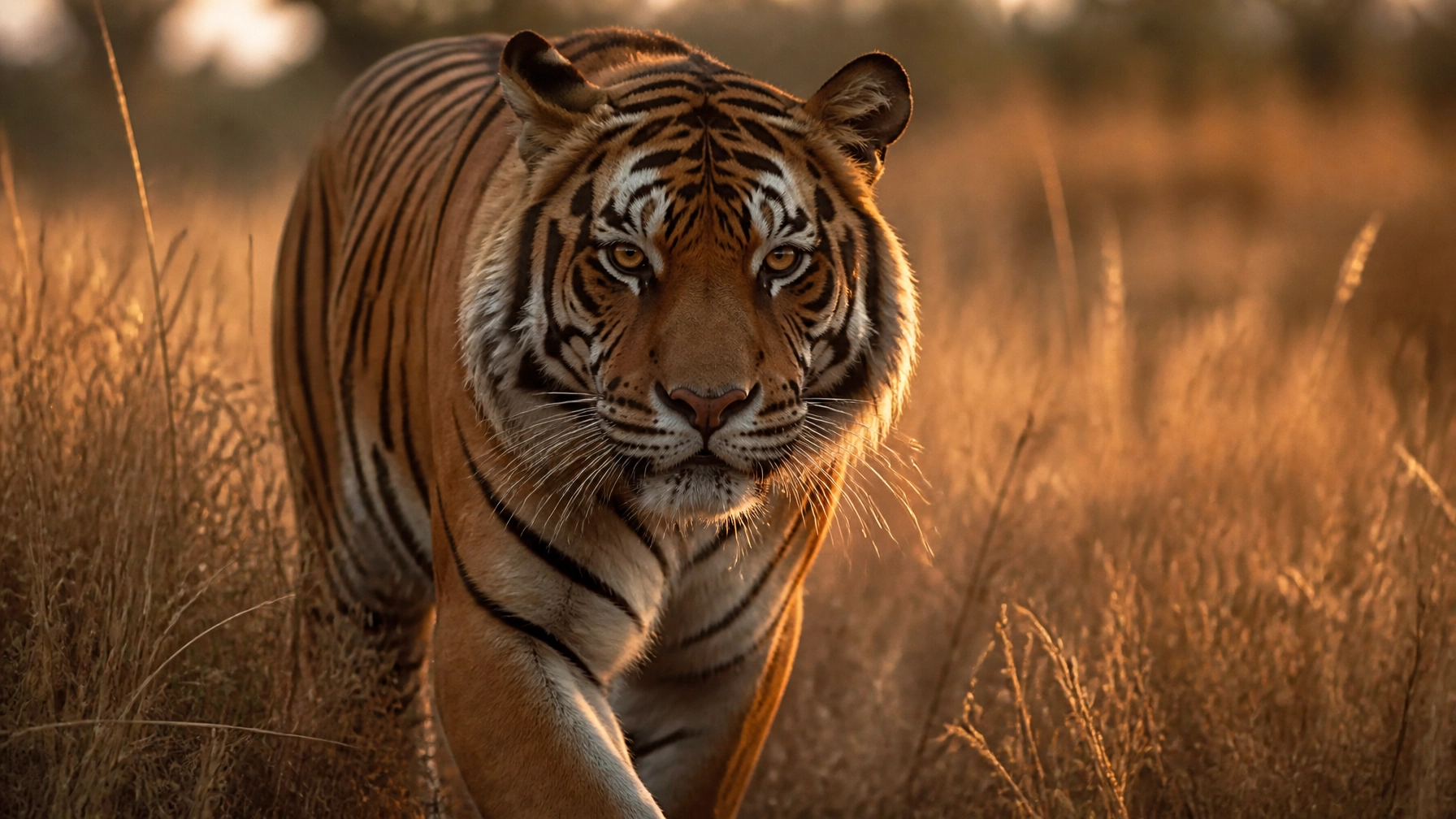
The focus is the Wild Tiger.
Apex predator.
Solitary.
Endangered.
Species Spotlight: The Wild Tiger
Tigers are the largest Asian big cats.
They are symbols of strength and wild landscapes.
Current wild population: ~5,500–5,600 individuals globally.
Status: Endangered (IUCN Red List).
Core Behavior
- Solitary nature: Adult tigers live alone. They meet only to mate.
- Territorial: They mark ranges with scent, scratches, and vocalizations.
- Hunting: Ambush predators. Built for short, powerful bursts.
- Diet: Large ungulates. Deer, wild boar, buffalo.
- Swimming: Strong swimmers. They enter water to cool off or hunt.
- Patterns: No two tigers have the same stripe pattern. Camouflage for the forest floor.
Conservation Reality 2026
Progress is real but fragile.
Numbers are rising in India, Nepal, Bhutan, and Russia.
Southeast Asia faces severe declines.
Habitat loss remains the primary threat.
Poaching continues for illegal trade.
Human-tiger conflict increases as ranges overlap.

Subspecies Breakdown
- Bengal Tiger: Most numerous. Found in India, Bangladesh, Nepal.
- Amur (Siberian) Tiger: Largest subspecies. Adapted for cold, snowy climates.
- Sumatran Tiger: Critically endangered. Found only on the island of Sumatra. Smaller, darker, more stripes.
- Malayan Tiger: Found in the Malay Peninsula. Critically endangered.
- Indochinese Tiger: Found in Thailand, Cambodia, Laos. Severely fragmented populations.
- Extinct Subspecies: Javan, Bali, and Caspian. Lost to the 20th century.
Photography Guide: Capturing the Apex Predator
High-quality animal stock photos require patience.
Wildlife stock photos demand technical precision.
The goal: capture the raw essence without disturbance.
Essential Equipment
- Lenses: 300mm to 600mm telephoto. Maintain safe distance.
- Camera: High burst rate. Reliable weather sealing.
- Support: Monopods for mobility. Tripods for low-light blinds.
Technical Settings
- Shutter Speed: 1/1000s or faster for action. 1/500s for resting.
- Aperture: f/2.8 or f/4 to isolate the subject. Blur distracting brush.
- ISO: Use higher ISO in forest cover. Modern sensors handle noise well.
- Focus: Continuous eye-tracking autofocus. Lock onto the near eye.
Capturing Behavior
Look for the "micro-expression."
A chuff (friendly greeting).
A flehmen response (scent testing).
The tension before a pounce.

Zoo vs. Wild Settings
In the Wild
- Timing: Crepuscular activity. Dawn and dusk are peak times.
- Environment: Use the habitat. Show the tiger in its "green kingdom."
- Ethics: No baiting. No crowding. The animal’s welfare is first.
In the Zoo
- Perspective: Shoot at eye level. Avoid looking down into enclosures.
- Composition: Frame out man-made structures. Use foliage to create a wild look.
- Enrichment: Photograph during feeding or scent enrichment. Capture natural curiosity.
- Transparency: Use these images for education. Connect the visitor to the wild counterpart.

Marketing with ZooMedia.us
Zoos need engagement.
Traditional marketing is slow.
User-Generated Content (UGC) is fast.
The ZooMedia.us app bridges the gap.
Benefits for Zoos and Aquariums
- Guest Engagement: Guests take photos. They share via the app.
- Real-Time ROI: Track how many people share. See the reach instantly.
- Authenticity: Real photos from real people. More trust than corporate ads.
- Content Library: Curate guest photos for social media. Save on production costs.
- Viral Loops: Every shared photo attracts new potential visitors.
Strategy for Tiger Campaigns
- Spotlight Days: Encourage guests to share tiger photos.
- Conservation Messaging: Link guest photos to tiger protection stories.
- In-App Challenges: Find the tiger. Capture a behavior. Learn a fact.
- Instant Rewards: Guests share. They feel part of the mission.

Zoo Imagery Services
We simplify animal photography.
Stunning assets. Ready for use.
- Diverse Library: Polar bears, tigers, lions, elephants, pandas.
- Formats: Landscape for web. Portrait for social.
- Quality: High-resolution. Natural lighting. Documentary style.
- Time Savings: No need for expensive field shoots. We have the shots.
- Purpose: Our imagery supports conservation storytelling.
Summary of Tiger Facts for 2026
- Status: Endangered.
- Population: ~5,500 wild individuals.
- Weight: Up to 660 lbs (male Amur).
- Speed: Up to 40 mph in short bursts.
- Lifespan: 10–15 years in the wild.
The tiger is more than a photo subject.
It is an ecosystem indicator.
Protecting tigers protects forests.
Protecting forests protects the planet.
Explore our collection of tiger conservation imagery.
Leverage your visitor content with ZooMedia.us.
Save time. Save money. Support wildlife.
Connect With Us
Visit our website: zooimagery.com
Follow our updates: LinkedIn
Read our latest news: Species Spotlights


