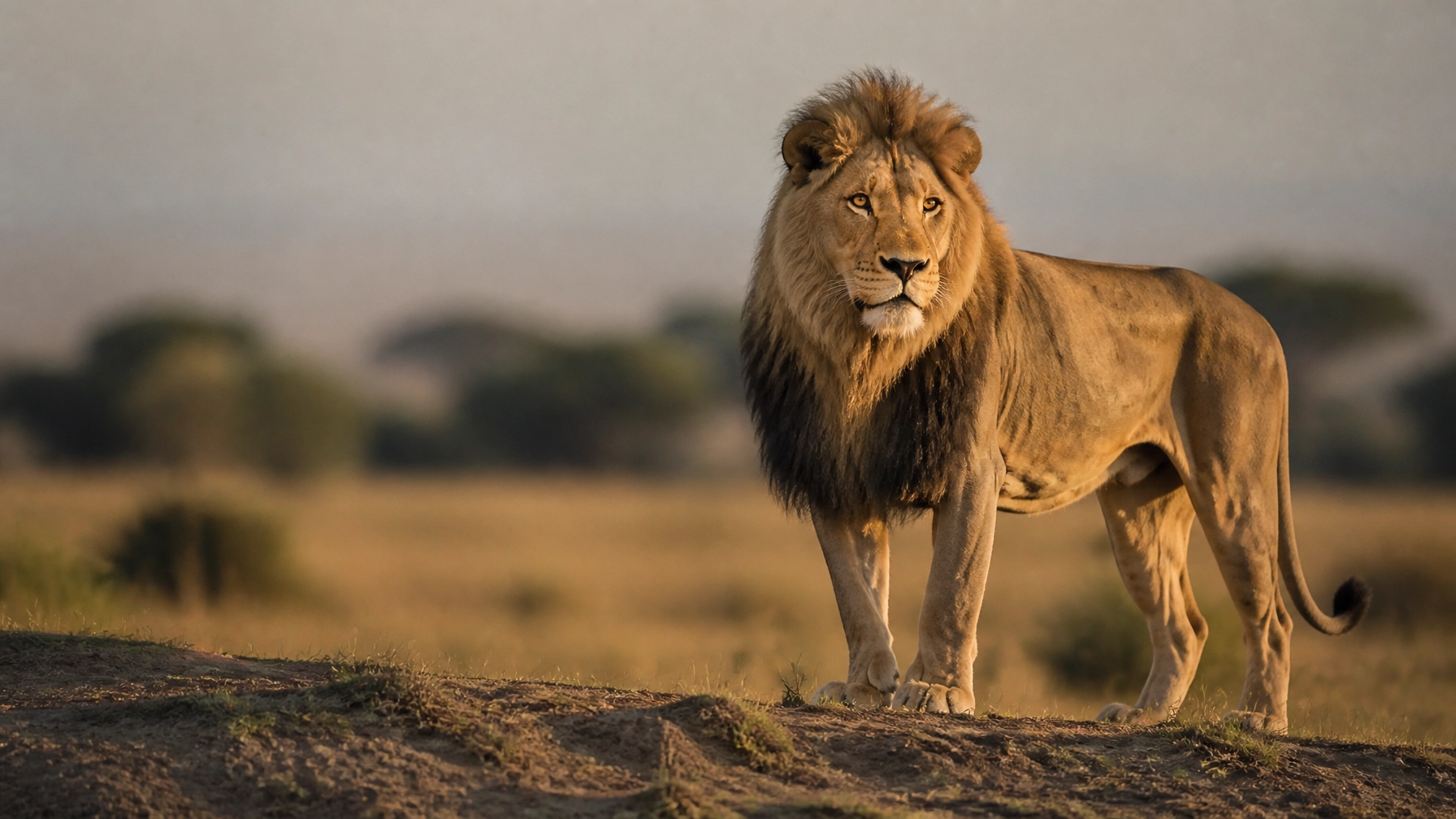
Daily Blog: Animal Photography & Zoo Marketing – August 12, 2026
Today’s animal: the lion
Lions give photographers more than a strong face and a dramatic mane.
They offer a complete story:
- Family groups
- Shared care
- Communication
- Rest
- Territory
- Conservation
That makes the lion a useful subject for zoo marketing, education campaigns, social posts, and conservation storytelling.
For today’s daily blog, we are looking at a simple campaign idea:
Presented by: Lions
The concept works for a zoo, aquarium, wildlife center, conservation group, or animal-focused brand. One animal becomes the center of a clear visual story.
The “Presented by” animal page concept
A “Presented by” page gives a campaign a consistent home.
The page can include:
- A hero animal photograph
- Short facts
- A conservation message
- A keeper quote
- Visitor photos
- A call to visit, learn, or support
- Links to related content
The format is simple. The animal leads. The sponsor, partner, or presenting organization supports the story without taking over the page.
For a lion campaign, the page title could be:
Lions, Presented by [Organization Name]
The page could then introduce one lion by name. It might show the animal resting, moving through the habitat, interacting with another lion, or responding to enrichment.
Names matter.
A named animal gives visitors something specific to remember. It also makes future content easier. The same lion can appear in seasonal posts, keeper updates, short videos, educational graphics, and visitor campaigns.
The Zoo Imagery lion collection can help provide the supporting photography for this kind of page.
Why lions work well in visual storytelling
Lions are the most social of the big cats.
They live in groups called prides. A pride can include related females, cubs, and one or more adult males. Females often stay with the pride for life. Young males may leave and form coalitions with brothers or relatives.
This social structure creates many photography opportunities.
A single lion portrait shows strength and character.
A group image shows relationships.
A cub beside an adult lion shows care and growth.
A lioness moving through tall grass creates a sense of place.
A close-up of two lions grooming tells a quieter story.
These images can support different types of zoo content without changing the central subject.

Lion facts for captions and exhibit content
Short facts work well on social media, exhibit signs, email newsletters, and campaign graphics.
1. A lion’s roar can travel far
A lion’s roar can be heard from as far as 8 kilometers away, or about 5 miles.
Lions use roaring to communicate, mark territory, and locate members of their pride.
For a campaign, this fact could become a simple headline:
One roar. Five miles. One species worth protecting.
2. Lion cubs are born with spots
Young cubs often have spots and rosettes on their coats. The markings help them blend into their surroundings. The spots usually fade as the cubs grow.
This is a strong fact for family audiences. It also creates a reason to use close-up photography.
3. Lions are social hunters
Lionesses often work together when hunting. A group can approach prey from different directions, improving the chance of success.
In a zoo setting, this behavior can connect to enrichment activities. Keepers may design experiences that encourage natural movement, exploration, scent response, or problem-solving.
4. Lions rest for much of the day
Lions may sleep or rest for 16 to 20 hours a day.
This does not mean they are inactive all the time. Early morning, late afternoon, and evening may offer better chances to see movement and interaction.
For photographers, timing matters.
For marketers, this creates a useful content contrast:
- Resting lion
- Active lion
- Social lion
- Roaring lion
A single species can support many moods.
5. A small population lives in India
Most wild lions live in Africa. A separate population of Asiatic lions lives in India’s Gir Forest.
The Smithsonian’s National Zoo lion guide covers the species’ habitat, social structure, diet, and conservation concerns.
Behind the photograph
Animal photography depends on patience.
The strongest frame may not happen when the lion is looking directly at the camera. It may happen a moment earlier, when the animal turns its head, catches a scent, or looks toward another member of the group.
A few practical details make a difference.
Watch the eyes
The eyes are usually the first place people look.
Focus on the nearest eye when creating a close portrait. Use a fast shutter speed when the animal is moving. Small movements in the head, ears, or whiskers can change the expression.
Use the light
Early and late light creates shape in the mane and fur.
Direct midday light can create strong shadows around the eyes and nose. It can still work, especially for wider habitat images, but softer light is often easier to manage.
Natural light also helps the photograph feel less staged.
Look for behavior
Do not photograph only the face.
Watch for:
- Grooming
- Head rubbing
- Yawning
- Scenting
- Paw movement
- Cub play
- Group rest
- Slow patrols
These actions show the animal’s personality and relationships.
Keep barriers out of the story
Zoo photography often includes glass, mesh, railings, or other viewing structures.
Place the lens close to a barrier when appropriate. A wide aperture can soften distractions in the foreground. Avoid using flash unless the zoo specifically allows it.
The animal’s comfort comes first.

Sponsored species spotlight: Lions
A sponsored species spotlight should connect the animal to a clear message.
For lions, the message could focus on habitat.
Lions need connected spaces, healthy prey populations, and safer relationships with nearby communities. Habitat loss, human-wildlife conflict, poisoning, and hunting continue to affect wild populations.
The Smithsonian estimates that about 20,000 lions remain in the wild. Its lion page also notes that lion populations have declined in recent years.
A sponsored spotlight does not need to make dramatic claims. It can explain the issue plainly:
Lions need room to live. Protecting lion habitat also protects the many species that share it.
The spotlight could include:
- A map showing the lion’s current range
- A portrait of the zoo’s ambassador lion
- A short keeper video
- A fact about pride life
- A visitor photo wall
- A link to the zoo’s conservation work
The sponsor can be credited on the page, signage, and social graphics. The conservation message stays clear.
Turn visitor photos into part of the campaign
Professional photography gives a campaign its main structure.
Visitor photography adds participation.
That combination is useful for zoos and aquariums. A professional image can introduce the animal. A visitor image can show the personal experience of seeing it.
With ZooMedia.us, guests can share photos they take during a visit. Zoo and aquarium marketing teams can use the resulting user-generated content to support engagement and track results.
A lion campaign could use a short prompt:
See a lion. Share the moment.
Or:
Show us your pride.
The campaign can encourage visitors to share during active periods, such as feeding demonstrations, keeper talks, or enrichment sessions.
The best visitor content may show more than the lion. It may show:
- A child watching the habitat
- A family reading an exhibit panel
- A visitor photographing a lion
- A keeper preparing enrichment
- A group reacting to a roar
These moments connect the animal to the visitor experience.

A simple lion campaign layout
Here is one practical structure for a “Presented by: Lions” page.
Section one: Meet the animal
Name, age, personality, and one strong portrait.
Section two: See pride life
A group photograph with two or three short facts about social behavior.
Section three: Understand the need
A plain conservation message about habitat, conflict, or wild lion numbers.
Section four: Join the story
Visitor photos shared through the zoo’s preferred channel or the ZooMedia.us app.
Section five: Keep learning
Links to the zoo’s conservation work, animal pages, and educational resources.
The format works across a website, landing page, exhibit screen, email, and social campaign.
Build the page with the right images
A strong animal page rarely needs dozens of photographs.
Start with the best images:
- One clear hero portrait
- One group behavior image
- One habitat image
- One keeper or care image
- One visitor image
Use both landscape and portrait formats. Landscape images work well for website headers and banners. Portrait images fit social feeds, mobile screens, and story posts.
Zoo Imagery provides animal photography for projects that need clear, flexible visuals. Browse the Zoo Imagery library to find images for campaigns, websites, presentations, and editorial content.
Follow Zoo Imagery on LinkedIn for more animal photography and zoo marketing ideas.
A lion gives visitors a reason to stop.
A good story gives them a reason to remember.


