Daily Blog: Animal Photography & Zoo Marketing – August 10, 2026
Featured Animal: Giraffes
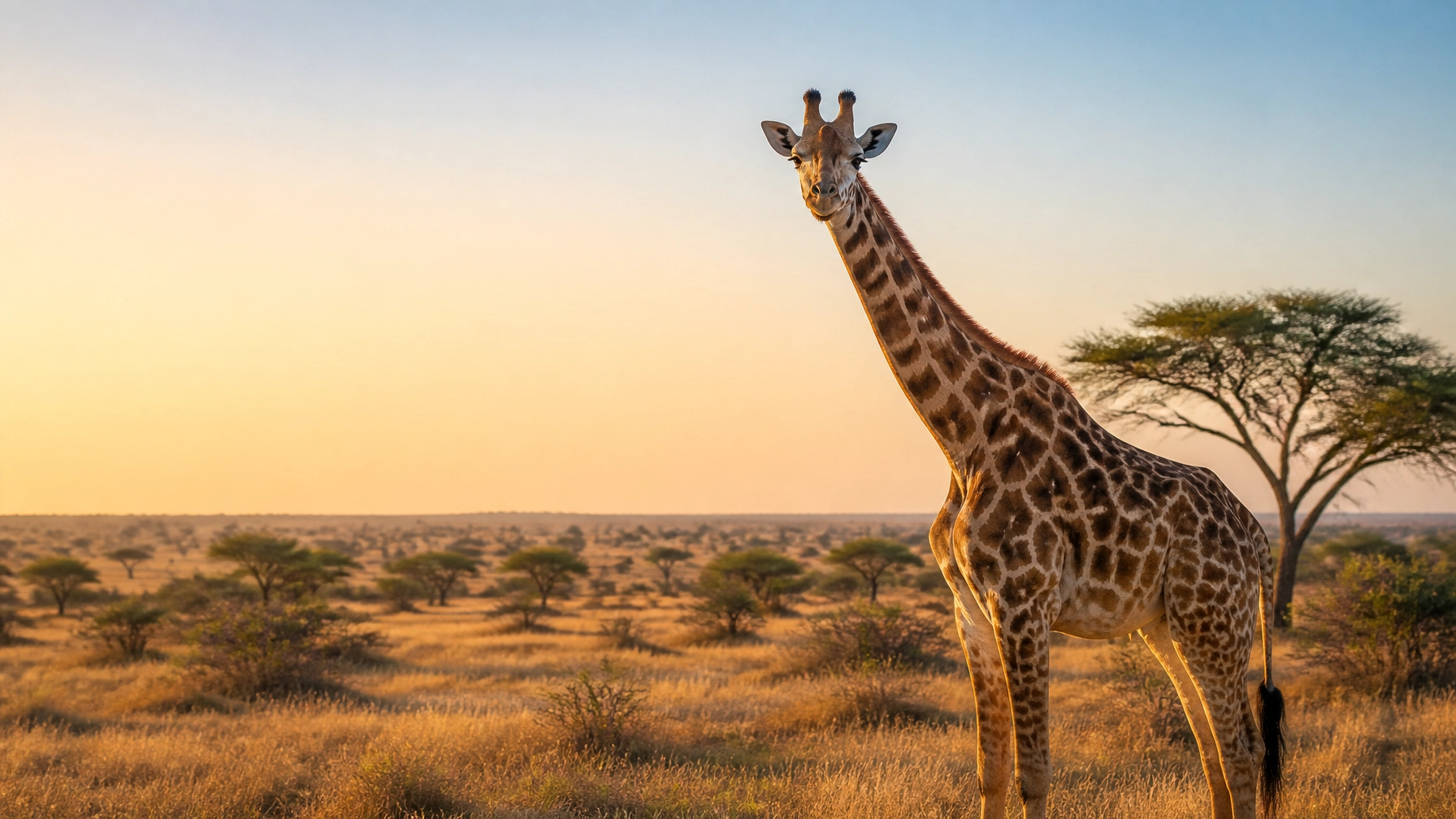
Giraffes bring scale and personality to visual projects.
Their height creates strong compositions. Their patterns add texture. Their calm behavior works well in educational, conservation, and visitor-focused campaigns.
For marketers, giraffe photography can support:
- Exhibit pages
- Social media posts
- Conservation campaigns
- School materials
- Fundraising appeals
- Zoo websites
- Sponsored species content
- Digital signage
A giraffe also gives audiences an immediate point of connection. Most people recognize the animal at once. The challenge is showing more than a tall animal in a field.
Good photography captures behavior, relationships, habitat, and small details.
A lowered head.
A curious look.
A calf moving beside its mother.
A group crossing open grassland.
These moments give the image a clear story.
Browse the Zoo Imagery giraffe collection for animal photography in both landscape and portrait formats.
Giraffe Conservation Facts
Giraffes are listed as Vulnerable on the IUCN Red List.
The current conservation picture is more detailed than one overall population number. The IUCN recognizes four giraffe species, and their populations differ widely.
According to the Giraffe Conservation Foundation’s State of Giraffe 2025 report:
- Around 140,000 giraffes remain in the wild across Africa.
- Four giraffe species are recognized.
- Northern giraffes number roughly 7,000.
- Reticulated giraffes number roughly 20,900.
- Masai giraffes number roughly 43,900.
- Southern giraffes number roughly 68,800.
- Several populations are stable or increasing.
- Other populations remain in serious decline.
The main threats are direct and ongoing:
- Habitat loss
- Habitat fragmentation
- Poaching
- Human-wildlife conflict
- Roads and fences
- Drought
- Civil unrest
- Climate pressure
Conservation success is possible. Some populations have grown through better monitoring, protected habitat, community involvement, and continued field work.
The need remains clear. Giraffe stories should include the animal’s habitat and the people working to protect it.
A strong image helps audiences notice the species. A clear story helps them understand what is at stake.
For additional background, see the Giraffe Conservation Foundation’s giraffe facts.
Behind the Lens: Photographing Giraffes
Giraffes are not difficult to notice.
They can be difficult to photograph well.
Their height changes the relationship between the subject and the camera. A low angle can make the animal feel imposing. An eye-level frame can feel more personal. A wider landscape can show the animal’s role within its habitat.
Wildlife photographers should give the animal space.
No staged movements.
No artificial lighting.
No forced interaction.
The best photographs come from waiting for natural behavior.

Practical photography notes
Use a telephoto lens
A long lens helps create detailed portraits without moving too close. It also supports respectful photography from a safe distance.
Watch the background
Giraffes can disappear into busy woodland or tall grass. Clean backgrounds keep attention on the animal. Open sky, soft foliage, or distant trees can work well.
Look for gesture
The position of the ears, neck, head, and tail changes the image. A giraffe reaching for leaves creates a different message from one looking directly toward the camera.
Keep the light natural
Early morning and late afternoon light reveal coat patterns without flattening the image. Harsh midday light can still work, especially for documentary scenes, but it requires careful exposure.
Photograph relationships
A single giraffe creates a strong portrait. A group creates context. An adult beside a younger giraffe adds a clear family story.
Capture vertical and horizontal options
Portrait images work well for mobile posts, stories, posters, and cover images. Landscape images support websites, presentations, banners, and digital displays.
The goal is simple: show the animal clearly and preserve the setting around it.
Sponsored Species Spotlight: Giraffes
Giraffes are a natural fit for sponsored species campaigns.
Their appearance draws attention. Their conservation needs provide a clear educational message. Their habitat connects easily to broader conversations about biodiversity, land use, and community conservation.
A sponsored giraffe spotlight can include:
- A named animal
- A short biography
- A habitat overview
- A conservation fact
- A keeper or researcher quote
- A visitor photo prompt
- A sponsor message
- A direct conservation action
Keep the message easy to follow.
The animal: Who is being featured?
The threat: What pressure does the species face?
The response: What are conservation teams doing?
The visitor’s role: What can the audience learn, share, or support?

A sponsor does not need to dominate the story. The animal should remain central.
The sponsor can be identified through a simple “Presented by” label, a short supporting message, or a linked conservation page.
This format works across:
- Exhibit panels
- Digital campaigns
- Email newsletters
- Social media
- Donor communications
- School resources
- Seasonal visitor programs
Use one strong photograph. Add a few verified facts. Make the next step clear.
“Presented by” Animal Pages
A “Presented by” animal page gives a species campaign one stable home.
It can bring together the animal’s images, facts, sponsor information, conservation updates, and visitor actions.
For giraffes, the page might include:
- A hero photograph
- Species and population information
- Animal profiles
- Habitat details
- Conservation partners
- Sponsor recognition
- Visitor-generated photographs
- Links to educational resources
- A simple share option
The page should be easy to scan.
Short sections.
Clear headings.
Strong images.
Useful links.
Zoo Imagery can provide the photography foundation for these pages. The giraffe category page can support a broader collection, while a dedicated “Presented by” page can focus on one zoo, one animal, or one conservation campaign.
The same structure can work for lions, elephants, wild tigers, birds, fish, pandas, hyenas, and polar bears.
ZooMedia.us: Turning Visitor Photos Into Engagement
Professional animal photography gives a campaign consistency.
Visitor photography gives it participation.
The ZooMedia.us phone app helps zoos and aquariums turn guest photos into shareable content. Visitors can take photos during their visit and distribute them through digital channels.
For a giraffe campaign, a zoo could place a simple prompt near the habitat:
Take a photo. Share the moment. Learn about giraffes.
The campaign could then collect guest images for:
- Social media
- Digital photo walls
- Exhibit screens
- Email content
- Species spotlights
- Post-visit messages
- Conservation storytelling
ZooMedia.us also provides real-time engagement results and ROI tracking. Marketing teams can see which animals, exhibits, or campaigns receive attention.

A useful workflow:
- Add a clear photo prompt near the giraffe habitat.
- Link the prompt to ZooMedia.us.
- Collect and review visitor submissions.
- Share selected images with proper permission and credit.
- Pair the photos with one short conservation fact.
- Track engagement.
- Use the results to improve the next campaign.
The result is a more active visitor experience.
Guests do not only view the story. They help create it.
A Simple Giraffe Campaign Structure
A zoo or aquarium marketing team can build a giraffe campaign with five pieces:
1. One strong image
Use a clear portrait or habitat photograph.
2. One animal detail
Name the giraffe. Share an observed behavior. Give visitors something specific to remember.
3. One conservation fact
Keep it accurate and brief.
4. One visitor action
Take a photo. Scan a code. Share a story. Visit the page.
5. One measured result
Track views, shares, submissions, clicks, or other useful activity.
This structure keeps the campaign focused.
It also gives sponsors, educators, and visitors a shared point of reference.
Explore Zoo Imagery
Zoo Imagery provides high-quality animal photography for creative professionals, marketers, content creators, zoos, and aquariums.
The library includes diverse animal categories and both landscape and portrait formats. Use it when you need a strong campaign image, a cleaner website banner, or a dependable visual for an educational project.
For more animal photography and zoo marketing notes, connect with Zoo Imagery on LinkedIn.
A good giraffe image starts the conversation.
A clear conservation story gives it purpose.


