
Boost Your Zoo's Impact Instantly with These 5 Daily Wildlife Marketing Tips
Your zoo's marketing doesn't need a massive overhaul. It needs daily momentum.
Most wildlife organizations overthink their marketing strategy. They chase complex campaigns while missing simple, repeatable actions that compound over time. The zoos making the biggest impact? They're doing five things consistently, every single day.
Here's what works.
1. Post Visual Content That Stops the Scroll
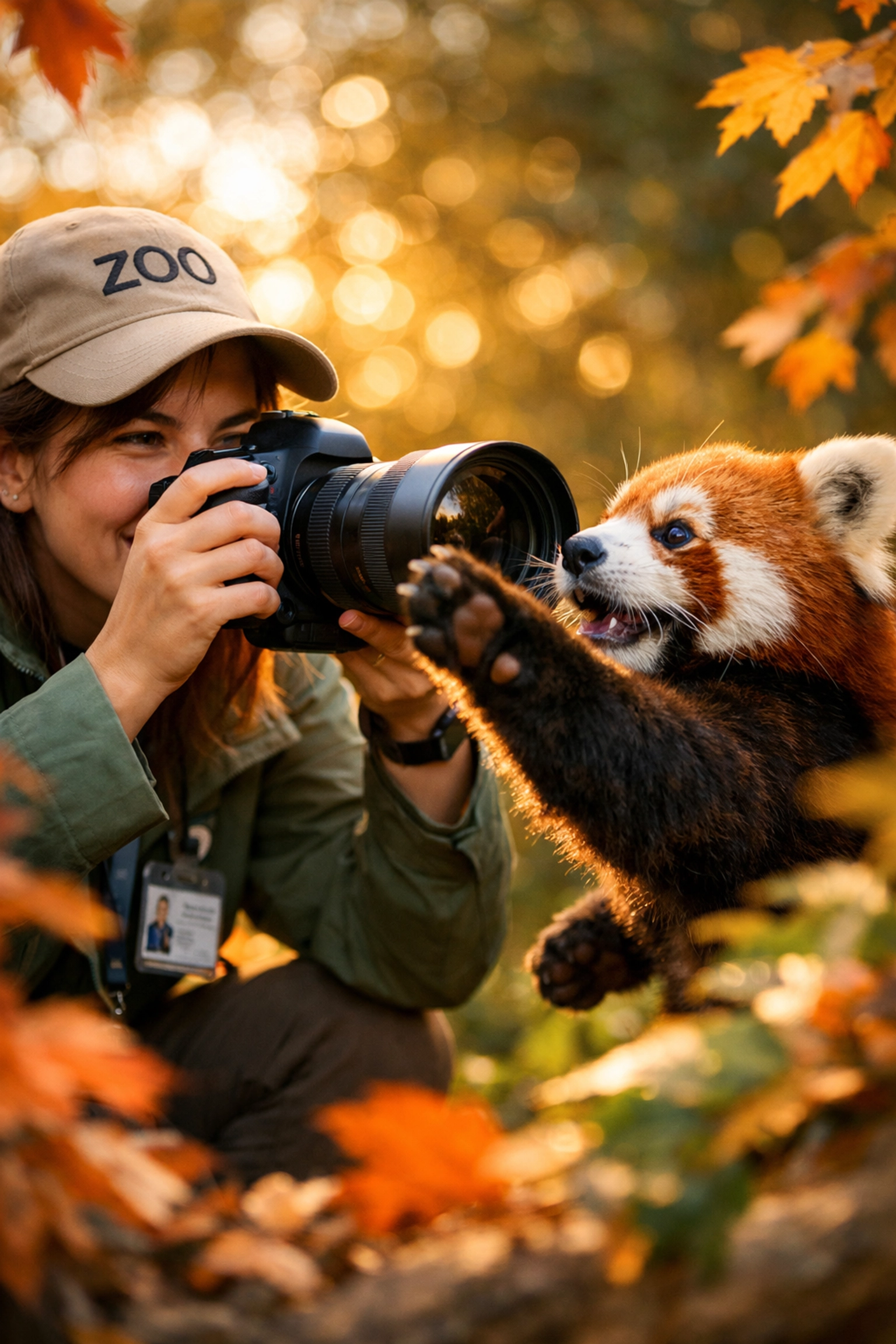
Your animals are already compelling. Show them.
Every day, share one piece of visual content that captures attention immediately. A red panda mid-leap. A keeper's genuine laugh during feeding time. Morning light hitting the giraffe habitat.
Skip the overthought captions. Let the image do the work.
What to post:
- Behind-the-scenes moments
- Animal behavior that surprises people
- Staff interactions that show genuine care
- Seasonal changes in habitats
People don't scroll social media for information. They scroll for feeling. Give them something worth pausing for.
The conservation message comes naturally when your content is worth sharing. You're not interrupting their day: you're enhancing it.
2. Tell One Conservation Story Daily
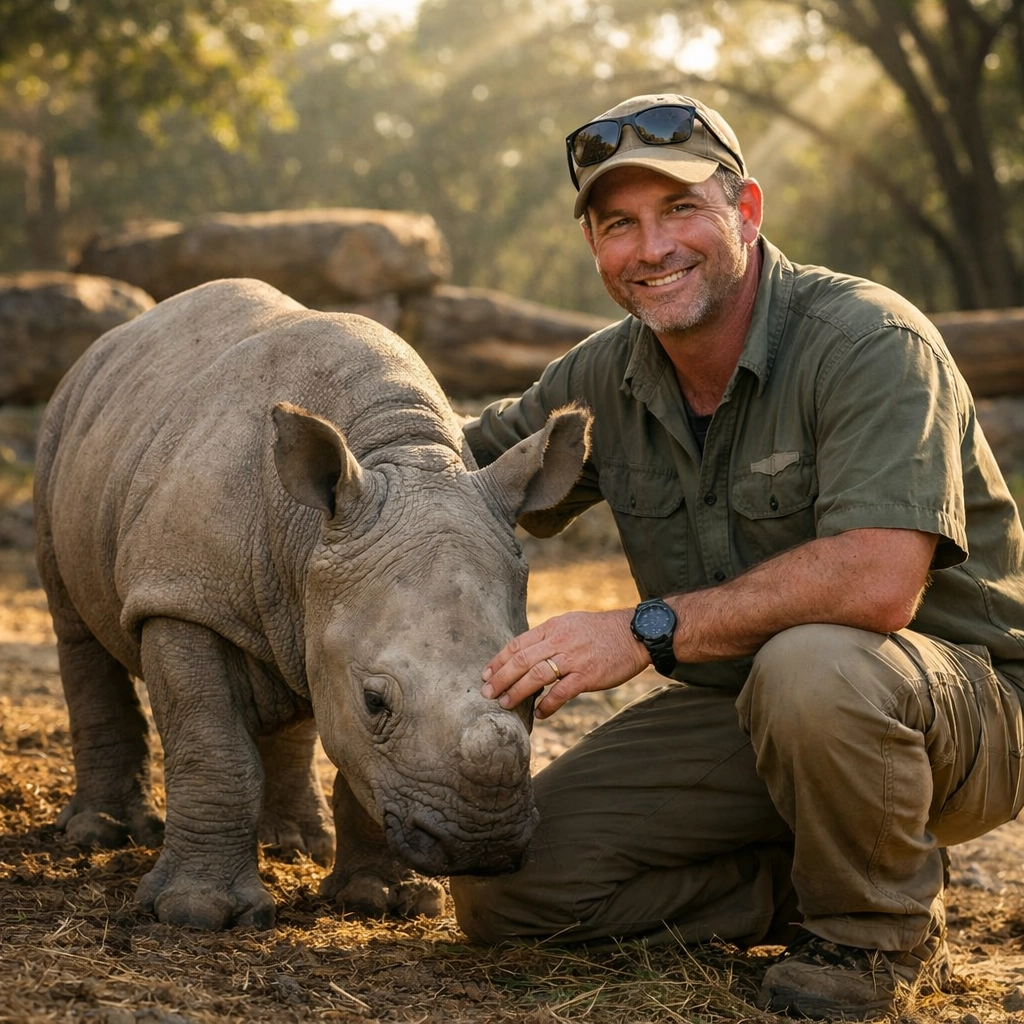
Every animal in your care has a story. Tell it.
Pick one species. Share what's happening with their wild populations. Explain your breeding program in plain language. Show the restoration work happening behind the scenes.
Keep it direct:
- What species
- Why it matters
- What you're doing
- Where people can learn more
Your visitors remember stories, not statistics. A single narrative about a successful breeding program does more than a dozen generic posts about "conservation efforts."
This isn't about making people feel guilty. It's about making them feel connected to something bigger.
Story-driven content creates community ownership. When people know the southern white rhino calf was born after years of careful breeding programs, they're invested. They bring friends. They talk about your work at dinner parties.
3. Send Targeted Email Updates
Email still works. Most zoos just do it wrong.
Send daily updates to specific audience segments. Families with young kids get different content than college students or retirees.
Segment by interest:
- Families seeking weekend activities
- Educators looking for field trip opportunities
- Donors tracking conservation impact
- Local members wanting insider access
Keep messages short. One topic per email. Clear next step.
Your zoo serves different needs for different people. Stop sending everyone the same generic newsletter. A teacher planning a field trip doesn't care about your evening wine event. A couple on date night doesn't need curriculum guides.
Match the message to the person. Response rates climb when relevance climbs.
4. Check Your Data Every Morning

Marketing without data is guessing.
Spend 10 minutes each morning reviewing:
- Which social posts performed best yesterday
- Peak website traffic times
- Most-visited exhibit pages
- Email open rates from recent sends
Then adjust today's efforts based on what you learn.
Notice your penguin content always outperforms everything else? Give people more penguins. See traffic spike at 7 PM on weeknights? Schedule your social posts accordingly. Find that Tuesday emails get opened more than Friday emails? Shift your send schedule.
Data shows you what your audience actually wants: not what you think they want.
Most zoos make marketing decisions based on internal preferences. "We should promote the new exhibit." "We haven't posted about the reptile house lately." The data often tells a different story.
Listen to it.
5. Create Interactive Touchpoints
Static exhibits are fine. Interactive experiences are memorable.
Add one digital touchpoint each week:
- QR codes linking to species information
- Short video clips viewable on-site
- Social media prompts at photo-worthy spots
- Quick polls about conservation choices
Make participation effortless. The easier the interaction, the higher the engagement.
When visitors actively participate in their experience, they remember it longer and share it wider. They're not just walking past enclosures: they're learning, deciding, contributing.
These touchpoints also generate data. You learn which animals fascinate people most, what information they seek, how they prefer to engage.
Digital integration isn't about replacing the in-person experience. It's about enhancing it without interruption.
The Daily Marketing Habit
These five actions take less than two hours combined. Do them consistently, and your zoo's visibility compounds.
Most organizations fail at marketing because they treat it like a project with a finish line. They launch a campaign, then wait for results. Marketing is a practice, not a project.
Your daily checklist:
- Morning: Review yesterday's data (10 minutes)
- Mid-morning: Post visual content (15 minutes)
- Afternoon: Write and schedule tomorrow's conservation story (30 minutes)
- Late afternoon: Draft and segment next email (45 minutes)
- End of day: Check one digital touchpoint (20 minutes)
Small actions, repeated daily, create momentum that sporadic campaigns never match.
Your marketing impact doesn't come from perfect strategy. It comes from consistent execution of good-enough tactics.
Make Your Content Work Harder
Need high-quality wildlife photography for your marketing? Professional images make every post, email, and campaign more effective.
Visit Zoo Imagery for wildlife photography that tells your conservation story clearly.
Connect with us on LinkedIn for weekly marketing insights designed specifically for zoos and aquariums.
Start with one tip today. Add another tomorrow. Build the habit before you perfect the system.
Your animals deserve an audience. These five daily actions help you reach them.


