Boost Your Reach Instantly with These 5 Sustainable Wildlife Stock Photo Tips
Visuals drive engagement.
In the zoo and aquarium world, the right image tells a story.
The wrong one creates doubt.
Modern audiences look for authenticity.
They want to see animals thriving in natural-looking spaces.
They want to know the photo was taken with respect.
Sustainable wildlife photography isn't just about ethics.
It is about better marketing.
It is about building trust with your donors and visitors.
Here are 5 tips to improve your reach using sustainable stock photo practices.
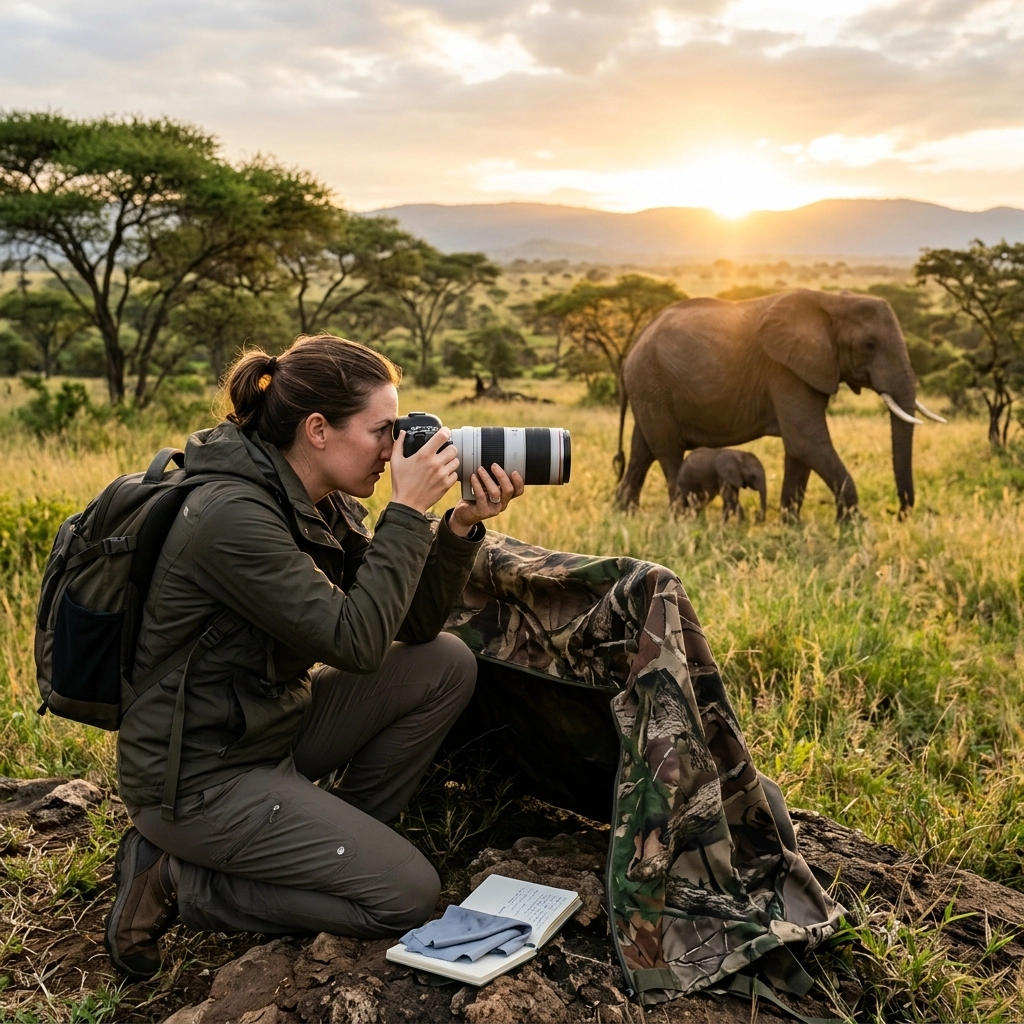
1. Maintain Distance with Telephoto Lenses
Intrusion ruins the moment.
When a photographer gets too close, animals change their behavior.
They might look at the camera with stress.
They might stop eating.
They might hide.
The Solution:
- Use 400mm or 600mm lenses.
- Keep a physical buffer.
- Let the animal forget you are there.
Why it boosts reach:
Authentic behavior sells.
A photo of a polar bear resting naturally is more powerful than one where the bear looks startled.
Natural shots feel calm.
They fit perfectly into conservation storytelling.
They make your audience feel like they are witnessing a private moment in nature.
2. Document Natural Feeding Patterns
Baiting is a shortcut.
It leads to staged photos.
It can also harm the animal’s health or make them dependent on humans.
Ethical marketing avoids these shortcuts.
The Strategy:
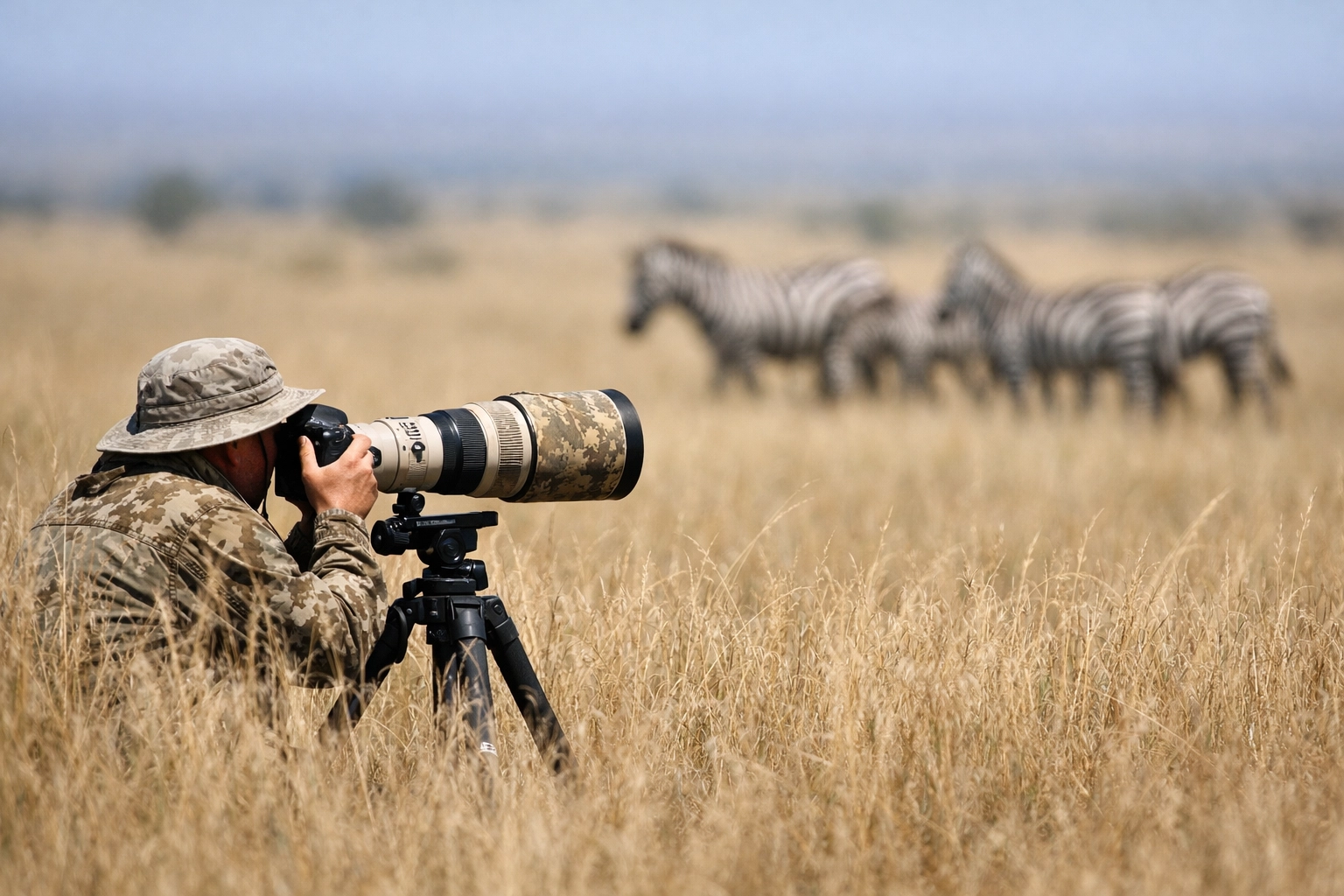
- Stake out natural feeding areas.
- Learn the animal's schedule.
- Wait for the interaction to happen on its own.
The Marketing Insight:
Donors are savvy.
They can tell when a shot is "too perfect" or forced.
Real feeding patterns show the animal's ecology.
For a panda campaign, showing natural foraging highlights habitat quality.
It aligns with your environmental goals without using empty buzzwords.
It proves you respect the animal's wild nature.
3. Prioritize Patience Over Volume
Digital storage is cheap.
Patience is expensive.
Many photographers take thousands of shots hoping for one good one.
This often leads to unnecessary movement and noise.
The Approach:
- Sit still.
- Blend in.
- Wait for the light.
- Wait for the movement.
The Data:
High-quality, thoughtful images consistently outperform bulk content.
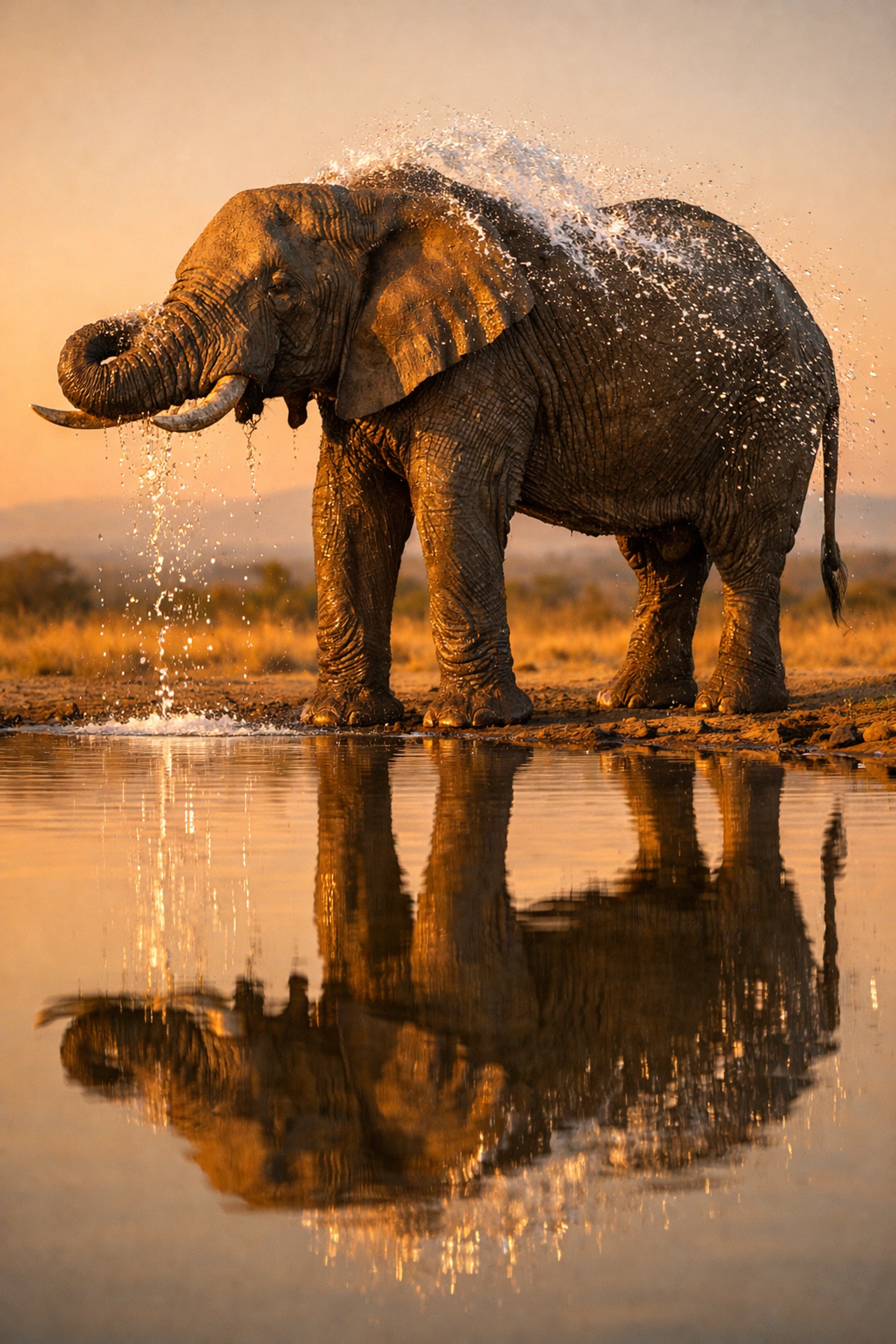
One "hero" image of elephants interacting at a waterhole is worth more than a hundred static profiles.
Quality over quantity keeps your social feeds clean.
It makes your brand look premium.
It shows you value the animal’s time as much as your own.
4. Follow Local Regulations and Use Guides
Every location has rules.
Some have drone bans.
Some require permits.
In many regions, strict distances are mandatory: like the 7-meter rule for gorillas.
The Checklist:
- Research local laws before shooting.
- Hire local conservation guides.
- Respect no-fly zones for drones.
The Marketing Benefit:
Legal and ethical compliance is a safety net for your brand.
Using images that follow these rules ensures your campaigns are never "canceled" for unethical practices.
It allows you to state: with honesty: that your media production aligns with your mission.
Transparency builds long-term loyalty.
5. Skip the Flash and Leave No Trace
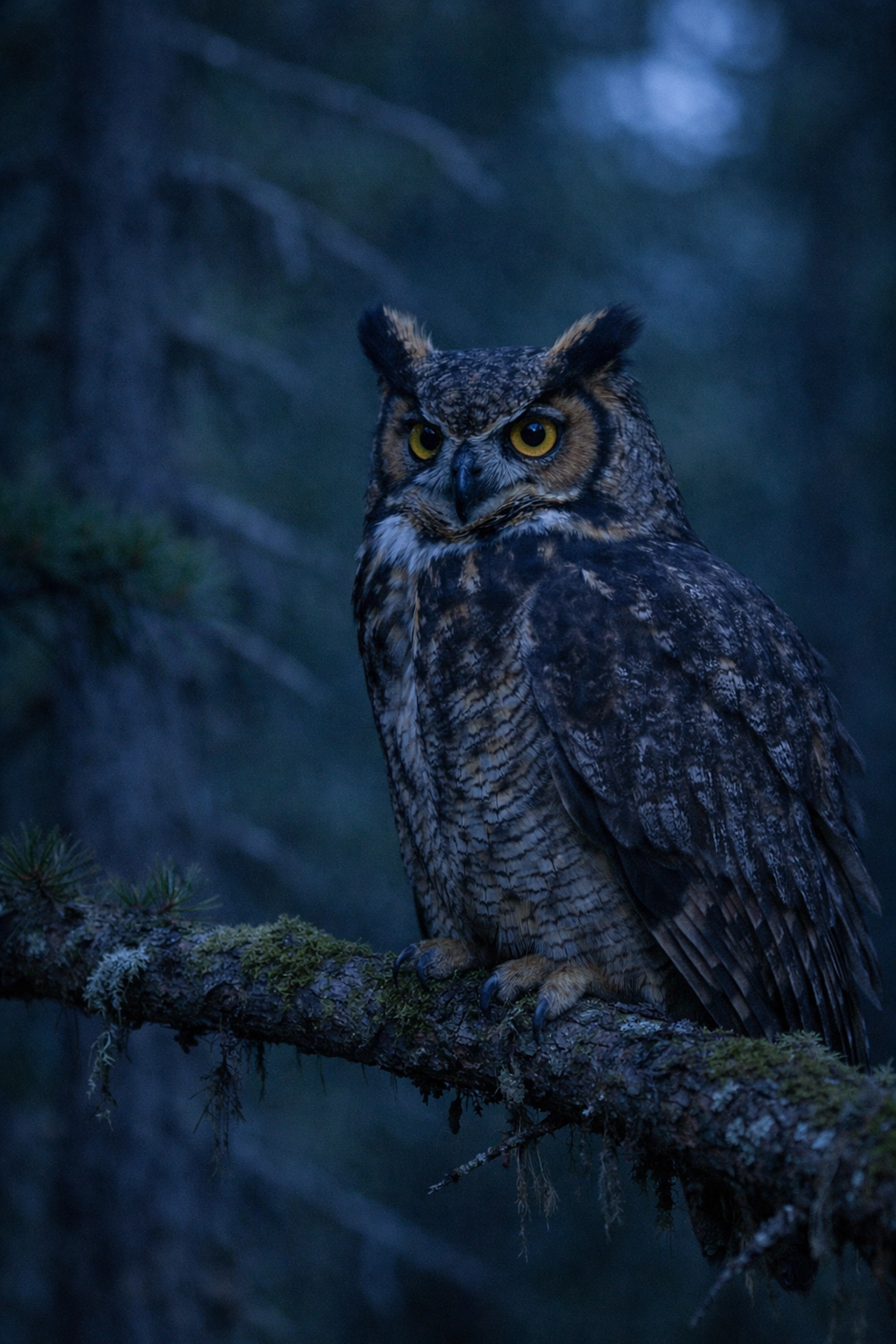
Flash photography is disruptive.
It can blind nocturnal species.
It startles birds.
It creates a "paparazzi" environment that is the opposite of sustainable.
The Rules:
- Use natural light.
- Adjust ISO settings for low light.
- Carry out everything you carry in.
- No leftover food. No batteries. No trash.
The Result:
Your images will have a natural, soft aesthetic.
This look is currently trending in digital media.
It feels more "organic" and less "corporate."
Clean backgrounds and natural lighting make for better overlays in your marketing materials.
Marketing Insights for Zoos and Aquariums
Visuals are the bridge between your facility and the public.
How you use these sustainable images matters.
"Presented by" Species Spotlights
Use high-quality stock photography for sponsored animal pages.
When a corporate partner sponsors a species, they want high-end visuals.
Sustainable photos of hyenas or birds give the partner a sense of pride.
It connects their brand to ethical conservation.
ESG-Aligned Campaigns
Most corporations have environmental and social standards to meet.
They need content that reflects these values.
By providing images taken under sustainable conditions, you help them meet their goals.
You are not just providing a photo.
You are providing a solution that fits their ethical framework.
Simplified Storytelling
Don’t over-explain your conservation efforts.
Let the photo do the work.
A photo of an animal in a lush, undisturbed environment speaks louder than a paragraph about habitat restoration.
Use short fragments in your captions.
Let the content breathe.
Species Spotlight: The Power of Authenticity
Consider the visual needs of different species.
- Elephants: Focus on family bonds. Wide shots showing the herd.
- Birds: Focus on flight or natural nesting. Avoid close-ups that look staged.
- Polar Bears: Focus on the environment. The vastness of the ice highlights the need for protection.
Each image should feel like a window into their world, not a display.

Quality Over Quantity
At Zoo Imagery, we believe in the power of the right image.
We focus on media that respects the subject.
Simple.
Direct.
Effective.
Sustainable photography is a commitment to the future.
It ensures that the animals we document today are still here to be photographed tomorrow.
It ensures your marketing remains relevant in a world that values ethics.
Next Steps for Your Reach
- Audit your current library. Remove images that look forced or intrusive.
- Update your species pages. Use high-resolution, naturally-behaved shots.
- Align with partners. Share your commitment to sustainable imagery.
Visit zooimagery.com to find media that fits your mission.
Connect with us on LinkedIn to stay updated on wildlife trends and marketing insights.
Zoo Imagery
Simple. Professional. Wildlife.


