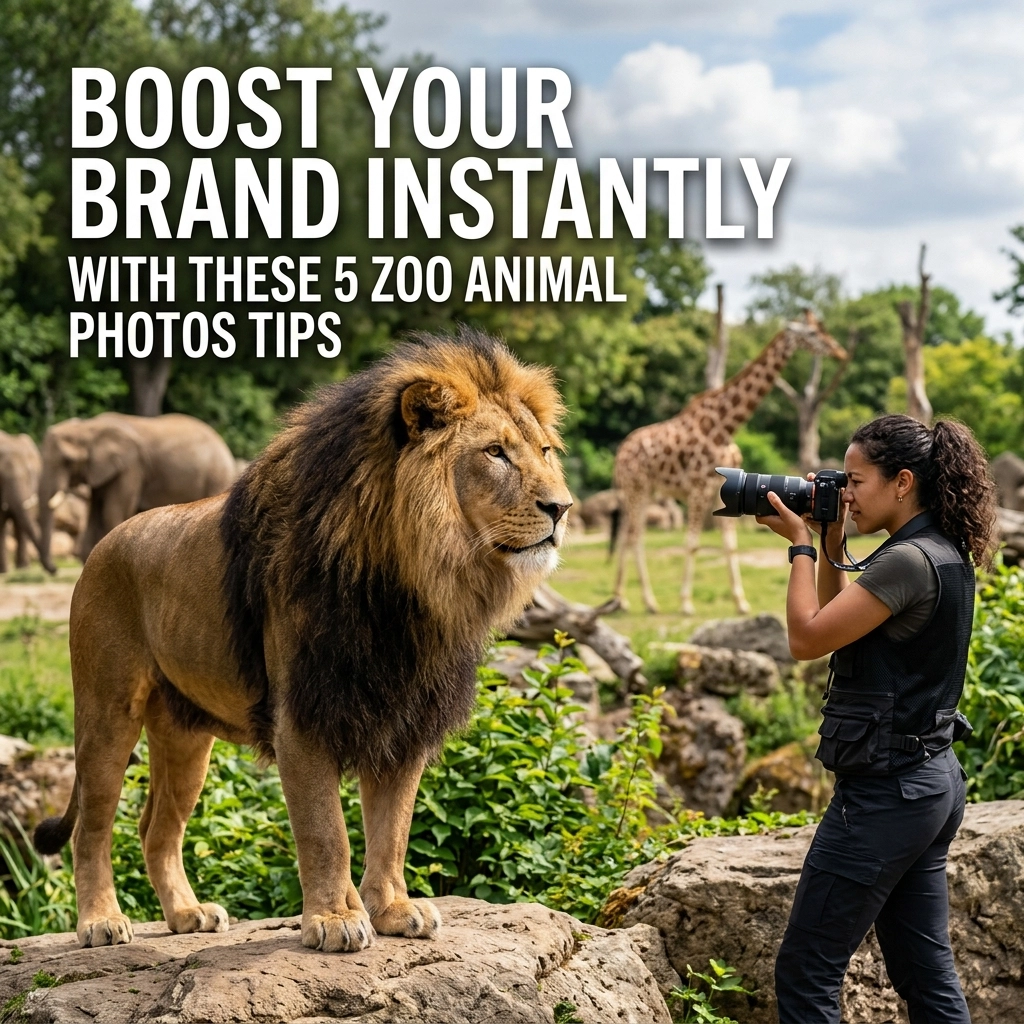
Boost Your Brand Instantly with These 5 Zoo Animal Photos Tips
Branding is a visual game.
For a zoo or aquarium, the animals are the brand. High-quality imagery determines how the public perceives your mission. Low-quality photos look amateur. High-quality photos look like an authority.
Professional animal photography is a tool. Use it to build trust. Use it to drive engagement.
At Zoo Imagery, we provide the assets you need. Stock photography that works.
Here are 5 tips to boost your brand using animal photos.
1. Focus on the Eyes
The eyes are the connection point.
When a visitor looks at a photo, they look for the eyes first. If the eyes are sharp, the photo succeeds. If they are blurry, the photo fails.
Why it matters for your brand:
- Emotional connection.
- Conveys personality.
- Establishes trust.
A sharp eye makes the animal feel present. It tells a story without words. Whether it is a panda or a bird, the focus remains the same.
In marketing, clarity equals professionalism. Soft focus on the eyes makes your brand look distracted. Keep it sharp. Keep it direct.

2. Prioritize Natural Lighting
Flash is the enemy of professional zoo photography.
Flash creates flat images. It causes reflections on glass. It can stress the animals.
Natural light is better. It creates depth. It shows texture.
Best practices:
- Shoot during the "Golden Hour."
- Utilize overcast days for diffused light.
- Avoid direct midday sun.
Diffused light is flattering. It softens shadows. It highlights the natural colors of the species.
High-end marketing requires high-end lighting. If your photos look like a visitor’s cell phone shot, your brand loses value. Professional stock photography from zooimagery.com ensures your lighting is always optimal.
3. Find Unique Perspectives
Standard shots are boring.
Everyone takes a photo from the same viewing platform. Your brand should not look like everyone else.
How to differentiate:
- Get low. Shoot at the animal's eye level.
- Look for less-traveled areas.
- Capture action, not just resting poses.
Changing the angle changes the narrative. A low-angle shot of a lion makes it look powerful. A high-angle shot makes it look small.
Choose the angle that fits your brand message. If you are focused on conservation and protection, intimate, eye-level shots work best. They create empathy.

4. Eliminate Barriers
Cages and glass are distractions.
A photo with a visible fence reminds the viewer of captivity. A photo that eliminates the barrier emphasizes the animal's spirit.
Techniques to use:
- Place the lens close to the mesh.
- Use a wide aperture to blur the background.
- Crop tightly in post-production.
Your brand should feel immersive. You want the viewer to feel like they are in the habitat.
Clean images are easier to use in design. They work better for posters, social media headers, and brochures. A fence line in the background is visual noise. Remove the noise. Focus on the animal.
Whether you are featuring hyenas or exotic reptiles, the goal is a clear, unobstructed view.
5. Strategic Integration
Great photos need a purpose.
Don't just post a photo. Use it to support your business goals.
"Presented by" Animal Pages
This is a high-value branding opportunity.
Partner with a local business. Create a digital animal page.
"The African Elephant, Presented by [Local Brand Name]."
Use professional imagery to make the partner look good. If the photo is mediocre, the sponsorship feels cheap. If the photo is world-class, the sponsorship feels like a premium partnership.
Sponsored Species Spotlights
Focus on one animal. Share their story.
Use these spotlights for ESG (Environmental, Social, and Governance) reporting.
Companies want to be associated with conservation. Give them a beautiful photo to share on their own LinkedIn profiles.
Multi-Channel Use
One great photo can be used:
- On your website.
- In your email newsletter.
- On physical signage.
- In social media ads.
Consistency is key.

Why Professional Media Matters
The digital landscape is crowded.
Zoos are competing for attention. Not just with other zoos, but with every other form of entertainment.
Quality imagery is the differentiator.
It communicates that you are a serious institution. It shows you value the animals in your care. It makes people want to visit.
At Zoo Imagery, we specialize in this. We understand the specific needs of the industry. We provide simple, effective media solutions.

Enhancing Conservation Storytelling
Conservation is your mission.
It is hard to talk about conservation without showing what is being saved.
Photos should highlight the beauty and the fragility of the species. Use images that show the animal in a natural-looking environment.
This helps with your ESG goals. Corporate partners look for these details. They want to see their brand next to high-quality, impactful content.
Implementation Steps
How do you start?
- Audit your current library. Are your photos old? Are they blurry?
- Define your brand tone. Is it educational? Is it adventurous?
- Source professional assets. Visit zooimagery.com to find specific species.
- Update your touchpoints. Start with your most-visited web pages.
- Measure engagement. Watch how visitors respond to better visuals.
Summary of Tips
- Eyes: Create the emotional bridge.
- Light: Use natural light for a premium feel.
- Angle: Change perspective to stand out.
- Barriers: Remove distractions for an immersive experience.
- Strategy: Use "Presented by" pages and spotlights to drive revenue.

Connect with Us
Building a visual brand takes time.
We make it easier.
Zoo Imagery provides the stock photography and digital media solutions you need to succeed. Simple. Effective. Direct.
Visit zooimagery.com to browse our library.
Follow us on LinkedIn to stay updated on new species additions and branding tips.
Let's tell your story better.


