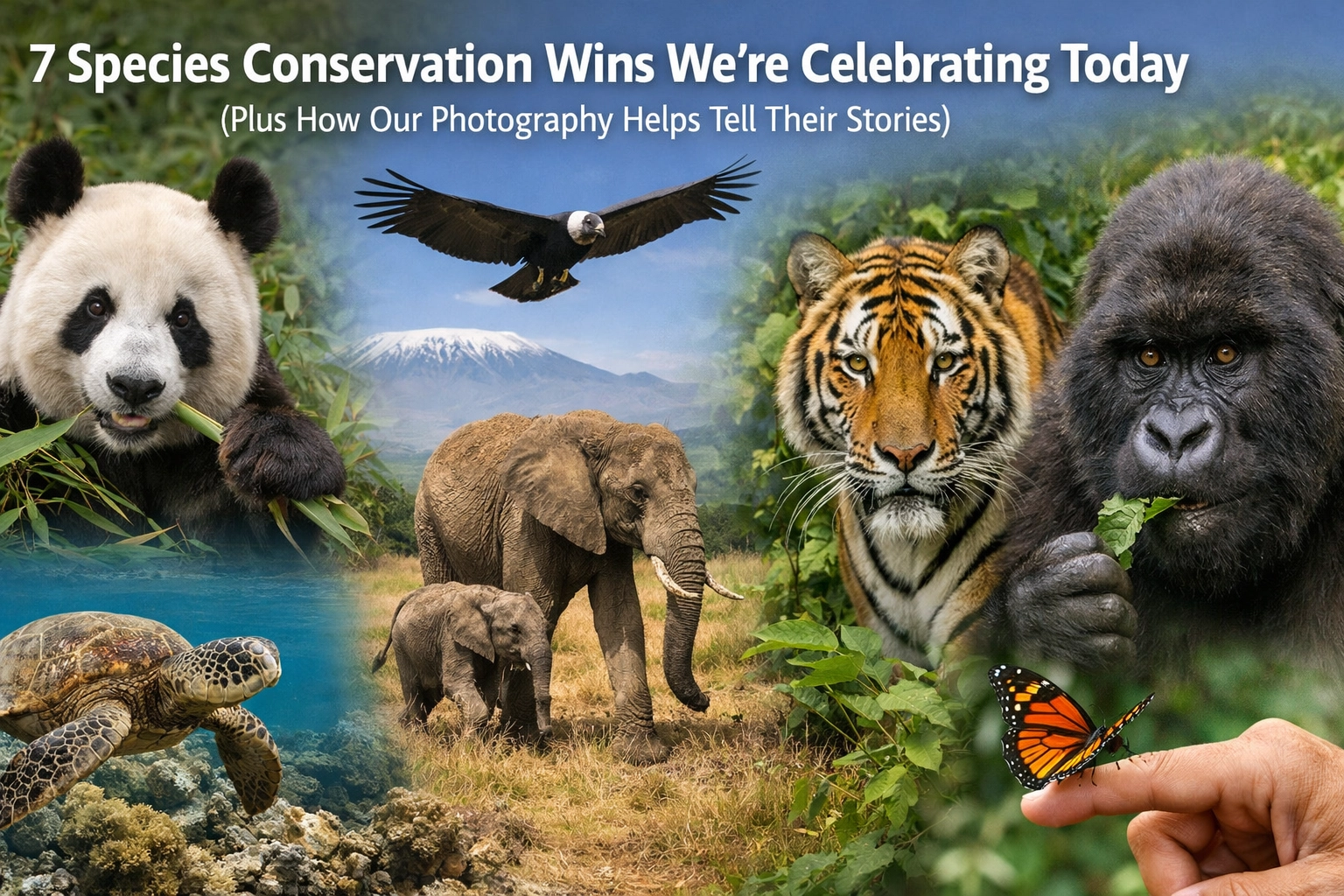
7 Species Conservation Wins We're Celebrating Today (Plus How Our Photography Helps Tell Their Stories)
Good news doesn't always make headlines. But today we're sharing seven species that beat the odds.
These conservation wins remind us why we do what we do at Zoo Imagery. Every photo tells a story. Every image can spark action.
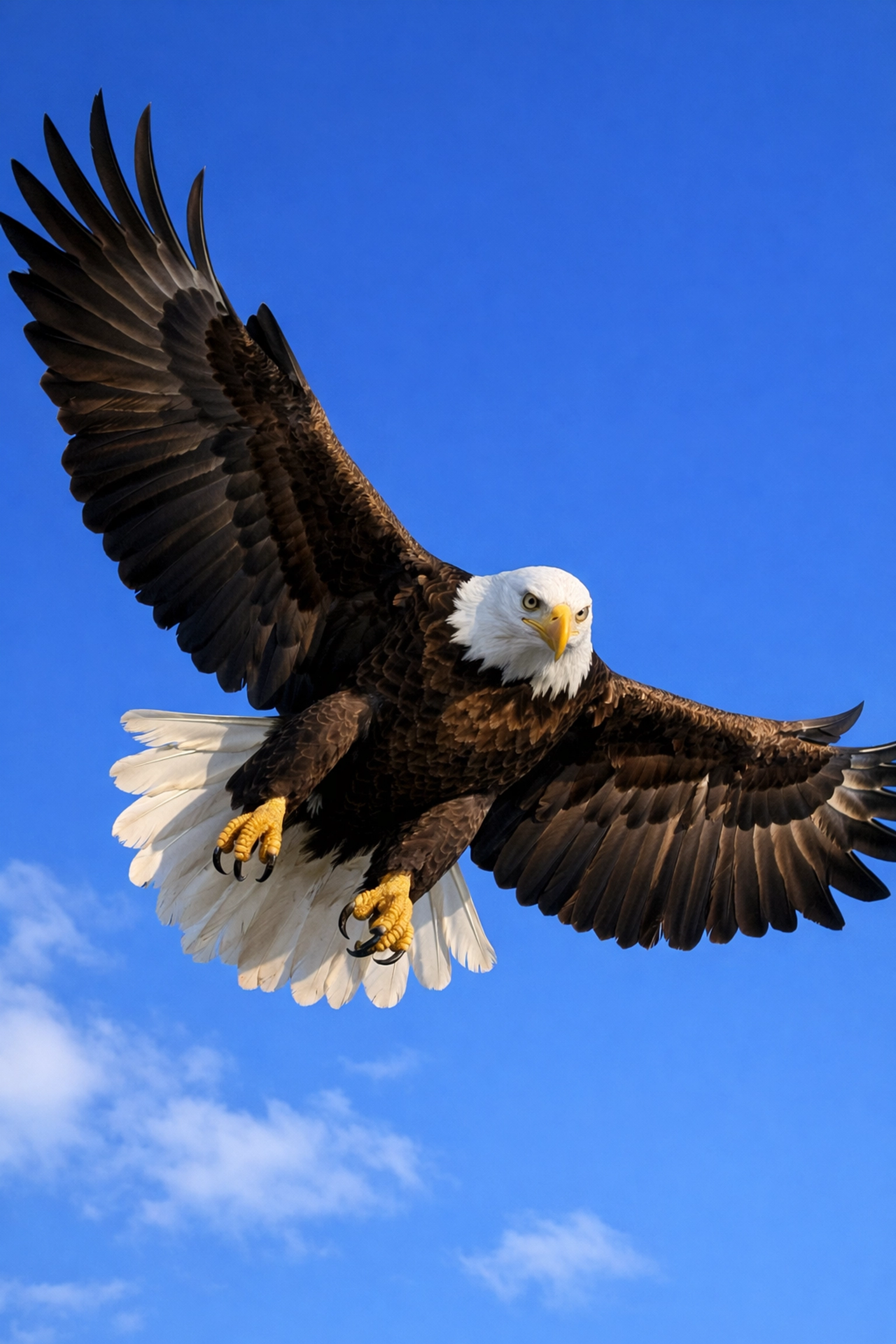
1. Bald Eagle: From Endangered to Everywhere
The bald eagle nearly disappeared from American skies in the 1970s. DDT poisoning devastated populations across the country.
Then things changed. The pesticide was banned. Legal protections kicked in. Breeding programs started working.
Today, bald eagles soar over waterways from coast to coast. Their recovery stands as one of conservation's biggest success stories.
What photography does: Eagles in flight capture attention instantly. These images drive fundraising campaigns. They appear in educational materials. They remind people that protection works.
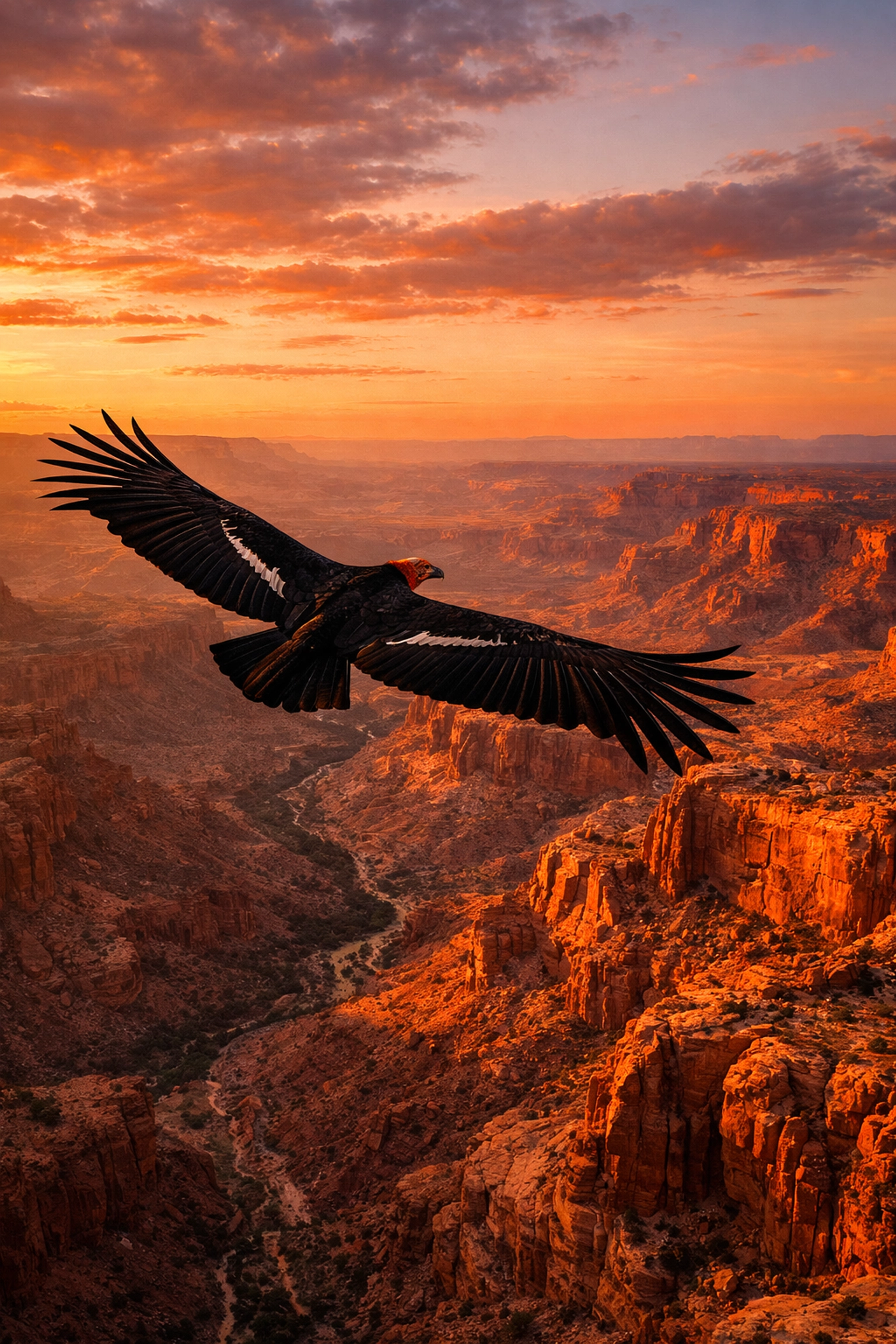
2. California Condor: Back from 27 Birds
In 1982, only 27 California condors existed. All of them.
Conservationists made a bold call: capture every remaining bird. Start breeding in captivity. Hope it works.
It did. Hundreds now fly free across California, Arizona, Utah, and Baja California. The program continues, carefully monitored.
What photography does: Condors are massive. Wingspan reaching nearly 10 feet. Photos of these birds soaring over desert landscapes tell the captive breeding story better than any chart or graph.
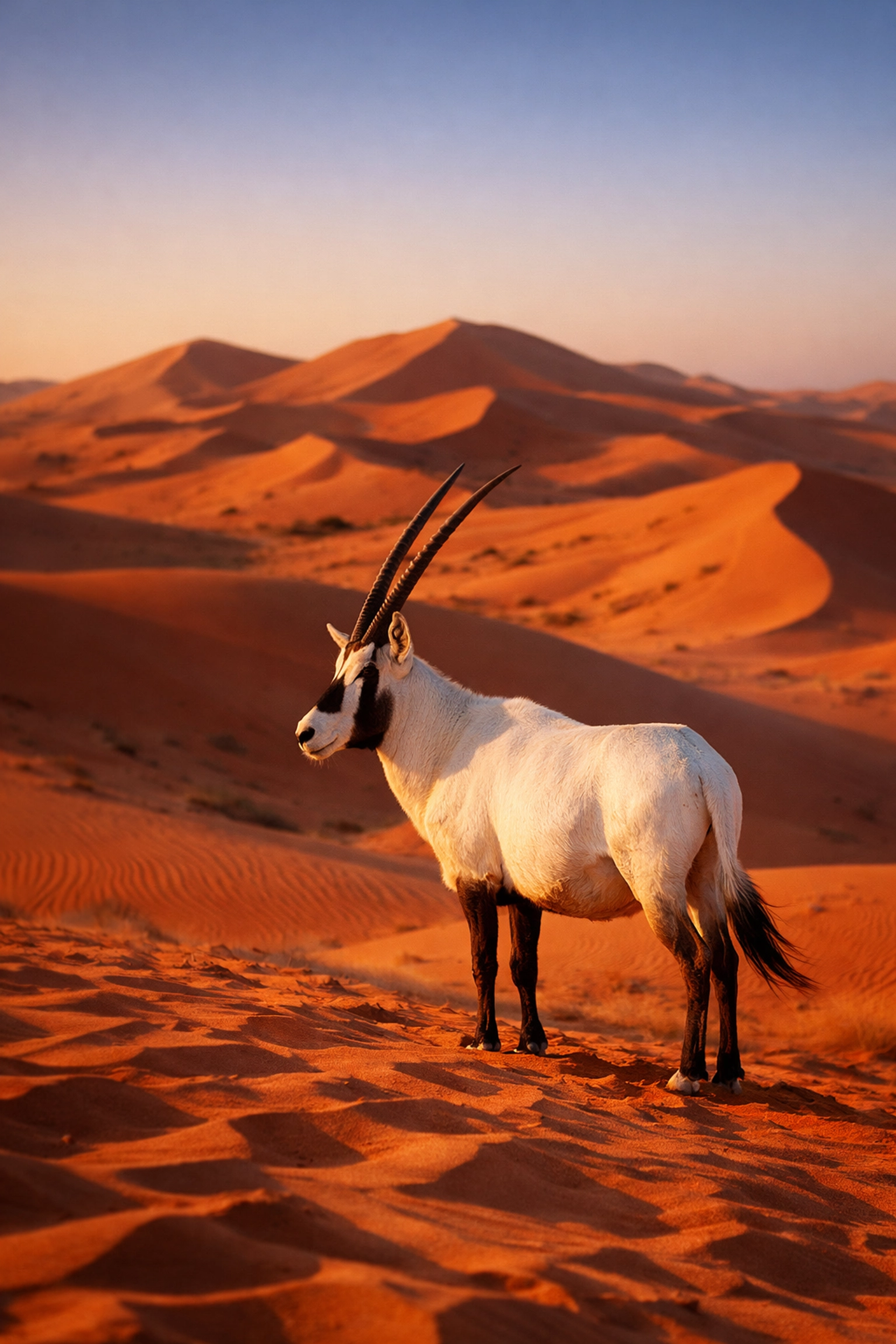
3. Arabian Oryx: From Extinct to Vulnerable
The Arabian oryx went extinct in the wild. Completely gone from their native range across the Middle East.
Zoos didn't give up. Captive breeding programs coordinated across continents. Reintroduction efforts began in Oman, UAE, Saudi Arabia, Jordan, and Israel.
Today, wild herds roam desert landscapes again. Their status improved from Extinct to Vulnerable: a journey most species never make.
What photography does: White coats against red sand. Curved horns in profile. These images showcase what was nearly lost forever. They appear in conservation reports worldwide.
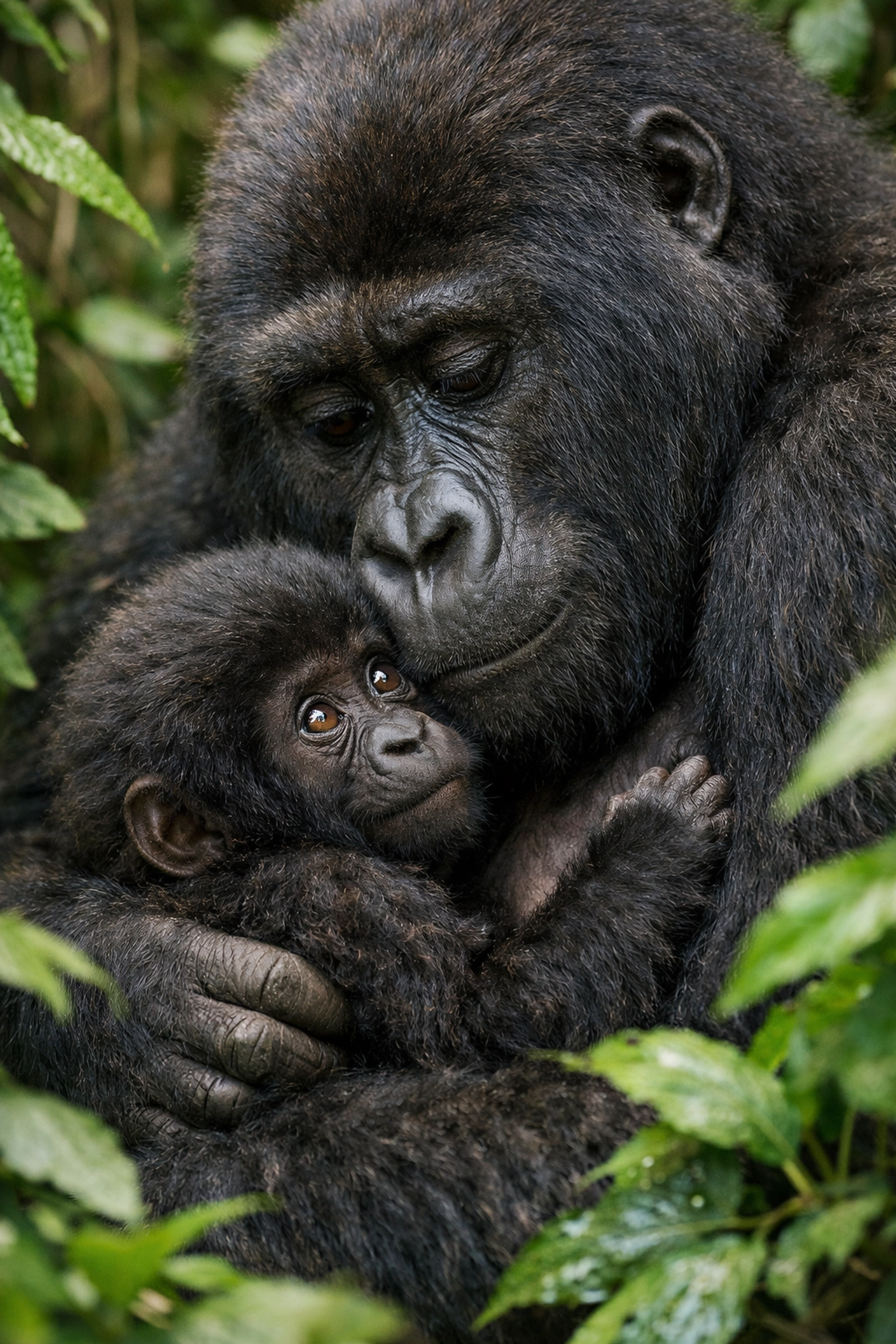
4. Mountain Gorilla: Community Conservation That Works
Mountain gorillas faced extinction in the 1970s. Poaching. Habitat loss. Civil conflict. Everything worked against them.
Then local communities got involved. Ranger programs launched. Tourism revenue started flowing to villages near gorilla habitat. Anti-poaching patrols increased.
Populations stabilized across Rwanda, Uganda, and the Democratic Republic of Congo. Numbers keep climbing.
What photography does: Gorilla family portraits create immediate emotional connection. Mother and infant shots drive donations. These images prove that community-led conservation delivers results.
5. Green Sea Turtle: Rising from the Depths
Nesting beaches worldwide saw declining turtle numbers for decades. Harvesting. Development. Fishing nets. Pollution.
Protection efforts began in 1978 in the U.S. Other countries followed. Beach monitoring programs started. Fisheries regulations changed.
Today, many nesting sites report rising numbers. The recovery continues, beach by beach.
What photography does: Hatchlings racing toward the ocean. Turtles gliding through coral reefs. These images fund beach protection programs and inspire the next generation of ocean conservationists.
6. Whooping Crane: Still Fighting, Still Flying
Whooping cranes remain endangered. But they're no longer critically at risk.
The 1960s brought captive breeding programs. Researchers tried something unusual: teaching migration routes using ultralight aircraft. It worked.
Wild populations continue growing. Every crane counts. Every nest matters.
What photography does: Cranes following ultralights. Adults teaching juveniles to forage. These images document one of conservation's most innovative approaches.
7. Greater Bermuda Snail: This Week's Win
February 7, 2026. Chester Zoo announced the Greater Bermuda Snail is safe from extinction.
This tiny snail species disappeared from Bermuda. International breeding efforts brought them back. Researchers reintroduced them successfully.
Not every conservation win makes global news. But every species matters.
What photography does: Macro photography shows details most people never see. These close-ups prove that conservation works at every scale: from condors to snails.
Why Photography Matters in Conservation
Numbers tell one story. Photos tell another.
Scientific papers reach researchers. Images reach everyone.
A graph shows population recovery. A photo shows why that recovery matters.
At Zoo Imagery, we work with zoos and aquariums documenting these stories. Professional wildlife photography serves multiple purposes:
Educational materials : Schools need engaging visuals. Textbooks require quality images. Digital learning platforms depend on authentic wildlife content.
Fundraising campaigns : Donors respond to faces. Conservation organizations need compelling visuals that drive action.
Social media reach : A well-composed photo travels further than any press release. Instagram, Facebook, LinkedIn: images start conversations.
Research documentation : Scientists track physical changes over time. Photography provides visual records of species recovery.
Public awareness : Most people will never see a whooping crane or Arabian oryx in person. Photos bridge that gap.
Our Role in the Story
We don't run breeding programs. We don't patrol habitats. We don't draft legislation.
We capture the moments that make people care.
Our photography library features hundreds of species. Many appear on conservation watch lists. Some have recovered. Others still need help.
Every image serves a purpose:
- Species identification guides
- Conservation status updates
- Educational programming
- Marketing materials for zoos driving conservation revenue
- Social media content raising awareness
Zoos and aquariums use our photography to tell their conservation stories. Animal care facilities showcase their residents. Researchers illustrate their findings. Educators bring wildlife into classrooms.
Simple, professional, authentic: that's what conservation storytelling needs.
What Comes Next
These seven wins deserve celebration. But the work continues.
Thousands of species still need help. Conservation photography plays a small but meaningful role in their stories.
We're committed to documenting that work. Partnering with facilities making a difference. Building a library that serves conservation goals.
Want to see how professional wildlife photography can strengthen your conservation message? Visit zooimagery.com or connect with us on LinkedIn.
Every species has a story. We help you tell it.


