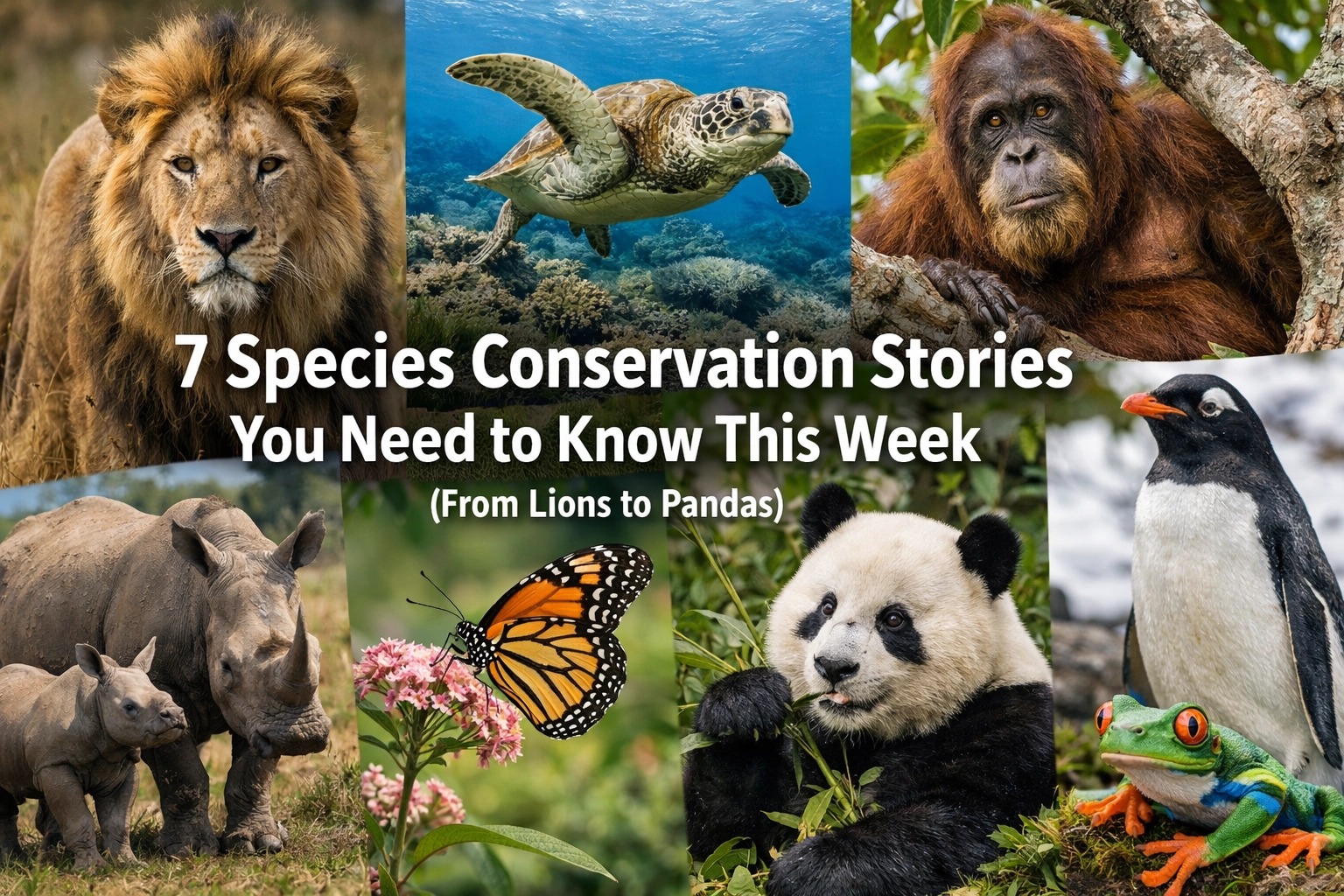
7 Species Conservation Stories You Need to Know This Week (From Lions to Pandas)
Conservation moves fast. Every week brings new developments: policy changes, habitat wins, population updates. For zoos, aquariums, and conservation marketers, these stories aren't just news. They're opportunities to connect with audiences who care.
Here are seven species conservation stories making waves this week.
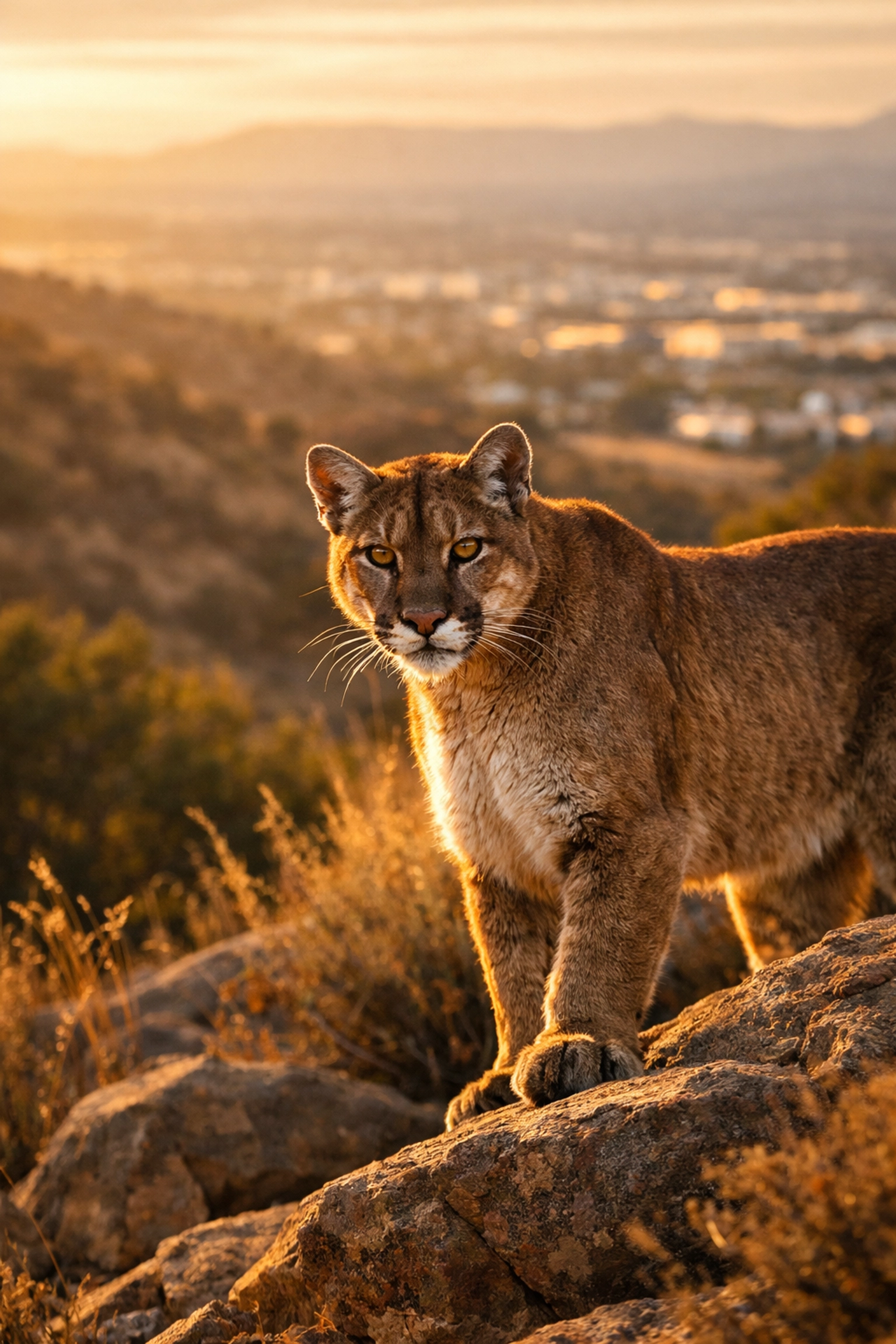
1. California Mountain Lions Get Threatened Status Vote
The California Fish and Game Commission votes February 11-12 on listing Central Coast and Southern California mountain lions as Threatened under state law.
The California Department of Fish and Wildlife supports the move.
This follows a 2019 petition by the Mountain Lion Foundation and Center for Biological Diversity. The main threats: habitat loss, fragmentation, isolation.
Mountain lions need space. Urban sprawl cuts that space into pieces.
Why it matters for visual storytelling: Mountain lion images capture attention. Especially close-ups showing their power and vulnerability. These photos help organizations explain why habitat corridors matter: without boring people with maps and data.
2. Kenya Research Shows One-Size-Fits-All Conservation Doesn't Work
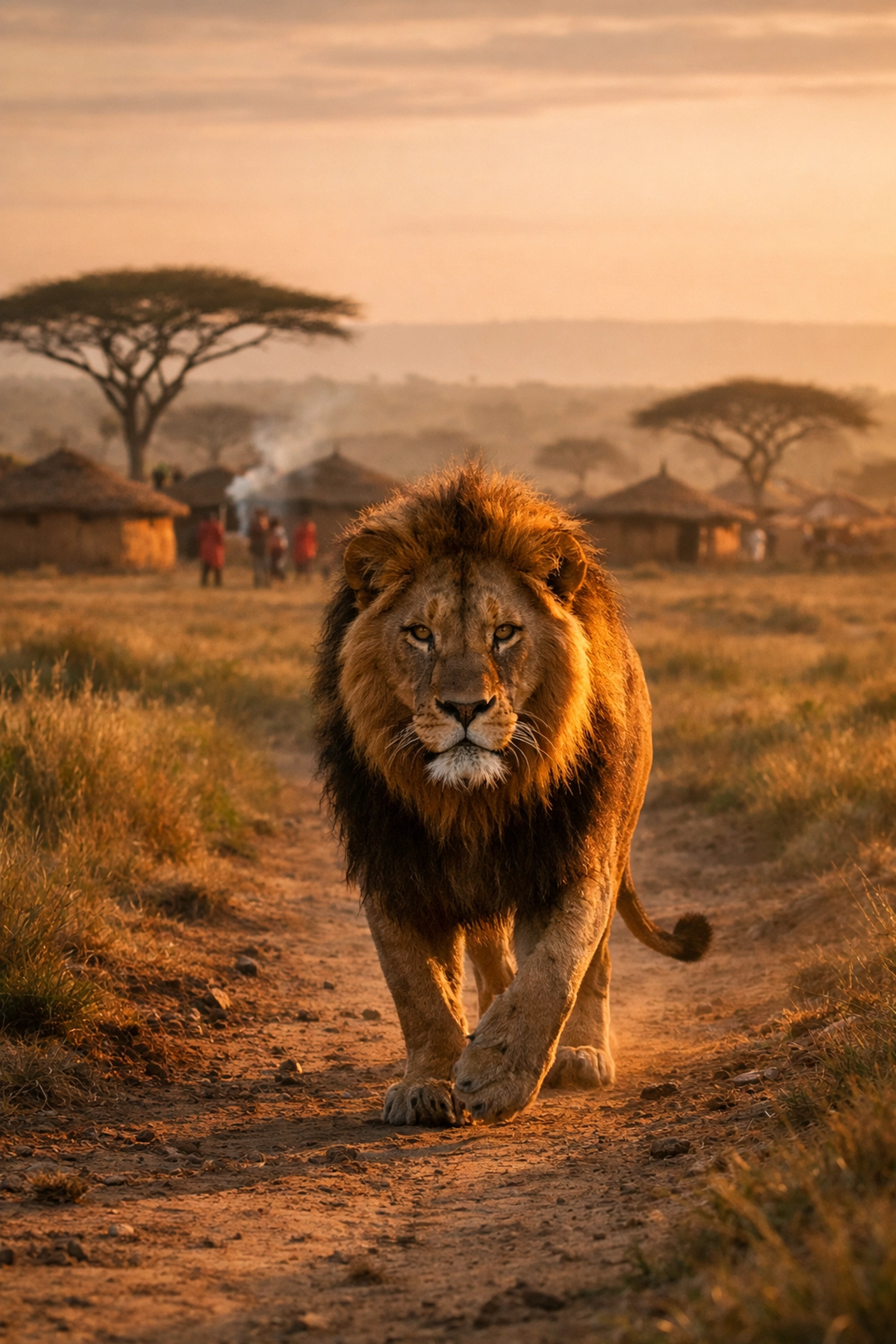
Leiden biologist Monica Chege's research proves what many suspected: lions in different parts of Kenya respond differently to human activity, climate, and protection efforts.
The solution isn't more rules. It's localized approaches.
Effective lion protection in Kenya requires three things:
- Tailored management developed with local communities
- Habitat connectivity through ecological corridors
- Community benefit-sharing programs
When communities benefit from conservation, they support it. Simple.
The visual angle: Stories showing lions coexisting with communities work better than crisis messaging. Real photos of real places build trust. Stock photos from other continents don't.
3. Two African Lion Subspecies Get Federal Protection in the U.S.
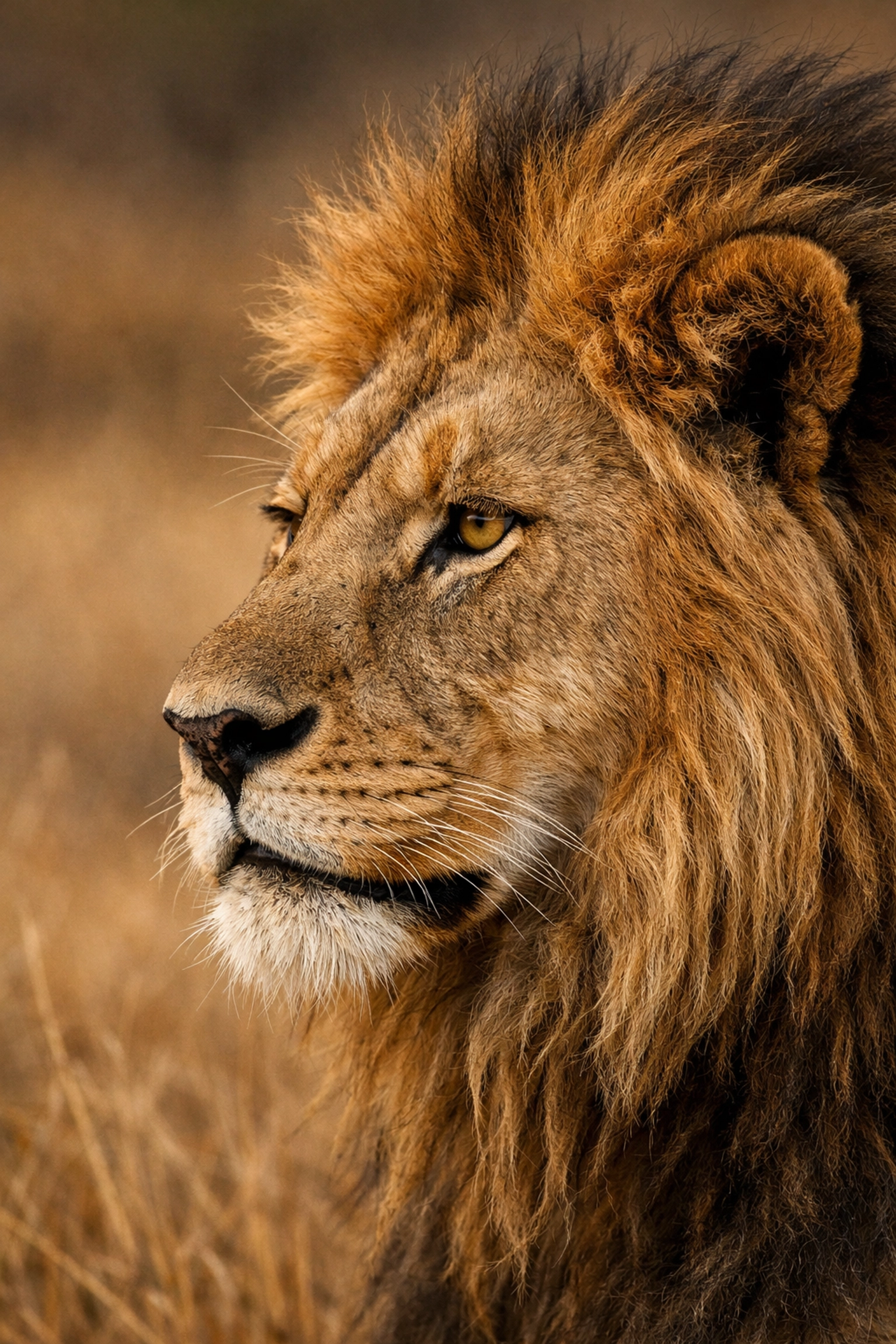
The U.S. Fish and Wildlife Service extended Endangered Species Act protections to two lion subspecies this week.
Panthera leo leo (western, central Africa, and India): endangered. Population around 1,400.
Panthera leo melanochaita (eastern and southern Africa): threatened. Population between 17,000-19,000.
The difference matters. Policy follows science. Science follows accurate population data.
For conservation marketers: These distinctions help audiences understand that "saving lions" isn't one problem. It's multiple problems requiring different solutions. Your visuals should reflect that specificity.
4. World's Largest Wildlife Crossing Opens Soon in Los Angeles
The Wallis Annenberg Wildlife Crossing should open by early 2026.
Location: over Highway 101, outside Los Angeles.
This bridge gives mountain lions and other animals safe passage across one of California's busiest highways.
Wildlife crossings work. Data from similar projects shows dramatic drops in vehicle collisions and increases in genetic diversity among isolated populations.
Visual storytelling opportunity: Before-and-after imagery. Photos of animals using the crossing. Time-lapse of construction. These stories resonate because people understand the problem immediately: highways cut through habitat.
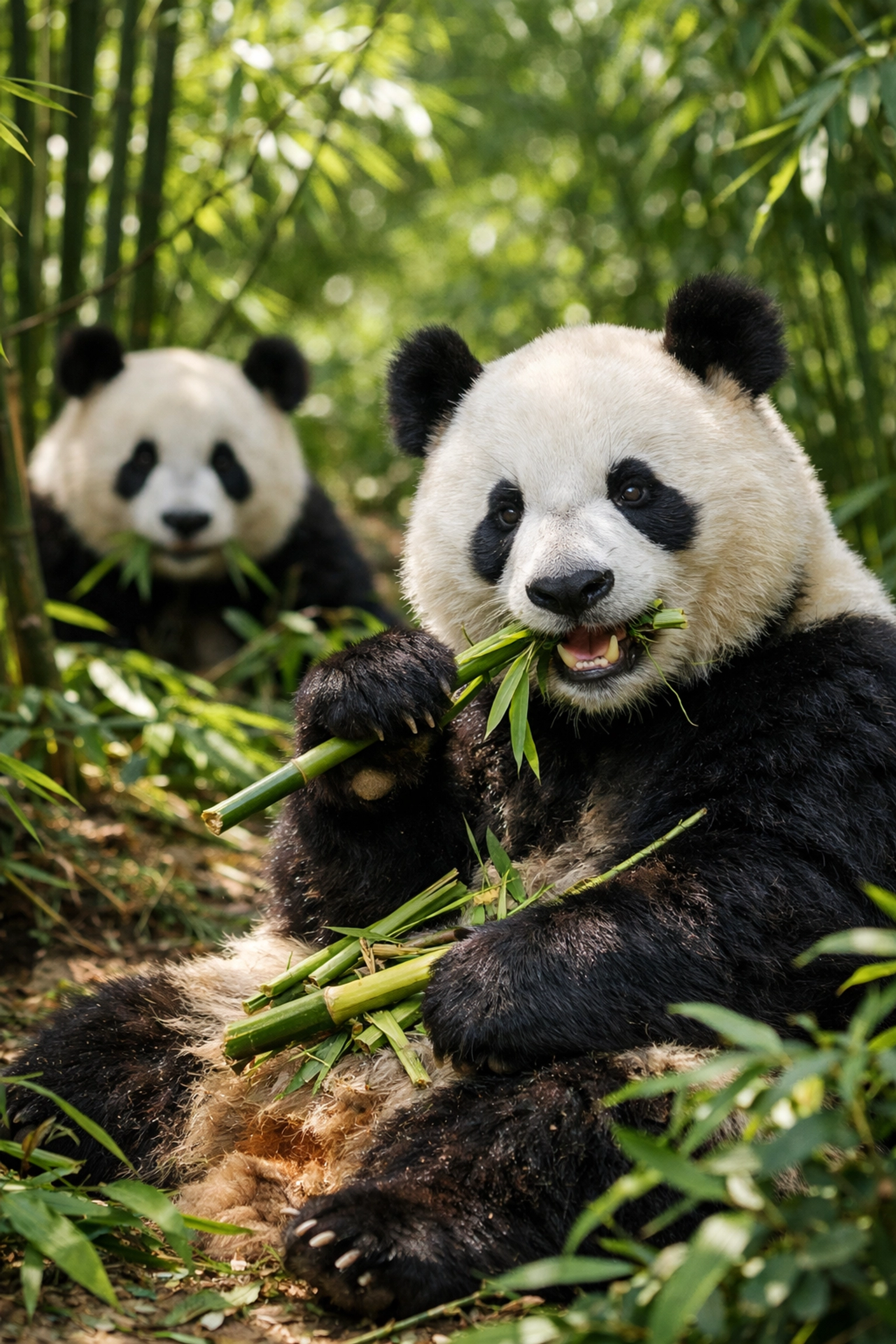
5. Giant Pandas Return to San Diego After Decades
After a 25-year absence, giant pandas are coming back to the San Diego Zoo.
Two pandas arrive from China as part of renewed conservation cooperation between the U.S. and China.
Pandas remain conservation dependent. Their wild population hovers around 1,800 individuals.
But here's the thing about pandas: they work as ambassadors. People love them. That attention funds broader conservation efforts: for species without the same charisma.
The marketing reality: Pandas drive foot traffic. They drive media coverage. They drive donations. Organizations with panda programs need fresh, high-quality imagery constantly. Generic stock photos don't cut it for species this recognizable.
6. African Penguin Population Drops Below Critical Threshold
African penguins are in trouble.
Latest counts show populations have dropped below 10,000 breeding pairs across their entire range.
Primary threats: overfishing of sardines and anchovies, oil spills, climate-driven habitat changes.
Several South African organizations are ramping up rescue and rehabilitation efforts. Hand-rearing programs are expanding.
Why aquariums care: Many aquariums house African penguin colonies and participate in Species Survival Plans. These facilities need current, accurate imagery showing both wild populations and conservation work. Photos that tell the full story: not just cute penguins.
7. Amur Leopard Numbers Hit 125 in the Wild
Good news from Russia's Far East: Amur leopard populations reached 125 individuals in recent surveys.
That's up from fewer than 35 in 2007.
Camera trap data shows increasing reproduction rates and expanding territory use.
The recovery came from three efforts:
- Anti-poaching patrols
- Habitat restoration
- Prey population management
Amur leopards remain critically endangered. But the trajectory changed.
For conservation communicators: Recovery stories matter. Doom and gloom fatigue is real. Showing what works: with compelling imagery: gives people hope and motivation to support conservation.
What These Stories Mean for Conservation Marketing
These seven stories share common threads.
Habitat connectivity. Community involvement. Species-specific approaches. Science-based policy.
And they all need one more thing: compelling visual storytelling.
People don't read white papers. They scroll past walls of text. But they stop for a powerful image of a mountain lion, a penguin colony, or a leopard in snow.
The challenge: finding authentic imagery that matches your specific conservation story.
Generic "African wildlife" stock photos don't work when you're talking about Amur leopards in Russia. Zoo and aquarium photos from your own facility only go so far.
Real conservation marketing requires real animal photography. Specific species. Specific contexts. Specific stories.
Turn Conservation Stories Into Engagement
At Zoo Imagery, we work with zoos and aquariums to build visual libraries that support conservation storytelling.
Not stock photo libraries. Not AI-generated animals. Real photos of real species that help your audience understand why these seven stories: and hundreds more like them: matter.
Ready to upgrade your conservation storytelling? Visit zooimagery.com or connect with us on LinkedIn to see how authentic wildlife imagery transforms conservation marketing.
Because every species has a story worth telling. Make sure yours has the visuals to match.


