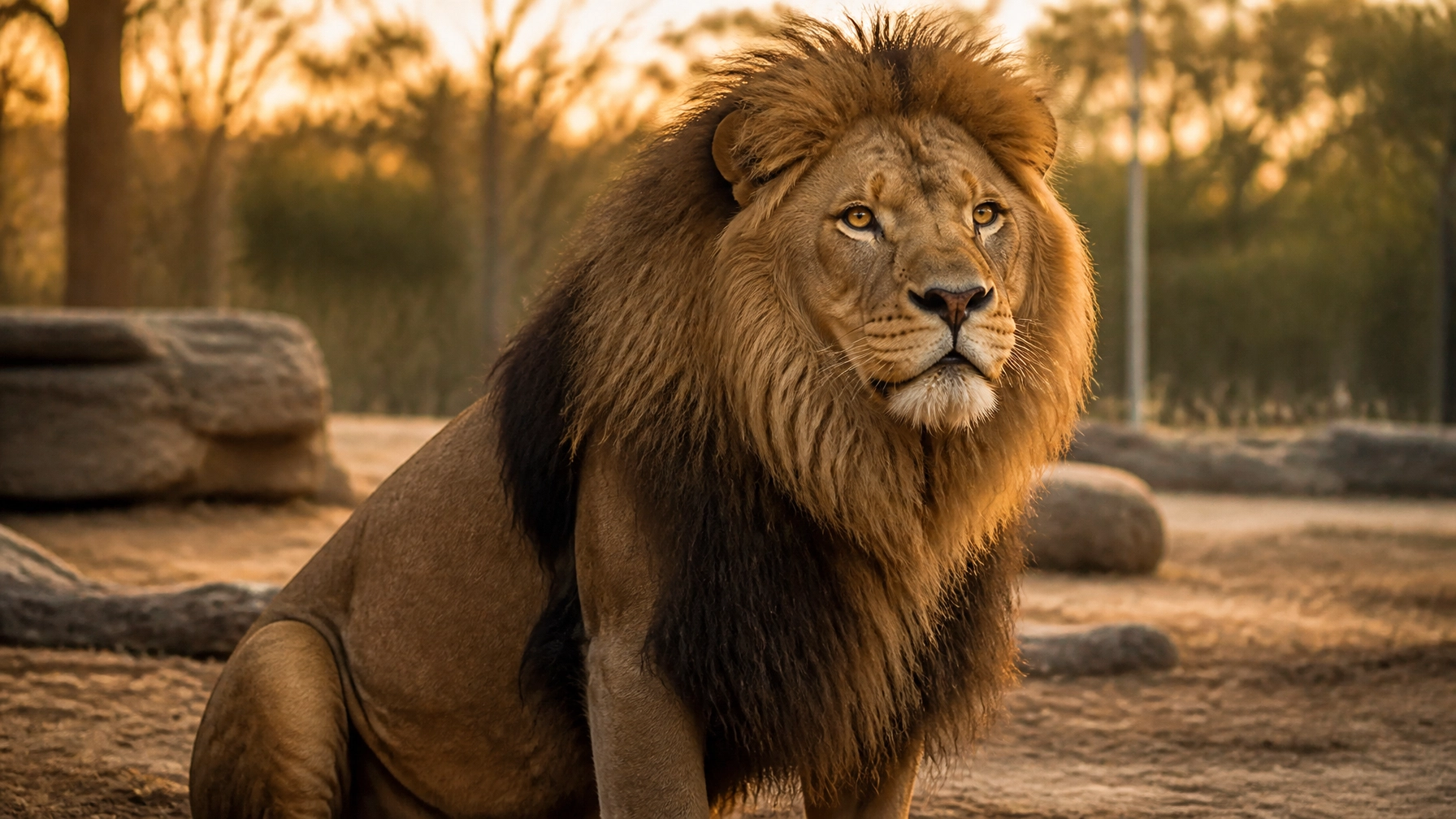
7 Mistakes You’re Making with Zoo Animal Photos (and How to Fix Them)
Animal photography is difficult.
Zoo environments add complexity.
Fences. Glass. Harsh light.
Most photos fail to connect.
They look like snapshots.
Not professional assets.
Here are the 7 most common mistakes.
And how to fix them.
1. Missing the Eyes
The eyes create the connection.
Most amateur photos focus on the body.
Or the background.
If the eyes are soft, the photo is dead.
The Fix:
- Use single-point autofocus.
- Lock onto the eye closest to the lens.
- Ensure a "catchlight" is present.
- This brings the animal to life.
- Our animal categories prioritize eye-contact shots.
2. Shooting in Midday Sun
Harsh light is the enemy.
It creates deep shadows.
It washes out colors.
White fur becomes "blown out."
Black fur becomes a blob.
The Fix:
- Shoot during the "Golden Hour."
- Early morning.
- Late afternoon.
- Look for open shade.
- Clouds are your natural softbox.
- Soft light reveals texture.
- Texture sells.

3. Ignoring the "Zoo Giveaways"
A great photo should feel immersive.
Concrete walls ruin the illusion.
Chain-link fences scream "captivity."
Plastic enrichment toys look out of place.
The Fix:
- Use a wide aperture (f/2.8 or f/4).
- Blur the background.
- Frame the animal with natural elements.
- Leaves. Branches. Rocks.
- Wait for the animal to move away from the fence.
- Patience is a professional tool.
4. Centering Everything
The "bullseye" composition is boring.
It feels static.
It leaves no room for storytelling.
The Fix:
- Use the Rule of Thirds.
- Place the animal off-center.
- Leave "active space."
- Space in the direction the animal is looking.
- This creates movement.
- It also leaves room for marketing copy.
- Designers need that white space.

5. Only Shooting One Orientation
Marketers need variety.
A horizontal photo works for a website hero.
It fails for Instagram Stories.
A vertical photo works for posters.
It fails for YouTube banners.
The Fix:
- Shoot both landscape and portrait.
- Every time.
- Change your perspective.
- Think about the final destination.
- Our library at Zoo Imagery offers both formats.
- Efficiency for your team.
6. Forgetting the Story
A photo of an animal is a record.
A photo of a behavior is a story.
Feeding. Playing. Grooming.
These moments drive engagement.
The Fix:
- Look for species-specific behaviors.
- Use our "Presented by" animal pages.
- Use our sponsored species spotlights.
- Focus on conservation narratives.
- Show the animal’s personality.
- This creates an emotional bond with the viewer.

7. Neglecting User-Generated Content
Professional photos are essential.
But authentic guest photos are powerful.
Many zoos ignore the content their guests take.
The Fix:
- Use the ZooMedia.us app.
- Empower guests to share their photos.
- Leverage real-time engagement.
- Track your ROI.
- Mix professional stock with guest-taken moments.
- This creates a well-rounded brand.

Summary Checklist
- Eyes: Sharp and clear.
- Light: Soft and warm.
- Background: Natural and clean.
- Composition: Dynamic and spaced.
- Orientation: Both ways.
- Behavior: Active and engaging.
- Strategy: Mix stock and UGC.
Why Quality Matters
Stock photography is an investment.
It saves time.
It saves money.
High-quality imagery builds trust.
It turns viewers into visitors.
It turns visitors into donors.
We provide stunning animal photography.
Polar bears. Wild tigers. Giraffes. Lions.
Elephants. Pandas. Hyenas. Birds. Fish.
All categories are covered.
Get Started
Stop making these mistakes.
Start using better imagery.
Visit Zoo Imagery today.
Browse our library.
See the difference professional photography makes.
Connect with us on LinkedIn for more tips.
Let’s make your zoo look as amazing as it truly is.


