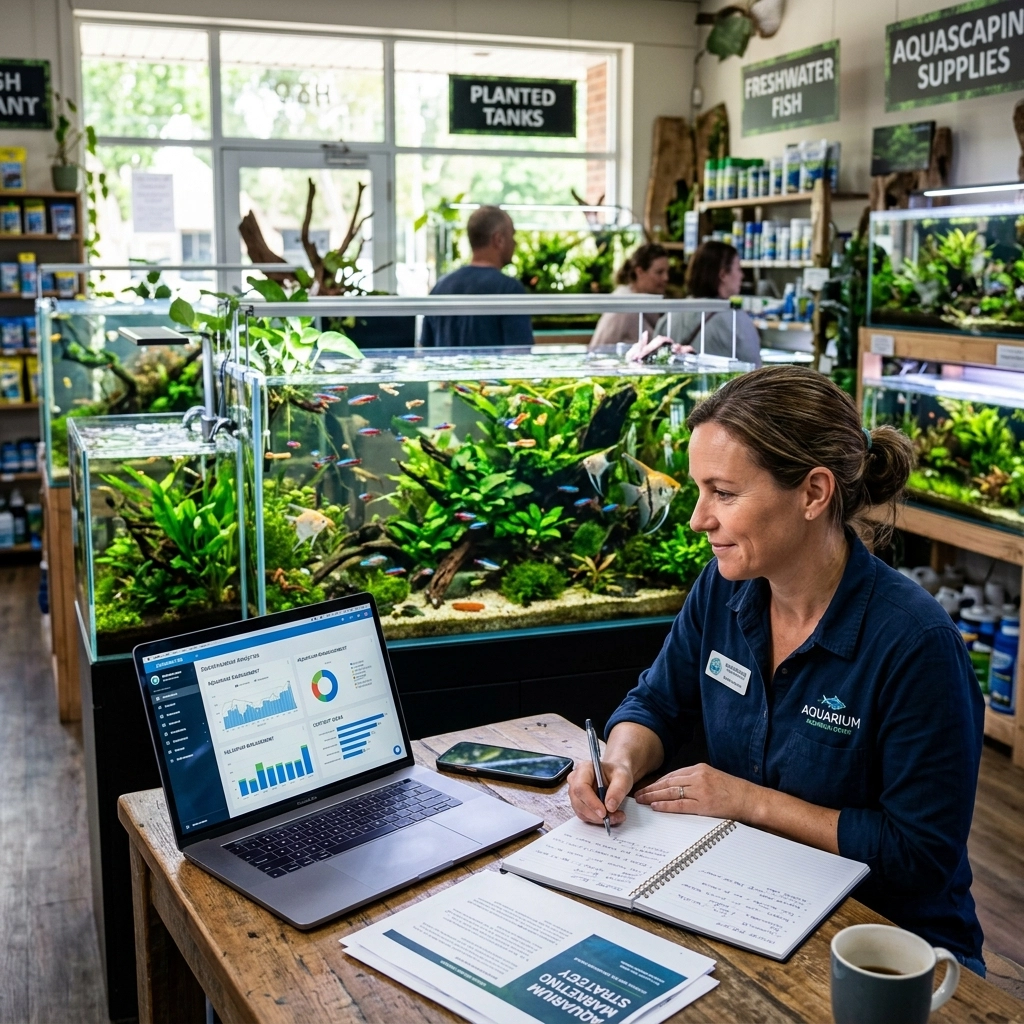
7 Mistakes You’re Making with Your Aquarium Marketing Strategy (and How to Fix Them)
Marketing an aquarium is different now. In 2026, audiences see through traditional advertising. They want truth. They want impact.
If your turnstiles aren't moving as fast as they used to, you might be making one of these common mistakes.
Here is how to fix them.
1. Using Generic Stock Photography
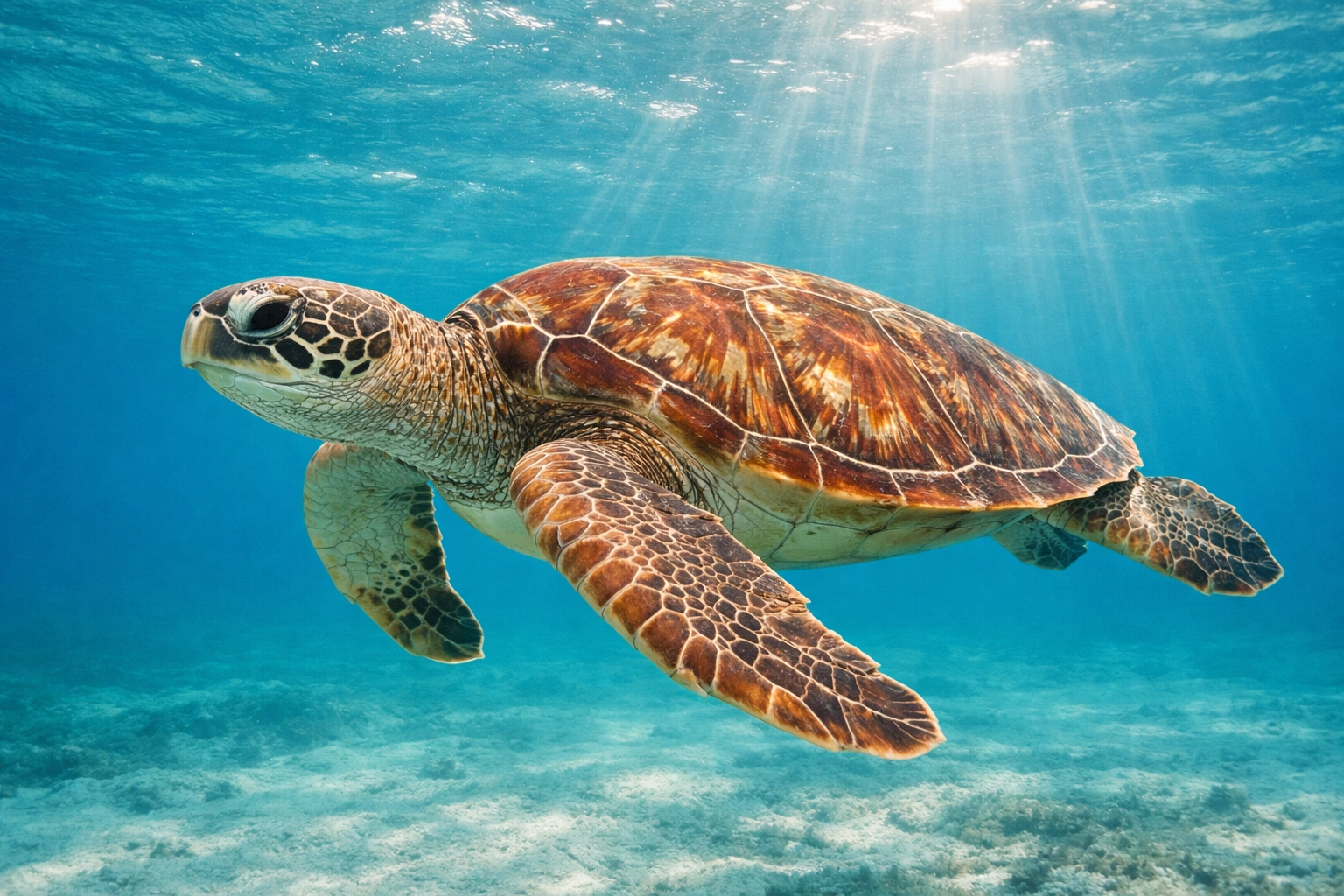
People know what a generic fish looks like. They want to see your residents.
Using low-quality or overly staged stock photos creates a disconnect. When a visitor arrives and the reality doesn't match the polished, fake marketing, trust breaks.
The Fix:
Use specialized, high-resolution imagery that feels authentic. Focus on the specific species you house. If you are highlighting conservation efforts for polar bears, show the actual texture of the fur and the clarity of the water.
- Invest in a dedicated digital media library.
- Update photos seasonally.
- Match the image to the exact species in your care.
2. Hiding Behind ESG Buzzwords
"Sustainability" and "Conservation" are used so often they have lost their meaning. Modern visitors are savvy. They don't want to hear that you are "green." They want to see the work.
The Fix:
Replace buzzwords with direct action.
- Instead of "Supporting Biodiversity," show a species spotlight on wild tigers.
- Instead of "Commitment to the Environment," share data on water filtration or local reef restoration.
- Keep the language simple.
Tell the story of a specific animal. Let the impact speak for itself. Transparent reporting builds more loyalty than a glossy brochure ever will.
3. Ignoring the "Behind-the-Scenes" Narrative
Most marketing focuses on the glass. The view from the visitor's side. This is a mistake.
The most compelling part of an aquarium is what happens where the public cannot go. The nutrition, the veterinary care, and the water chemistry.
The Fix:
Humanize your brand.
- Feature your keepers and biologists.
- Show the preparation of specialized diets.
- Use imagery that captures the scale of the life support systems.
This builds authority. It shows the visitor that their ticket price supports a massive, professional operation dedicated to animal welfare.
4. Failing to Segment Your Content
An aquarium attracts many different groups. Families. Researchers. Photographers. Local residents.
If your marketing is one-size-fits-all, you are likely boring everyone.
The Fix:
Create "Presented by" animal pages or sponsored species sections.
- Target families with interactive, educational fragments.
- Target donors with ESG-aligned impact stories.
- Target creators with high-quality visual assets.
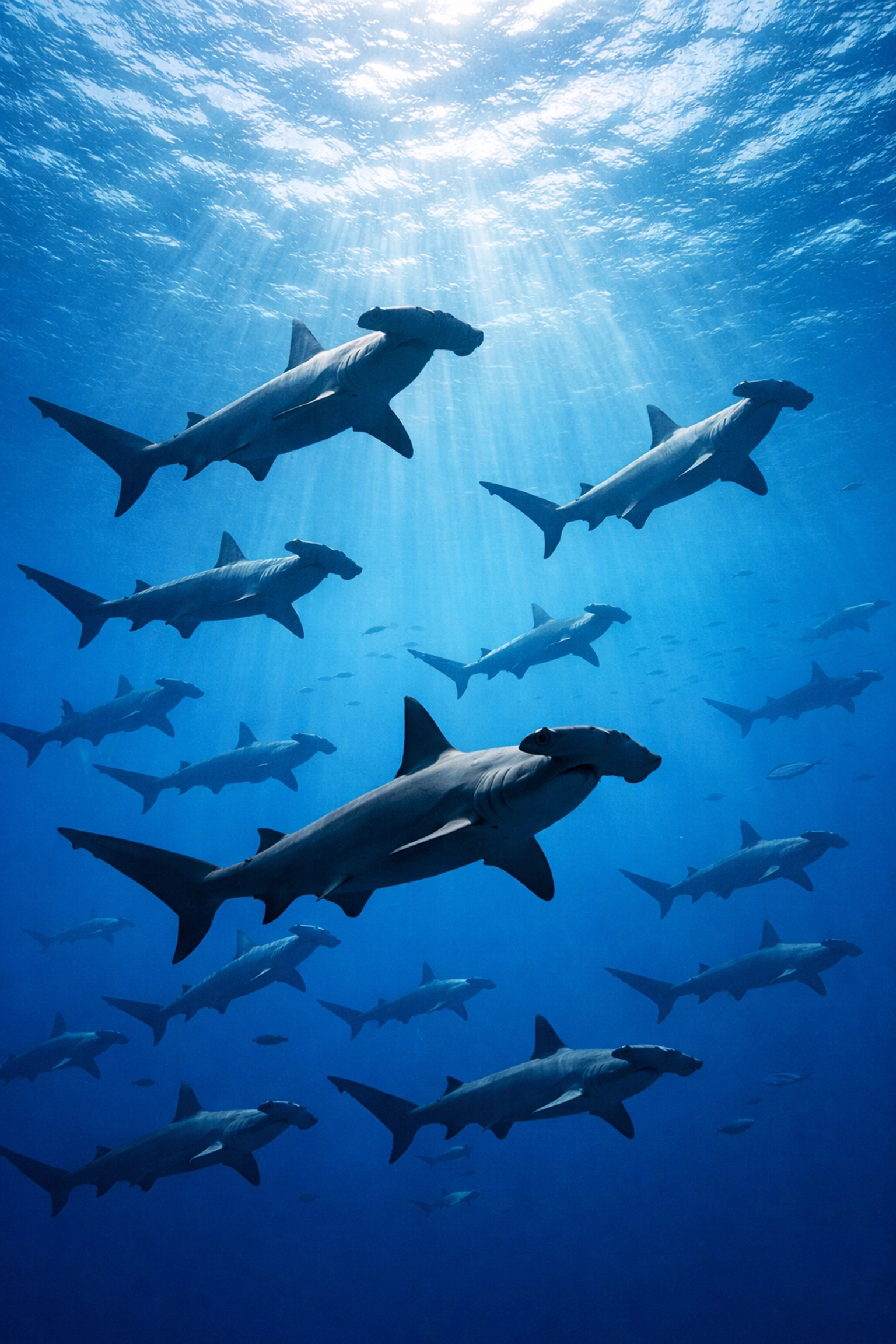
Use specific galleries to drive interest. For example, a dedicated section for birds appeals to a different demographic than a section for sharks or lions.
5. Neglecting the Digital-to-Physical Journey
Marketing doesn't end when the ticket is bought.
Many aquariums have a great social media presence but a poor on-site digital experience. Or vice-versa. The transition should be seamless.
The Fix:
- Use QR codes at exhibits that link to deeper stories on your site.
- Ensure your website is optimized for mobile users standing in your lobby.
- Keep your online imagery consistent with your physical signage.
Simple navigation is better than complex apps. Make it easy for visitors to learn more about giraffes or elephants while they are standing right in front of them.
6. Over-Promising and Under-Educating
Marketing often focuses on "The Big Splash." The newest, loudest exhibit.
While this brings people in once, it doesn't always bring them back. Education is what creates a recurring member.
The Fix:
Focus on "Science-Lite" content.
- Short fragments of info.
- Why does this species matter?
- What is one thing the visitor can do at home?
Avoid being preachy. Be a guide. When people feel they have learned something valuable, they feel their time was well spent. They come back to learn more.
7. Static Imagery in a Dynamic World
If your website looks the same as it did three years ago, you are losing.
The digital landscape for zoos and aquariums is competitive. Static, old photos suggest a static, old institution.
The Fix:
Refresh your media. Use a provider that understands the nuances of wildlife photography.
- High resolution.
- Natural behaviors.
- Clean, uncluttered backgrounds.

Summary of Action Items
- Audit your photos. Replace generic shots with specific, high-quality media.
- Strip the jargon. Talk about animals and actions, not "initiatives."
- Show the work. Open the curtain on daily care.
- Target the audience. Different animals for different people.
- Simplify the tech. Make the website work for the visitor on-site.
Marketing for aquariums is about connection. People want to feel close to the ocean. They want to know their visit matters.
Keep it simple. Keep it honest.
For high-quality media and stock photography tailored to the unique needs of zoos and aquariums, visit Zoo Imagery.
We help you tell your story without the fluff.
Follow our latest wildlife trends and conservation insights on LinkedIn.
Author: Dan Kost
CEO, Zoo Imagery
Simple media solutions for the wild world.


