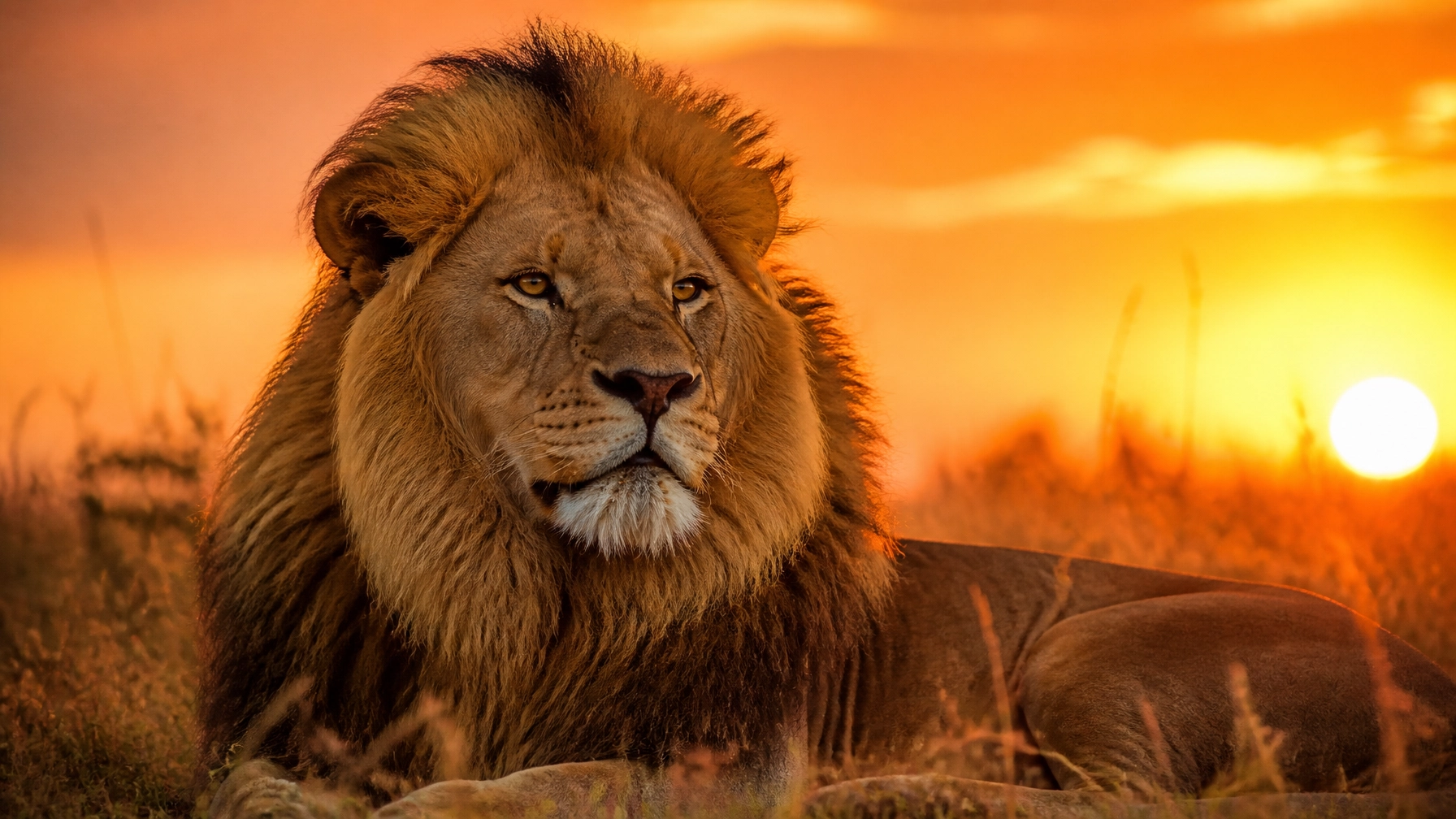
7 Mistakes You’re Making with Your Animal Stock Photos in Ethical Campaigns (and How to Fix Them)
Stock photography often feels like a shortcut.
In conservation marketing, a shortcut can be a dead end.
The wrong image doesn't just look bad.
It erodes trust.
Effective storytelling requires more than a high-resolution file.
It requires accuracy. Responsibility. Intent.
Avoid these seven common mistakes to ensure your visual assets align with your impact goals.
1. Mislabeling Captivity as "Wild"
The most frequent error in animal imagery.
Using a photo of a zoo-based animal and implying it is in its native habitat.
This is deceptive.
The Problem:
Modern audiences are savvy.
They recognize the subtle cues of a managed environment: the specific grass species, the lack of dust, the proximity of the lens.
If your campaign claims to protect wild tigers but shows a tiger in a sanctuary without disclosure, your message loses its foundation.
The Fix:
- Be transparent.
- Label images accurately.
- Use a stock library that distinguishes between wild and managed settings.
- Focus on the story: If you are supporting a zoo’s breeding program, show the zoo animal.
- If you need "wild," ensure the metadata confirms the location.
2. Normalizing "Selfie Culture"
Visuals showing humans touching, holding, or posing closely with wildlife.
Even if the animal is a rescue.
Even if it looks "happy."
The Problem:
Images of human-animal contact suggest that wild animals are approachable.
This fuels illegal wildlife trade.
It encourages dangerous behavior in national parks.
It prioritizes human ego over animal welfare.
The Fix:
- Choose photos showing respectful distances.
- Use telephoto shots.
- Emphasize the animal's natural behavior, not its interaction with people.
- For zoo marketing, highlight observation and wonder, not physical contact.

3. The Species-Geography Mismatch
Using an African elephant to talk about Asian forest conservation.
Using a South American jaguar to represent North American mountain lion territory.
The Problem:
It happens often.
Marketing teams choose the "best looking" cat or "most impressive" bird.
For experts and enthusiasts, this is a glaring red flag.
It suggests your organization doesn't know the species it claims to protect.
The Fix:
- Verify the scientific name.
- Check the range.
- If your campaign is local, your imagery must be local.
- Use a diverse library like Zoo Imagery to find specific categories, from polar bears to hyenas.
4. Ignoring Subtle Stress Signals
Choosing a "dramatic" or "cute" photo that actually depicts a distressed animal.
A "smiling" chimp is often a fearful chimp.
A "dancing" bear is often a stressed bear.
The Problem:
Anthropomorphism: assigning human emotions to animal expressions: leads to poor photo selection.
Using a photo of an animal in a "threat display" (bared teeth, pinned ears) to look "fierce" or "cool" misrepresents the animal's reality.
The Fix:
- Learn basic ethology for your subject species.
- Look for relaxed postures.
- Avoid "staged" shots where animals are forced into unnatural positions.
- Prioritize documentary-style photography that captures genuine moments.
5. Falling into the "Charisma" Trap
Only using photos of lions, tigers, and pandas.
Ignoring the insects, amphibians, and "less attractive" species.
The Problem:
Biodiversity isn't just about the big guys.
By only featuring charismatic megafauna, campaigns reinforce the idea that only "pretty" animals are worth saving.
This narrows the public’s understanding of ecosystem health.
The Fix:
- Diversify your visual portfolio.
- Include birds, fish, and reptiles.
- Tell the story of the ecosystem, not just the star.
- Use your stock library to find high-quality images of underrepresented species.

6. Over-reliance on Static Stock
Using only professional, polished images.
Ignoring the power of real-time, user-generated content.
The Problem:
Professional stock is essential for hero banners and print.
But for social engagement, it can feel distant.
Authenticity is the currency of social media.
The Fix:
- Balance professional stock with guest-captured moments.
- Leverage tools like the ZooMedia.us app.
- Allow your visitors to become your marketing team.
- Share their photos to show real-time engagement and connection.

7. Over-Editing for Impact
Cranking the saturation until the grass is neon.
Removing "distractions" like fences or people from a documentary shot.
Adding animals into a scene where they weren't present.
The Problem:
Conservation is about truth.
If you edit the reality out of your photos, you are selling a fantasy.
When people visit the site and see the reality: the dirt, the fences, the crowds: they feel misled.
The Fix:
- Keep it natural.
- Minor color correction is fine.
- Heavy manipulation is not.
- Focus on clarity and vibrancy through lighting (like Golden Hour), not Photoshop.
Why Quality Matters
Ethical campaigns aren't just about the message.
They are about the medium.
High-quality imagery reflects a high-quality mission.
Stock photography should save you time.
It should save you money.
It should not cost you your reputation.
The Zoo Imagery Difference
We provide stunning animal photography.
Portrait and landscape formats.
Diverse categories:
- Lions
- Elephants
- Wild Tigers
- Polar Bears
- Birds and Fish
Our goal is simple.
High-quality visuals.
Easy access.
Supporting your story.
For zoos and aquariums looking to drive engagement, our ZooMedia.us app bridges the gap between your animals and your guests.
Capture. Share. Engage.
Ready to elevate your next campaign?
Explore our library at Zoo Imagery or follow us on LinkedIn for daily wildlife trends and marketing insights.


