7 Mistakes You’re Making with Your Animal Stock Photos (and How to Fix Them)
Stock photography often feels like a compromise.
You need a visual. You find a tiger. You download it.
The result is often flat. It lacks soul. It fails to move the needle for your conservation campaign or zoo marketing.
At Zoo Imagery, we see these patterns daily.
Professional imagery is more than a placeholder. It is a communication tool.
Here are the 7 most common mistakes we see: and how to move past them.
1. Choosing the "Usual Suspects"
Marketing teams often default to the same five species.
Lions. Pandas. Elephants. Tigers.
These are charismatic. They are also crowded.
If every campaign uses a Wild Tiger, the audience stops seeing them.
The Fix:
Look for the "underdogs."
Hyenas. Tropical fish. Local birds.
Diverse categories create visual interest.
They tell a broader story of biodiversity.
Explore our full animal categories to find something unexpected.
2. Ignoring "The Blue Hour"
Flat, overhead lighting is the death of professional design.
Many stock photos are shot at high noon.
The shadows are harsh. The animal looks two-dimensional.
The Fix:
Prioritize depth.
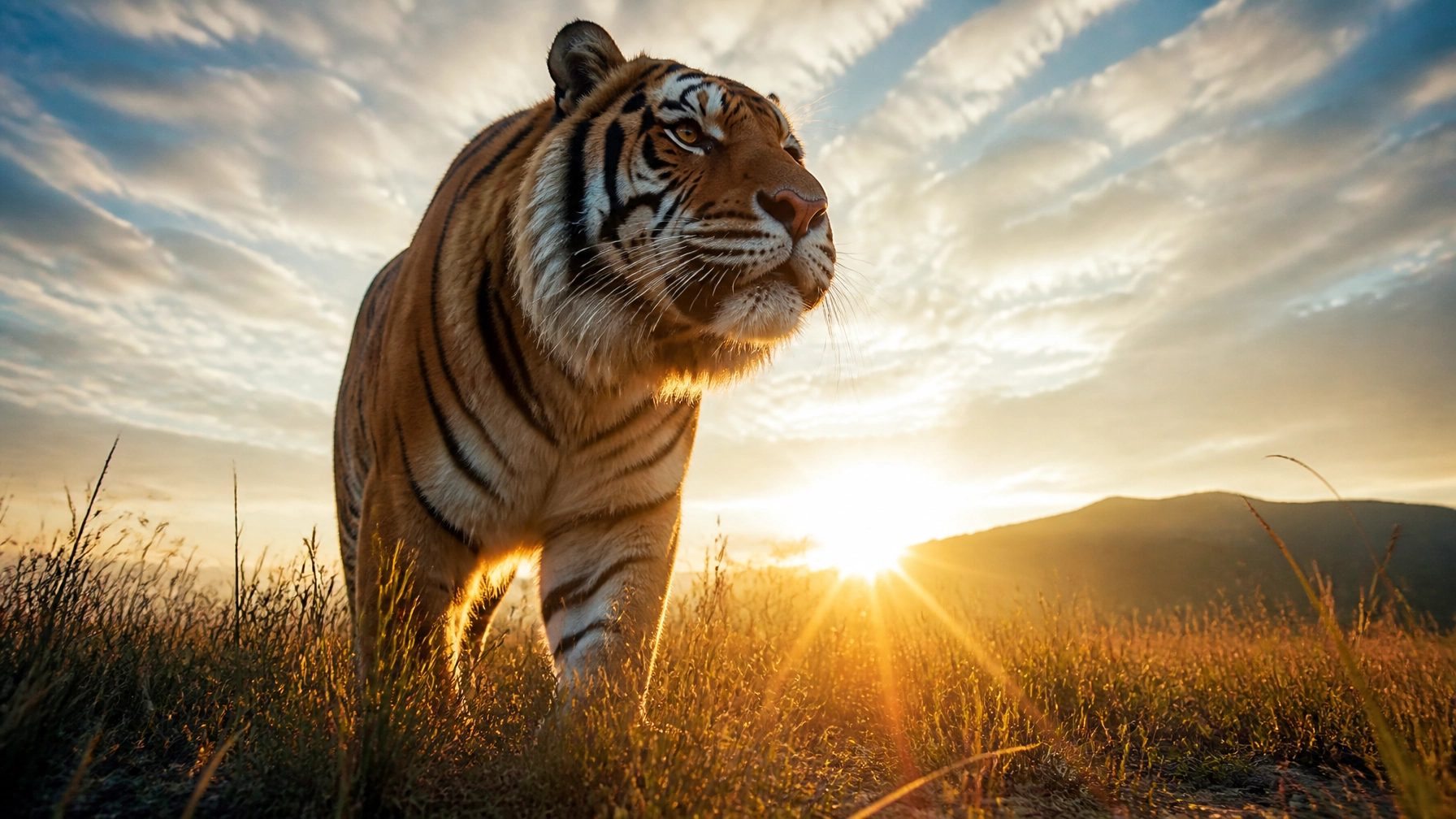
Search for images captured during the "Golden Hour" or the "Blue Hour."
Natural, directional light creates texture. It highlights the grain of a Polar Bear's fur or the moisture on a leaf.

3. Selecting Static Portraits Over Natural Behavior
A photo of an animal looking at the camera is a portrait.
A photo of an animal doing something is a story.
Static shots feel like taxidermy. They don’t convey the "life" in wildlife.
The Fix:
Choose motion.
Look for social interactions. A mother Elephant touching her calf. A lion mid-stride.
Behavioral shots feel documentary. They feel authentic.
They suggest a world that exists outside the frame.

4. Disregarding Vertical Flexibility
Most stock is shot in landscape.
Social media lives in vertical.
When you crop a landscape photo to 9:16, you lose the resolution. You lose the composition.
The Fix:
Source your imagery from libraries that offer native portrait formats.
Our library is built for the modern marketer.
We provide both landscape and portrait options.
No more awkward crops. No more pixelated social stories.
5. Misrepresenting Captive vs. Wild
This is an ethical pitfall.
Using a photo of a captive animal in a "wildlife conservation" campaign can damage your credibility.
Audiences are savvy. They notice the fence in the background or the manicured grass.
The Fix:
Be transparent.
Use images that are clearly labeled.
If your message is about zoo conservation, show the modern, high-quality care of a professional facility.
If it’s about the wild, use Wild Tiger photography.
Accuracy builds trust.
6. Overlooking User-Generated Content (UGC)
Stock photography provides the polish.
Your guests provide the proof.
Relying only on professional stock makes your brand feel distant.
The Fix:
Bridge the gap.
Use professional stock for your primary brand assets.
Use tools like our ZooMedia.us app to capture guest perspectives.
Let your visitors share their own photos.
Real people. Real moments. Real ROI.

7. Treating Images as "Decoration" instead of ESG Strategy
A photo shouldn't just fill space.
It should align with your environmental and social goals.
"Meaningless" visuals are a wasted opportunity.
The Fix:
Adopt a "Species Spotlight" approach.
Sponsor a specific page or category.
Use imagery to tell a specific story about habitat restoration or species recovery.
Link your visuals directly to your conservation impact.
Moving Forward
Quality imagery is an investment in your brand's voice.
It is the difference between being scrolled past and being remembered.
Summary of action items:
- Diversify your species selection.
- Demand better lighting.
- Focus on behavior and emotion.
- Plan for vertical formats.
- Align visuals with ethical standards.
- Integrate guest-generated content.
- Use imagery to drive your ESG narrative.
Ready to elevate your visual strategy?
Explore our high-resolution library at zooimagery.com.
Follow our journey and get more insights on LinkedIn.
Stay inspired. Stay authentic.


