7 Mistakes You’re Making with Wildlife Stock Photos (and How to Fix Them for Better Engagement)
Wildlife imagery is a powerful tool.
It stops the scroll.
It creates empathy.
It drives action.
But most marketers use it wrong.
Generic shots. Dull compositions. Mismatched stories.
Poor image choices damage your brand.
They feel fake.
They lose trust.
Here are 7 mistakes you’re making: and how to fix them today.
1. The Centered Subject Trap
Most people place the animal right in the middle.
It feels like a textbook.
Static.
Boring.
The Fix: Use the Rule of Thirds.
Place the subject off-center.
Give the animal room to "look" into the frame.
It creates movement.
It leaves space for your copy.
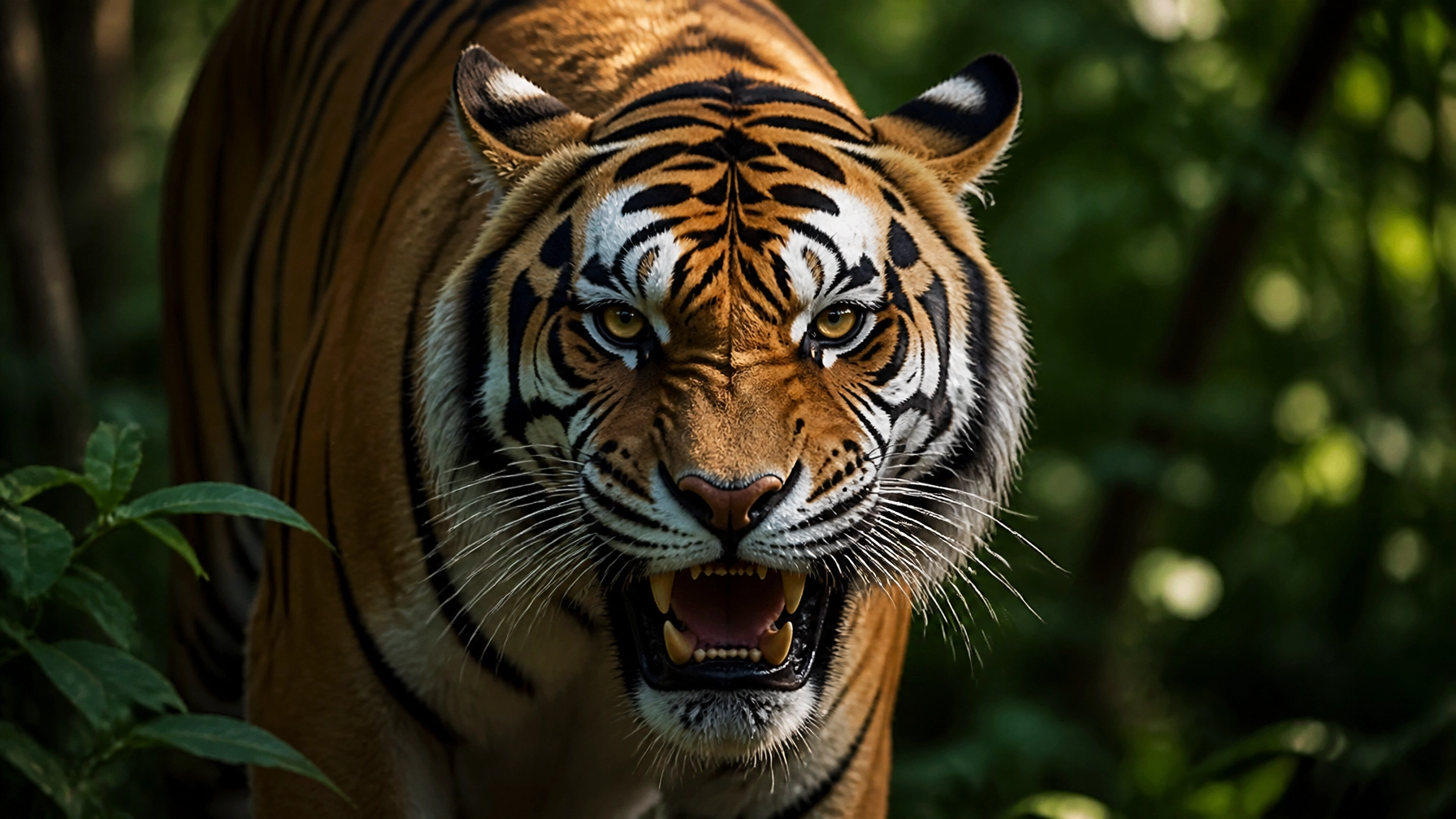
Check out our tiger collection for dynamic compositions.
2. Choosing Static Over Action
A lion sitting is fine.
A lion hunting is a story.
Stock photos often feel too "posed."
Engagement thrives on behavior.
Yawning. Running. Nurturing.
The Fix: Look for Micro-Expressions.
A flick of a tail.
A direct gaze.
Mid-stride action.
Authentic behavior beats a static portrait every time.

3. Ignoring the Background Context
A polar bear on a clean white background is useful for design.
A polar bear on a melting ice floe is a campaign.
Context tells the story.
Distracting backgrounds: like fences or blurry people: break the immersion.
The Fix: Curate the Environment.
Ensure the background supports your message.
Lush forests for conservation stories.
Open plains for freedom and scale.
4. Forgetting the Vertical Shift
Most stock is shot in landscape.
Most users are on mobile.
Cropping a landscape photo for a Story or Reel often ruins the quality.
The Fix: Prioritize Portrait-First Assets.
Source images specifically shot for mobile.
Giraffes and birds naturally fit vertical frames.

5. Mismatched Species and Region
Using an African elephant to talk about Asian conservation.
Mistakes like this kill your credibility.
Your audience is smarter than you think.
The Fix: Verify Your Species.
Match the animal to the geography of your story.
If you’re a local zoo, stick to species you actually house or protect.
6. Sacrificing Resolution for Speed
Pixelated images on a high-res screen look amateur.
Compression artifacts scream "cheap."
The Fix: High-Resolution Only.
Use professional-grade libraries.
Avoid "free" sites where quality varies.
Your brand deserves sharp eyes and clear textures.
7. Ignoring User-Generated Content (UGC)
Stock is the foundation.
But guest voices are the soul.
Relying solely on professional stock can feel distant.
The Fix: Bridge the Gap with ZooMedia.us.
Combine professional panda imagery with real guest photos.
The ZooMedia.us app lets your guests share their own moments instantly.
Real-time engagement.
Authentic marketing.

Wildlife Trends for 2026: Beyond the Image
Marketing for zoos and aquariums is shifting.
It’s no longer about just showing an animal.
It’s about showing the impact.
Stewardship Storytelling
Move away from generic "save the planet" slogans.
Focus on specific projects.
- Bird rehabilitation updates.
- Habitat restoration in local wetlands.
- Research into hyena social structures.
Real stories require real imagery.
ESG-Aligned Campaigns
Corporate partners want to see alignment with their values.
Use imagery that highlights:
- Educational programs for underserved youth.
- Veterinary care and animal welfare standards.
- Energy-efficient enclosure designs.
Transparent visuals build corporate trust.
Marketing Insights for Zoos and Aquariums
Leverage the Vertical Feed
Vertical content is the standard.
Instagram. TikTok. YouTube Shorts.
Use high-quality vertical stock to fill the gaps between your live videos.
It keeps the quality high while you're busy on the ground.

The Power of "Micro-Moments"
Don't just post big news.
Post the small moments.
A keeper feeding a fish.
A morning mist over the savanna.
These build a daily connection with your audience.
ROI Tracking with ZooMedia.us
Visual marketing must be measurable.
The ZooMedia.us app provides:
- Real-time guest engagement data.
- Social sharing metrics.
- Direct ROI tracking for marketing spend.
Know what works.
Do more of it.
Final Thoughts
Your choice of imagery is a direct reflection of your mission.
Don't settle for "good enough."
The Checklist for Better Engagement:
- Is the eye in focus?
- Does it follow the rule of thirds?
- Is it the right species for the story?
- Is there copy space?
Ready to elevate your visual strategy?
Visit ZooImagery.com to browse our professional library.
Follow us on LinkedIn for daily wildlife marketing tips.
Save time.
Save money.
Inspire your audience.


