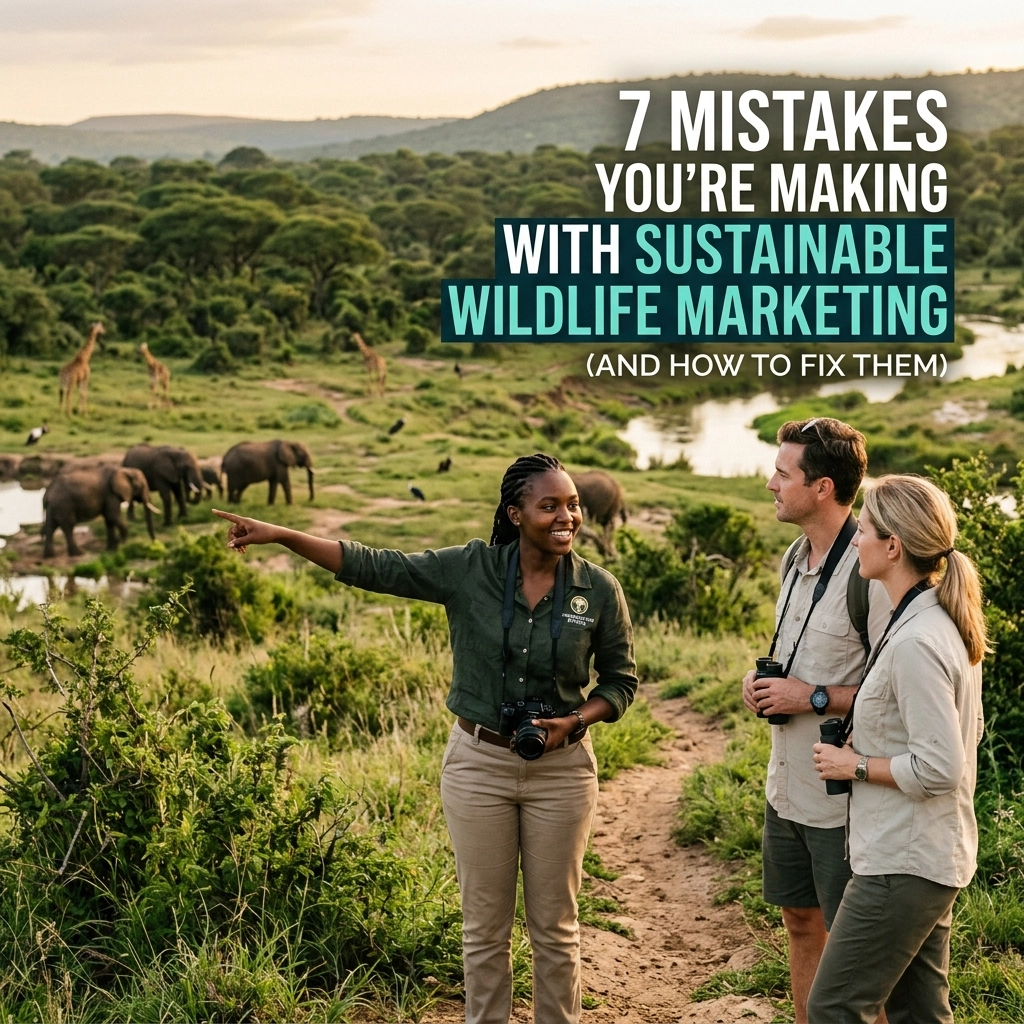
7 Mistakes You’re Making with Sustainable Wildlife Marketing (and How to Fix Them)
Wednesday, 8 of April 2026.
Marketing for zoos and aquariums is changing. Visitors are smarter. They look for transparency. They want to see real conservation work, not just catchy slogans.
If your marketing feels like it’s stuck in 2010, you’re likely losing trust. Sustainable marketing isn't about the word "green." It’s about Environmental, Social, and Governance (ESG) alignment.
Here are the seven biggest mistakes we see in wildlife marketing and exactly how to fix them.
1. The “Animal Selfie” Trap
Interaction over observation is a red flag.
In the past, photos of guests holding animals or feeding them by hand were popular. They showed "closeness." Today, they show a lack of respect for the animal’s natural behavior. Modern audiences see these images and think "exploitation," not "education."
The Fix:
Focus on observation. Use high-quality imagery of animals displaying natural behaviors. Show a tiger prowling, not sitting for a photo op.
- Highlight the distance between humans and wildlife.
- Showcase enrichment activities that stimulate instinct.
- Use visuals that emphasize the animal's autonomy.

2. Using "Green" Buzzwords Without Data
Terms like "eco-friendly," "sustainable," and "nature-positive" have lost their edge. Everyone uses them. When you use these words without backing them up, it looks like greenwashing.
The Fix:
Replace adjectives with numbers.
- Instead of "sustainable water use," say "we recycled 1.2 million gallons of water in our penguin habitat last year."
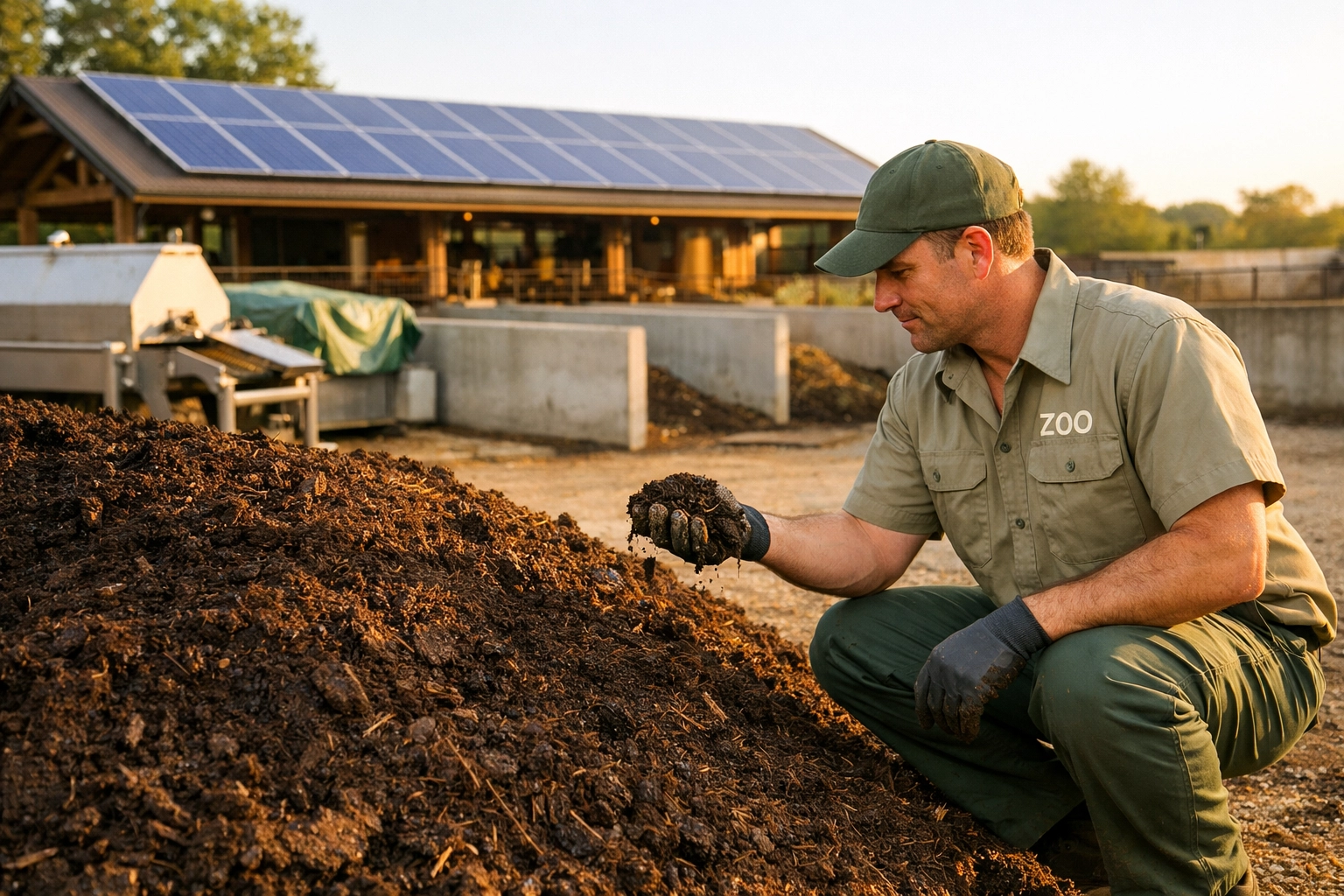
- Instead of "eco-friendly dining," say "90% of our food waste is composted on-site."
- Data builds a bridge of trust that buzzwords burn down.
3. Creating the "Abundance Illusion"
If every piece of marketing shows a massive herd of elephants or a dense forest of pandas, you create a false sense of security. If the public thinks these animals are everywhere, they won't feel the urgency to support conservation.
The Fix:
Tell the whole story. Balance beautiful photography with the reality of the wild.
- Use "Presented by" pages to highlight a specific species’ status.
- Share maps of habitat loss alongside images of your successful breeding programs.
- Connect your local zoo population directly to their wild counterparts.
4. Ignoring the "Social" in ESG
Wildlife marketing often focuses only on the "Environmental" part of ESG. They forget the "Social" and "Governance" aspects. Who are your keepers? How do you support the local community? Is your organization diverse?
The Fix:
Humanize your mission.
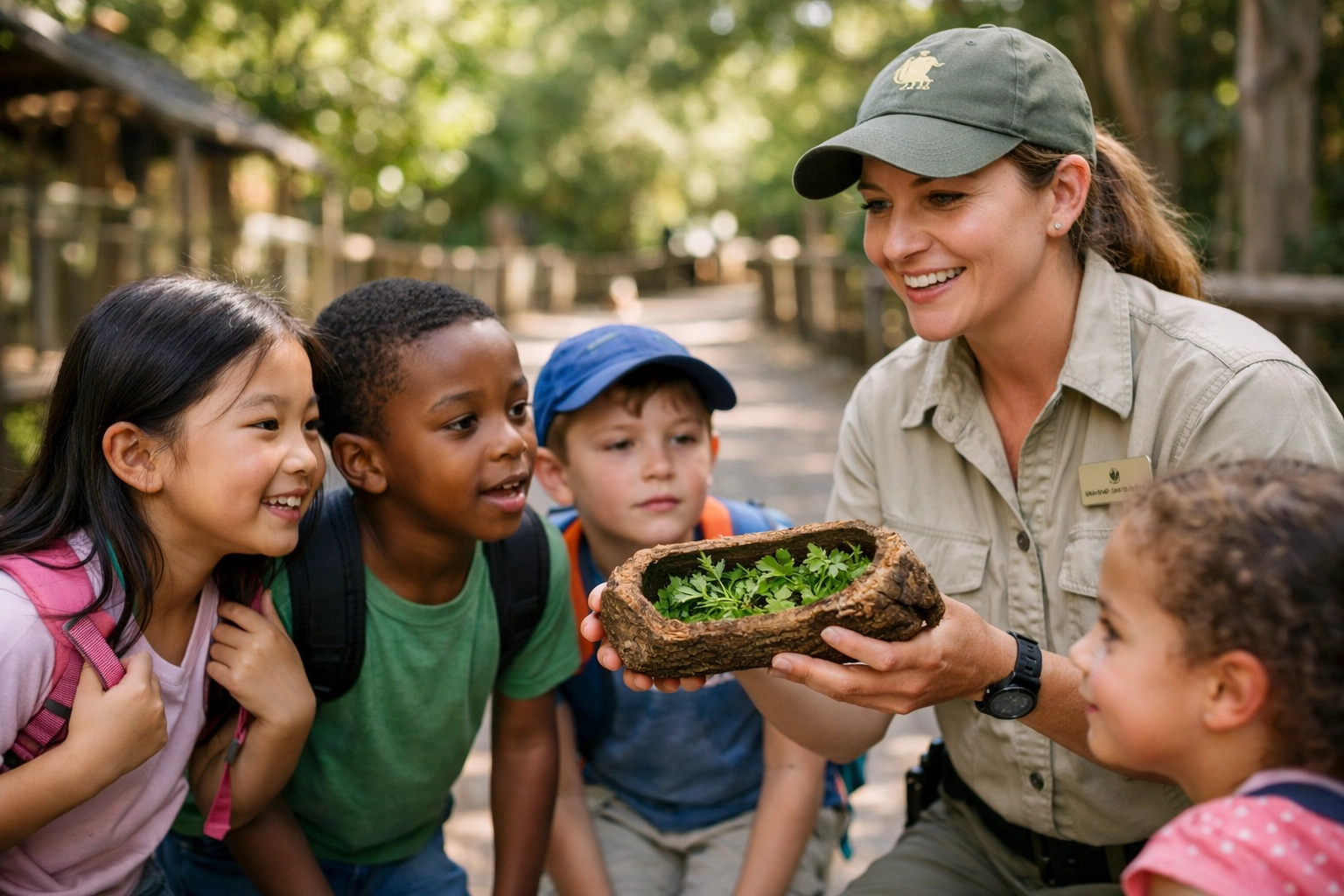
- Feature the people behind the enclosures.
- Show your community outreach programs in action.
- Be transparent about your hiring practices and staff welfare.
- Use imagery that includes diverse groups of visitors and experts.
5. Using Generic or Low-Quality Stock
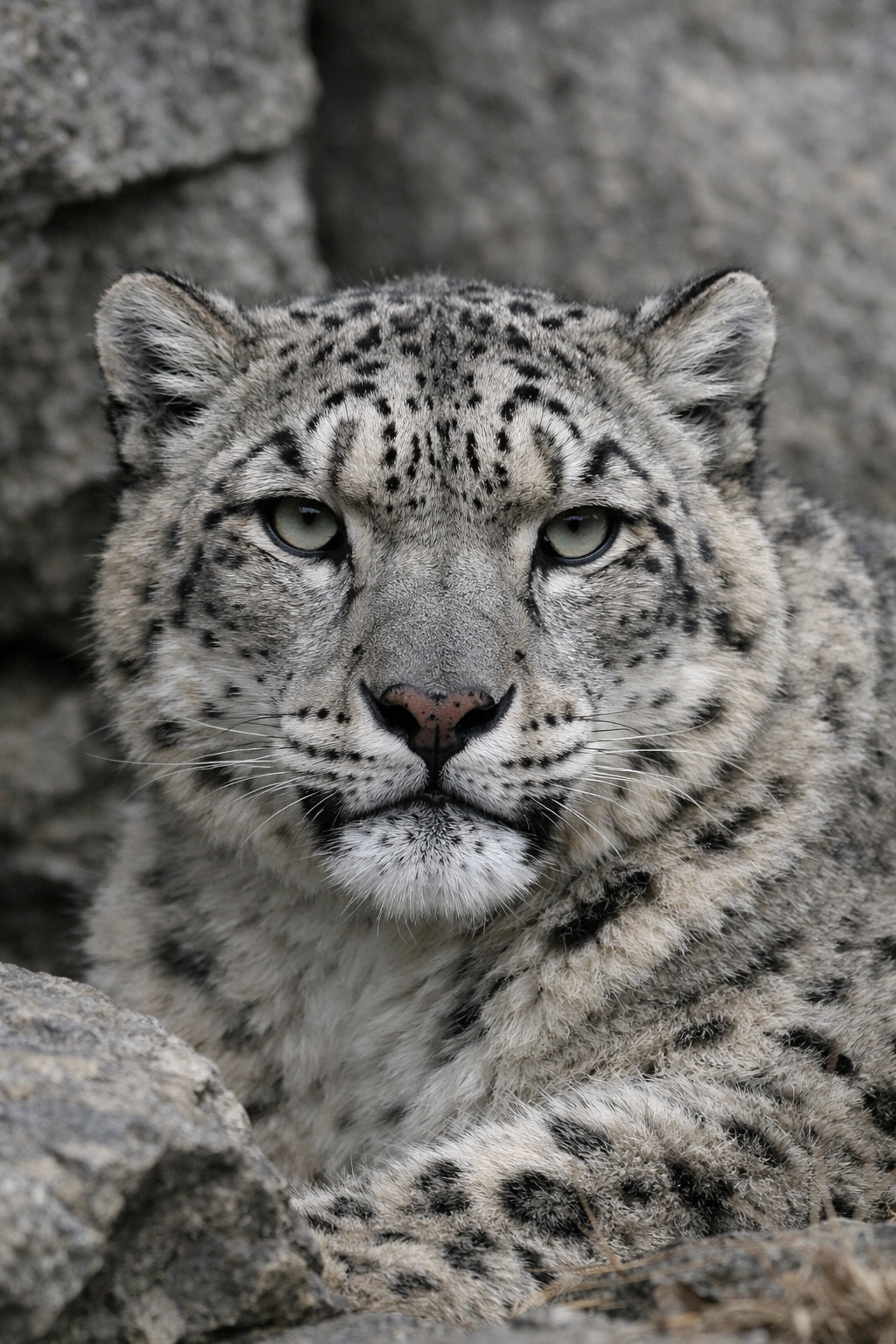
Nothing kills an ESG-aligned campaign faster than a generic, low-resolution photo. If your marketing for polar bears looks like a clip-art file from 1998, people won't take your conservation efforts seriously. High-stakes conservation requires high-stakes visuals.
The Fix:
Invest in a specialized library. Use imagery that matches the quality of your work.
- Select photos that tell a story.
- Ensure all digital media is optimized for the platform it’s on.
- Use specific shots of species like hyenas or birds that show detail and emotion.
6. Over-Editing and Distortion
AI-generated animals or heavily filtered photos are becoming common. For a zoo or aquarium, this is a mistake. Authenticity is your greatest asset. If a visitor arrives and the animal looks nothing like the neon-colored version in your ads, they feel cheated.
The Fix:
Keep it real.
- Use professional photography that captures true colors and textures.
- Avoid over-saturating images to make them "pop."
- Trust that the natural beauty of the animal is enough to capture attention.
7. Passive Conservation Stories
Posting a photo and saying "we help save lions" is passive. It doesn’t invite the audience into the story. It doesn't show the work; it just claims the credit.
The Fix:
Action-oriented storytelling.
- Show the process. If you’re rehabilitating a bird, show the medical care, the flight cage, and the release.
- Link your campaigns to specific outcomes.
- Use clear calls to action that go beyond "donate." Encourage visitors to learn about local legislation or change a specific habit.
The New Standard for Wildlife Marketing
The goal of your marketing should be to mirror the quality of your facility. If your zoo is world-class, your digital media should be too.
Sustainable marketing isn't a trend. It is the new baseline for Zoo Imagery and the industry at large. By removing the fluff and focusing on honest, data-driven storytelling, you build a community that stays with you for the long term.
Quick Checklist for Your Next Campaign:
- Is the animal behaving naturally in this photo?
- Did we use a buzzword when a statistic would fit better?
- Are we showing the humans involved in the work?
- Is the image quality high enough to represent a professional institution?
Marketing is how you tell the world that your mission matters. Make sure you’re saying it clearly.
Get Better Visuals
Stop relying on outdated imagery. Build campaigns that reflect your actual conservation impact.
Visit zooimagery.com to explore our specialized library.
Connect with us on LinkedIn for more marketing insights and wildlife trends.


