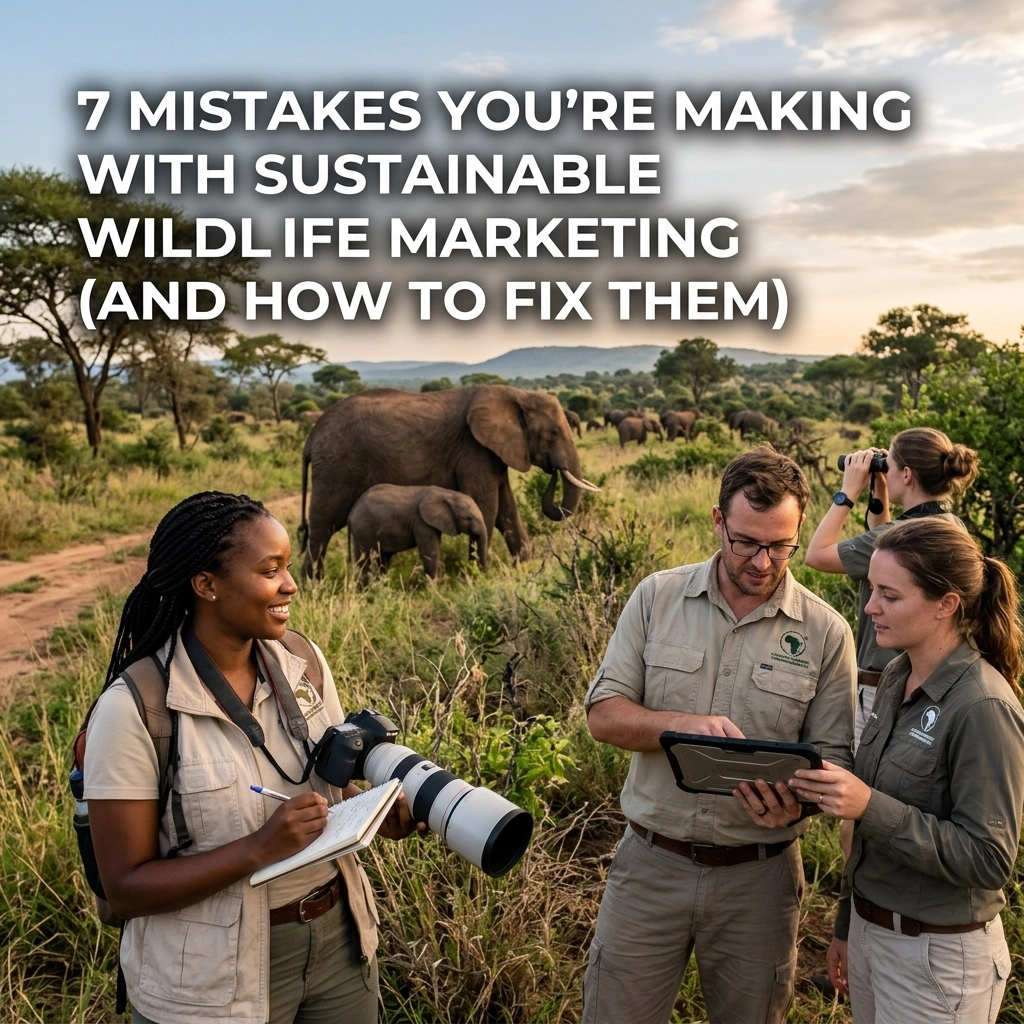
7 Mistakes You’re Making with Sustainable Wildlife Marketing (and How to Fix Them)
Sustainable marketing in the wildlife sector is changing. In 2026, audiences see through traditional advertising. They want truth. They want directness.
Zoos, aquariums, and conservation groups often miss the mark. They use outdated tactics. They rely on jargon. This creates a gap between the mission and the message.
At Zoo Imagery, we see these patterns daily. Here are the seven most common mistakes in sustainable wildlife marketing and how to correct them.
1. Using Environmental Jargon
People don't connect with "carbon sequestration" or "biodiversity net gain." These are internal metrics. They belong in a board report, not a social feed.
The Mistake:
Filling your captions and newsletters with ESG buzzwords. It feels corporate. It feels distant.
The Fix:
Use plain English.
- Instead of "habitat restoration," say "planting trees for orangutans."
- Instead of "mitigating climate impact," say "keeping the water cool for penguins."
Keep it simple. Keep it human.

2. Generic Visual Assets
Visuals drive emotion. Generic stock photos of animals don't tell your story. They tell a story, but not yours.
The Mistake:
Using low-quality or non-specific imagery for your conservation campaigns. If the photo doesn't match your specific facility or your specific animal, the audience feels the disconnect.
The Fix:
Use high-quality, specific digital media. Focus on the individual animal.
- Use "Presented by" style animal pages.
- Feature the actual animals your donors are helping.
- Show the texture of the fur. The clarity of the water.
Visit Zoo Imagery for assets that reflect real conservation work.
3. The "Doom and Gloom" Narrative
Fear is a powerful motivator for five minutes. It is a terrible motivator for five years.
The Mistake:
Focusing entirely on what we are losing. Constant negative messaging leads to "compassion fatigue." People stop looking because it hurts to look.
The Fix:
Focus on active solutions.
- Highlight the "Species Spotlight."
- Show the success stories.
- Talk about the turtle that made it back to the ocean.
- Talk about the tiger cub born last month.
Hope is a sustainable marketing strategy.

4. Vague Sustainability Claims
"Eco-friendly" means nothing without context. "Green" is a color, not a strategy.
The Mistake:
Making broad claims about being "sustainable" without providing the "how." In 2026, transparency is the only currency that matters.
The Fix:
State the facts plainly.
- "We removed all single-use plastics from our cafe."
- "Our lighting runs on 100% solar energy."
- "Your ticket supports three specific field projects in Sumatra."
No embellishment. No fluff. Just the facts.
5. Ignoring the "Presented By" Model
Many zoos miss out on the power of corporate alignment that isn't "corporate."
The Mistake:
Thinking that sponsorship means a logo on a fence. That is old-school. It doesn't build a narrative.
The Fix:
Create ESG-aligned campaigns through sponsored species spotlights.
- Partner with a local company to support a specific enclosure.
- Build a dedicated page for that animal.
- Update the sponsors on the animal’s health and daily life.
This creates a direct link between the sponsor, the animal, and the audience.

6. Disconnecting from Local Impact
Global conservation is important. But your audience lives in your backyard.
The Mistake:
Talking exclusively about the Amazon rainforest while ignoring the local watershed.
The Fix:
Show the local link.
- How does your aquarium help the local coastline?
- How does your zoo support native bird populations?
- Connect the global mission to local action.
Make the impact tangible for the person standing at your gate.
7. Inconsistent Storytelling
Marketing is often treated as a series of "events" rather than a continuous thread.
The Mistake:
Posting about conservation once a year on Earth Day.
The Fix:
Develop a daily or weekly cadence.
- Use a newsletter-style approach.
- Share the small wins.
- Show the behind-the-scenes work.
- Keep the conservation story running year-round.
Sustainability isn't a campaign. It's a commitment.
Why Simple Works Better
In the world of digital media and stock photography, less is often more. When you strip away the marketing jargon, you are left with the truth.
The truth is that people love animals. They want to help.
Your job is to make it easy for them to understand how.
- Use clear photos.
- Use simple words.
- Show real progress.
Implementing the Fixes
Start small. Audit your current marketing materials.
- Are you using buzzwords? Delete them.
- Are your photos blurry or generic? Replace them.
- Are your calls to action confusing? Simplify them.
Sustainable wildlife marketing is about building trust over time. It is about showing the reality of the work.
The Role of High-Quality Imagery
Visuals are the first thing your audience sees. They are the last thing they remember.
If you are talking about a specific species, you need imagery that captures that species' essence. You need media that fits a modern, clean aesthetic.

At Zoo Imagery, we provide the tools to help you tell these stories. We focus on simple, high-impact digital media for zoos and aquariums.
No complex licensing. No confusing tiers. Just the best imagery for your mission.
Next Steps for Your Marketing Team
- Review your animal pages. Ensure they feel "Presented by" the mission, not just a list of facts.
- Focus on your "Species Spotlights." Make these the hero of your social media strategy.
- Check your ESG alignment. Ensure your campaigns are honest and data-driven without being boring.
Wildlife marketing doesn't need to be loud. It needs to be right.
Ready to upgrade your visual story?
Explore our library of specialized wildlife media. Focus on the animals. Tell the story.
Connect with us on LinkedIn for more insights on wildlife trends and marketing strategies for 2026.
Summary Checklist for Success
- Remove jargon.
- Use specific, high-res photos.
- Share success, not just struggle.
- Be transparent with data.
- Use the "Presented By" model.
- Connect global to local.
- Be consistent.
The future of wildlife marketing is simple. Let the animals speak for themselves. Your job is to provide the platform.
For more information on how we can help your facility with digital media solutions, visit our About Us page or check our FAQ.
We help you focus on what matters: the animals and the people who care for them.


