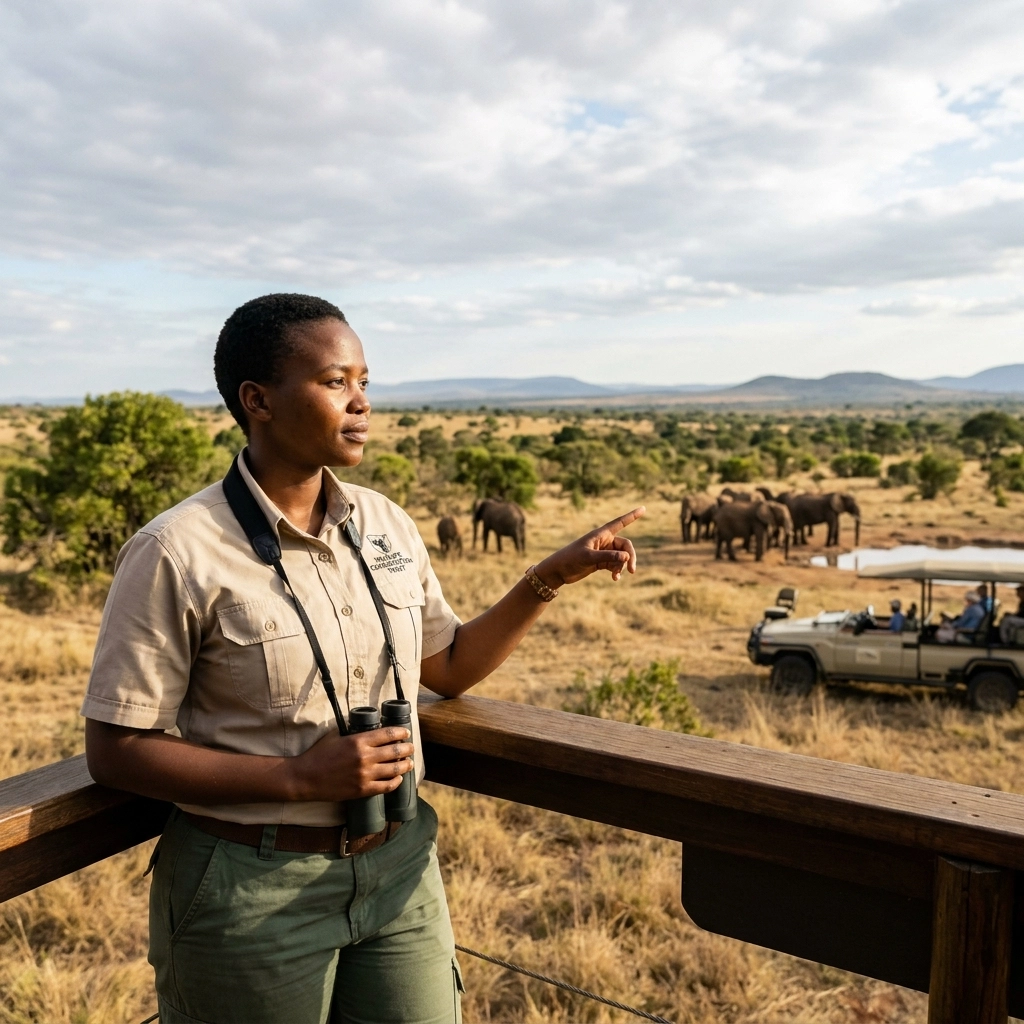
7 Mistakes You’re Making with Sustainable Wildlife Marketing (and How to Fix Them)
Marketing for zoos and aquariums has changed. It is no longer just about selling tickets. It is about proving a commitment to the planet.
We call this ESG. Environment. Social. Governance.
Many organizations struggle here. They use the wrong words. They use the wrong pictures. They lose the trust of their audience.
At Zoo Imagery, we see these mistakes every day. We also see the solutions.
Here are the seven biggest mistakes in sustainable wildlife marketing and how to fix them.
1. Using "Fluffy" Buzzwords
"Eco-friendly." "Green." "Sustainable."
These words are tired. They are empty. In 2026, the public sees right through them. If your campaign relies on these terms without proof, it is greenwashing. Even if your intentions are good.
The Fix:
Be specific.
- Instead of "eco-friendly," say "100% solar-powered habitats."
- Instead of "sustainable," say "locally sourced fish for our marine life."
- Use data. Concrete numbers.
- Strip the adjectives. Let the facts do the work.
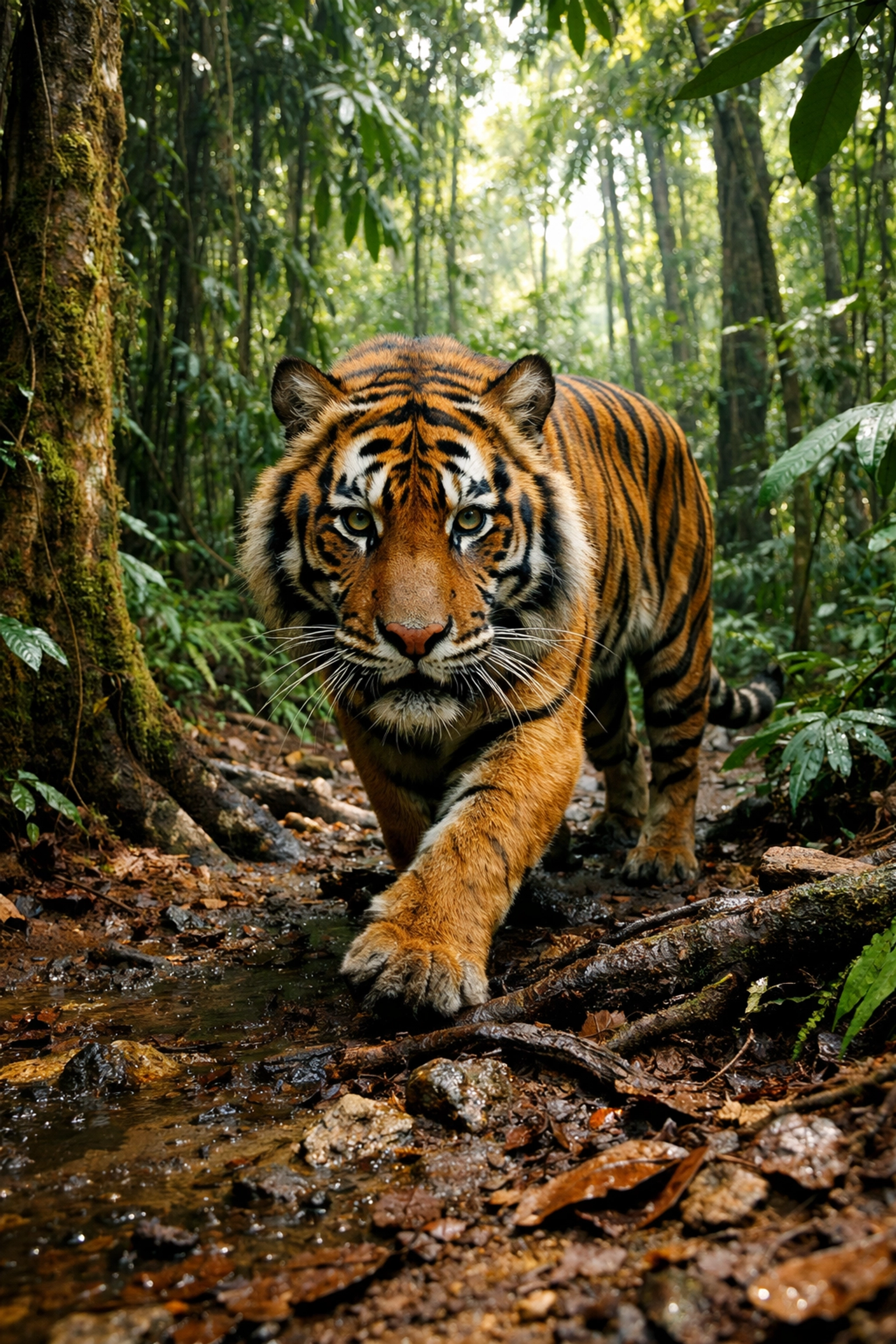
2. Generic Imagery for Specific Missions
You are talking about a specific conservation program in Africa. But your website uses a generic stock photo of a lion from a different region.
It looks fake. It feels disconnected.
Visual honesty is the foundation of trust. If the image doesn't match the story, the story fails.
The Fix:
Use high-quality, authentic media.
- Match the species to the location.
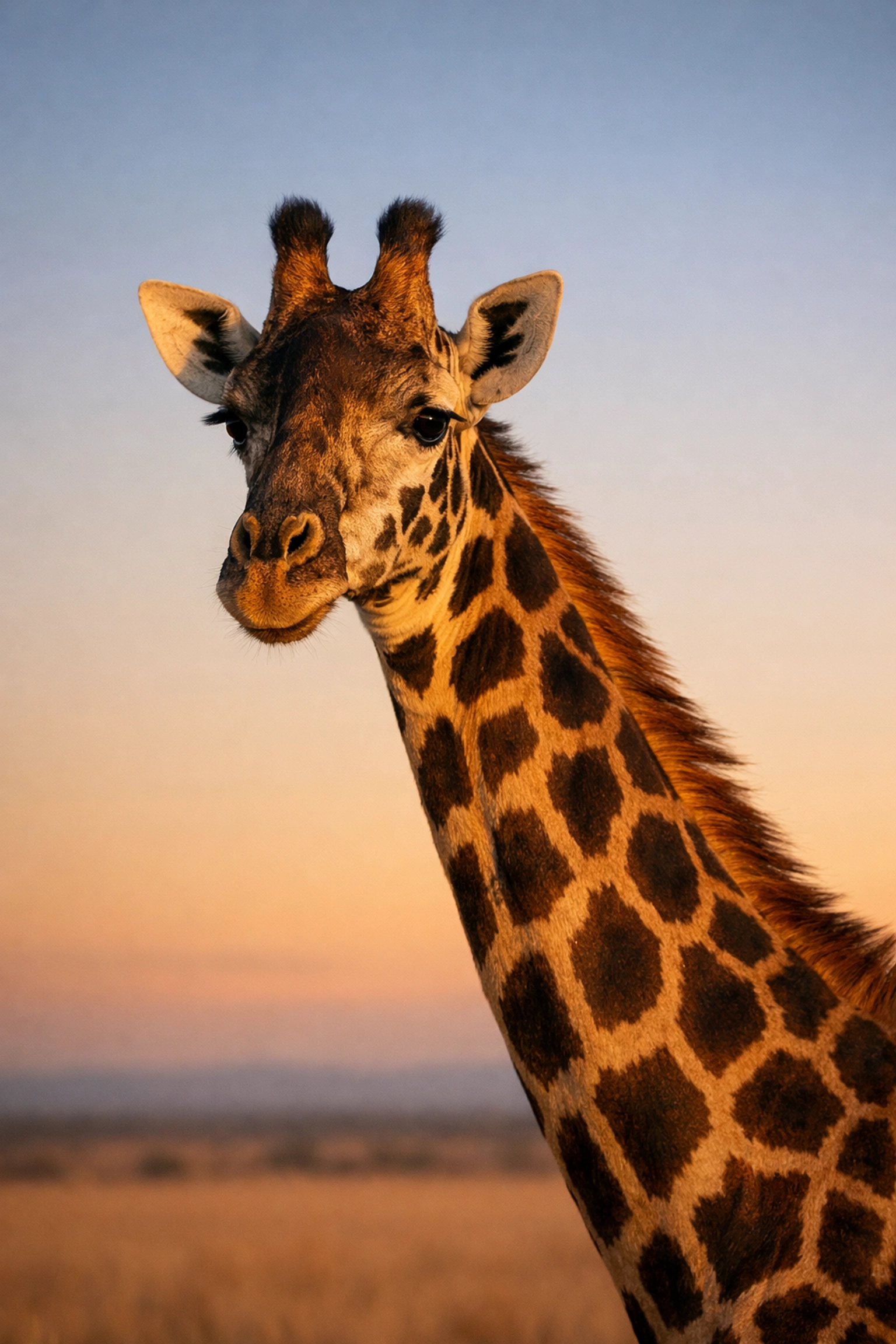
- Show the actual animals your program supports.
- Focus on "Species Spotlights."
- Visit zooimagery.com/listing-category/wild-tigers for imagery that represents real-world conservation contexts.
3. Ignoring the "S" in ESG
Wildlife marketing often focuses only on the animals. It forgets the people.
Sustainable conservation requires community support. It requires staff dedication. It requires a social license to operate.
If your marketing ignores the human element, it is only telling half the story.
The Fix:
Highlight the people behind the scenes.
- Showcase the researchers.
- Tell the stories of local communities living alongside wildlife.
- Feature your zookeepers.
- Humanize the science.
- Use fragments. Short stories. Real names.
4. Over-Complicating the Science
You have the data. You have the peer-reviewed papers. That is great for governance. It is terrible for a daily newsletter or a social post.
If the reader needs a degree to understand your impact, they will stop reading.
The Fix:
Simplify.
- One animal. One problem. One solution.
- Use plain language.
- "We saved ten birds" is better than "A 15% increase in avian population density was observed."
- Keep it direct.
- Look at our birds category for simple ways to visualize avian conservation.
5. Static Content in a Dynamic World
A PDF annual report is not a marketing strategy. It is a document.
Sustainable marketing needs to feel alive. If your content is just text and a few small photos, you are missing the engagement.
Wildlife is motion. Conservation is active. Your media should reflect that.
The Fix:
- Use short-form video.
- Use high-impact photography.
- Create "Presented by" pages for specific species.
- Let the visuals lead the conversation.
- Minimal text. Maximum impact.
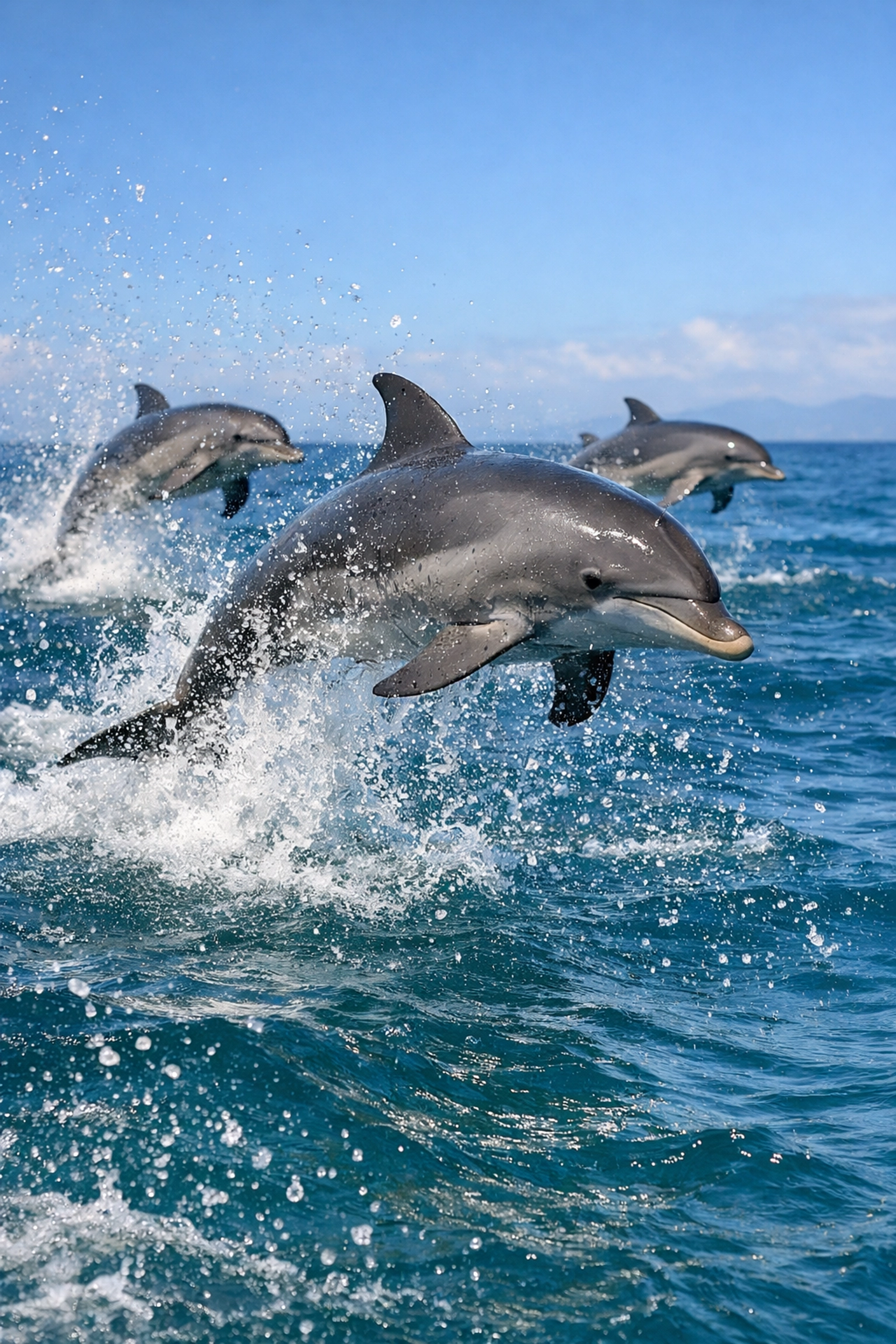
6. The "One Size Fits All" Campaign
Many zoos market the entire facility at once.
"Come to the Zoo."
This is a mistake for ESG-aligned campaigns. Corporate partners and donors want to align with specific causes. They want to sponsor a species, not a general fund.
The Fix:
Segment your marketing.
- Create sponsored species spotlights.
- Focus on specific successes.
- Example: A campaign solely focused on elephants.
- This allows partners to see exactly where their support goes.
- It makes the impact feel tangible.
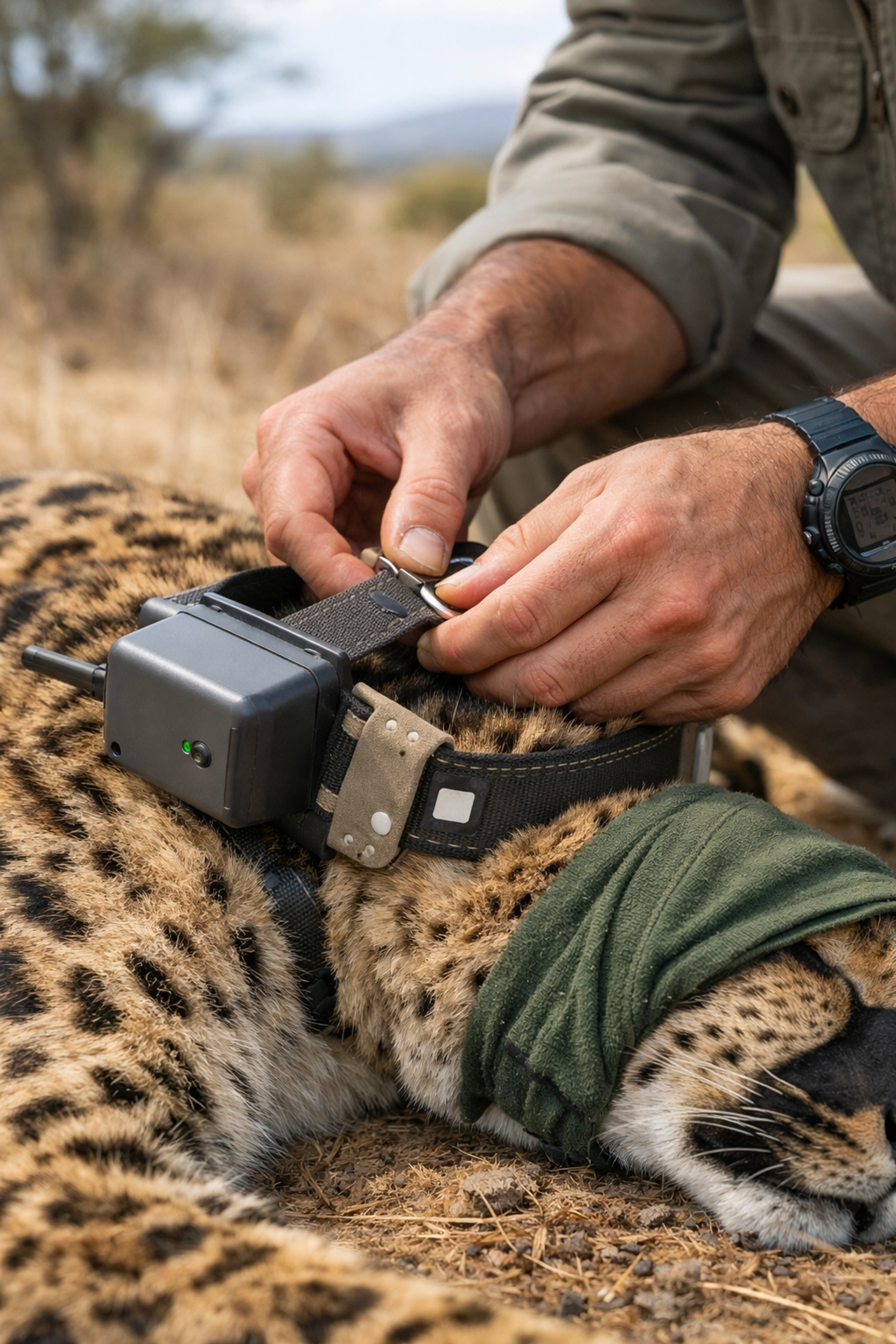
7. Hiding the "How"
Transparency is not optional.
If you say you are supporting polar bear habitats, show the work. Don't just show a bear. Show the ice. Show the research equipment. Show the progress.
Mistrust happens in the gaps between the promise and the proof.
The Fix:
- Document the process.
- Show the "behind the scenes" of conservation.
- Be honest about challenges.
- Transparency builds a professional baseline.
- Visit our press section for examples of clear, direct communication.
Why Simple Matters
At Zoo Imagery, we believe in quiet confidence.
We don't use hyperbole. We don't use "marketing speak." We provide the visual tools that zoos and aquariums need to tell honest stories.
The goal is quality over quantity.
Rarely but best.
When you align your marketing with real ESG goals: without the buzzwords: you build something lasting. You build a brand that people respect.
Next Steps for Your Marketing
Take a look at your current campaigns.
- Are they too wordy?
- Is the imagery generic?
- Are you hiding behind jargon?
Fix the small things first.
- Change one "eco-friendly" to a specific fact.
- Replace one generic photo with a specific species shot.
- Write shorter sentences.
Sustainable wildlife marketing isn't about being loud. It's about being right.
About Zoo Imagery
We provide stock photography and digital media solutions for the modern zoo and aquarium. Our focus is simple: high-quality visuals for conservation storytelling.
We help you build ESG-aligned campaigns that work.
Explore our library:
Work with us:
Keep your marketing simple. Focus on the mission. Let the animals speak for themselves.
Visit zooimagery.com to learn more about our consulting and media services.
Connect with Dan Kost on LinkedIn for daily insights on wildlife trends and digital media.
Zoo Imagery. Simple. Direct. Authentic.


