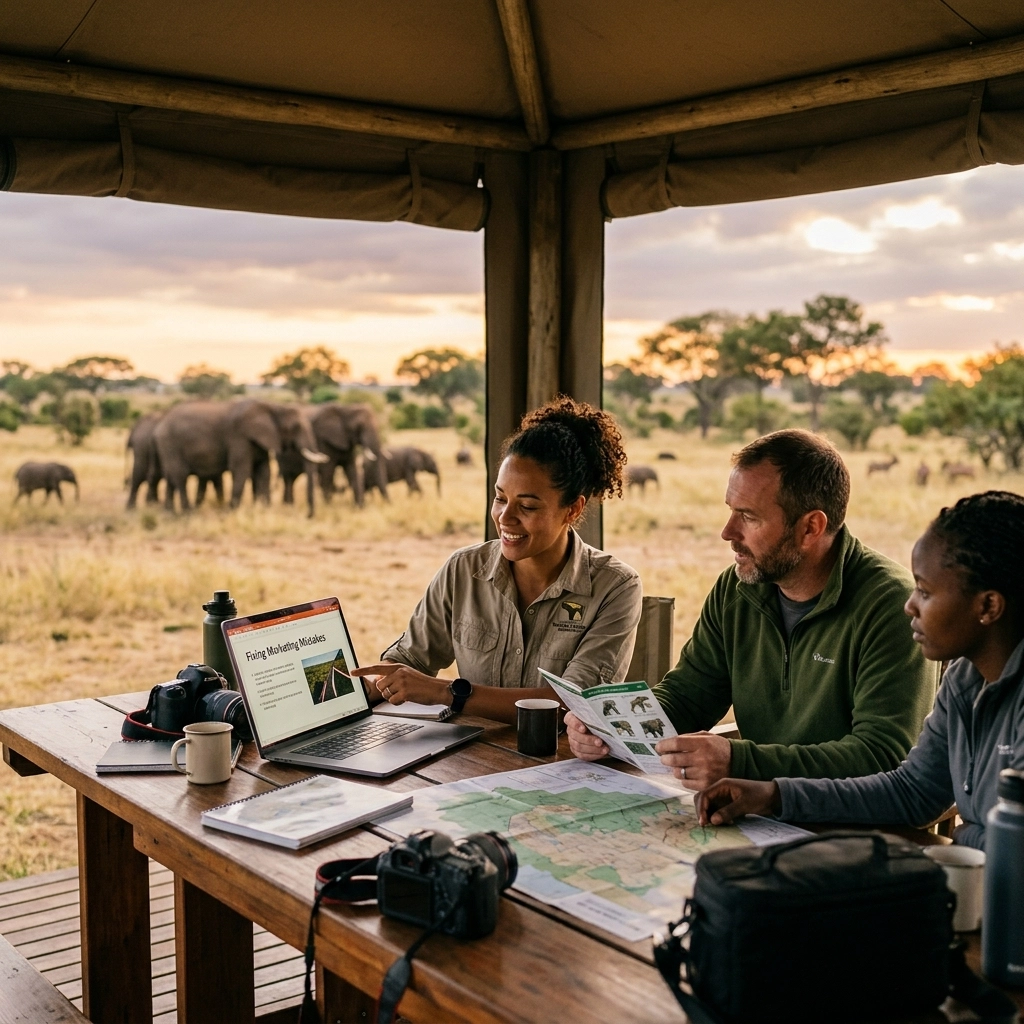
7 Mistakes You’re Making with Sustainable Wildlife Marketing (and How to Fix Them)
Sustainable marketing isn't about being loud. It is about being clear. In the world of zoos, aquariums, and wildlife conservation, the message often gets lost in the noise. You want to show impact. You want to drive engagement. But somewhere between the boardroom and the social media feed, the connection breaks.
Marketing for wildlife requires a specific touch. It is part education, part inspiration, and part corporate responsibility. If your campaigns feel like they are spinning their wheels, you might be making one of these seven common mistakes.
Here is how to identify them and fix them.
1. Leading with Jargon Instead of Clarity
Most people don't know what "biodiversity offsets" or "carbon sequestration" means. When you use industry-heavy terms, your audience tunes out. They want to see the animal. They want to know it is safe.
The Problem:
Using "buzzwords" to sound official. It creates a barrier between the viewer and the mission.
The Fix:
Talk like a person. Use simple, declarative statements.
- Instead of: "We are implementing a multi-faceted approach to mitigate habitat fragmentation."
- Try: "We are building corridors so elephants can walk safely between forests."
Keep it direct. Focus on the physical reality of the work, not the administrative label of the project.
2. Overusing Static, Low-Quality Visuals
A blurry photo from five years ago doesn't inspire trust. In digital media, quality is shorthand for credibility. If your imagery is dated, your audience assumes your conservation methods are too.
The Problem:
Relying on "good enough" photos. Inconsistent visual branding.
The Fix:
Invest in high-resolution, professional assets. Your visual library should reflect the majesty of the species you protect.
- Use vibrant, clear shots of wild tigers.
- Ensure every image aligns with your brand's tone.
- Update your library regularly.

3. Focusing Only on the Gloom
"Doom-scrolling" is a real phenomenon. If every post is about a species on the brink of extinction, people will eventually look away to protect their own peace of mind. Conservation is hard work, but the marketing shouldn't feel like a funeral.
The Problem:
Fear-based messaging that leads to audience fatigue.
The Fix:
The 80/20 rule.
- 80% of your content should focus on progress, beauty, and "wins."
- 20% should focus on the urgent challenges.
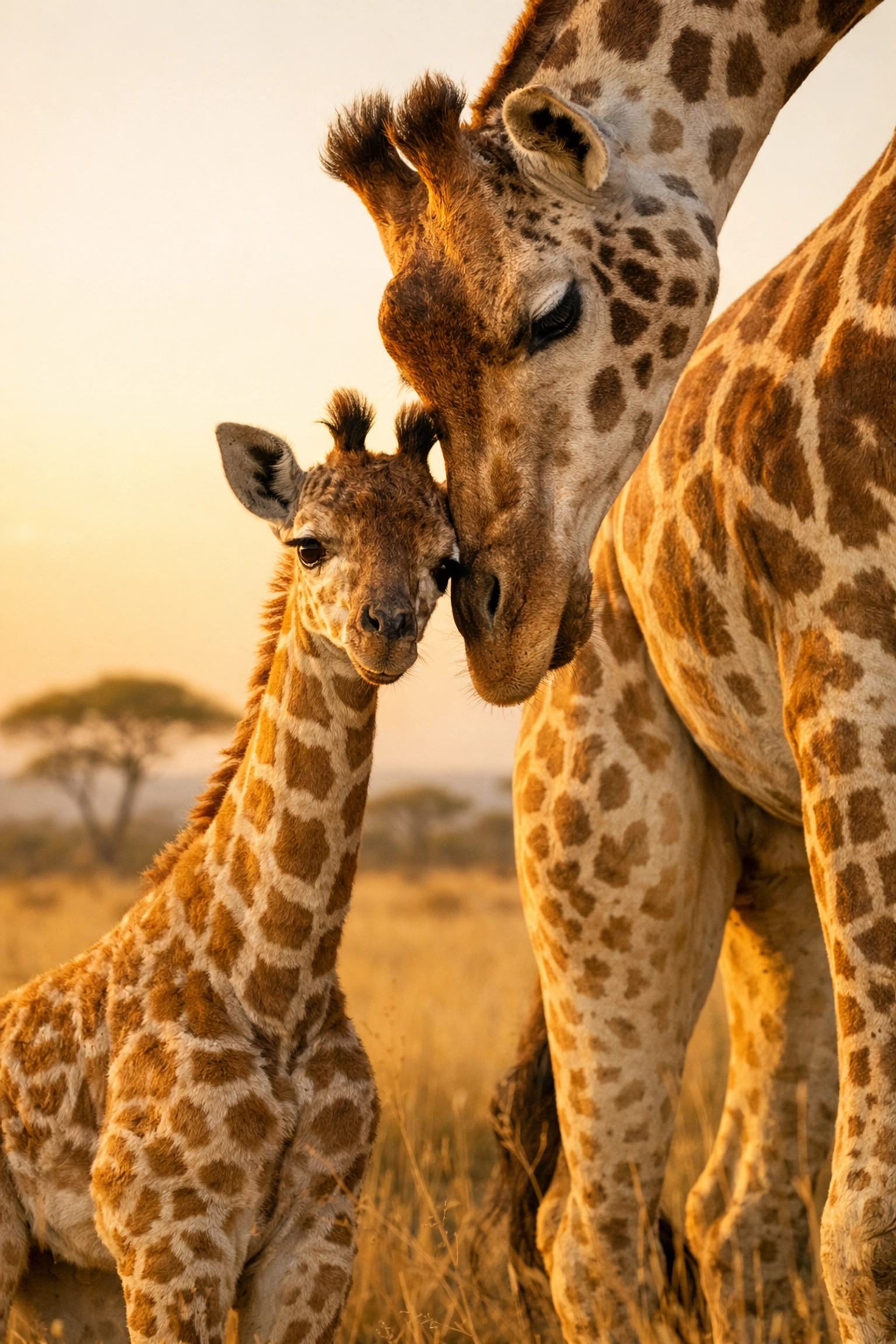
Show the beauty of giraffes in their natural state. Highlight a successful birth. Share a story of a rehabilitated animal returning to the wild. Give people a reason to hope, and they will give you a reason to keep going.
4. Neglecting the Human Element
Wildlife marketing is about animals, but it is funded and supported by people. If your campaign only shows the animal, you miss the connection. People want to see the scientists, the keepers, and the donors making a difference.
The Problem:
Clinical storytelling. No faces. No personality.
The Fix:
Introduce the team. Show the hands that feed the pandas.
- Document the daily routine of a keeper.
- Share a quote from a field researcher.
- Show a donor visiting the site.
When you show the human side of conservation, you make it relatable. It stops being a distant concept and starts being a community effort.
5. Making Claims Without Proof
In the age of transparency, "trust us" is not a strategy. Brands and organizations often claim they are "sustainable" or "eco-friendly" without providing the data to back it up. This leads to skepticism.
The Problem:
Vague promises. Lack of measurable outcomes.
The Fix:
Provide the numbers. Keep them simple.
- How many acres were protected?
- How many animals were treated?
- Where exactly did the donation go?
If you are running an ESG-aligned campaign (Environmental, Social, and Governance), show the alignment. Don't just say you care about the planet. Show the polar bears whose habitat you are helping to monitor. Use data as a supporting character in your story.
6. Ignoring the "Silent" Species
Everyone loves a big cat or a giant panda. They are "flagship species" for a reason. However, focusing only on the famous animals can make your organization look one-dimensional.
The Problem:
Neglecting the less "cuddly" animals that are vital to the ecosystem.
The Fix:
Tell the story of the underdog.
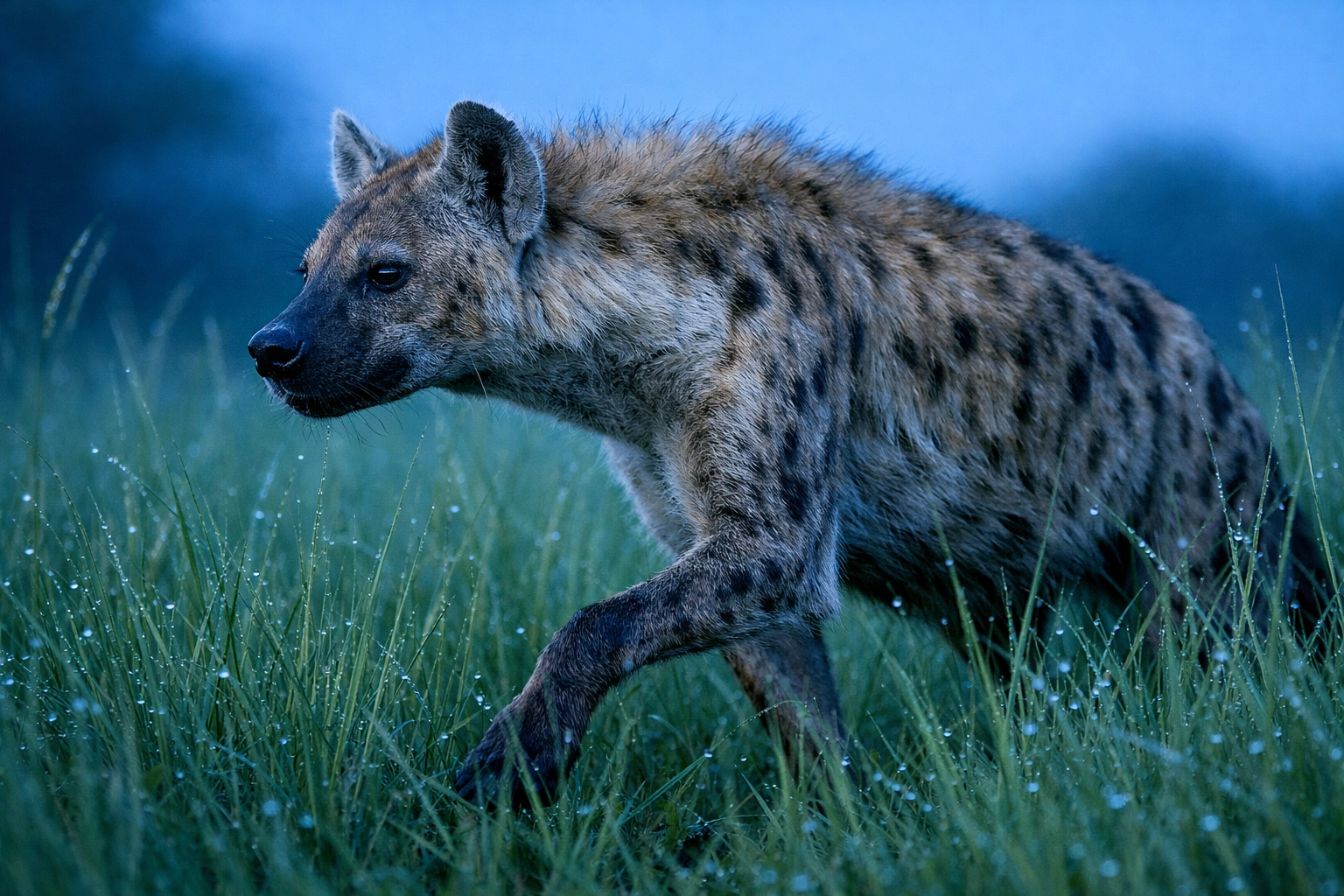
- Highlight hyenas and their role in the environment.
- Talk about the birds that migrate across continents.
- Explain how every species fits into the larger puzzle.
Broadening your focus shows a deeper commitment to the entire ecosystem. It builds authority and shows that you understand the complexity of nature.
7. Inconsistent Content Strategy
A "viral" post once every three months is not a strategy. Sustainable marketing requires a steady pulse. If you only post when you need money or when there is a crisis, your audience will feel used.
The Problem:
Sporadic updates. Disappearing for weeks at a time.
The Fix:
Establish a rhythm. A daily or weekly newsletter style is effective for staying top-of-mind.
- Monday: Species Spotlight.
- Wednesday: Behind the Scenes.
- Friday: Conservation Update.
Consistency builds trust. Trust builds long-term support.
Why This Matters Now
By 2026, the expectations for digital media have shifted. Audiences are more savvy. They can spot a generic campaign from a mile away. They want authenticity. They want to feel like their engagement matters.
At Zoo Imagery, we believe that better visuals lead to better conservation. When you represent an animal with dignity and high-quality photography, you elevate the entire cause.
Marketing shouldn't be a chore. It should be a window into the work you do every day.
The Simplified Checklist for Your Next Campaign:
- Remove the fluff. Read your copy out loud. If it sounds like a textbook, rewrite it.
- Check the visuals. Are they high-resolution? Do they evoke emotion?
- Prove it. Include one solid fact or number.
- Tag the team. Who made this happen?
- Link back. Always give the audience a place to go next.
Marketing for the Future
The goal of sustainable wildlife marketing is to ensure that the "marketing" part eventually becomes unnecessary because the "sustainability" part has succeeded. Until then, we tell stories.
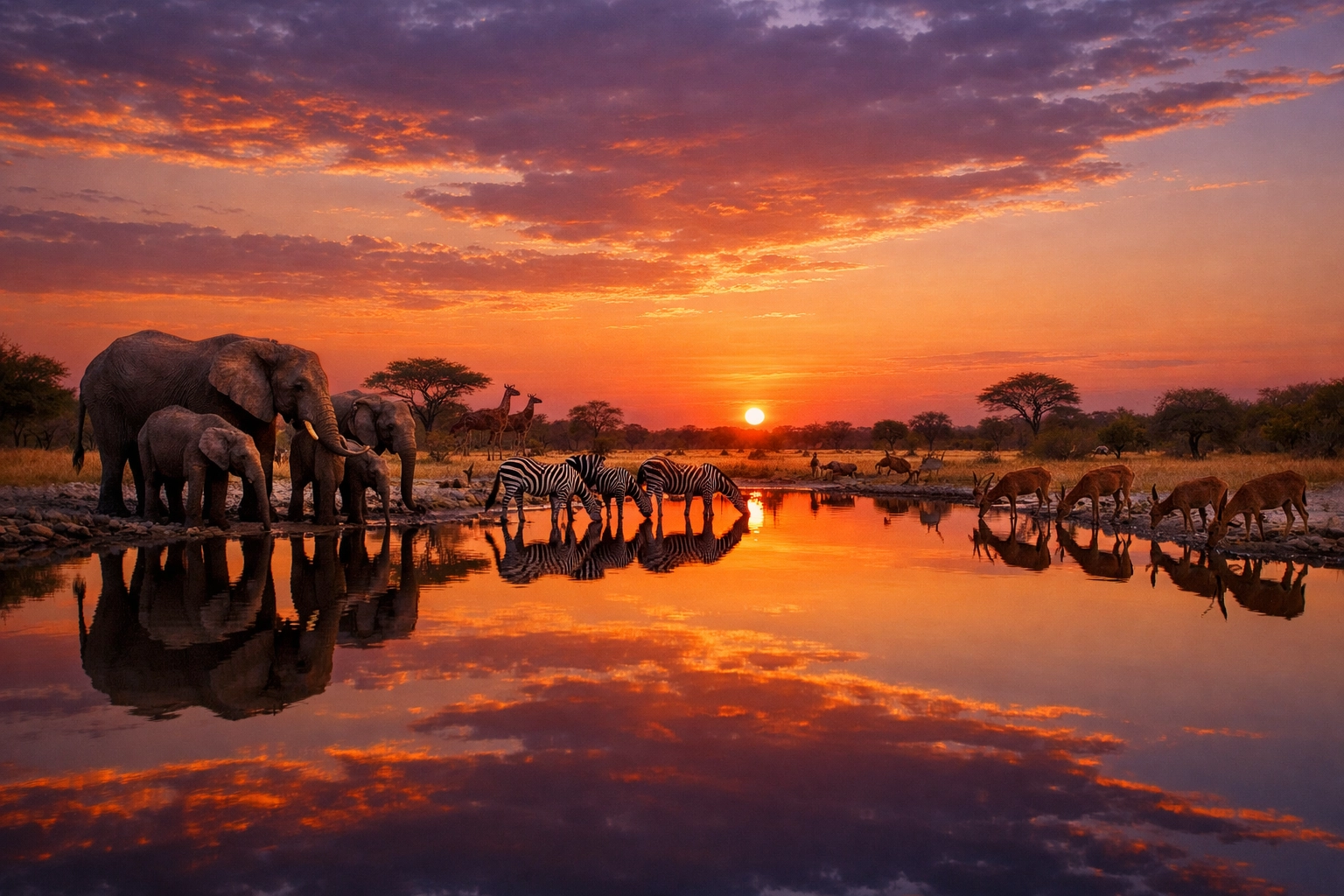
We tell stories about lions in the savannah and the people who track them. We tell stories about the small wins that lead to big changes.
Don't let these seven mistakes hold your mission back. Simplify your message. Sharpen your visuals. Be consistent.
The animals deserve a voice that is clear, honest, and professional.
Need to upgrade your visual library?
Explore our curated collections of professional wildlife photography and digital media solutions.


