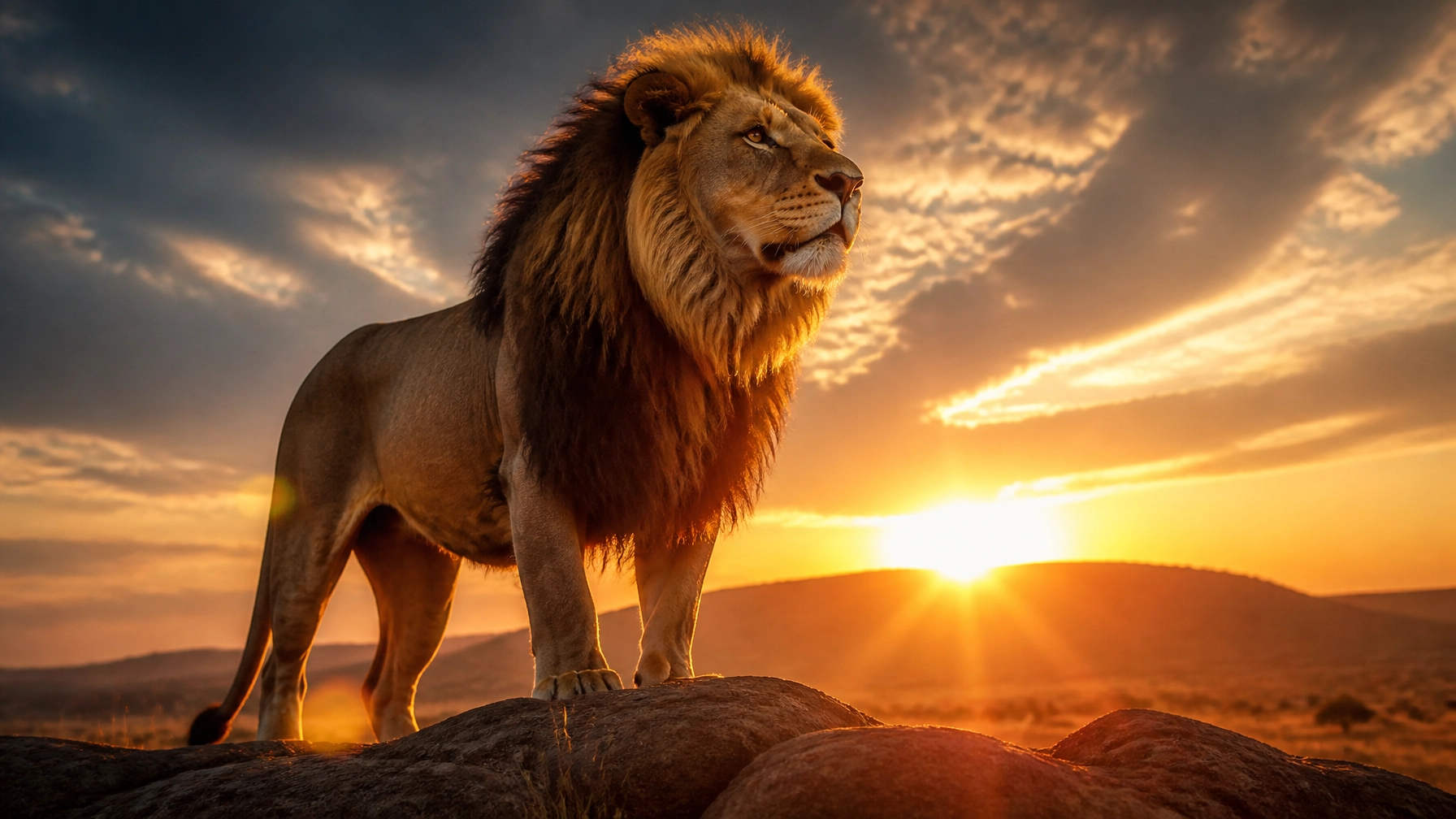
7 Mistakes You’re Making with Sustainable Campaigns (and How High-Quality Zoo Animal Photos Can Fix Them)
Sustainable marketing is changing. In 2026, audiences demand more than a green logo. They want proof. They want connection.
Many campaigns fail because the visuals don’t match the mission. High-quality imagery bridges that gap. It turns abstract goals into tangible reality.
At Zoo Imagery, we provide the visual assets needed for impact. Stunning animal photography. Professional quality. Authentic moments.
Here are the seven mistakes damaging your sustainable campaigns: and how to fix them.
1. The "Green Wallpaper" Effect
Brands often use animal photos as a decorative "halo." They hope the image makes the product feel eco-friendly by association.
The Mistake:
- Using cute animals to hide unsustainable practices.
- Borrowing a "green" aesthetic without substance.
- Creating a mismatch between the visual and the brand's actual footprint.
The Fix:
Stop using animals as wallpaper. Use them as the story. If your campaign supports tiger conservation, use high-resolution tiger photography. Make the species the center of the narrative. High-quality portraits create an emotional anchor that "green" colors cannot replicate.
2. Vague Claims and the Data Gap
Regulators are tightening rules. "Planet-kind" or "Eco-friendly" are no longer enough.
The Mistake:
- Pairing vague promises with stock wildlife photos.
- Lacking evidence for sustainability claims.
- Risking greenwashing accusations.
The Fix:
Transparency is the new standard. Pair your data with precise imagery. If you funded a polar bear habitat study, show the polar bear. High-resolution photography provides visual evidence of what is being protected. It makes your ESG-aligned reporting concrete.

3. Poor Visual Quality and the Trust Deficit
Grainy, low-resolution photos signal a lack of investment. If the imagery is cheap, audiences assume the effort is, too.
The Mistake:
- Using outdated or pixelated stock photos.
- Relying on generic, flat imagery.
- Ignoring the psychological impact of professional photography.
The Fix:
Invest in high-resolution, documentary-style photography. Quality builds trust. Research shows that vibrant, professional animal photos increase engagement and support. We offer diverse categories in both landscape and portrait formats. Crisp details and natural lighting convey a sense of professionalism and commitment.
4. Static Engagement in a Dynamic World
Traditional campaigns often feel like a one-way lecture. They lack the energy of real-world interaction.
The Mistake:
- Relying solely on static, professional-only content.
- Missing out on user-generated content (UGC).
- Failing to engage visitors at the source.
The Fix:
Leverage picture marketing. Our ZooMedia.us phone app allows zoos and aquariums to turn guest photos into marketing assets. This drives real-time engagement and provides ROI tracking. It blends professional imagery with authentic human experiences.

5. Ethical Gray Areas in Wildlife Sourcing
In 2026, the "how" matters as much as the "what." Invasive wildlife photography can harm the very species it claims to help.
The Mistake:
- Using photos taken by disturbing wild animals.
- Promoting unsafe human-wildlife interactions.
- Sourcing from unethical or unverified photographers.
The Fix:
Use photography sourced from controlled, ethical environments like zoos and aquariums. This ensures animal safety while providing stunning close-up access. Zoo-based photography allows for high-quality shots without the environmental footprint of travel to remote locations. It is a more sustainable choice for content creators.
6. The Cliché Overload
The marketing world is saturated with the same five animal photos. The "lonely polar bear" or the "howling wolf" have become background noise.
The Mistake:
- Using over-familiar stock images.
- Lacking variety in species representation.
- Failing to stand out in a crowded feed.
The Fix:
Diversify your visual library. We offer categories ranging from hyenas and pandas to rare birds and fish. Use "micro-expressions": moments of curiosity, play, or focus: that feel less like a stock photo and more like a captured memory. Unique species attract more attention than clichés.

7. The Human Disconnect
Sustainable campaigns often focus so much on the planet that they forget the people.
The Mistake:
- Depicting nature as an empty, distant wilderness.
- Erasing the human connection to conservation.
- Writing in a cold, corporate tone.
The Fix:
Show the connection. Conservation happens because of people. Integrate imagery that reflects the joy of discovery. Use sparse, direct language that emphasizes quality over quantity. Focus on "the win": the successful project, the healthy species, the engaged community.
Summary of Fixes
| Mistake | Visual Solution | Result |
|---|---|---|
| Green Wallpaper | Authentic Portraits | Emotional Storytelling |
| Vague Claims | Specific Species | Concrete Proof |
| Poor Quality | High-Res Documentary | Brand Trust |
| Static Content | ZooMedia.us App | ROI Tracking |
| Ethical Gaps | Zoo-Sourced Images | Visual Integrity |
| Clichés | Rare Categories | Standout Content |
| Disconnect | "Micro-expressions" | Human Connection |
Moving Forward
Sustainable marketing isn't about being perfect. It's about being clear. It's about showing the work.
High-quality animal photography is a tool for clarity. It makes your mission visible. It makes your impact undeniable.
Explore our full library of stunning animal photography at ZooImagery.com.
Ready to boost visitor engagement? Learn more about the ZooMedia.us app.
Connect with us on LinkedIn for daily marketing insights and wildlife trends.


