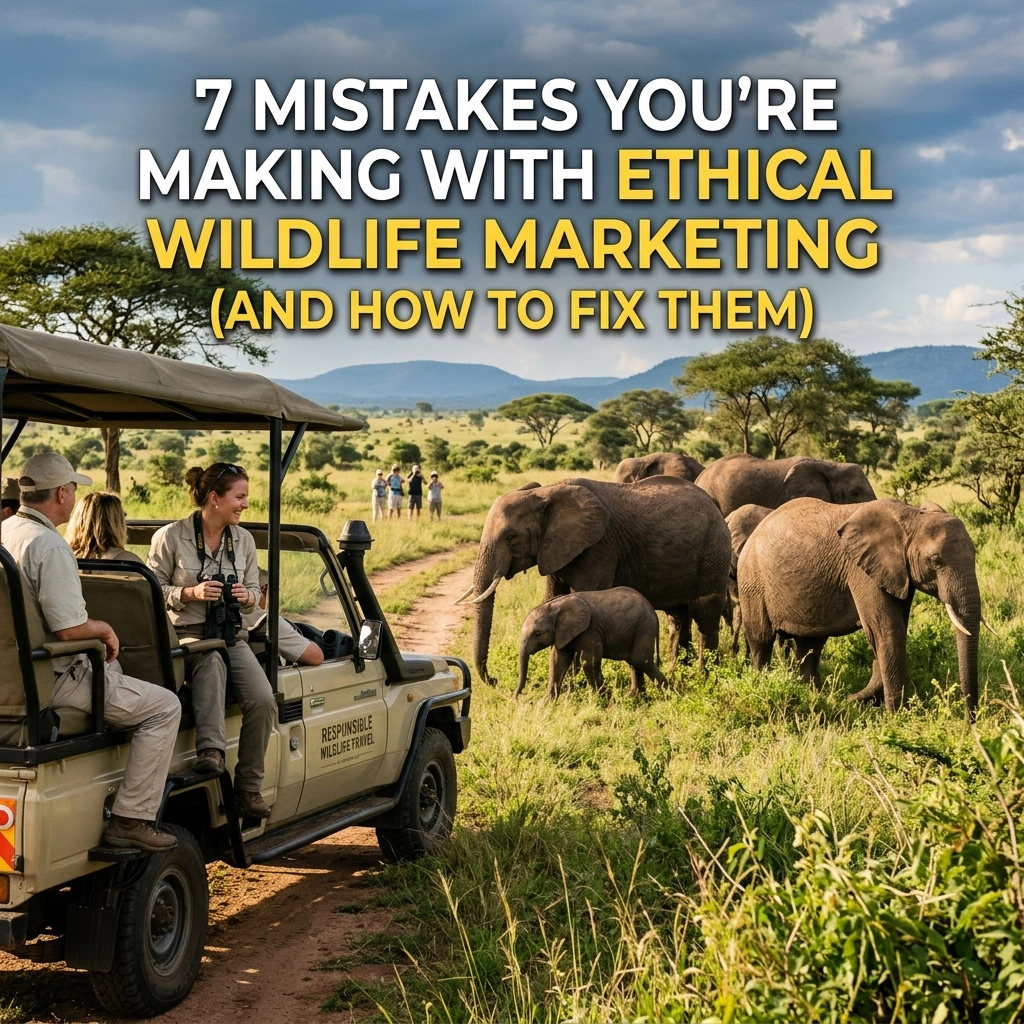
7 Mistakes You’re Making with Ethical Wildlife Marketing (and How to Fix Them)
Ethics in wildlife marketing isn't a suggestion. It's a requirement.
In 2026, audiences are smarter. They see through the fluff. They know when a photo looks "too perfect." They can spot a staged interaction from a mile away. If your zoo, aquarium, or conservation brand is still using old-school tactics, you aren't just losing engagement. You’re losing trust.
At Zoo Imagery, we see these mistakes daily. We help brands pivot toward authentic, responsible storytelling.
Here are the seven most common mistakes in ethical wildlife marketing: and how to fix them today.
1. Prioritizing "The Perfect Shot" Over Animal Welfare
We’ve all seen them. The images where a predator is looking directly into the lens from inches away. The birds in flight that seem almost too close to the camera.
Often, these shots are achieved through baiting. Live prey or food is used to lure an animal into a specific spot. Sometimes, animals are even temporarily caged or "posed."
Why it fails:
- It alters natural behavior.
- It creates a false expectation for visitors.
- It can lead to animal habituation, which is dangerous.
- Modern audiences recognize staged content and feel deceived.
The Fix:
Focus on patience. Authentic wildlife photography is about waiting for the moment, not forcing it. Use stock libraries that guarantee ethical capture methods.
Promote observation-based marketing. Highlight the animal doing what it does naturally: sleeping, foraging, or interacting with its environment: not performing for a lens.
2. Promoting the "Animal Selfie" Culture
Social media has a dark side. The desire for "Instagram-worthy" moments has led to a rise in photos where humans are touching, holding, or standing right next to wild animals.
If your marketing materials feature people holding tiger cubs, parrots on shoulders, or "hugging" orangutans, you are fueling a dangerous industry.

Why it fails:
- It encourages illegal wildlife trade and "pay-to-play" schemes.
- It stresses the animal.
- It devalues the animal as a living being, turning it into a prop.
- It creates a safety risk for the human involved.
The Fix:
Adopt a "Distance is Respect" policy. Your marketing should show humans observing from a safe, respectful distance.
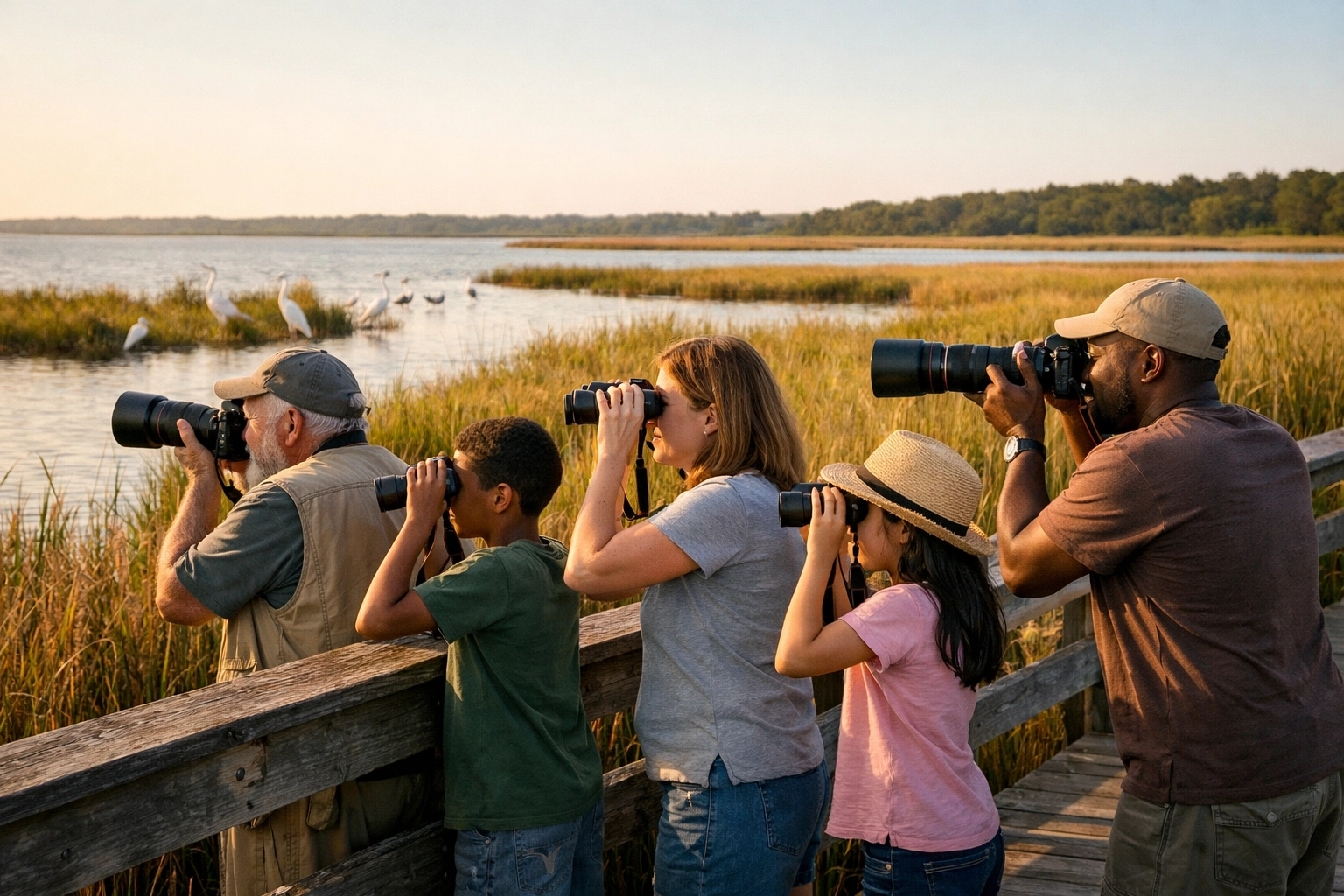
Use imagery that emphasizes the scale and majesty of the animal without a human in the frame. If you must include people, show them using binoculars or cameras from behind a barrier or at a natural distance.
3. Relying on Vague Buzzwords
"Eco-friendly." "Green." "Conservation-focused." "Sanctuary."
In the marketing world, these words are often used as shields. They sound good, but they frequently lack substance. Many facilities call themselves "sanctuaries" while continuing to breed animals for entertainment or allowing public handling.
Why it fails:
- It leads to "greenwashing" accusations.
- It creates confusion for the consumer.
- It masks bad practices, which eventually come to light.
- It dilutes the work of genuine conservationists.
The Fix:
Be specific. Don’t just say you support conservation. Show it.
Instead of using a buzzword, state the facts:
- "10% of every ticket goes directly to the [Specific Project] in Sumatra."
- "We provide a permanent home for animals that cannot be released back into the wild."
- "Our facility is accredited by [Recognized Body]."
Transparency is the best marketing tool you have.
4. Marketing Unnatural Interactions as "Educational"
Many zoos and aquariums market "encounters" or "shows" under the guise of education. If the animal is performing a trick that has no basis in natural behavior: like a dolphin tail-walking or an elephant painting: it isn't education. It’s entertainment.
Why it fails:
- It teaches the public that animals exist for our amusement.
- It misrepresents the animal's biology and needs.
- Savvy visitors now find these displays outdated and uncomfortable.
The Fix:
Pivot to "Species Spotlights." Market your animals by highlighting their unique natural adaptations.
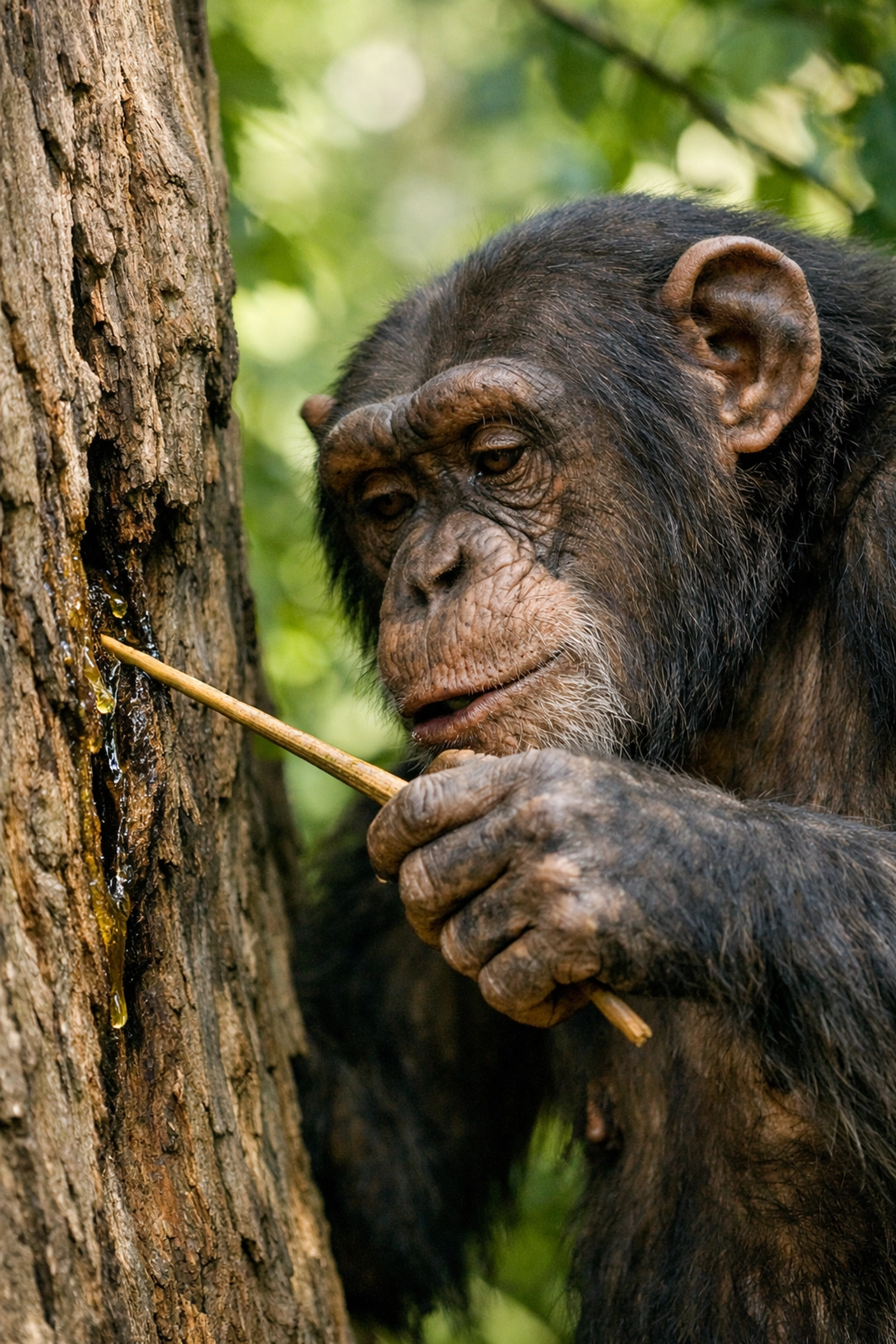
Instead of a show, market a "Natural Behavior Demonstration." Show how a bird of prey hunts or how a primate uses tools to find food. This is genuinely educational and respects the animal’s dignity.
Check out our blog for more ideas on conservation storytelling.
5. Misrepresenting Habitats in Imagery
It is tempting to crop a photo tightly to hide a fence or a concrete wall. While you want your marketing to look beautiful, presenting a captive animal as if it is in the wild can be misleading.
Why it fails:
- It creates a disconnect when the visitor arrives.
- It hides the reality of the animal's life.
- It can prevent the public from understanding the need for better habitat funding.
The Fix:
Be honest about the environment. Use high-quality imagery that shows naturalistic habitats. If an animal is in a modern, enriched enclosure, show it.
Highlight the enrichment items: the logs, the climbing structures, the puzzles. This tells a story of care and welfare. If you need better visuals of ethical captive environments, browse our library at zooimagery.com.
6. Ignoring the "Souvenir" Supply Chain
Marketing isn't just about the photos on your website. It’s about the entire visitor experience. If your marketing promotes a "wildlife adventure" but your gift shop sells feathers, shells, or items made from questionable animal products, your message is compromised.
Why it fails:
- It contradicts your conservation mission.
- It supports industries that may be harming the very species you claim to protect.
- It looks hypocritical to your donors and partners.
The Fix:
Audit your inventory. Use your marketing channels to highlight your commitment to sustainable sourcing.
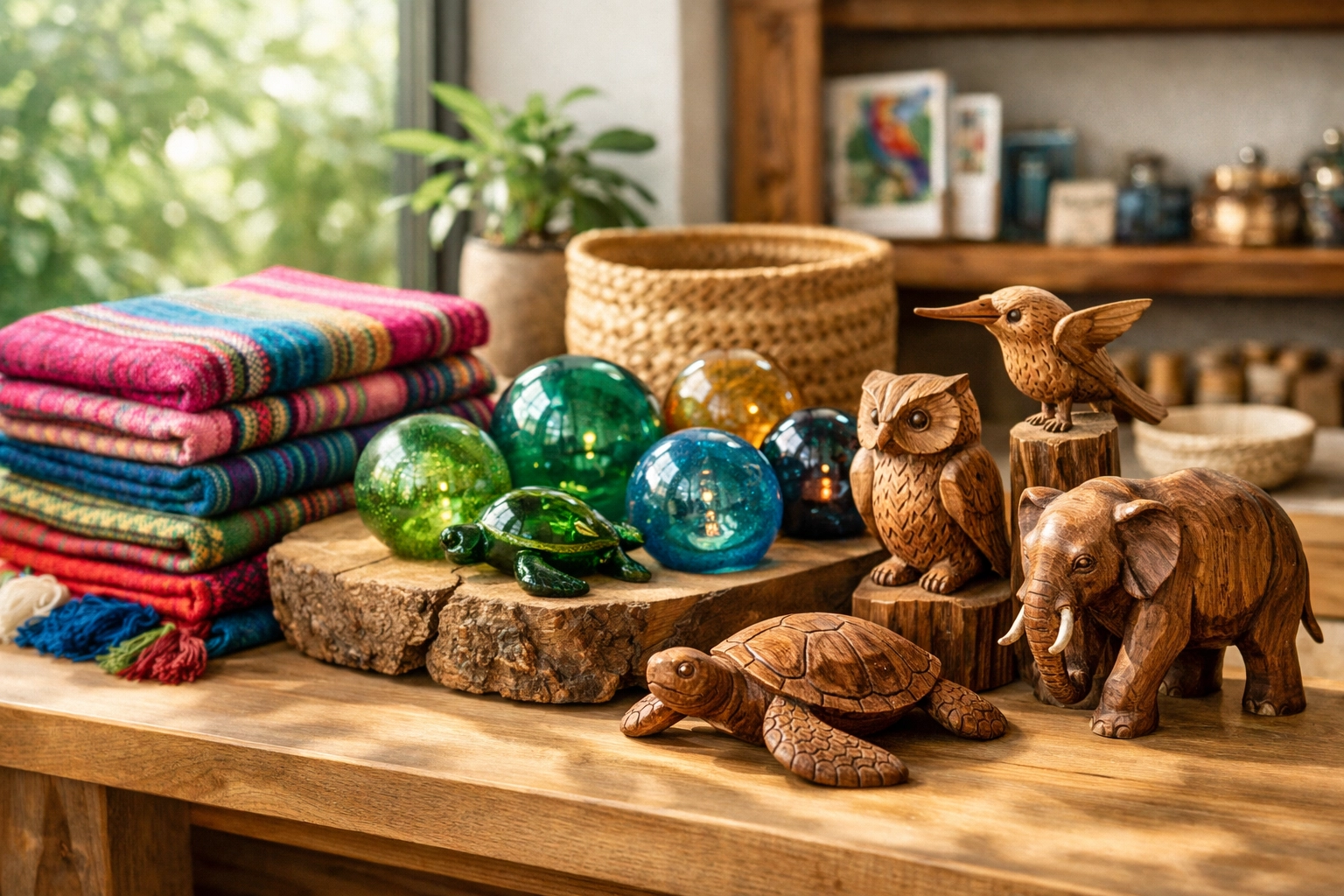
Promote "Products with Purpose." Tell the story of the local artisans who make your souvenirs or the recycled materials used in your apparel. Explicitly state in your marketing that you do not support the trade of wildlife-derived products.
7. Guaranteeing "Perfect" Experiences
"See a lion hunt!" or "Guaranteed sightings!"
Marketing wildlife with guarantees is a mistake. Animals are unpredictable. When you promise a specific interaction or a "perfect" moment, you put pressure on staff and animals to perform.
Why it fails:
- It sets visitors up for disappointment.
- It leads to unethical practices like baiting to ensure the "guaranteed" sight.
- It treats wildlife like a theme park attraction.
The Fix:
Manage expectations through "The Beauty of the Search."
Market the experience of being in nature. Highlight the rarity of sightings. Teach your audience that seeing an animal in its own time is a privilege, not a right. This builds a deeper appreciation for the wildlife and the work you do.
The Path Forward: Simple, Honest, Ethical
Marketing for zoos and aquariums is changing. We are moving away from the era of "spectacle" and toward the era of "stewardship."
Ethical marketing isn't about being perfect. It’s about being transparent. It’s about admitting that we are always learning how to do better by the animals in our care.
At Zoo Imagery, we believe that simple, high-quality visuals are the foundation of this transition. When you use authentic imagery, you don't need buzzwords. The animals tell the story themselves.
Next Steps for Your Brand:
- Audit your current assets. Look at your website and social media. Are there any "selfie" style photos?
- Update your brand guidelines. Explicitly ban the use of baited or staged imagery.
- Tell the hard stories. Don't just show the cute babies. Show the conservation challenges and the work being done behind the scenes.
- Partner with ethical creators. Ensure your photographers and videographers follow a strict code of ethics.
If you’re looking for imagery that aligns with your values, we can help. Our library is built on the principle of respect for the animal and the environment.
Ready to upgrade your marketing?
Visit zooimagery.com to explore our collection of ethical stock photography and digital media solutions.
You can also follow our journey and get more insights on LinkedIn. Let’s tell better stories together.
About Dan Kost
CEO of Zoo Imagery. Passionate about animal welfare and the power of a simple, honest photograph.
About Zoo Imagery
We provide high-quality stock photography and digital media solutions for the zoo and aquarium industry. Simple. Ethical. Effective.


