7 Mistakes You’re Making with Aquarium Marketing (and How to Fix Them with Better Fish Stock Photos)
Visuals matter. In the aquarium world, they are everything. People visit aquariums for the "wow" factor. They want to see the vibrant colors. The fluid movement. The alien beauty of life underwater.
If your marketing doesn't match that experience, you lose them.
Many brands struggle. They use grainy photos. They use the wrong fish for the wrong message. They miss out on the power of specific species storytelling.
At Zoo Imagery, we see these errors daily. We help brands fix them.
Here are the 7 biggest mistakes in aquarium marketing and how to turn them around using better stock photography.
1. Using Low-Resolution or Blurry Images
Quality is non-negotiable.
Many marketers pull low-res images from generic sources. The result? Grainy fins. Pixelated scales. A dull atmosphere. This screams "unprofessional."
Aquarium life is high-definition by nature. Your photos must reflect that.
The Fix:
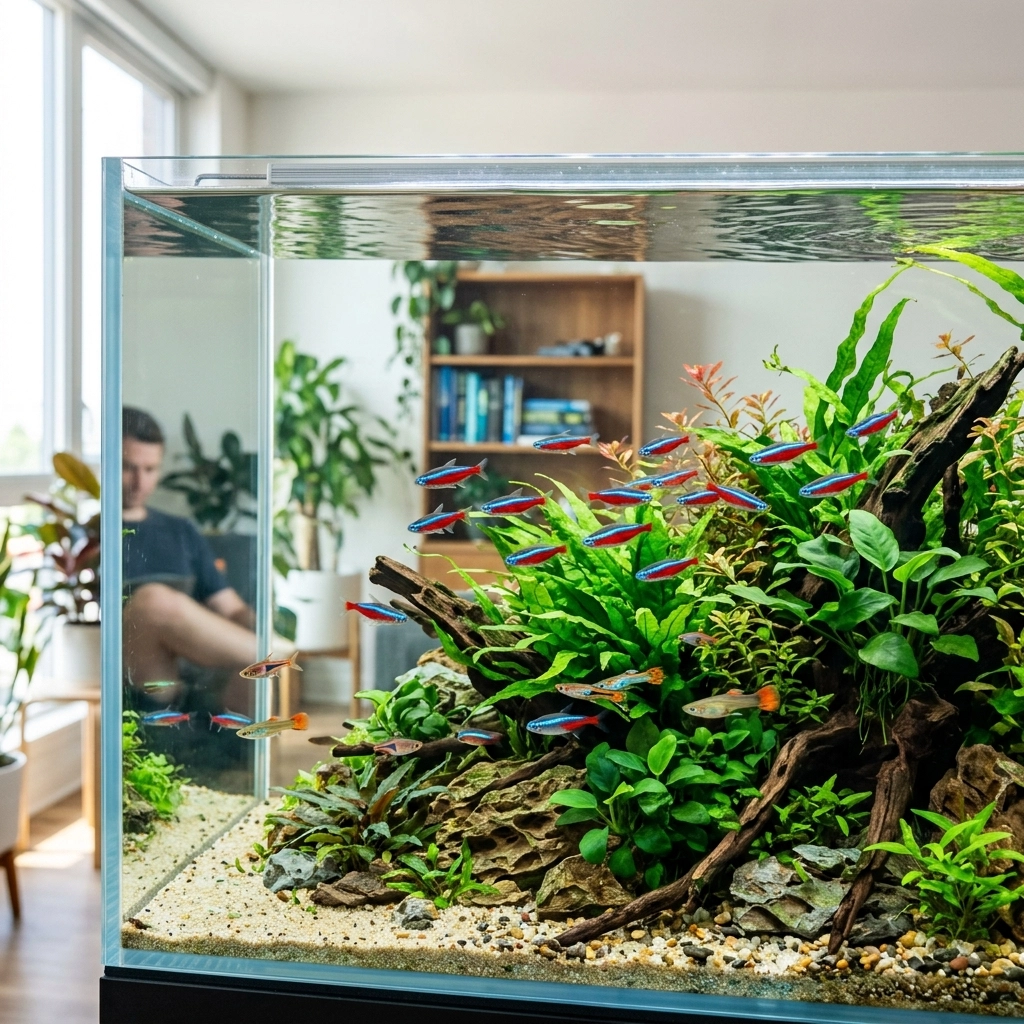
Use professional-grade stock. High-resolution imagery captures the details. The texture of a starfish. The shimmer of a neon tetra.
At Zoo Imagery, we provide crisp, clear files.
- High DPI.
- Vibrant color profiles.
- Professional lighting.
When the image is clear, the brand is trusted.

2. Species Misidentification
Nothing kills credibility faster than a mistake in biology.
Marketing a "Tropical Paradise" but showing a cold-water goldfish? Your audience will notice. Passionate hobbyists and conservationists are your primary demographic. They know their fish.
The Fix:
Accuracy.
Ensure your stock library is categorized by experts.
- Saltwater vs. Freshwater.
- Reef-safe vs. Predatory.
- Correct naming conventions.
Zoo Imagery focuses on accurate animal stock photography. We label our assets so you don't have to guess. Use our "Presented by" animal pages to find the exact species you need for your campaign.
3. Ignoring the Power of "Sponsored Species Spotlights"
Most marketing is too broad. "Come see the fish" is a weak message.
Specifics drive engagement.
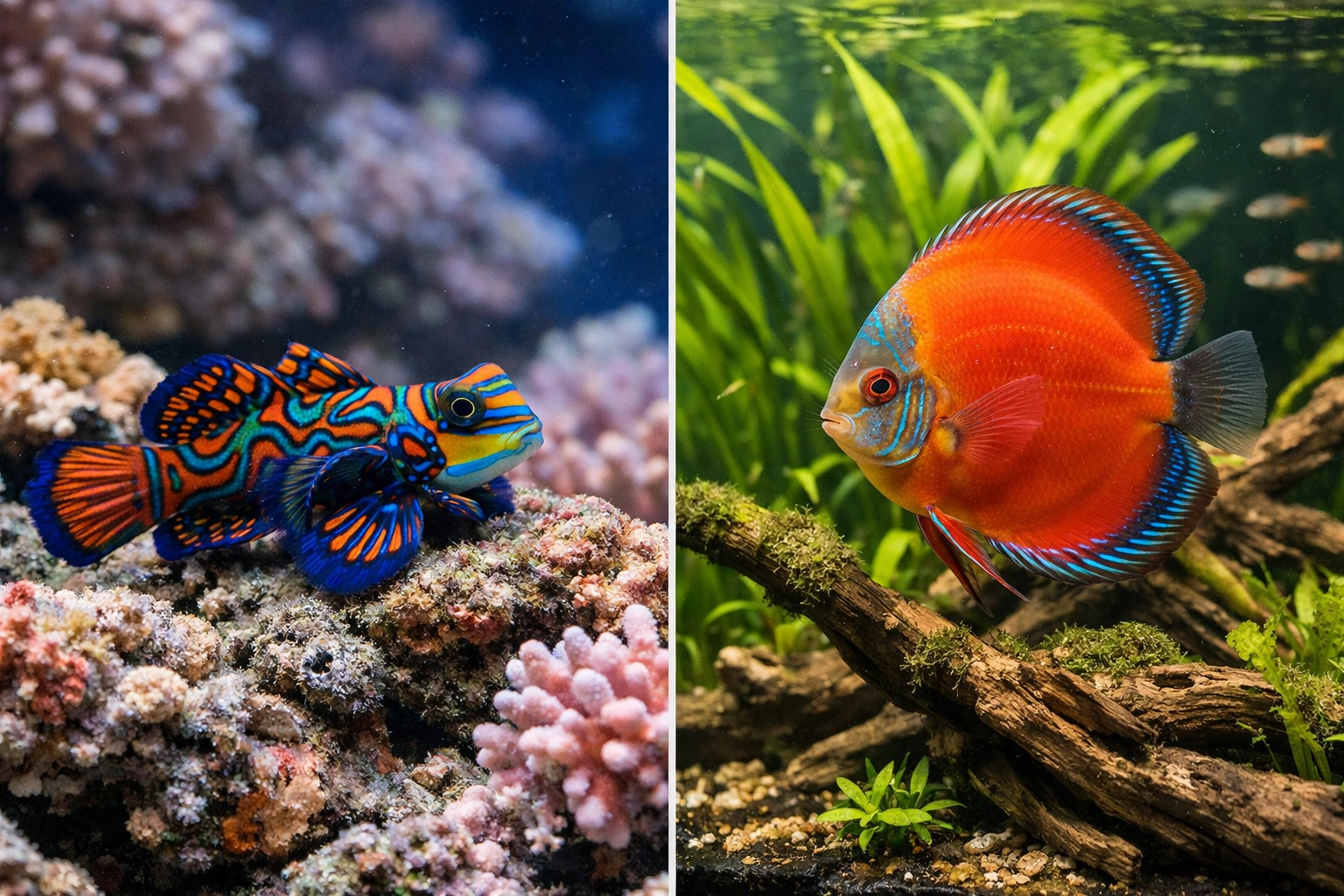
People connect with individual animals. They want to learn about the Blue Tang. The Great White. The Axolotl.
The Fix:
Run a Sponsored Species Spotlight.
Pick one animal. Tell its story. Use high-quality imagery to showcase its personality.
- Focus on unique behaviors.
- Highlight habitat needs.
- Use a dedicated landing page.
This creates a focal point for your audience. It makes the marketing feel personal rather than corporate.
4. Failing to Use "Presented By" Branding
Your brand needs to be associated with positive emotions.
When people look at a beautiful sea turtle, they feel awe. They feel a desire to protect. Brands often miss the chance to align with those feelings.
The Fix:
Utilize "Presented by" animal pages.
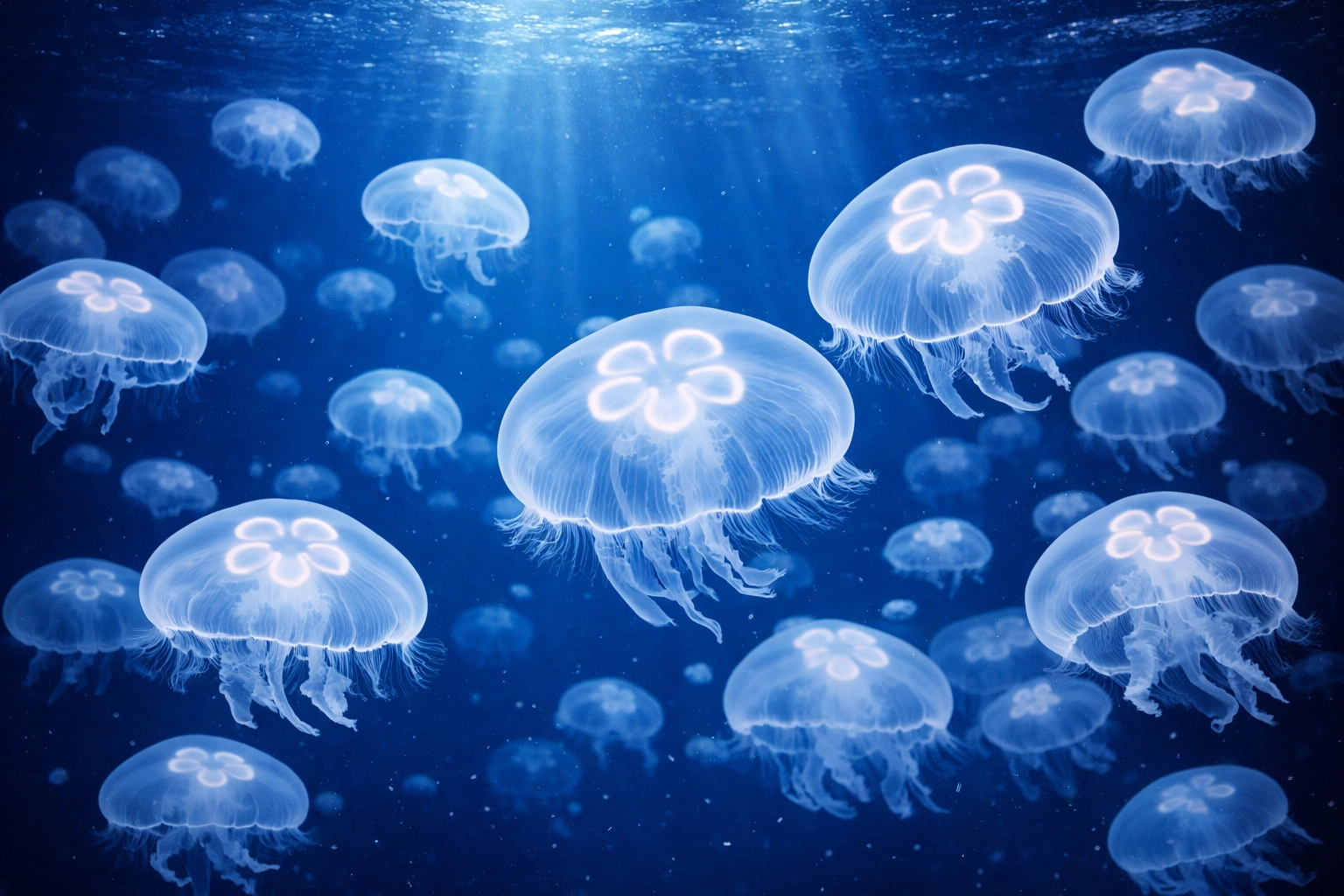
Imagine a digital gallery of jellyfish. Your logo sits at the top.
"The Moon Jelly Exhibit, presented by [Your Brand Name]."
This is a soft-sell technique. It builds trust.
- ESG-aligned marketing.
- Transparent brand association.
- High-value digital real estate.
It places your brand in a context of education and conservation.
5. Overlooking Conservation Storytelling
Modern consumers care about the planet.
If your marketing is just "look at this pretty fish," you’re missing a layer. People want to know about the ocean. They want to know about sustainability.
The Fix:
Use imagery that tells a conservation story.
Don't just show a fish. Show its environment. Show the reef.
- Connect photos to impact stories.
- Use visuals that support sustainability goals.
- Align with environmental initiatives.
Stock photography should support the narrative of protection and wonder. It’s not just a filler; it’s a tool for change.
6. Static and Boring Composition
Standard side-view shots are boring.
If every photo in your brochure looks the same, the viewer checks out. You need variety. You need movement.
The Fix:
Choose dynamic stock photography.
- Macro shots of eyes or patterns.
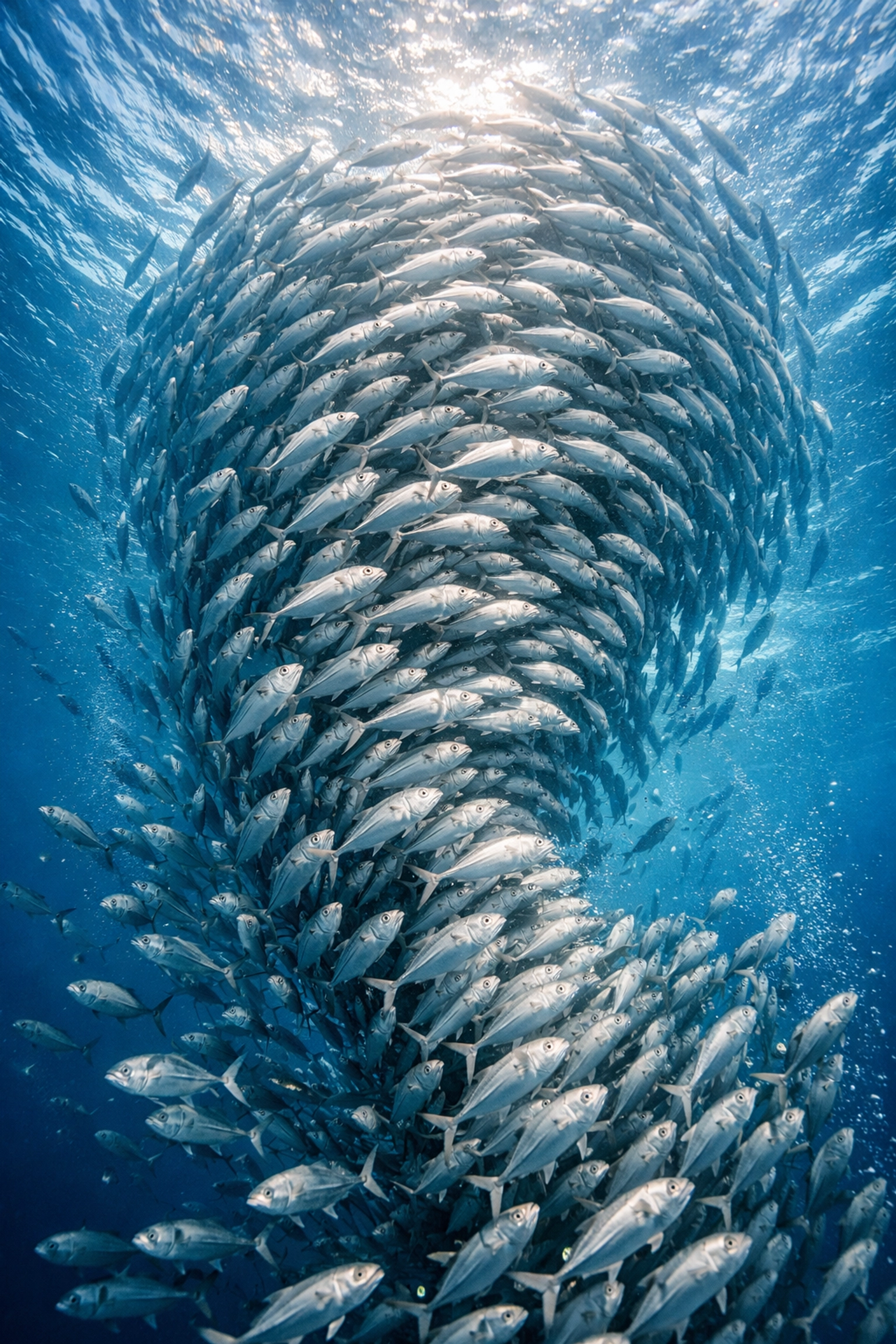
- Group shots of schools moving together.
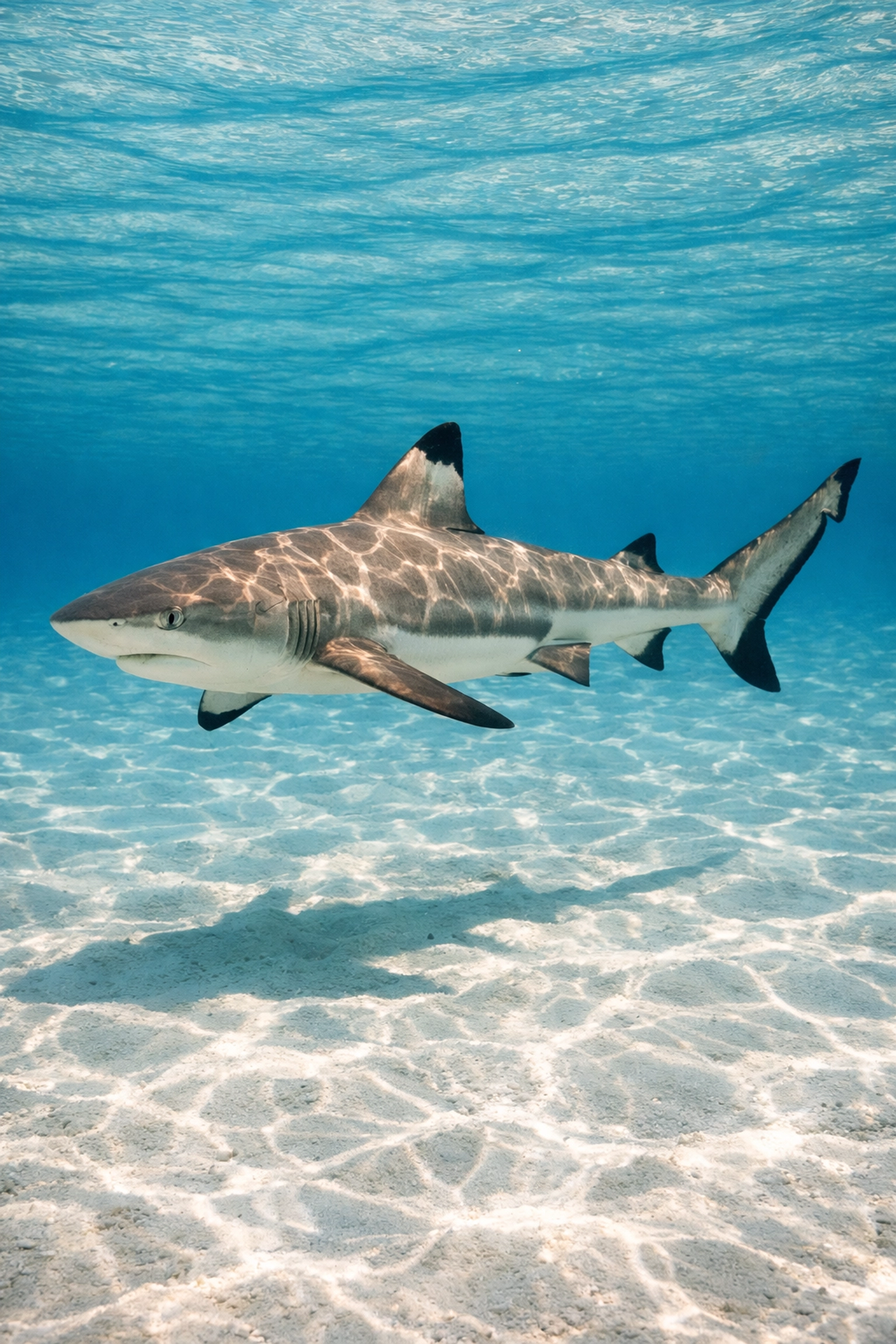
- Top-down views of rays or sharks.
- Interaction between species.
Diversity in composition keeps the viewer engaged. It mimics the experience of walking through an actual aquarium.
7. No Clear Engagement Path
You have a great photo. You have a good species spotlight. But where does the reader go?
Many aquarium ads are dead ends.
The Fix:
Create a path.
Every image should lead somewhere.
- A link to a "Presented by" page.
- A "Learn More" button on a species spotlight.
- A direct CTA to your website.
Keep it simple. Don't clutter the image. Let the photography do the heavy lifting, then provide a clear next step.

Why Zoo Imagery?
We understand the niche. We are not a generic stock site.
Zoo Imagery specializes in digital media for the zoological and aquarium industry.
What we offer:
- Simple access: No complex licensing hoops.
- Expertise: We know the animals we photograph.
- Innovative formats: "Presented by" pages and sponsored spotlights.
- Quality: Only the best shots make the cut.
We help you avoid the common mistakes. We provide the tools for better marketing.
Simple Marketing. Better Results.
Aquarium marketing doesn't have to be complicated.
- Use high-quality photos.
- Be accurate.
- Focus on specific animals.
- Partner with a library that understands your mission.
Stop using bad fish photos. Start telling better stories.
Take Action
Ready to upgrade your visual library?
Explore our collections and see how "Presented by" pages can transform your digital presence.
Visit us: zooimagery.com
Connect with us: Zoo Imagery on LinkedIn
Zoo Imagery
Simple. Professional. Animal-focused.
Post by Dan Kost, CEO
Monday, 20 of April 2026


