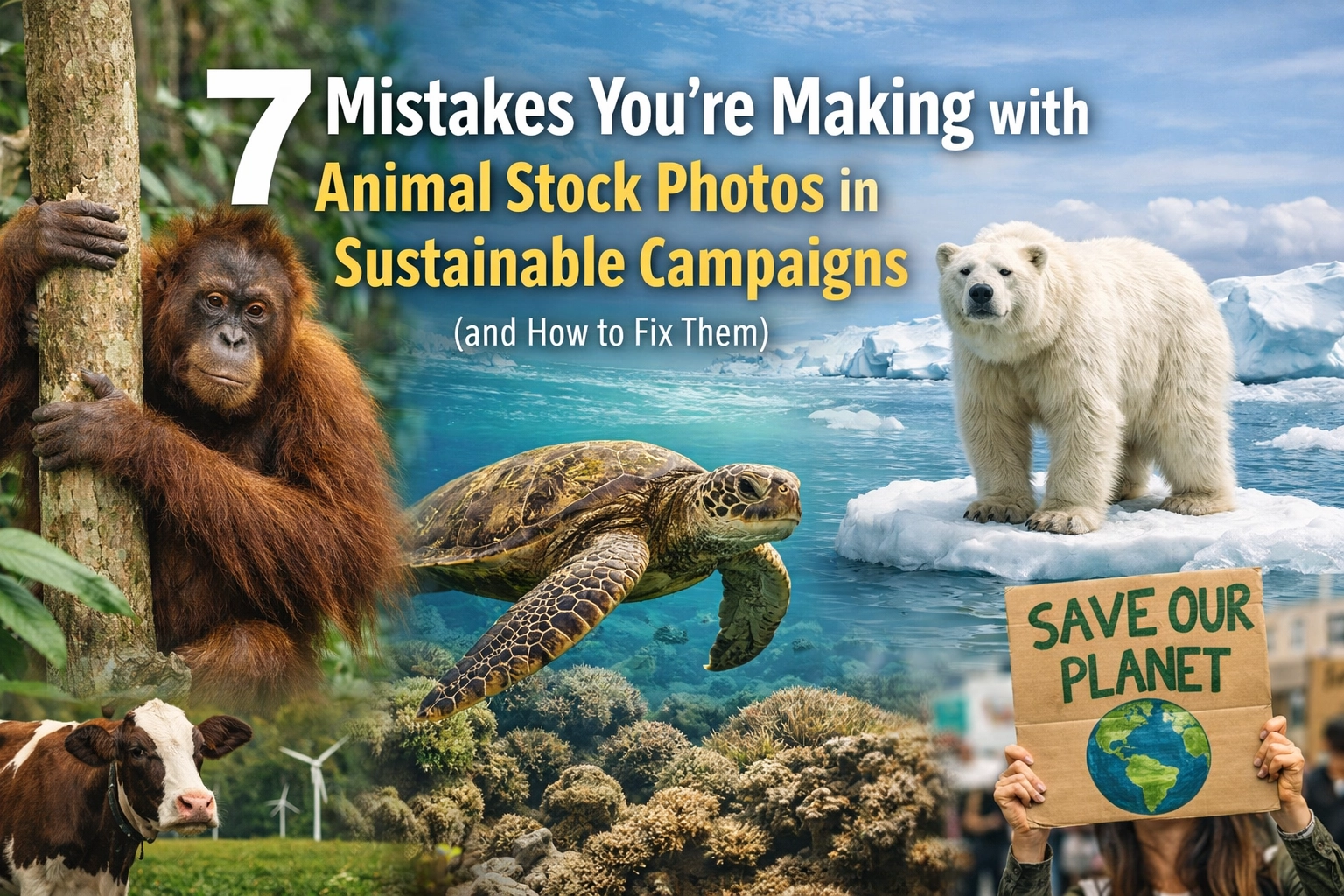
7 Mistakes You’re Making with Animal Stock Photos in Sustainable Campaigns (and How to Fix Them)
Good morning.
In marketing, a picture is a shortcut. It bypasses the brain and hits the gut. For zoos, aquariums, and brands focused on environmental goals, that shortcut is often an animal.
But some shortcuts lead to a dead end.
Sustainable campaigns are meant to build trust. They aim to show a commitment to the planet. Yet, many organizations use imagery that actively works against conservation goals. It’s a quiet contradiction.
Here are the 7 most common mistakes we see in animal stock photography usage, and how to get it right.
1. Mixing Humans and Wildlife
It seems natural. A person holding a baby orangutan. A tourist smiling next to a slow loris. It looks like a connection.
It isn't.
The Mistake:
Including humans in close contact with wild animals.
The Data:
Research shows that when people see images of humans interacting with primates, their desire to own that animal as a pet increases. It also makes the animal appear less endangered in the viewer's mind.
The Fix:
- Show wildlife in its natural context.
- Show people working in the field (researchers, vets).
- Keep them in separate frames.
- Never show physical contact.
2. The "Cute" Factor (Infant Overload)
Baby animals sell. They get clicks. They get likes. But they don't always get results for conservation.
The Mistake:
Relying solely on infant animals to drive engagement.
The Impact:
Like human-animal interaction, baby animal imagery drives the illegal pet trade. Viewers post "I want one" instead of "How can I help?"
The Fix:
- Use images of adult animals in their prime.
- Focus on behavior: hunting, foraging, or resting.
- Tell a story of a species, not just a "cute" moment.
3. Anthropomorphism
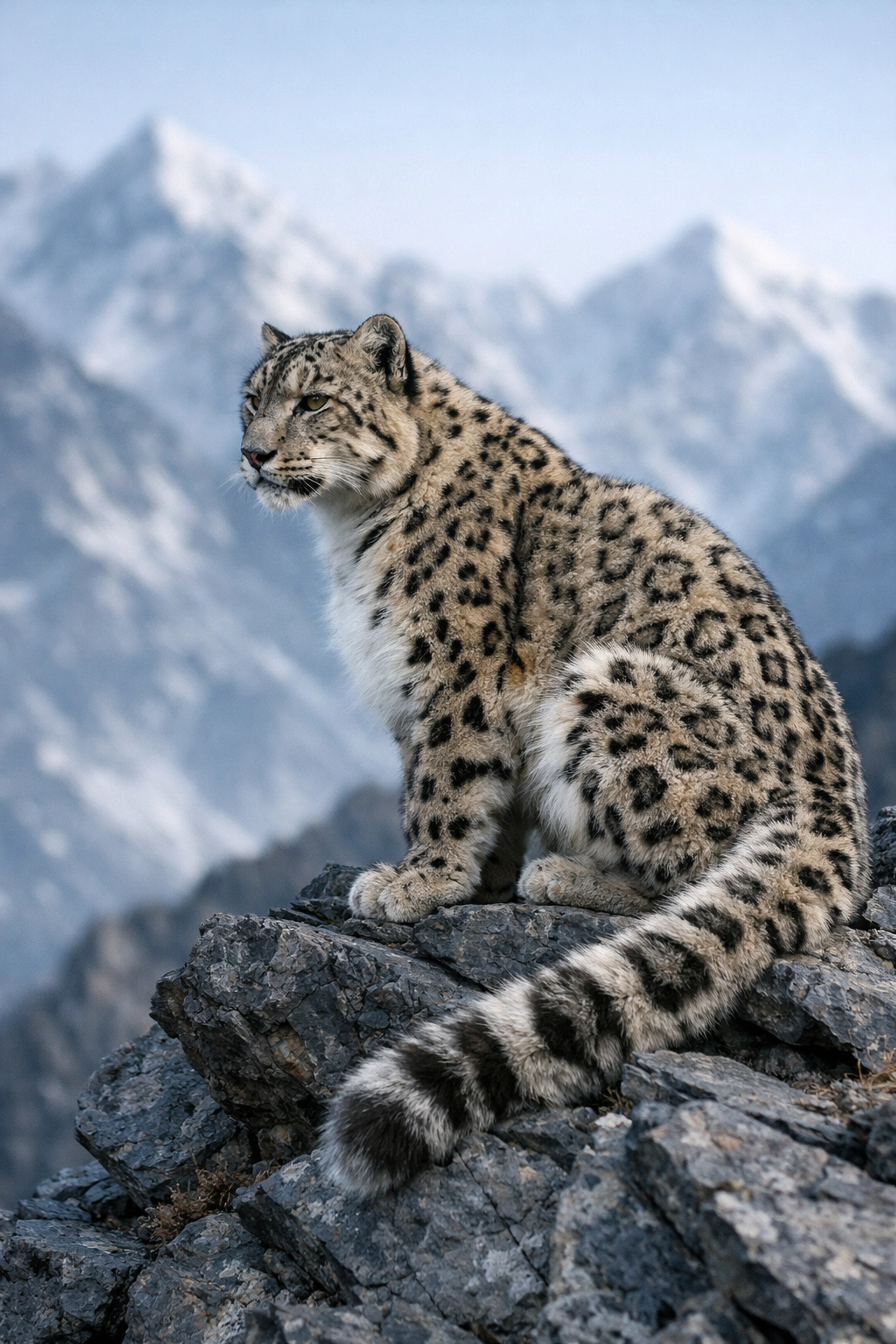
We love to see ourselves in animals. We dress them up. We put them in "human" poses.
The Mistake:
Using stock photos where animals are wearing clothes, riding bicycles, or mimicking human expressions.
Why it’s a problem:
It devalues the animal’s biological reality. It turns a living creature into a prop. For a campaign centered on sustainability and ethics, this is a major red flag.
The Fix:
- Authenticity is key.
- Choose candid shots.
- Look for "biological accuracy", behavior that the animal would actually perform in the wild.
4. Cultural Blind Spots
An image that works in Denver might fail in Delhi. Animals carry heavy symbolic weight that changes at every border.
The Mistake:
Ignoring the cultural connotations of specific species.
The Examples:
- Owls: Wisdom in the U.S.; bad luck or stupidity in parts of Asia.
- Dogs: Companionship in the West; seen as "unclean" in many Muslim cultures.
- Snakes: Often viewed with fear or as a bad omen, regardless of their ecological importance.
The Fix:
- Know your audience.
- Research local folklore and perceptions of the animal before launching a global campaign.
- Use neutral, majestic species for broad international appeals.
5. Geographical and Biological Inaccuracy
Nothing kills credibility faster than a mistake a ten-year-old can spot.
The Mistake:
Placing an animal in the wrong habitat or mixing species that never meet.
The Scenario:
A polar bear on a lush green forest background (to represent "climate change"). Or a tiger in an African savanna stock photo.
The Fix:
- Double-check the habitat.
- Ensure the flora in the background matches the animal’s native range.
- Avoid heavily manipulated composites that look "off."
6. Ignoring the "Why" (The Context Gap)
Stock photos often feel sterile. They exist in a vacuum.
The Mistake:
Using a "portrait" shot when the campaign needs a "story" shot.
The Solution:
Sustainable campaigns need to show the environment as much as the animal.
How to Fix It:
- Choose wide shots that show the ecosystem.
- Use images that show the animal interacting with its environment (grazing, nesting).
- Connect the visual directly to the ESG goal (e.g., habitat restoration).
7. Over-Editing and Green Clichés
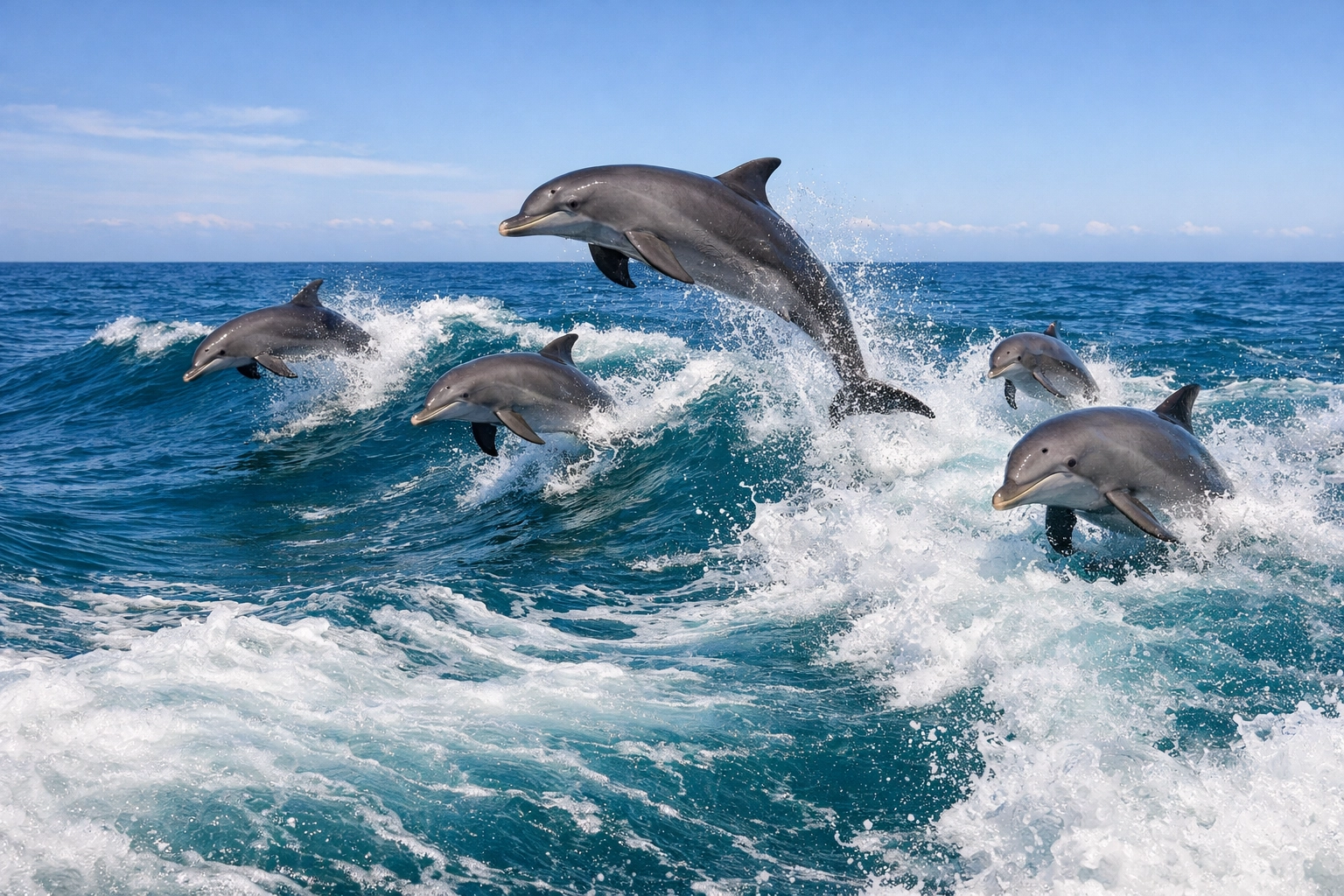
We’ve all seen it. The hand holding a tiny sprout of earth. The green leaf with a water droplet. The neon-green color grading.
The Mistake:
Using over-saturated, "perfect" stock photos that feel corporate and fake.
The Reality:
True sustainability is messy. It’s dirt, it’s effort, and it’s real.
The Fix:
- Choose photos with natural lighting.
- Avoid the "green" filter.
- Look for raw, high-resolution imagery that shows the texture of fur, scale, and earth.

Quality Over Quantity
In marketing for zoos and aquariums, the goal is often to drive attendance or donations. But the secondary goal is education. Every image you choose is a lesson you are teaching your audience.
If your stock photos suggest that wild animals are pets, props, or toys, you are undermining your own mission.
At Zoo Imagery, we focus on the real. We believe in photography that respects the subject. Simple. Direct. Effective.
Quick Checklist for Your Next Campaign:
- Is there a human touching the animal? (If yes, delete.)
- Is the animal in its correct habitat?
- Does this image promote a "pet" mentality or a "conservation" mentality?
- Is the lighting natural, or does it look like a studio set?
- Does the species have a negative cultural connotation for the target region?
The Takeaway
Your visual assets should be as sustainable as your mission. Stop using generic, harmful stock. Start using imagery that reflects the world you are trying to save.
Let’s Connect.
We help zoos, aquariums, and brands tell better stories through high-quality, ethically sourced digital media. No buzzwords. Just better imagery.
Explore our library: zooimagery.com
Follow our updates: Zoo Imagery on LinkedIn
About Zoo Imagery
We provide stock photography and marketing solutions specifically designed for the zoological and conservation community. Simple tools. Better visuals.
Thursday, 26 of March 2026
Dan Kost, CEO


