7 Mistakes You’re Making with Animal Stock Photos (and How to Fix Them)
Stock photography often feels sterile. In the world of wildlife and zoo imagery, that sterility kills engagement.
Visual storytelling requires more than a clear shot. It requires soul. When you use animal imagery for digital media or a "Presented by" species page, the quality reflects your brand.
Here are seven common mistakes. Avoid them to elevate your content.
1. Using Low ISO in Dynamic Scenes
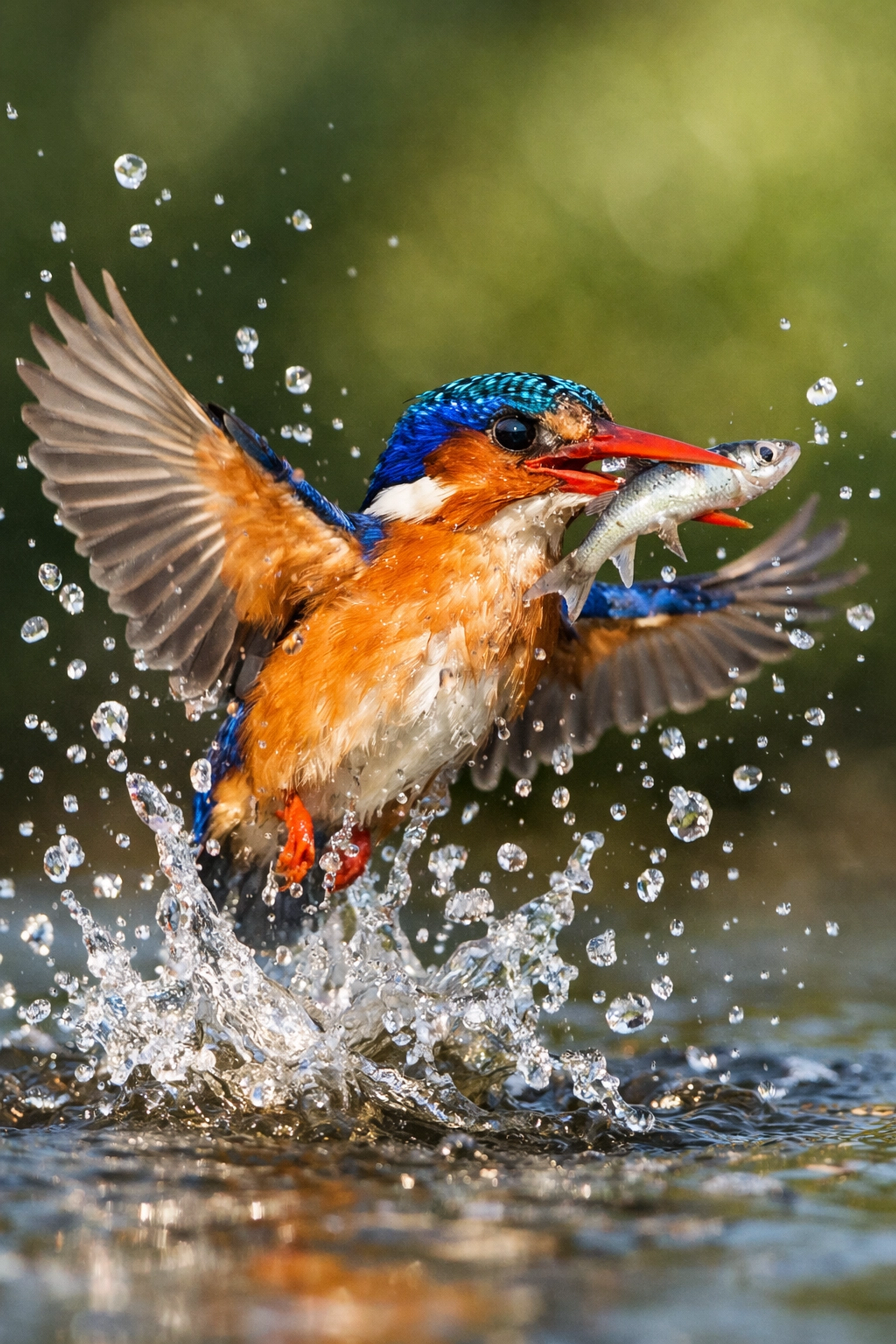
Motion blur is the enemy of professional wildlife shots.
Many photographers stick to low ISO settings. They want to avoid grain. But animals move fast. A bird flicking its head or a tiger pacing requires speed.
Low ISO forces a slower shutter speed. The result? A blurry subject.
The Fix:
Raise the ISO. Don't be afraid of 800, 1600, or higher. Modern sensors handle noise well. It is better to have a sharp, slightly grainy image than a clean, blurry one. High shutter speeds freeze life.
2. Blowing Out the Highlights
White fur and feathers are tricky.
When you overexpose, you lose data. The "whites" become pure white blocks. No texture. No detail. You can’t recover this in post-processing. A swan in direct sunlight often becomes a white blob.
The Fix:
Watch the histogram. If the graph hits the far right wall, you’ve lost your highlights. Underexpose slightly. You can bring up shadows later. You cannot bring back detail from a blown-out highlight. Preserve the texture of the feathers.
3. Missing the Eyes
The eyes are the connection point.
If the animal’s shoulder is in focus but the eyes are soft, the photo fails. Humans look for the eyes first. It’s an evolutionary instinct. If the eyes aren't sharp, the viewer feels a disconnect.
The Fix:
Verify focus on the back screen. Zoom in. You should see the eyelashes or the texture of the iris. Use single-point focus or animal-eye tracking if your camera supports it. Ensure there is a "catchlight": a small reflection of light in the eye. It brings the animal to life.

4. Cluttered and Distracting Backgrounds
A great subject can be ruined by a bad background.
Branches growing out of a giraffe’s head. A bright red sign behind a lion. These elements pull the eye away from the animal. If the background color matches the subject's fur, the animal disappears into the scene.
The Fix:
Check the perimeter of your frame. Look for distractions before you click. Move your body. A small step to the left can change the entire background. Aim for contrast. A light-colored animal against a dark forest creates a natural pop.
5. Forgetting the Foreground
Many people focus only on the subject and the background. They ignore what is right in front of the lens.
Empty space in the foreground can feel cold. Or worse, a stray blade of grass can cut right across the animal’s face.
The Fix:
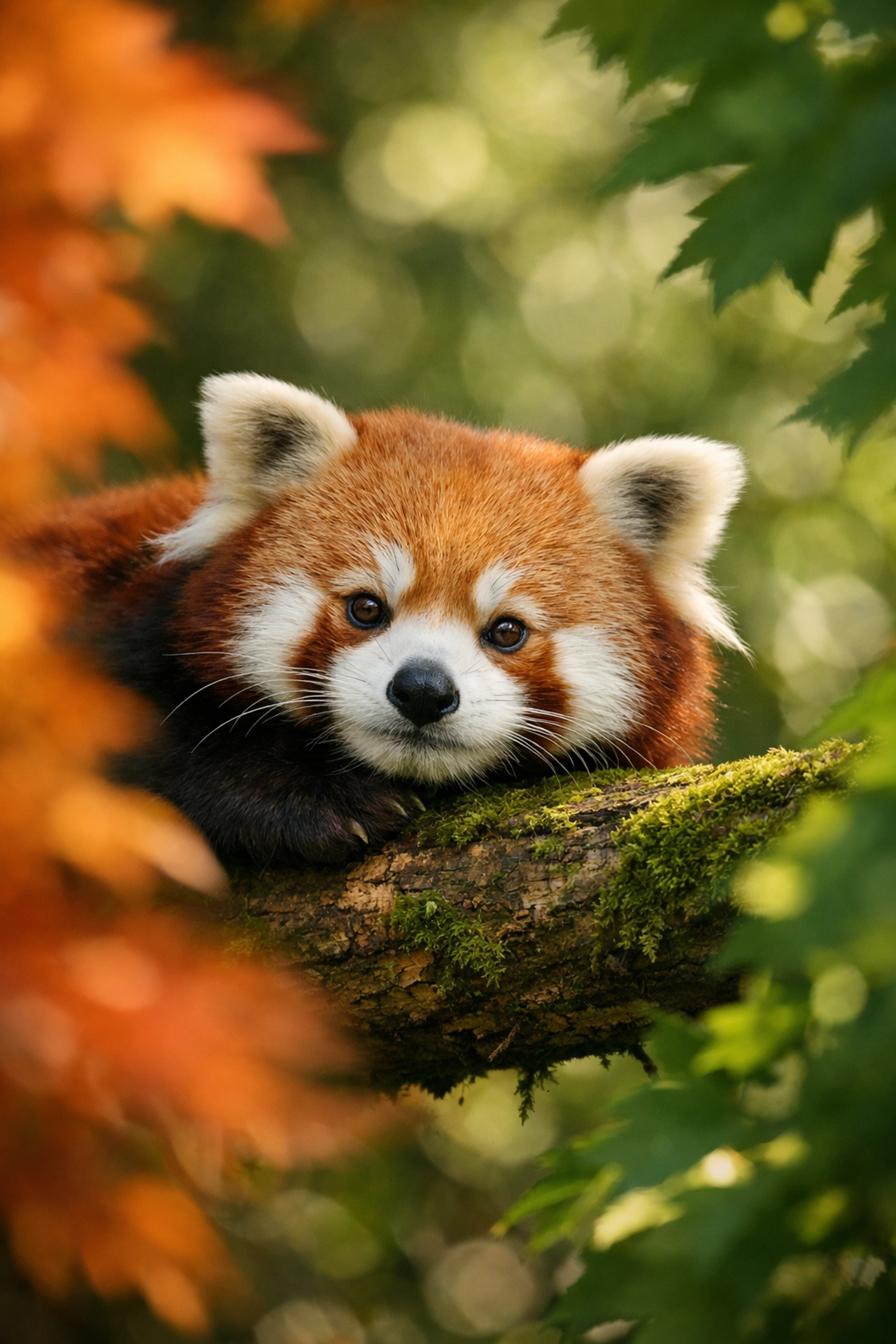
Use the foreground to create depth. Shoot through leaves or grass to create a natural frame. This adds a "wild" feel to the shot. It makes the viewer feel like they are peeking into a private moment. This is essential for sponsored species spotlights where you want an intimate connection.
6. Ignoring Light Quality
Light is everything.
Harsh, midday sun creates deep, ugly shadows. It flattens the subject. Most stock photos suffer from "flat" lighting because they were taken at the most convenient time of day, not the best time.
The Fix:
Shoot during the golden hours: shortly after sunrise or before sunset. The light is soft and warm. If you must shoot at noon, look for overcast skies. Clouds act as a giant softbox. Soft light reveals the true colors and textures of an animal’s coat.
7. Relying on Auto-Metering
Your camera is smart, but it doesn't have an artistic eye.
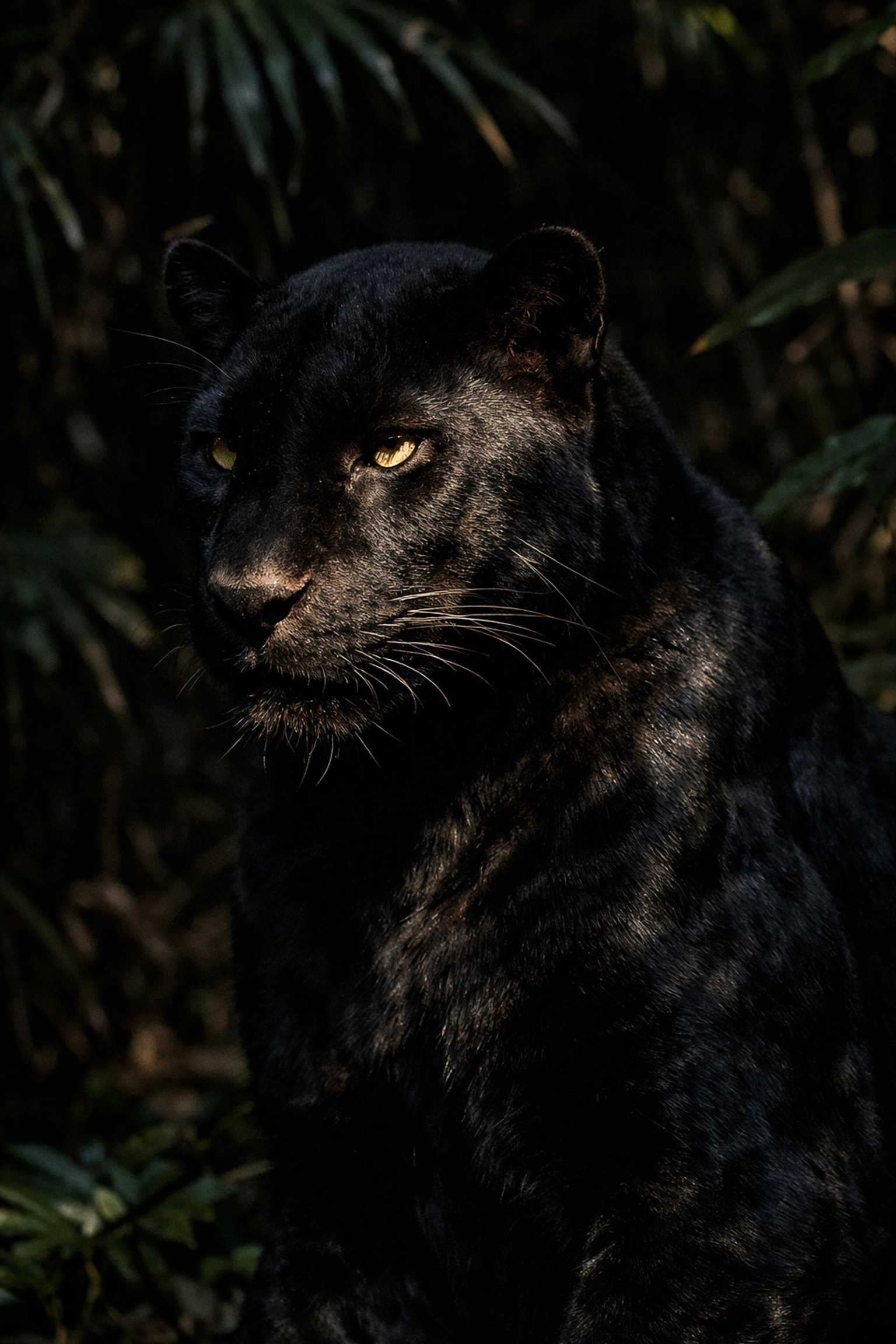
Standard metering tries to make everything a neutral gray. If you are shooting a black panther or a white polar bear, the camera will get it wrong. The panther will look gray. The bear will look gray.
The Fix:
Use exposure compensation. Dial it down for dark animals. Dial it up for light ones. Take control of the mood. Consistent, intentional exposure makes your stock photos look custom, not generic.
Why Quality Matters for Zoo Imagery
We specialize in high-end digital media.
Our "Presented by" animal pages and sponsored species spotlights rely on these principles. When a partner sponsors a species, they want to be associated with excellence. A blurry, poorly lit photo doesn't help the cause.
High-quality imagery drives conservation storytelling. It makes the viewer care. Simple, clear, and professional photos are the backbone of effective ESG-aligned campaigns.
The Sponsored Spotlight
When we create a spotlight for a species, we look for:
- Sharp focus on the eyes.
- Clean, natural backgrounds.
- Excellent lighting that highlights unique features.
- Authenticity.
If you are using stock photos for your own website or zoo marketing, apply these same standards. Don't settle for "good enough."
Summary of Fixes
- ISO: Increase it to stop motion.
- Highlights: Underexpose to save detail.
- Focus: Always lock on the eyes.
- Background: Move your feet to find a clean backdrop.
- Foreground: Use it to add depth and framing.
- Light: Stick to soft, directional light.
- Metering: Use manual compensation for true colors.
Better photos lead to better engagement. Whether you are building a "Presented by" page or just updating your blog, these small technical shifts make a massive difference.
We provide the imagery that makes these connections possible.
Learn more about our work or view our library at zooimagery.com.
Connect with us for more tips on LinkedIn.
Zoo Imagery
Simple. Professional. Impactful.


