7 Mistakes You’re Making with Animal Stock Photos (and How to Fix Them)
Stock photography drives engagement. Animal photos drive emotion. When you combine them, you have a powerful marketing tool. But most brands get it wrong. They choose the first lion they see. They ignore the technical details. They miss the branding potential.
At Zoo Imagery, we see these errors daily. We help brands move past generic visuals. We focus on authentic animal media.
Here are seven common mistakes and how to fix them.
1. Choosing Generic "Mugshots"
Many stock photos look like passport photos. The animal sits still. It looks at the camera with no expression. It feels staged. This creates a disconnect.
The Fix:
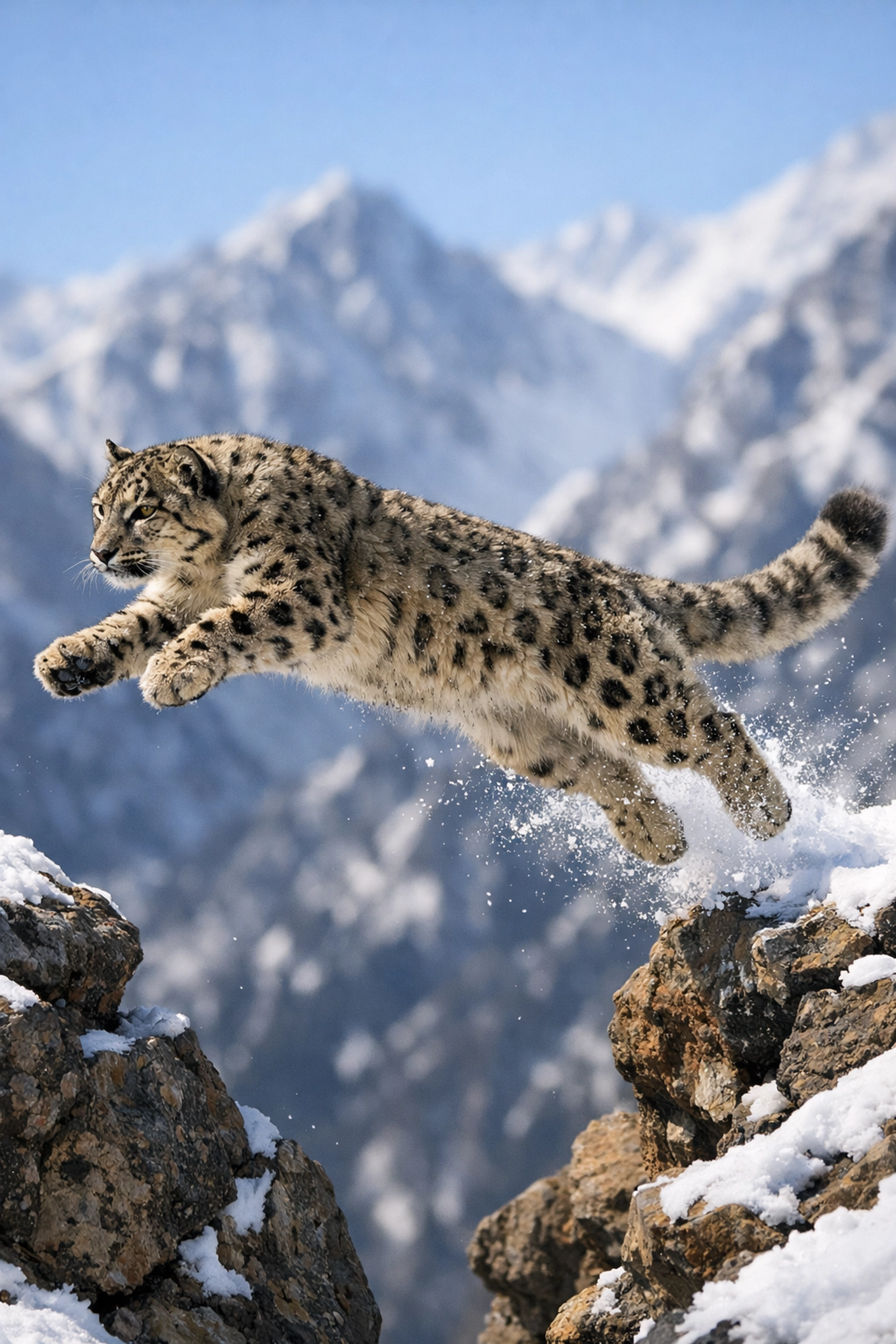
Look for behavior. A tiger stalking. A gorilla grooming. A hawk taking flight. Action creates a narrative. It makes the viewer feel like they are standing in the wild.
- Seek out natural movement.
- Prioritize candid moments over posed ones.
- Use photos that show "life," not just a subject.
2. Ignoring the Power of Eye Contact
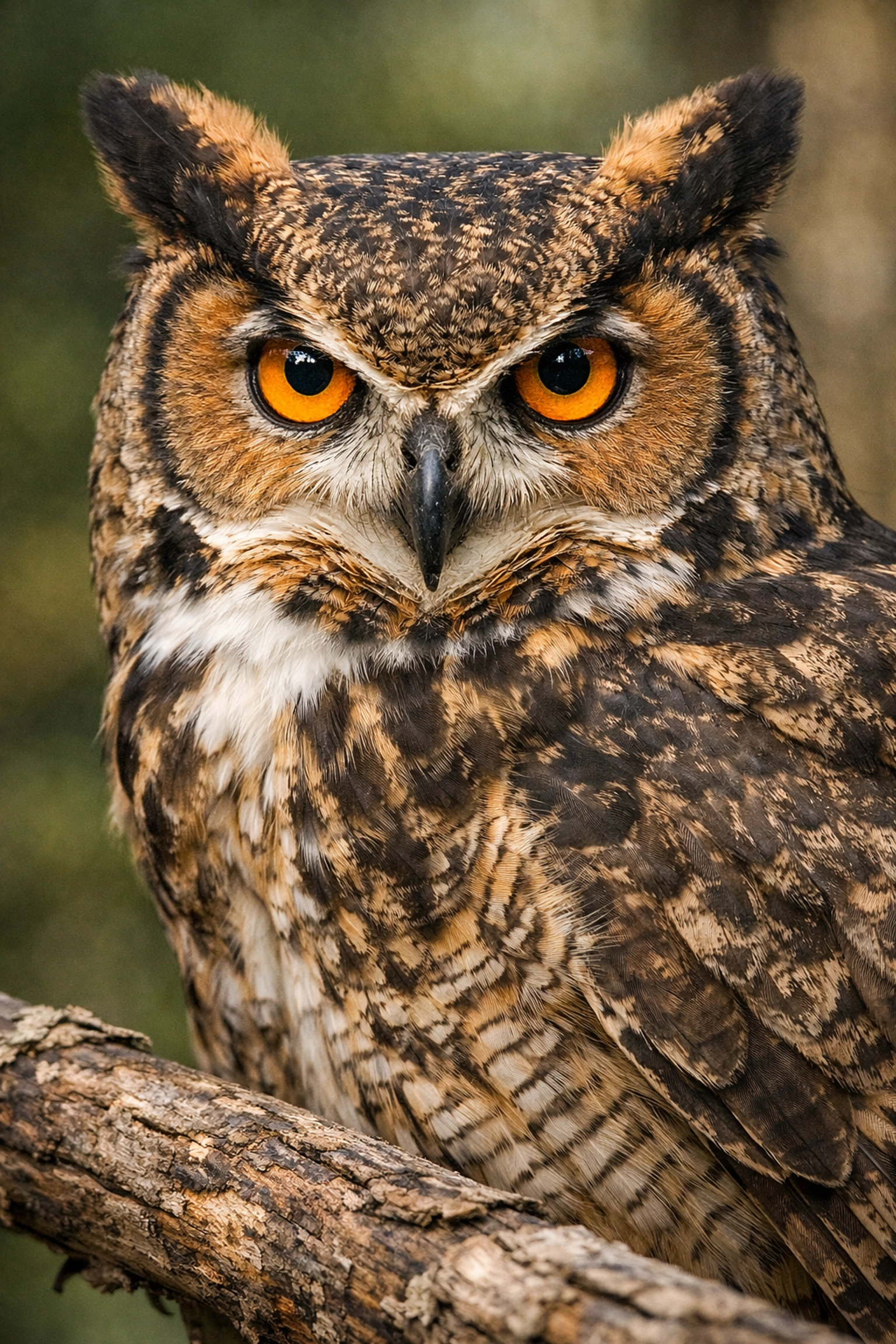
In portrait photography, the eyes are everything. The same applies to animals. Many users select photos where the animal is looking away or the eyes are out of focus. This kills the emotional connection.
The Fix:
Ensure the eyes are sharp. They should be the focal point of the image. When an animal makes eye contact with the lens, it speaks directly to your audience.
- Check the focus on the pupils.
- Look for "catchlight" (the tiny reflection of light in the eye).
- Avoid shots where the head is turned too far away.
3. The "Center" Trap
Centering your subject is the most common composition mistake. It feels safe. It is also boring. It leaves no room for the viewer’s eye to travel. It provides no space for copy or branding.
The Fix:
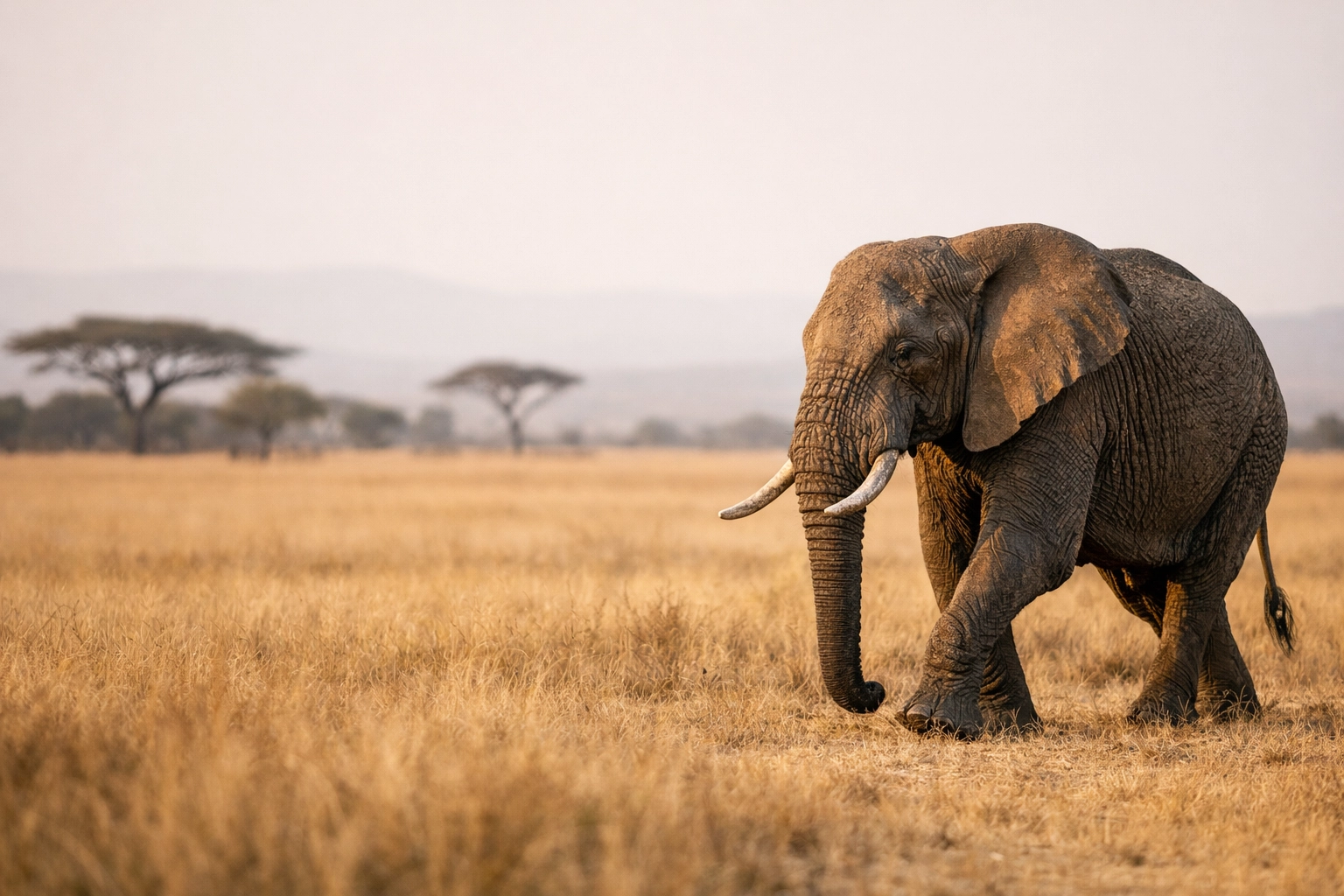
Follow the rule of thirds. Place the animal on the left or right side of the frame. Leave "lead room": empty space in the direction the animal is looking.
- Use off-center compositions for a professional look.
- Ensure there is "copy space" for your headlines.
- Create visual flow.
4. Disregarding the Environment
A great animal photo includes a great background. Many stock photos feature "messy" backgrounds. Distracting branches. Artificial fences. Bright spots of light that pull the eye away from the subject.
The Fix:
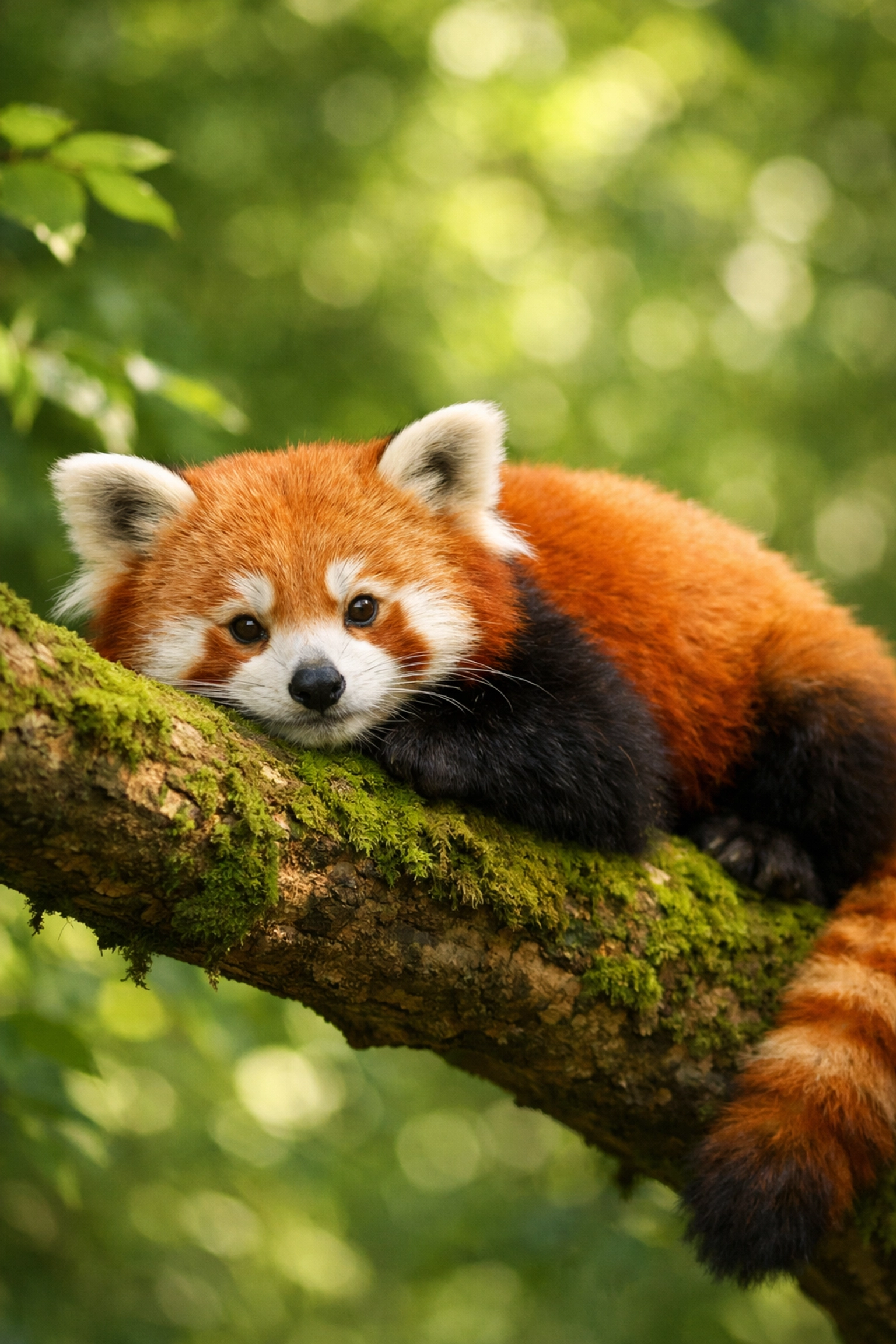
Look for clean bokeh (background blur). The subject should pop against its surroundings. Ensure the habitat looks authentic. If you are a brand focused on sustainability, showing an animal in a natural, lush environment reinforces your message.
- Avoid cluttered backgrounds.
- Choose images with a shallow depth of field.
- Select habitats that align with your brand story.
5. Missing Sponsorship Opportunities
Most companies use animal photos as window dressing. They miss the chance to align their brand with a specific cause or species. This is a lost opportunity for "Presented by" branding.
The Fix:
Use Sponsored Species Spotlights. At Zoo Imagery, we provide "Presented by" animal pages. This allows a brand to "own" a specific species in the mind of the consumer.
- Align your brand with an animal that represents your values.
- Integrate your logo into the species information page.
- Turn a simple photo into a partnership.

6. Overlooking Technical Quality
Low-resolution images are a brand killer. Motion blur (where it isn't intentional) makes a photo look amateur. Blown-out highlights: where the white fur of a polar bear or the sun on a leaf becomes a featureless white blob: cannot be fixed.
The Fix:
Inspect the details. Look at the fur texture. Look at the shadows. High-quality animal stock should be crisp, even when zoomed in.
- Only use high-resolution files.
- Ensure shutter speeds were high enough to freeze action.
- Check that highlights and shadows contain visible detail.
7. Ignoring the "Why" (Conservation and ESG)
Today’s consumers care about more than just a pretty picture. They want to know what a brand stands for. Using animal photos without a connection to conservation or ESG (Environmental, Social, and Governance) goals can feel hollow.
The Fix:
Use imagery to tell a story. Pair your visuals with conservation facts. Highlight the rarity of the species. Show that your brand supports the natural world.
- Select species that are part of active conservation efforts.
- Use the "Presented by" format to show corporate responsibility.
- Keep your messaging transparent and honest.
Why Zoo Imagery is Different
We don't just sell files. We provide marketing solutions.
Our library is built for businesses that need more than a generic lion. We focus on:
- Species-Specific Content: Rare and common animals captured with professional precision.
- Brand Integration: We design "Presented by" pages that put your brand front and center.
- Simple Licensing: No complex jargon. Just the media you need.
Quick Tips for Better Selection
- Be Specific: Instead of "bear," search for "Grizzly bear in autumn."
- Check the Vibe: Is the animal aggressive or peaceful? Match it to your brand voice.
- Think of the Layout: Do you need a vertical shot for social media or a horizontal shot for a website header?
- Use Human Elements Sparingly: Sometimes a hand or a researcher in the frame adds scale, but usually, the animal should be the star.
Final Thoughts from Dan Kost
Marketing is about connection. Animals provide an immediate emotional shortcut. Don't waste that power on a bad photo. Fix these seven mistakes. Choose quality. Choose a story.
Ready to upgrade your visual strategy?
Visit zooimagery.com to explore our library.
Connect with us on LinkedIn for more tips on animal media and brand integration.
Key Takeaways for Your Next Campaign
- Eyes matter. Always check the focus.
- Space matters. Use the rule of thirds for better design.
- Context matters. Align your species choice with your ESG goals.
- Branding matters. Don't just use a photo; sponsor a species.
We make it simple. We keep it professional. We bring the wild to your brand.
For more information on how we can help your business with custom digital media solutions, visit our About Us page or reach out via our Contact Page.


