7 Mistakes You’re Making with Animal Stock Photography (and How to Fix Them)
You've got the camera. You've got access to amazing animals. But something's off with your stock photography.
Here's the thing: wildlife photography and stock photography aren't the same. Stock needs to work commercially. It needs to solve problems for designers, marketers, and content creators.
Let's fix the most common mistakes.
1. Your Backgrounds Are Too Busy
The shot looks great to you. The animal is sharp. The moment is there.
But that branch cutting through the frame? Those random people in the distance? That bright sign in the corner?
Distracting.
The Fix:
- Move. Change your angle.
- Use wider apertures (f/2.8 to f/5.6) for blur.
- Wait for cleaner moments.
- Check your frame edges before shooting.
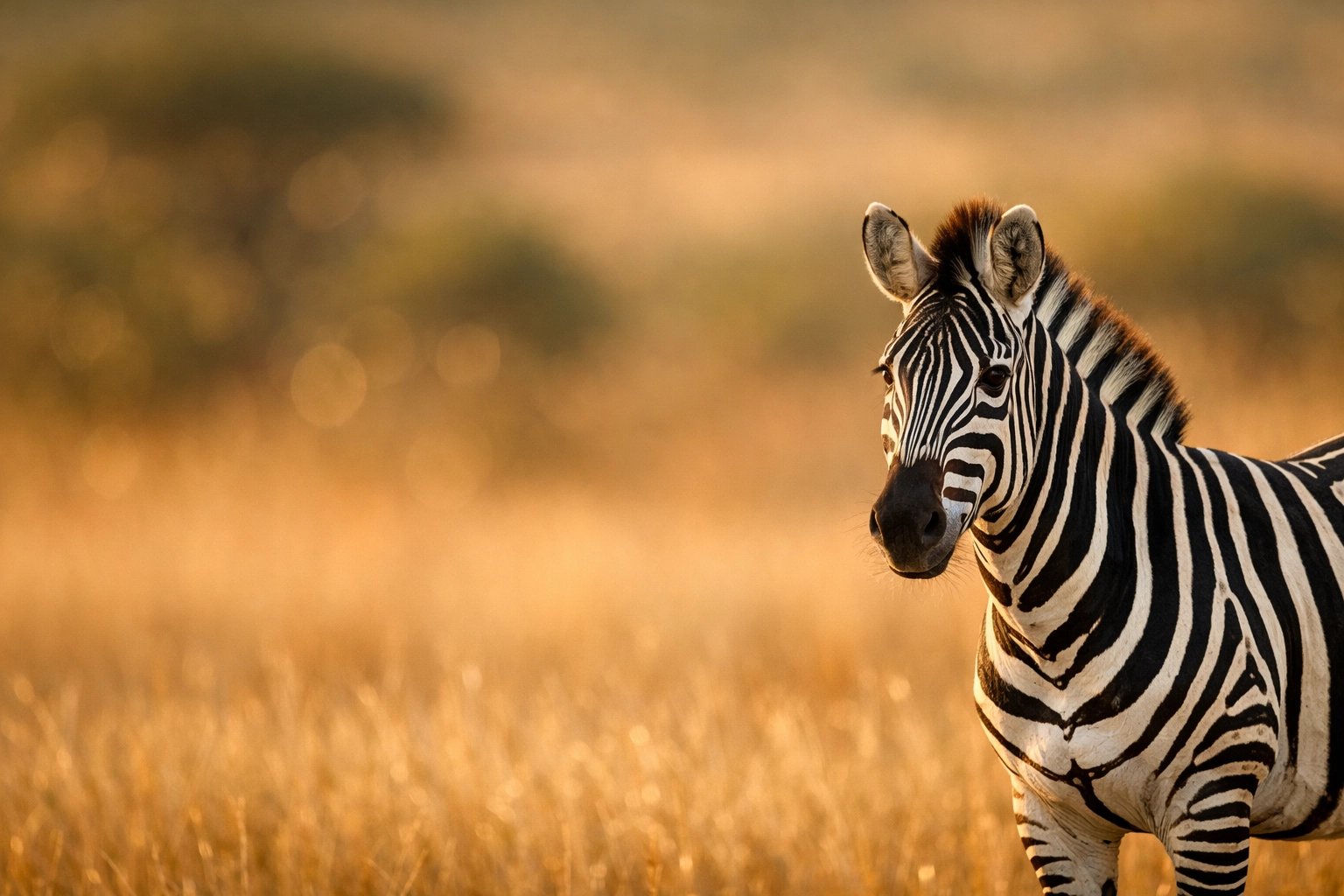
Clean backgrounds make images usable. Designers need space for text. Marketers need focus on the subject.
Simple wins.
2. You're Shooting Only Action Shots
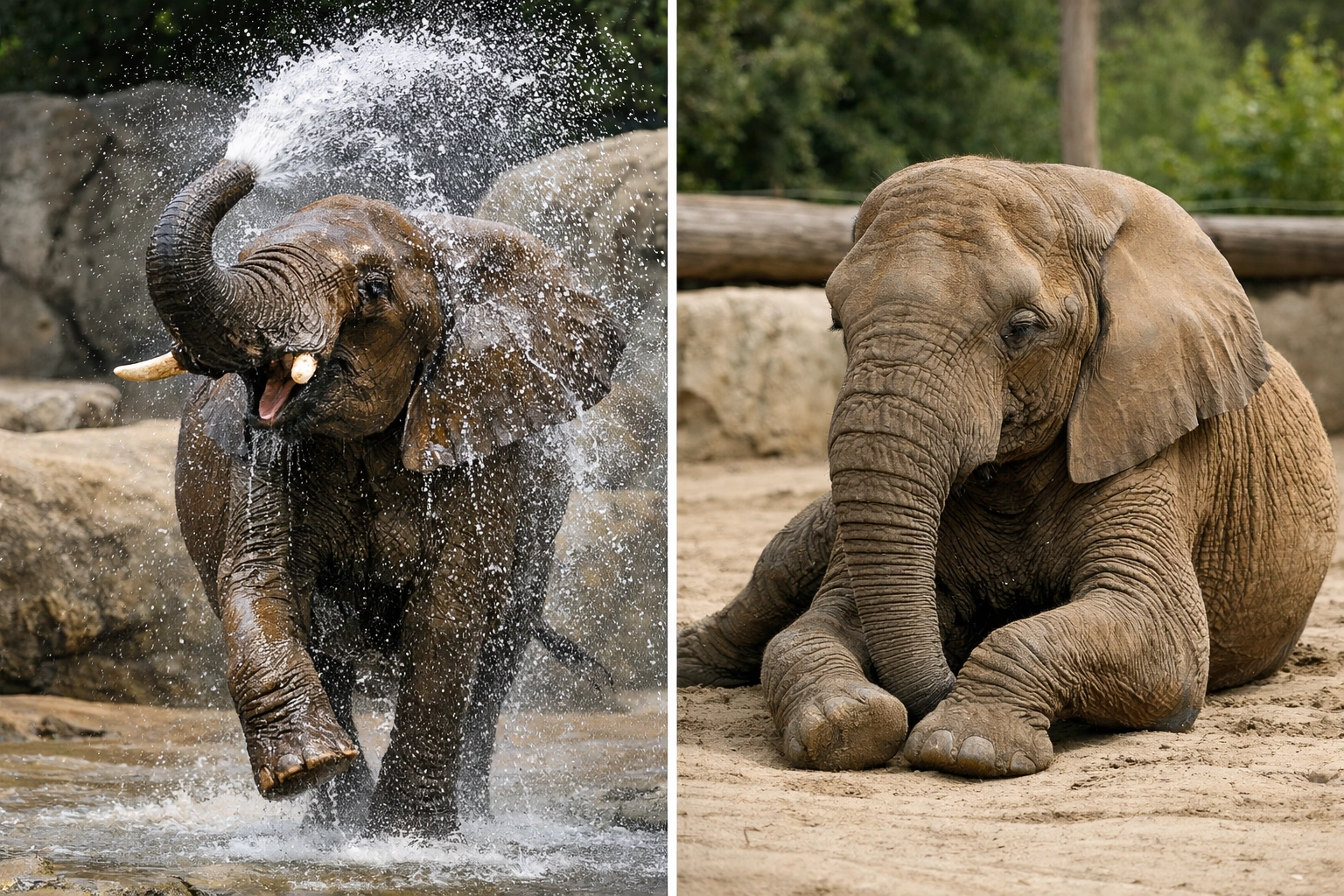
Action is exciting. You want that leap, that splash, that roar.
But stock buyers need variety. Most commercial uses need calm, clear images.
The Fix:
- Capture resting poses.
- Get portraits from multiple angles.
- Shoot animals engaged in everyday behavior.
- Include environmental context shots.
A sleeping lion sells. A giraffe eating sells. A penguin just standing there? Also sells.
Variety matters more than drama.
3. Your Lighting Is Inconsistent
Harsh midday sun. Dark shadows. Blown-out highlights.
Technical problems kill commercial value fast.
The Fix:
- Shoot during golden hours (early morning, late afternoon).
- Use fill flash in harsh conditions.
- Expose for the animal, not the background.
- Check your histogram regularly.
Stock photography needs even, flattering light. If the light isn't right, wait. Or move.
4. You're Ignoring File Requirements
You shot everything in JPEG. Or your RAW files are there, but you're uploading compressed versions.
Stock platforms have standards. Miss them, and your images get rejected.
The Fix:
- Shoot RAW always.
- Export final images as high-quality JPEGs (at least 3000 pixels on the short side).
- Keep your workflow organized.
- Save originals with minimal processing.
Higher resolution = more licensing opportunities. Don't limit yourself with small files.
5. You're Over-Editing Everything
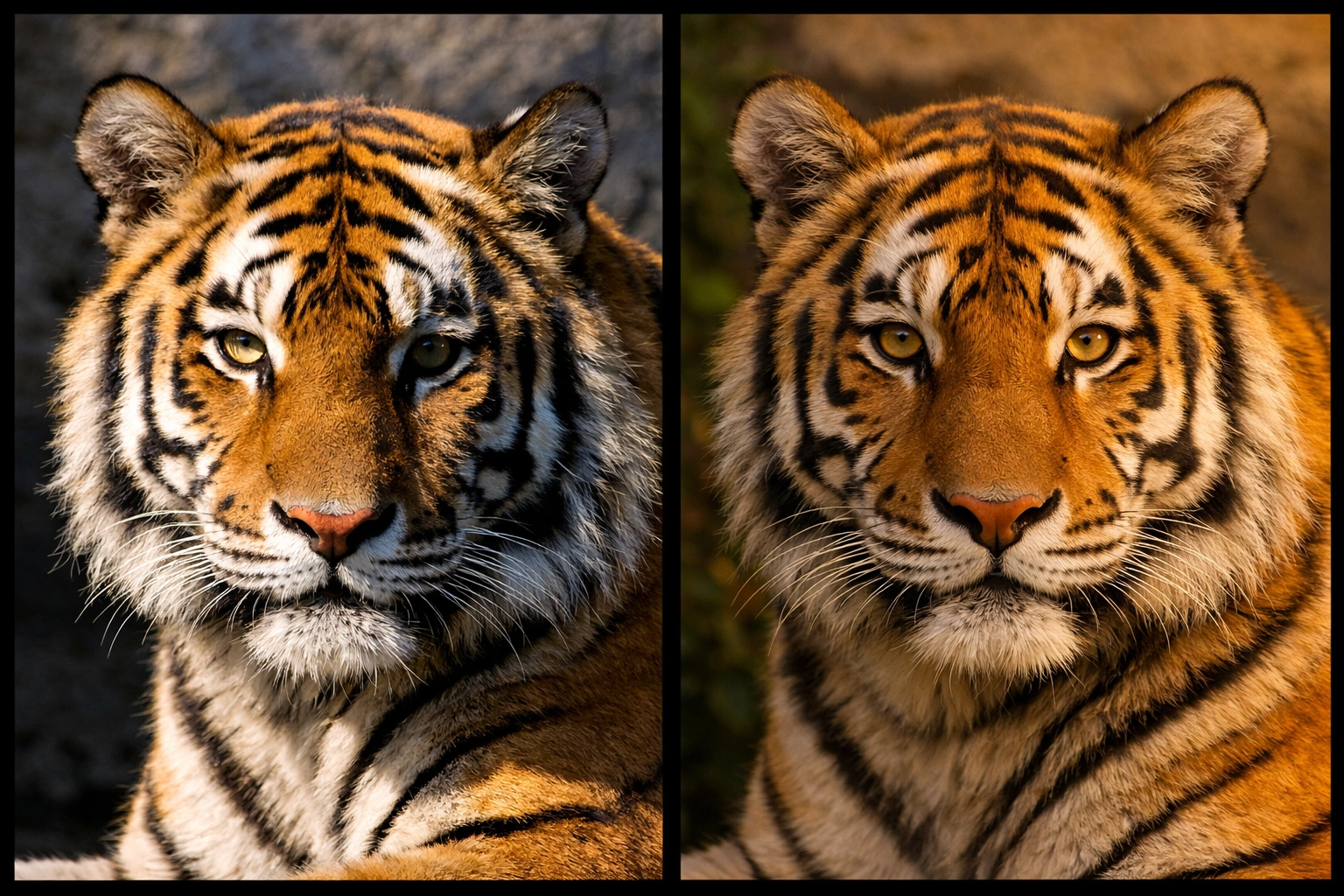
Cranked saturation. Heavy vignettes. Obvious filters.
Stock photography needs to look real. Buyers will add their own style later.
The Fix:
- Keep colors natural.
- Minimal contrast adjustments.
- Remove distractions, not reality.
- Think "clean" not "creative."
Your job is to provide a solid base. Not to make art that limits commercial use.
6. You're Missing the Emotion
Technically perfect. Properly exposed. Perfect composition.
But the image feels… empty.
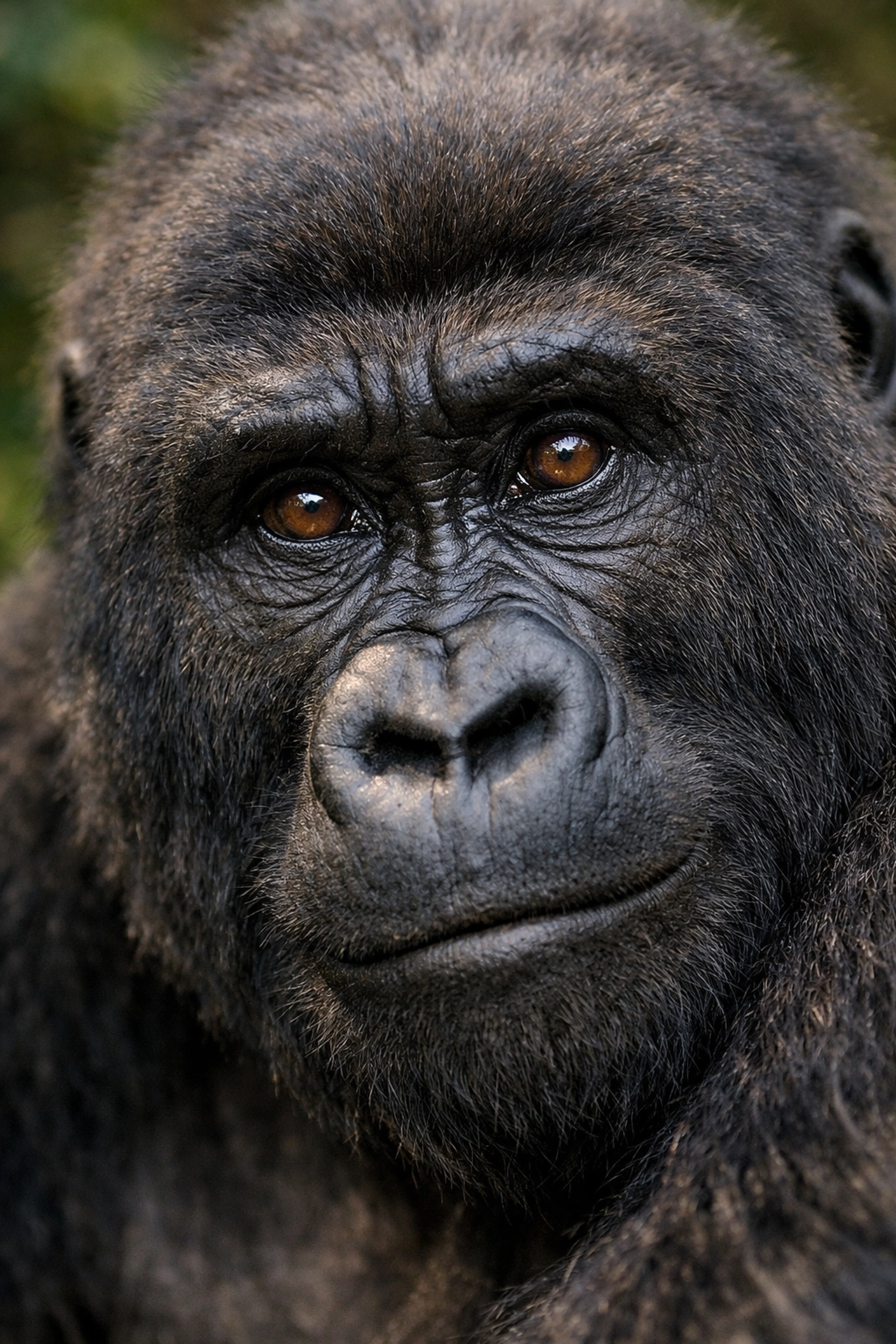
Animals have personality. Connection. Expressions. That's what makes people stop scrolling.
The Fix:
- Wait for eye contact.
- Capture interactions between animals.
- Look for expressions and gestures.
- Be patient with your timing.
A gorilla looking directly at the camera creates connection. A bird mid-song tells a story. Those moments have commercial value.
Emotion sells.
7. You Don't Understand Your Market
You're photographing rare species. Exotic behaviors. Incredible moments.
But stock buyers need common animals in relatable scenarios.
The Fix:
- Research trending searches on stock sites.
- Shoot popular species (dogs, cats, horses, common zoo animals).
- Create images that fit common use cases (business concepts, education, conservation).
- Think about how brands might use your images.
That perfect shot of a numbat is beautiful. But the market for it is tiny.
A clean shot of a lion's face? That's marketing gold.
Making It Work
These mistakes are fixable. Most require just changing your approach, not your gear.
Stock photography rewards:
- Consistency
- Clean execution
- Commercial thinking
- Technical quality
Start with one mistake. Fix it on your next shoot. Then tackle the next.
Your animal images can work harder for you. They just need to meet the market where it is.
Ready to see what good animal stock photography looks like? Check out our collection at Zoo Imagery or connect with us on LinkedIn to stay updated on photography tips and industry insights.


