7 Mistakes You’re Making with Animal Photography Stock (and How to Fix Them for Better Transparency)
Transparency is the new currency.
In zoo and aquarium marketing, stock photography often feels like a shortcut. It can be. But if used poorly, it erodes trust. Modern audiences are savvy. They recognize generic content. They want authenticity.
Better transparency starts with better choices.

1. The "Plastic" Filter
The Problem: Over-edited, high-saturation images.
Stock photos often come polished. Too polished. Vibrant greens that don't exist in nature. Blue skies that look painted. For a zoo focusing on conservation, this feels fake. It creates a disconnect between the digital image and the physical reality of the animal.
The Fix: Choose images with natural color profiles.
Look for "Raw-style" stock. If the photo looks like it was taken on a sunny afternoon by a human, rather than a computer, it’s a winner.
Transparency Impact: High.
Real colors suggest real care. It aligns your digital presence with the actual experience at your facility.
2. Missing the Eyes
The Problem: Focusing on the body, not the gaze.
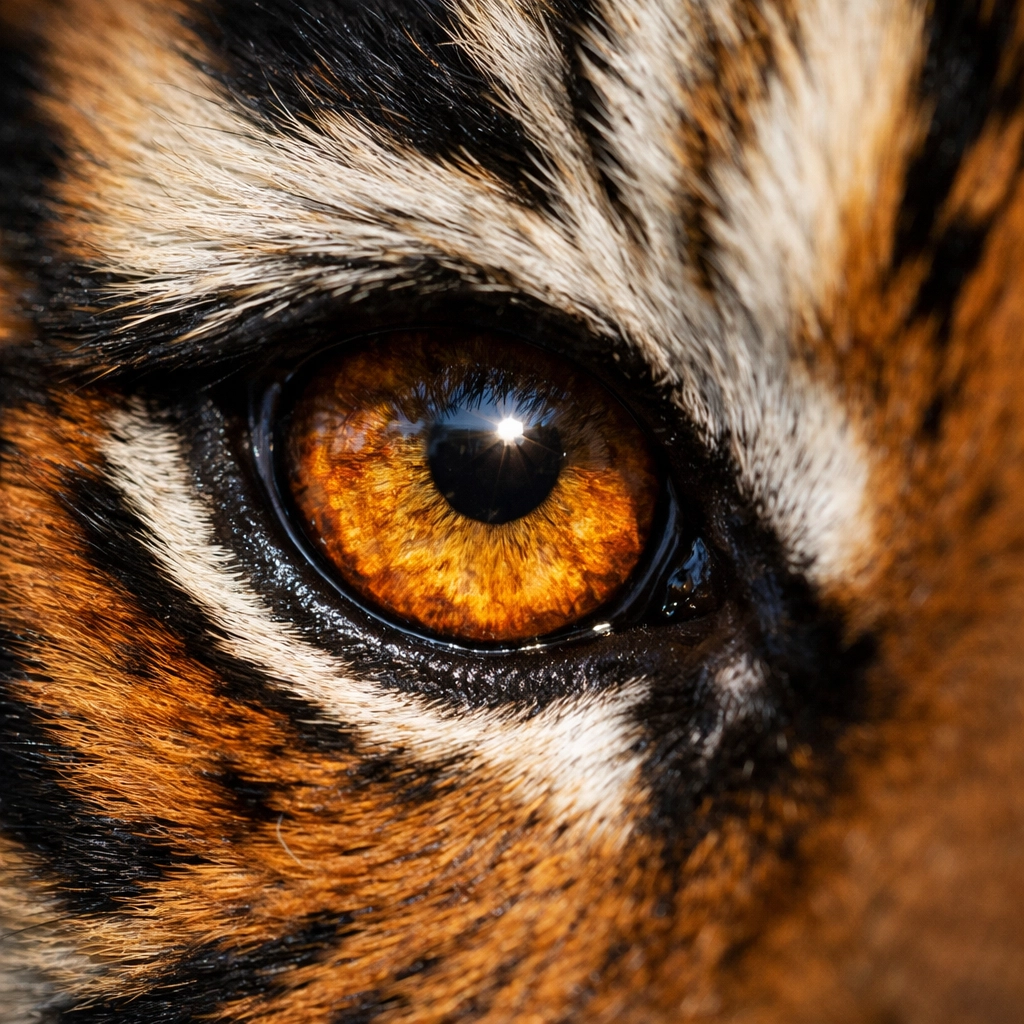
Many stock photos capture a broad profile. They miss the connection. If the animal’s eyes are in shadow or out of focus, the viewer feels like an outsider.
The Fix: Prioritize the "Catchlight."
Look for the tiny glint of light in the animal’s eye. This is the "soul" of the photo. Use stock where the focus is tack-sharp on the iris.
The Strategy:
- Eye level.
- Sharp focus.
- Visible light reflection.
3. The "Specimen" Angle
The Problem: Shooting from above.
Most people take photos from a standing height. This looks down on the animal. It creates a "specimen" feel. It’s clinical. It’s distant. It reinforces a power dynamic rather than a relationship.
The Fix: Eye-level perspectives.
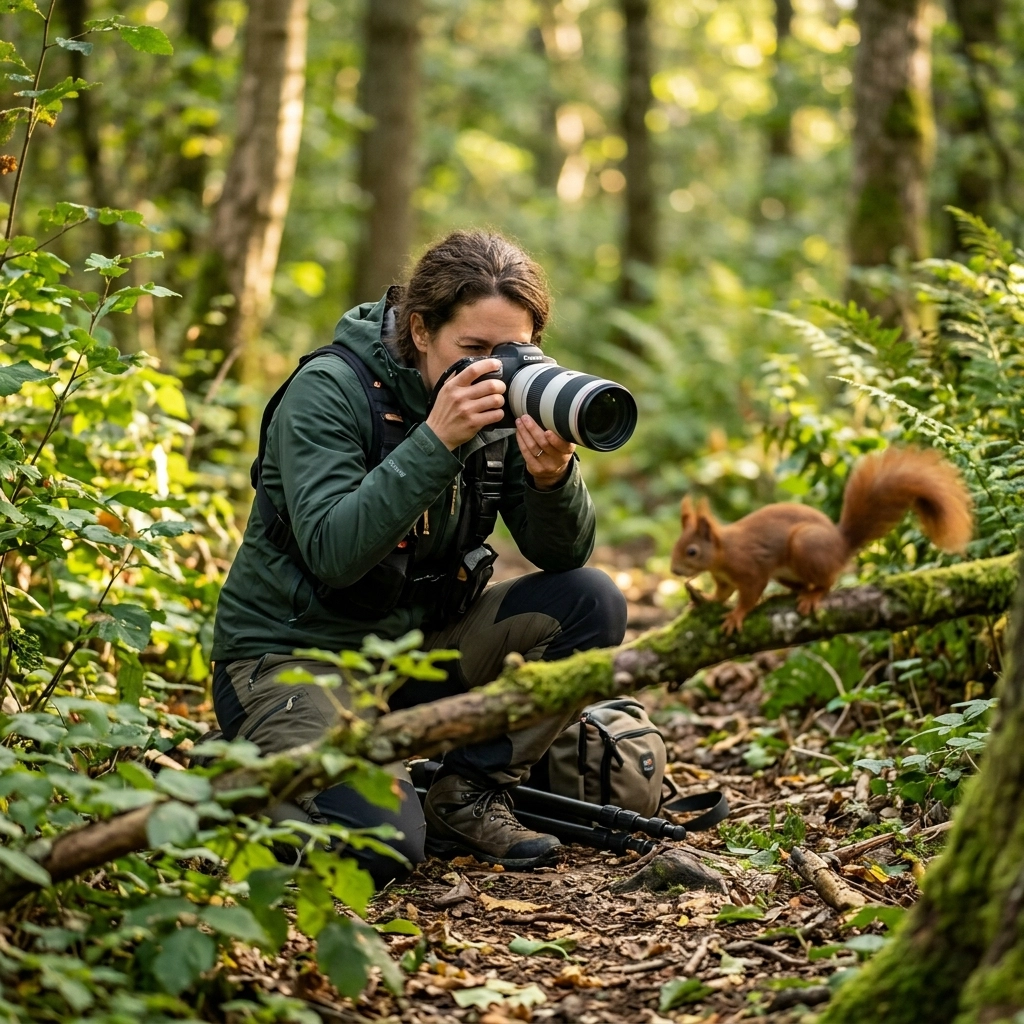
Select stock where the photographer got low. Shooting at the animal’s height creates empathy. It puts the viewer in the animal's world.
Why it matters:
Donors respond to empathy. If you want support for a species spotlight, show that species as an equal.
4. Background Disconnect
The Problem: Using animals in "blank" or mismatched environments.
A snow leopard on a generic grassy hill. A tropical bird in a pine forest. Stock libraries are full of these. Your audience might not be biologists, but they sense when something is "off."
The Fix: Contextual accuracy.
Ensure the background matches the species' natural or managed habitat. If you are highlighting a conservation project in a specific region, the foliage in the background must match.
Marketing Insight:
Use the background to tell a story. A blurred-out enclosure fence is better than a fake jungle background. Honesty beats a "perfect" lie every time.
5. Ignoring Species Accuracy
The Problem: Mislabeling similar species.
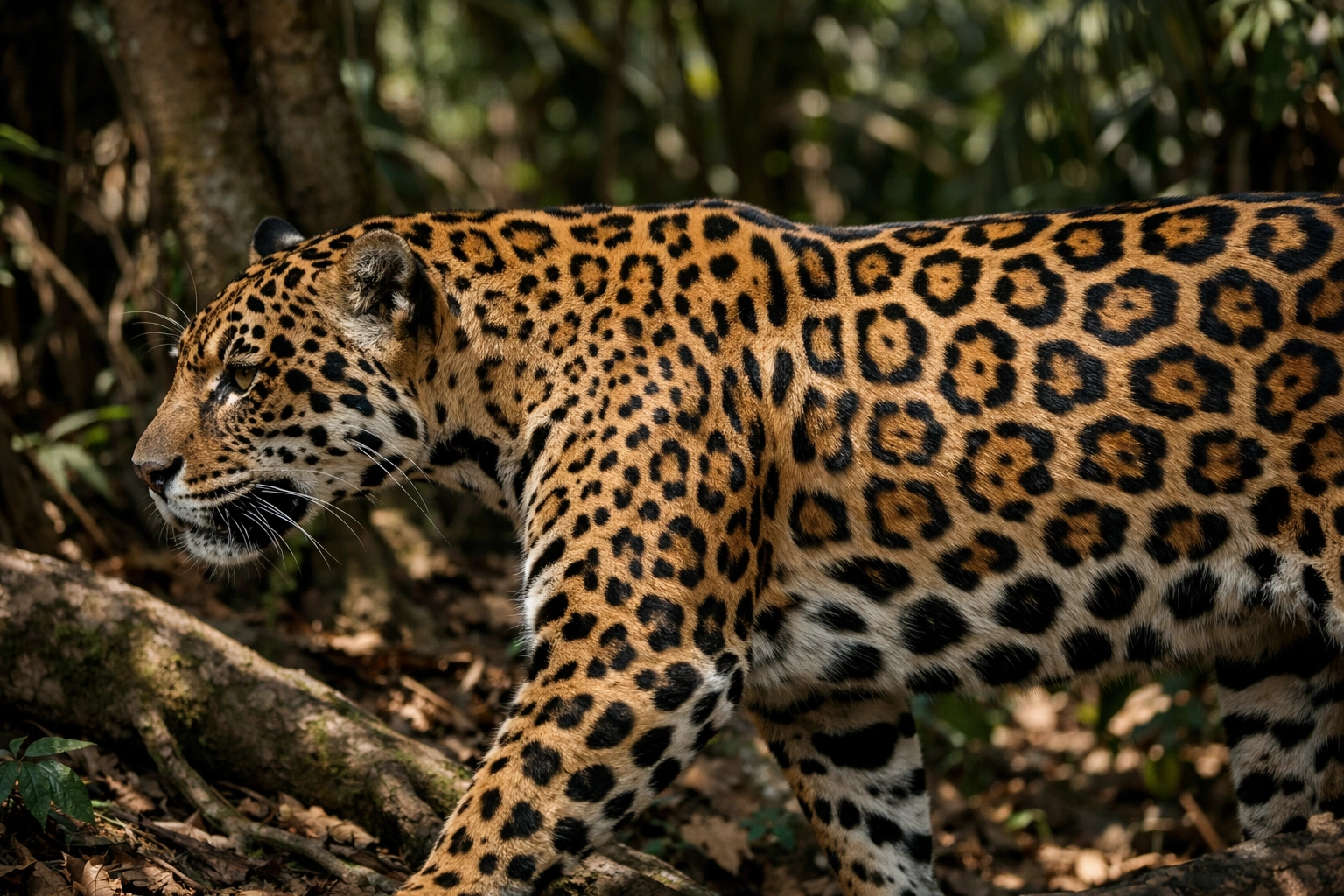
Using a photo of a Leopard for a Jaguar campaign. Using a generic "Turtle" when the text discusses a specific "Green Sea Turtle."
The Fix: Fact-check every asset.
Don't trust stock site tags blindly. They are often uploaded by generalists. Verify with your curatorial staff before publishing.
Transparency Note:
Nothing kills authority faster than a basic identification error. It suggests your institution doesn't know its own residents.
6. The "Static" Trap
The Problem: Choosing only statuesque poses.
Stock photos of animals sitting still are common. They are easy to take. But they are boring. They don't reflect the life, energy, and behavior of the creature.
The Fix: Look for "Behavioral Stock."
A yawn. A grooming session. A mother nudging a calf. These moments feel candid. They suggest the photographer spent time with the animal. They feel authentic because life is messy and moving.
Application:
Great for social media "Species of the Day" posts. Motion catches the thumb during a scroll.
7. The Generic "Conservation" Shot
The Problem: Buzzword imagery.
Hands holding a globe. A seedling in a cracked earth. These are marketing clichés. They feel corporate and hollow. They don't represent the hard, muddy, real work of a zoo’s ESG-aligned mission.
The Fix: Action-oriented storytelling.
Choose stock that shows the "how." If you’re talking about water conservation, show the water. If you’re talking about reforestation, show the specific trees.
The Goal:
Replace "concepts" with "realities."
Marketing for Zoos: The "Presented by" Strategy
Transparency isn't just about the photo. It's about how you use it.
In 2026, the trend is moving toward "Species Spotlights" and "Presented by" pages. Instead of a generic "About Us" page, zoos are creating deep-dive pages for specific animals.
The Blueprint:
- The Hero Image: High-quality, eye-level, transparently natural.
- The Data: Plain facts. No fluff.
- The Connection: How your zoo specifically helps this animal.
- The ESG Alignment: Real-world impact numbers.
This structure works because it doesn't try to sell. It informs. It builds a relationship through shared knowledge.
Why Transparency Wins in 2026
The "Simple" brand tone is your biggest asset.
- No jargon.
- No "unprecedented" or "synergy."
- Just the animal.
- Just the facts.
- Just the photo.
When you choose a stock photo that looks like it belongs in your facility, you are making a promise. You are telling your visitors: "What you see here is what you will care for when you visit."
Trends to Watch
Species Spotlights:
Dedicated digital spaces for individual residents. Use high-end imagery to make the resident the star.
Daily Newsletter Style:
Brief, utilitarian updates. A photo and three bullet points. That’s it. People are busy. Respect their time.
ESG-Aligned Campaigns:
Focus on the work. Show the results of the funding. Avoid the buzzwords. Let the visual evidence do the heavy lifting.
Better Imagery, Better Trust
Mistakes in animal photography stock are often mistakes of convenience.
- It’s easy to pick the first photo.
- It’s easy to pick the brightest photo.
- It’s easy to ignore the background.
But transparency requires effort. It requires looking at a photo and asking: "Does this represent the truth of our mission?"
At Zoo Imagery, we believe the best photography is the kind that disappears. The viewer shouldn't think about the camera. They should only think about the animal.
Your Next Steps:
- Audit your current "Species of the Day" assets.
- Check for eye contact and natural color.
- Ensure the species identification is 100% accurate.
If you need imagery that aligns with these standards, we’re here.
Learn more about our approach at zooimagery.com.
Follow our updates and marketing insights on LinkedIn.
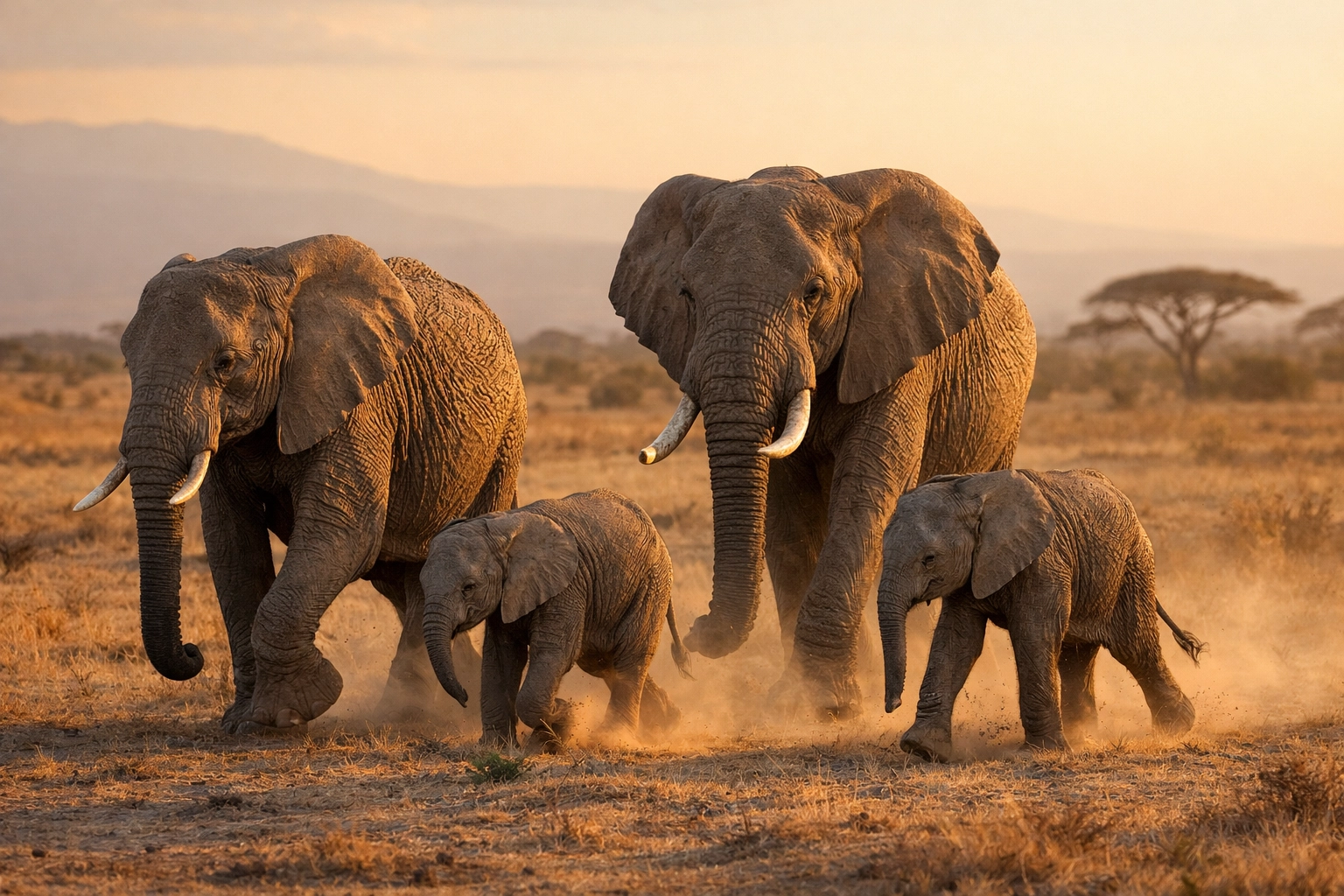
Simple. Direct. Authentic.
That is how you build a zoo brand that lasts. Avoid the fluff. Focus on the eyes. Get on their level.
The rest will follow.


