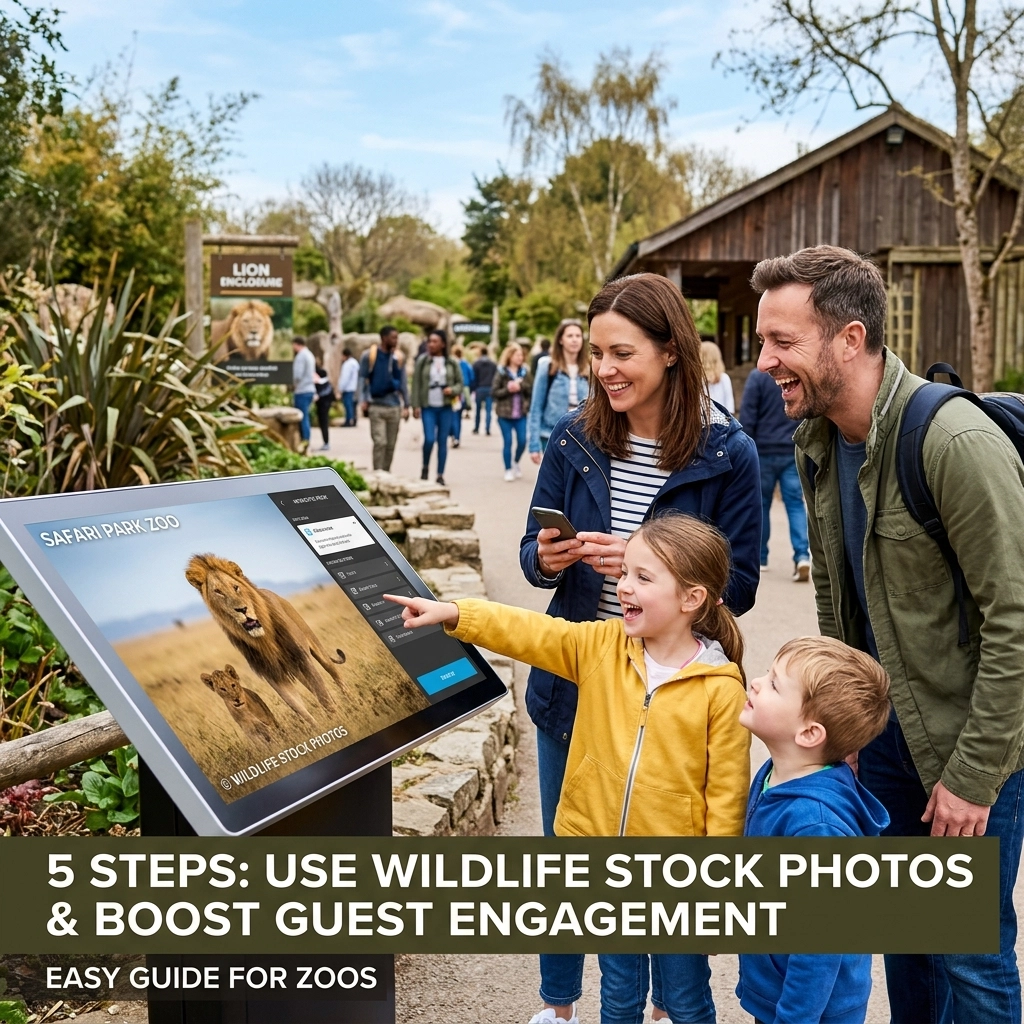
5 Steps How to Use Wildlife Stock Photos and Boost Guest Engagement (Easy Guide for Zoos)
Visuals matter.
In the zoo world, a single photo can spark a visit. It can drive a donation. It can start a lifelong passion for conservation.
But taking perfect photos of every animal in your care is difficult. Lighting is hard. Animals hide. Budget is tight.
This is where wildlife stock photography comes in.
At Zoo Imagery, we provide the tools to bridge the gap between your mission and your audience. We focus on simple solutions that work.
Here is your five-step guide to using high-quality imagery to boost guest engagement.
1. Curate Your Visual Library
Quality over quantity. Always.
Your website is often the first point of contact for a guest. If the images are blurry or dark, the excitement fades.
- Select high-resolution files. Crisp details on a tiger’s fur or the texture of a rhino’s skin create an immediate connection.
- Focus on eye contact. Images where animals look directly at the lens engage the human brain. It feels personal.
- Match your brand. If your zoo is family-focused, choose bright, energetic shots. If you focus on research, choose more observational, naturalistic photos.
Stock photography allows you to have a "best-of" gallery available 24/7. You don't have to wait for the lion to wake up to get the perfect shot for your homepage.
Visit zooimagery.com to see how a professional library changes the look of a digital presence.

2. Create "Presented By" Animal Pages
This is about community and support.
Every animal in your zoo has a story. Most zoos have a "Meet the Animals" section on their site. You can make these pages work harder for you.
A "Presented by" page allows a local business or a dedicated donor to sponsor a specific species digitally.
- High-impact headers. Use a stunning stock photo of a snow leopard for the header.
- Clear sponsorship placement. "This Snow Leopard page is presented by [Local Partner Name]."
- Educational snippets. Keep it simple. Facts. Diet. Conservation status.
- Engagement links. Add a button to "Book a Tour" or "Support this Species."
This creates a new revenue stream. It also gives the sponsor a sense of pride. They aren't just giving money; they are visible partners in conservation.

3. Launch Sponsored Species Spotlights
Social media thrives on consistency.
Guest engagement drops when you stop posting. But you might not have new news every day. A "Sponsored Species Spotlight" fills the gaps.
- Weekly cadence. Every Tuesday, highlight a different animal.
- Use stock photos for variety. If your resident giraffe is shy this week, use a high-quality stock photo of a giraffe in the wild to keep the conversation going.
- Tag the sponsor. Mention the business that supports that animal.
- Ask questions. "Did you know a giraffe's heart is two feet long? Come see our herd this weekend."
This keeps your feed active. It keeps your partners happy. It keeps guests thinking about their next visit.
For more on how this works, check out our how it works page.
4. Bridge Physical and Digital Signage
Engagement shouldn't end when the guest enters the gate.
Traditional zoo signs are static. They get faded. They have limited space. You can use stock photography to create a "digital bridge."
- QR codes on enclosures. Place a small QR code on the physical sign.
- Direct to "Presented by" pages. When the guest scans the code, they see the beautiful stock photo and the sponsor's name.
- Mobile-friendly facts. Provide deeper information than what fits on a wooden plaque.
- Instant action. A "Donate Now" button right there at the enclosure is powerful.
Using stock photos on these digital landing pages ensures the guest sees a "hero shot" of the animal, even if the real animal is currently napping in the back of the exhibit.

5. Tell the Conservation Story
People support what they understand.
Engagement is deeper when it’s tied to a mission. Stock photography can illustrate the "why" behind your zoo’s work.
- Habitat imagery. Use photos of animals in their natural wild habitats to explain why conservation is necessary.
- Global connection. Show the species your zoo is helping to protect across the globe.
- ESG alignment. For corporate partners, this is vital. They want to see their contributions tied to real-world impact. Simple, powerful imagery makes that impact visible.
Keep the language clear. Avoid jargon. State the problem. Show the animal. Offer the solution.

Why Stock Photography?
You might wonder: Why not just use our own photos?
The answer is simple: Time and consistency.
Your staff is busy caring for animals. Hiring a professional photographer for every single species, every single month, is expensive. Stock photography provides a professional baseline.
It ensures that every touchpoint: from your website to your social media to your physical signage: looks world-class.
Moving Forward
Boosting guest engagement doesn't have to be complicated. It starts with how people see the animals.
- Quality. Use better photos.
- Sponsorship. Create "Presented by" pages.
- Consistency. Use weekly spotlights.
- Integration. Link physical signs to digital content.
- Mission. Focus on the story.
Simple steps. Big impact.
If you are ready to upgrade your zoo’s visual presence, we are here to help. Our library is built specifically for this industry.
We understand the balance between education, entertainment, and conservation.
Start Today
Better imagery leads to better engagement. Better engagement leads to better support for your animals.
Explore our library and see the difference professional wildlife photography makes.
Visit us at zooimagery.com to learn more about our animal pages and sponsored spotlight opportunities.
You can also follow our updates and see more tips on our LinkedIn profile.
Simple tools. Better results. Let’s get started.


