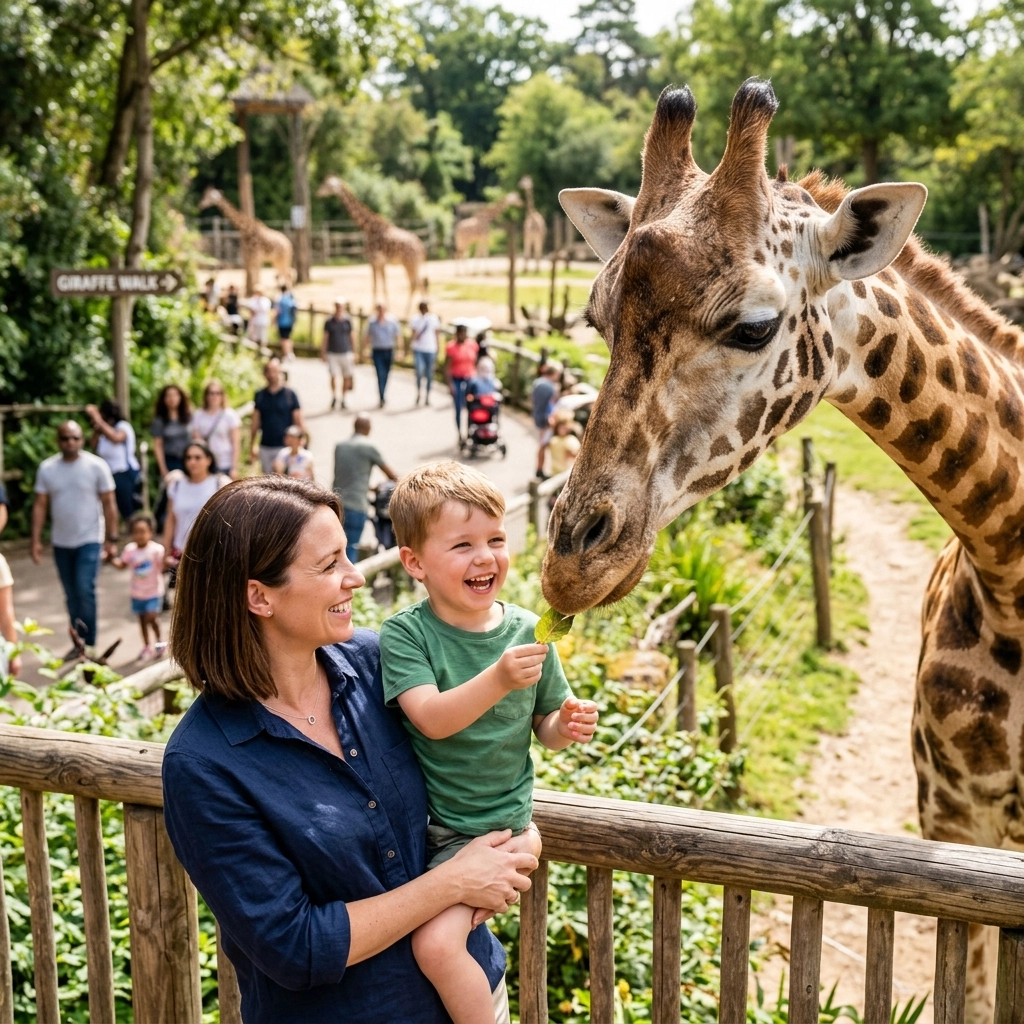
5 Steps How to Use Animal Stock Photos and Boost Zoo Attendance (Easy Guide for Marketers)
Visuals matter. In the zoo industry, they are everything.
Most visitors decide to visit based on a photo they saw on social media or a website. If the photo is grainy, dark, or uninspiring, they stay home. High-quality animal stock photography changes that dynamic.
Professional imagery creates an immediate emotional connection. It shows the beauty of the species. It builds anticipation for the visit.
Here is how to use these assets to fill your walkways.
1. Upgrade Your Digital First Impression
Your website is your front gate. It is the first thing a potential visitor sees.
Often, zoo websites rely on amateur photos taken by staff on mobile phones. While authentic, these often lack the "wow" factor required to drive ticket sales.
The consistency problem
Amateur photos vary in lighting, color, and sharp focus. This creates a cluttered visual experience.
The stock solution
Using professional stock photos ensures consistency. You get high-resolution, perfectly lit shots of every animal in your care.
- Use hero banners that feature charismatic megafauna.
- Replace blurry gallery images with crisp, professional shots.
- Maintain a uniform color grade across all species pages.
Professional photos signal professional care. When the imagery looks elite, the visitor assumes the experience will be elite.

2. Launch "Presented By" Animal Pages
Monetizing your website helps fund conservation. One of the most effective ways to do this is through "Presented by" animal pages.
The concept
Every species page on your site is an opportunity for a local business partnership. A local bank or grocery chain can "present" the Lion page or the Penguin page.
How stock photography helps
Partners want their brand associated with quality. They do not want their logo next to a dark, out-of-focus photo of a sleeping animal.
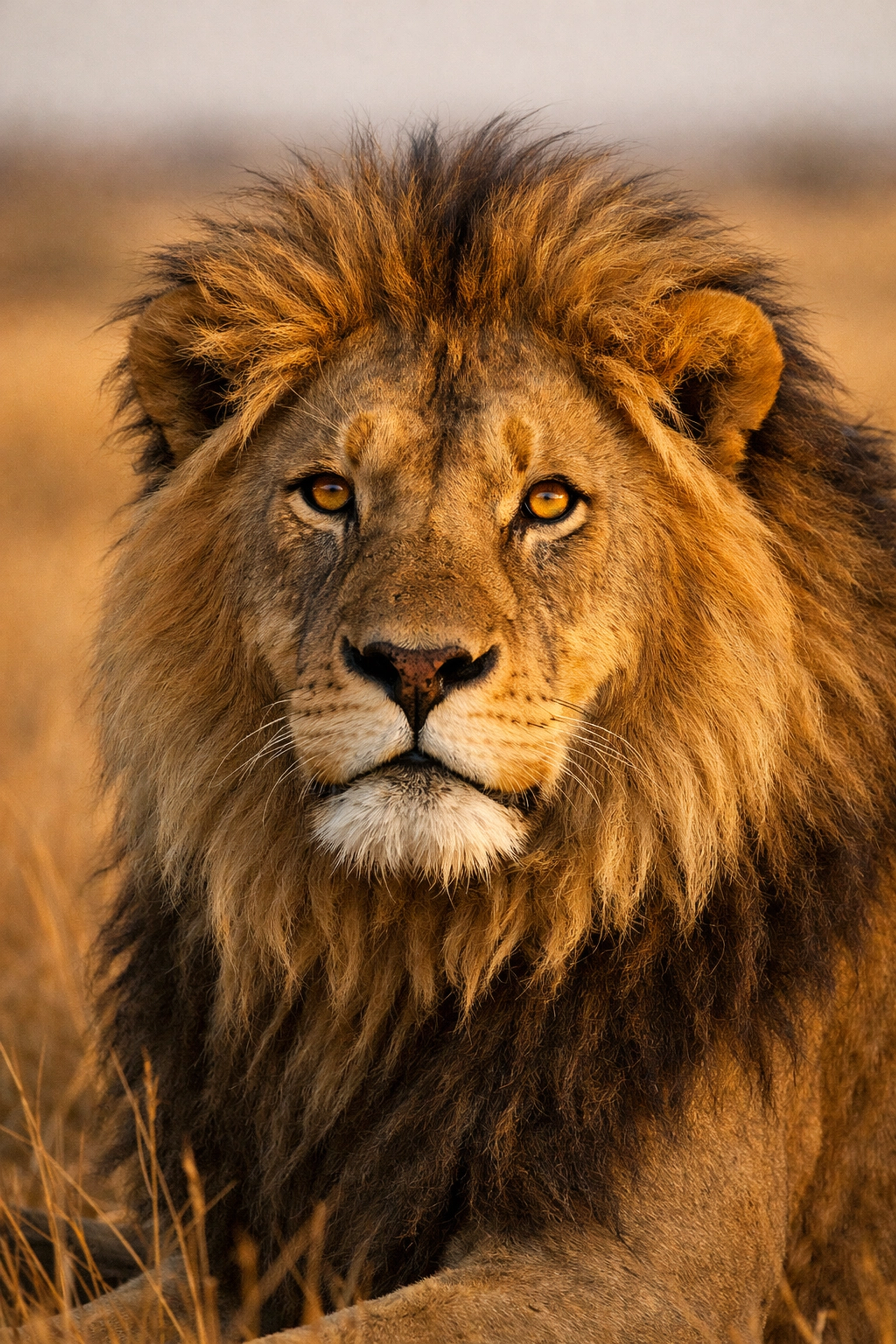
The execution
- Select a high-end stock photo for a specific species.
- Create a clean page layout.
- Place the partner logo prominently but tastefully.
- Add a "Presented by [Partner Name]" header.
This turns a static information page into a revenue-generating asset. It provides the partner with high-visibility brand alignment. It provides the zoo with the funds to maintain the habitat.
3. Create Sponsored Species Spotlights
Social media feeds are crowded. To stand out, you need imagery that stops the scroll.
Weekly spotlights
Pick one animal each week. Use a series of professional stock photos to tell its story.
- Day 1: The "Close-up" (focus on detail).
- Day 3: The "Action shot" (focus on movement).
- Day 5: The "Environment" (focus on habitat).
Sponsorship integration
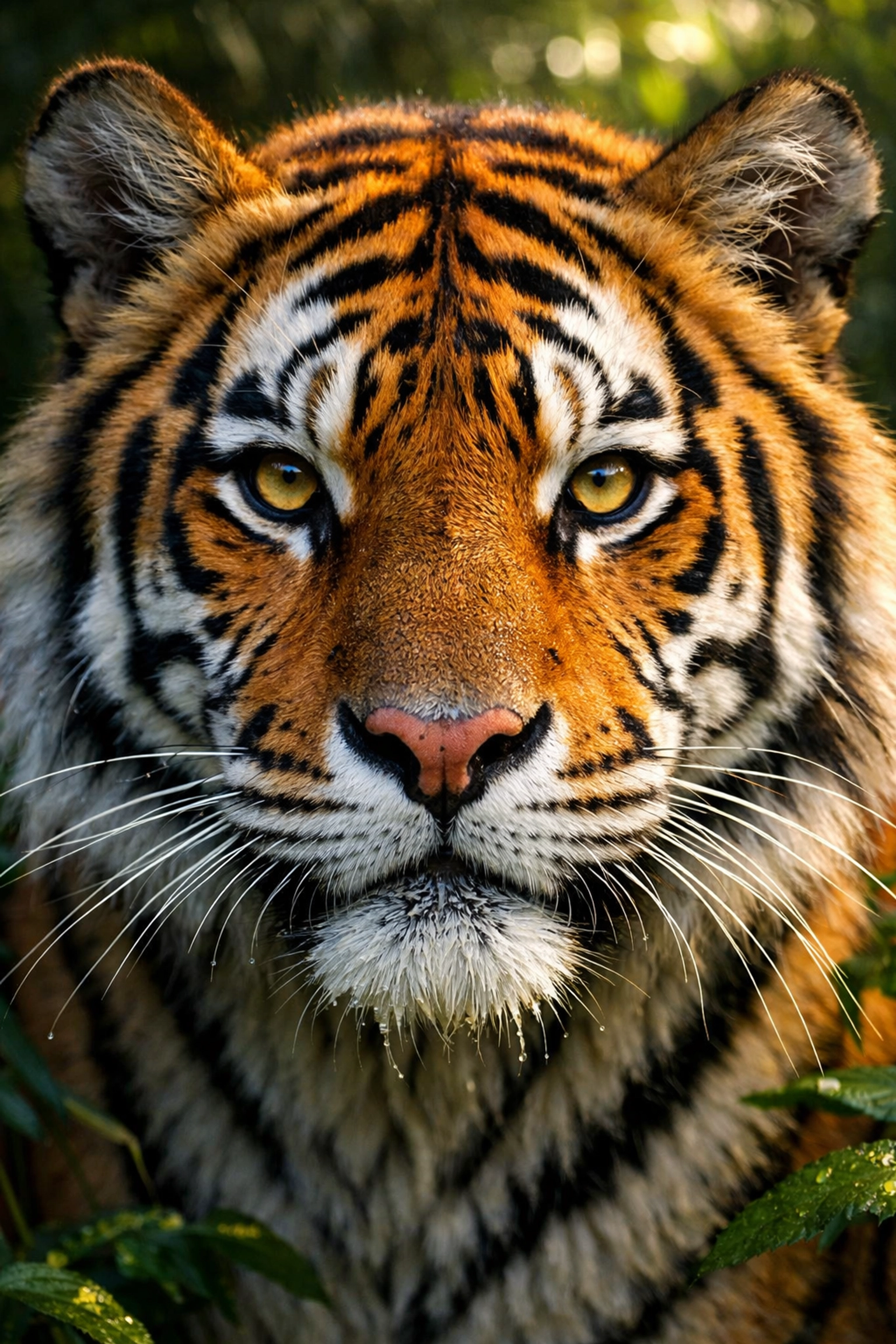
These spotlights are perfect for sponsors. A local business can sponsor "Tiger Week."
Why stock photos work here
You cannot always get a tiger to pose for a perfect social media shot on a Tuesday morning. Stock photography gives you access to "the perfect shot" every time. You don't have to wait for the animal to be in the right mood or the right light.
4. Master Conservation Storytelling
Zoos are about more than just viewing animals. They are about saving them.
Emotional resonance
Data shows that visitors are more likely to attend and donate when they feel an emotional connection to the mission.
The visual bridge
Stock photography allows you to show animals in a way that highlights their majesty and vulnerability.
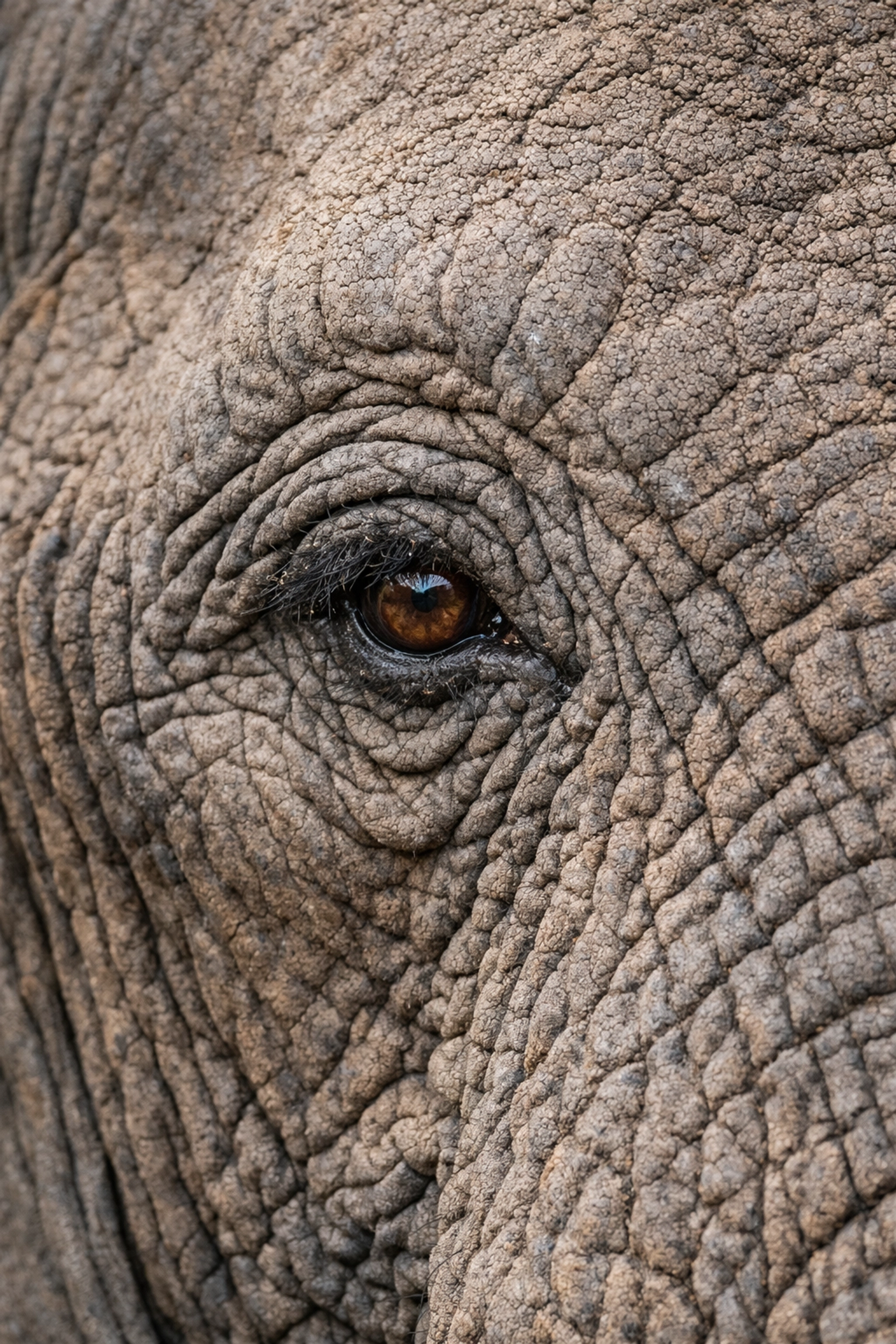
- Use macro shots to show the texture of a reptile's skin.
- Use wide-angle shots to show the scale of an elephant.
- Use "eye-contact" shots to build empathy.
When you tell a story about a specific conservation project, the image must be as powerful as the words. Simple, clean, and striking photos move people to act.
5. Implement a Cohesive Multi-Channel Strategy
Marketing works best when the message is the same everywhere.
The multi-channel approach
The photo a visitor sees on a billboard should match the photo they see on your website and the photo they see in their email inbox.
Step-by-step implementation
- Choose a theme: Select a specific animal or habitat for the month.
- Select your stock assets: Pick 5-10 high-quality images from Zoo Imagery.
- Deploy to Print: Use high-res files for posters and brochures.
- Deploy to Digital: Use the same images for Facebook ads and website banners.
- Track attendance: Monitor the "spike" in interest for that specific species.
Consistency breeds familiarity. Familiarity builds trust. Trust leads to ticket sales.
Keep it simple
Don't overcomplicate your ads. One great photo. A clear benefit. A simple call to action.
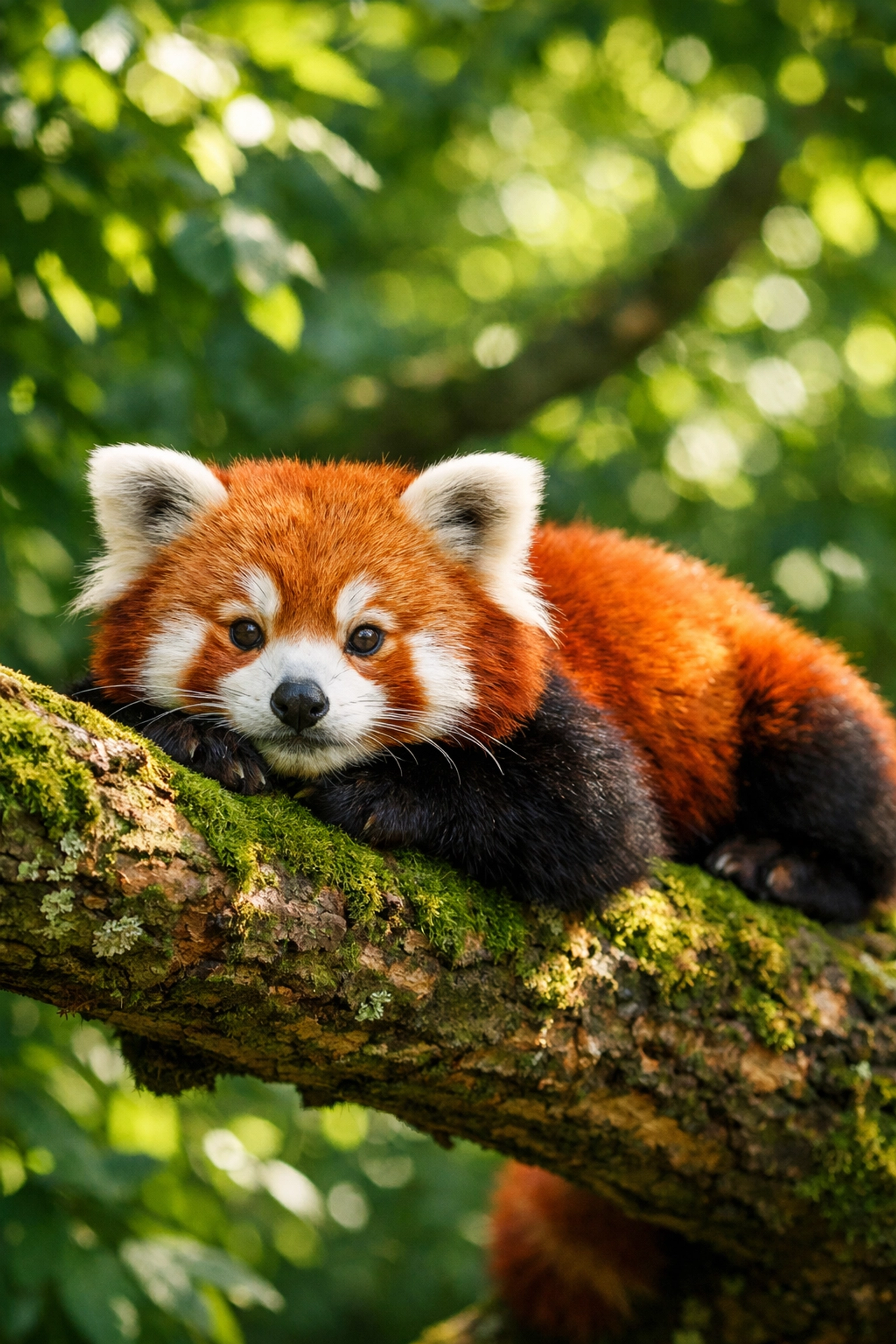
Focus on Quality
Stock photography is not about faking your zoo’s experience. It is about representing the beauty of the animal kingdom with the respect it deserves.
Amateur photography often fails to capture the true essence of a species. Professional stock photography ensures that your marketing reflects the high standards of your institution.
- High resolution.
- Perfect lighting.
- Accurate representation.
These are the pillars of effective zoo marketing.
Final Thoughts
Boosting zoo attendance is about capturing the imagination. When people see a stunning image of a snow leopard or a mountain gorilla, they want to be in its presence.
Use these five steps to refine your visual strategy.
Stop relying on luck for your photography.
Start using assets that are designed to perform.
For high-quality animal stock photography and marketing solutions:
Visit zooimagery.com
Or connect with us for more insights:
Zoo Imagery on LinkedIn


