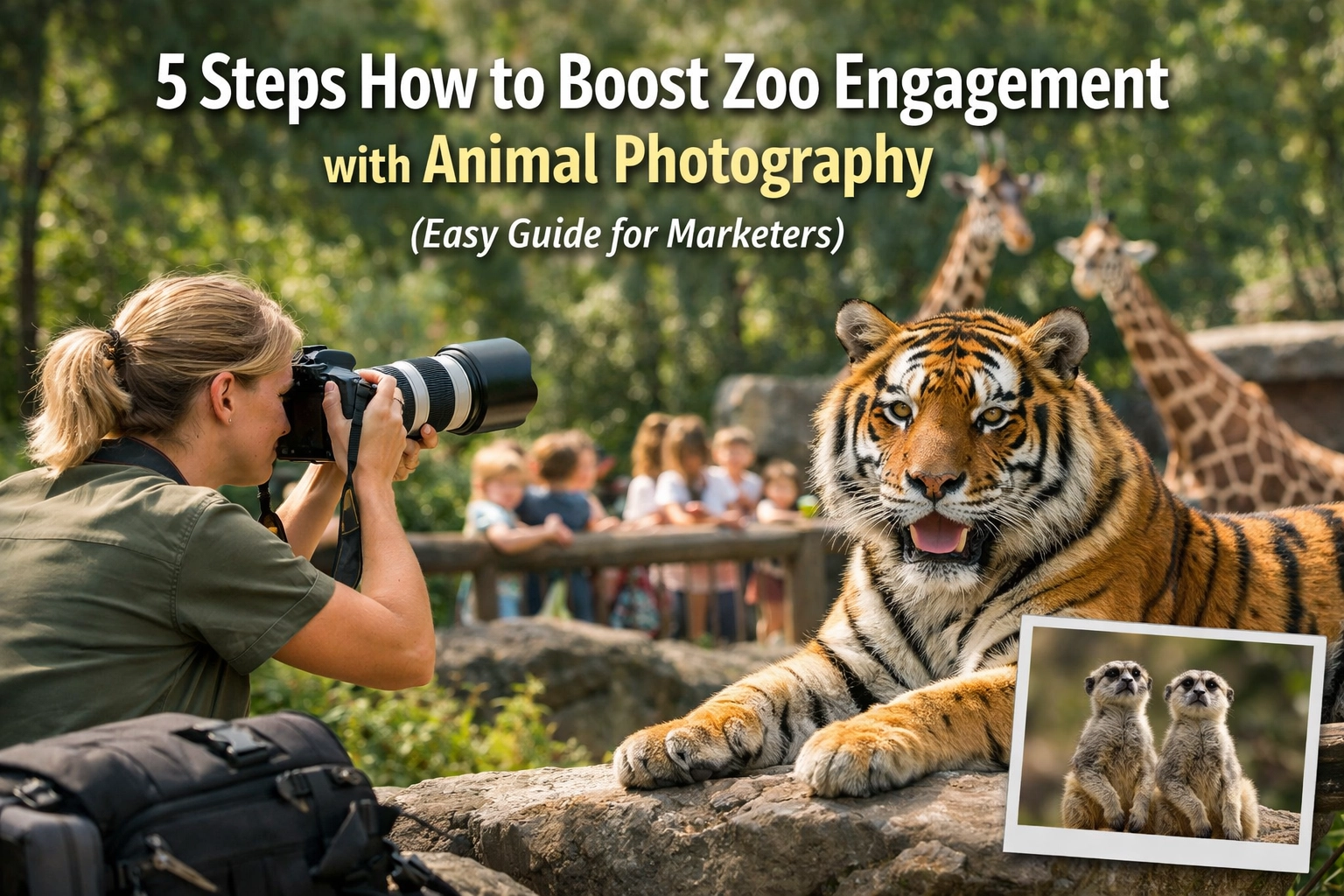
5 Steps How to Boost Zoo Engagement with Animal Photography (Easy Guide for Marketers)
Zoo marketing is tough. Your audience scrolls past generic wildlife photos every day. They've seen a hundred lion headshots. Another flamingo sunset. One more panda eating bamboo.
Your animal photography needs to work harder.
Here's what actually moves the needle: authentic imagery paired with smart sponsorship opportunities. No complicated campaigns. No massive budgets. Just five straightforward steps that turn your animal collection into engagement gold.
Step 1: Build "Presented By" Animal Pages That Sponsors Actually Want
"Presented by" pages aren't new. But most zoos get them wrong.
The mistake? Treating them like digital plaques. Slap a logo on a generic animal page and call it sponsored content.
That doesn't work anymore.
Strong "Presented by" pages combine three elements:
High-quality animal photography. Not phone snapshots. Not amateur hour. Professional images that showcase individual animals with personality. Close-ups that reveal texture. Behavioral shots that tell stories.
Species-specific content. Write about conservation status. Habitat challenges. What makes this particular animal interesting. Keep it simple. Skip the academic jargon.
Sponsor integration that feels natural. The sponsor logo should complement the page, not dominate it. Brief mention of their support. Link to their conservation initiatives if relevant.
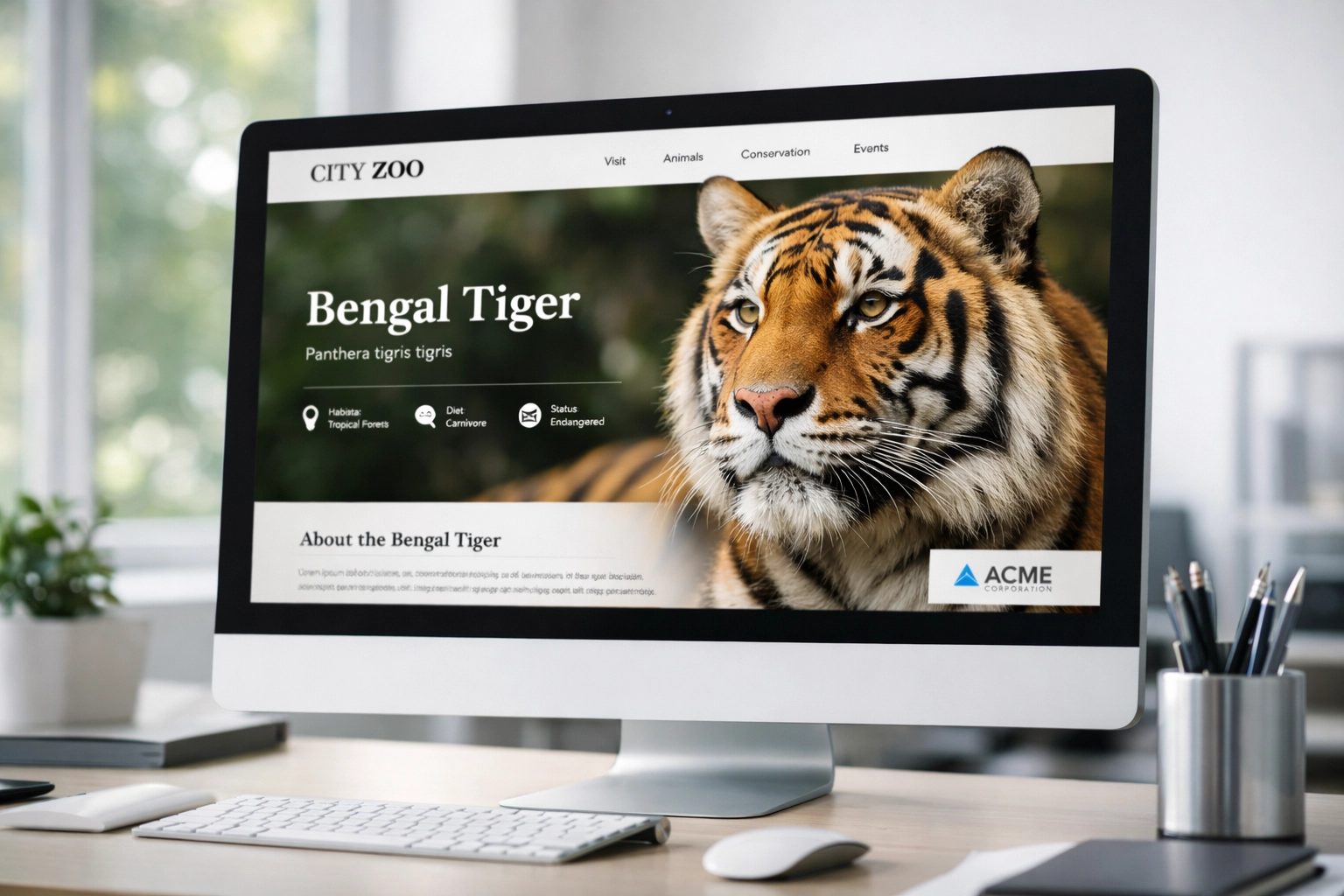
Corporate sponsors want association with specific animals. They want their leadership team taking photos with "their" tiger. They want that content for internal communications and social media.
Give them the photography and the platform. Make it easy to share.
Step 2: Launch Sponsored Species Spotlights That Build Ongoing Engagement
Species spotlights go deeper than static pages. They're content series that keep audiences coming back.
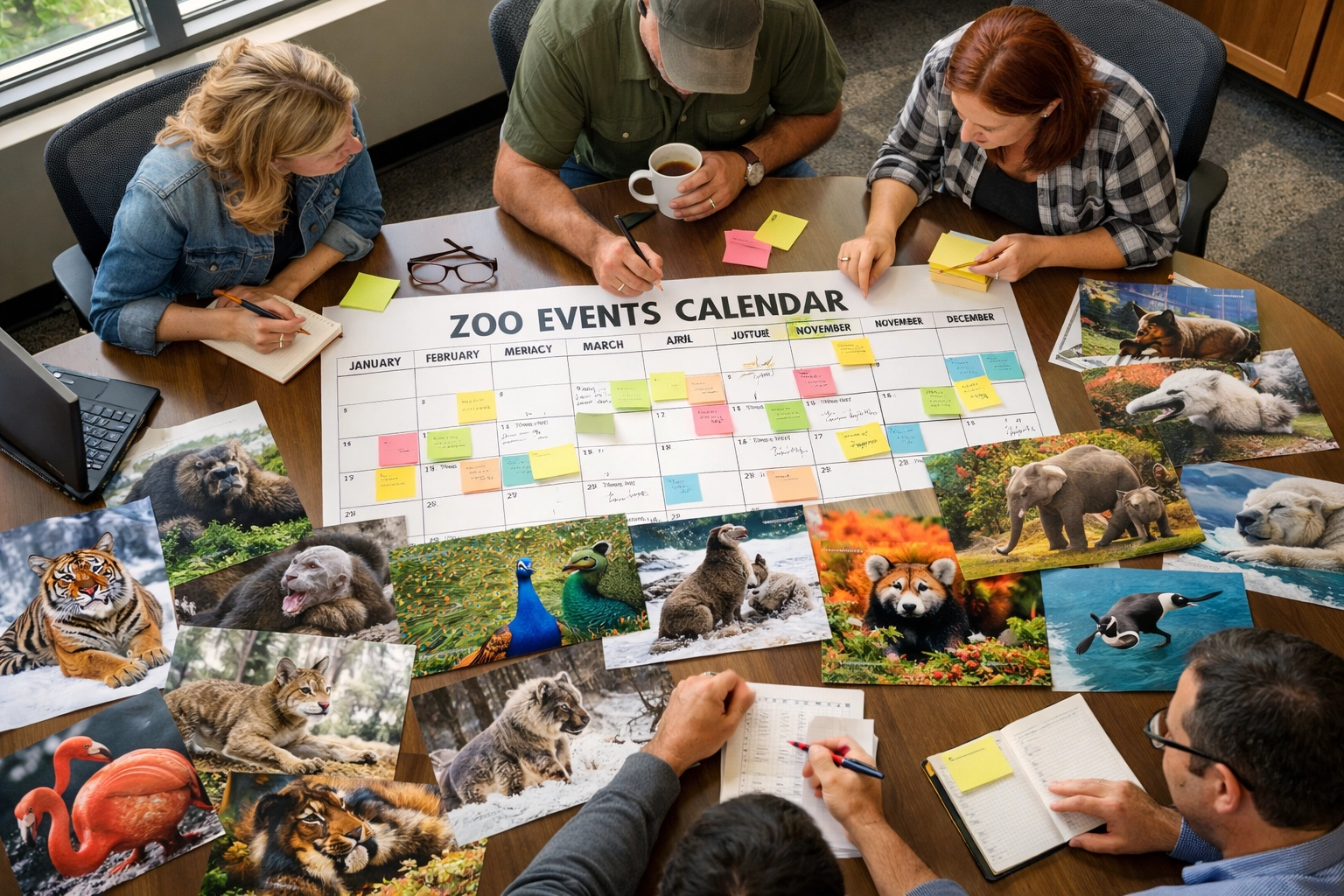
Pick 3-5 animals per quarter. Document their stories through photography. Weekly updates. Behavioral changes. Training milestones. Seasonal adaptations.
This creates multiple touchpoints:
Social media posts throughout the quarter. Email newsletter features. Website blog content. Behind-the-scenes photography that shows care and expertise.
Sponsors love this because it's ongoing visibility. Not a one-time logo placement. Continuous association with animals their customers actually care about.
The photography matters here. You need variety. Different angles. Different lighting. Different behaviors. Show the animal swimming, playing, sleeping, eating. Create a visual narrative.
Most zoos don't have time to shoot this content consistently. That's the problem we solve.
Step 3: Stop Using Generic Stock Photos (They're Killing Your Credibility)
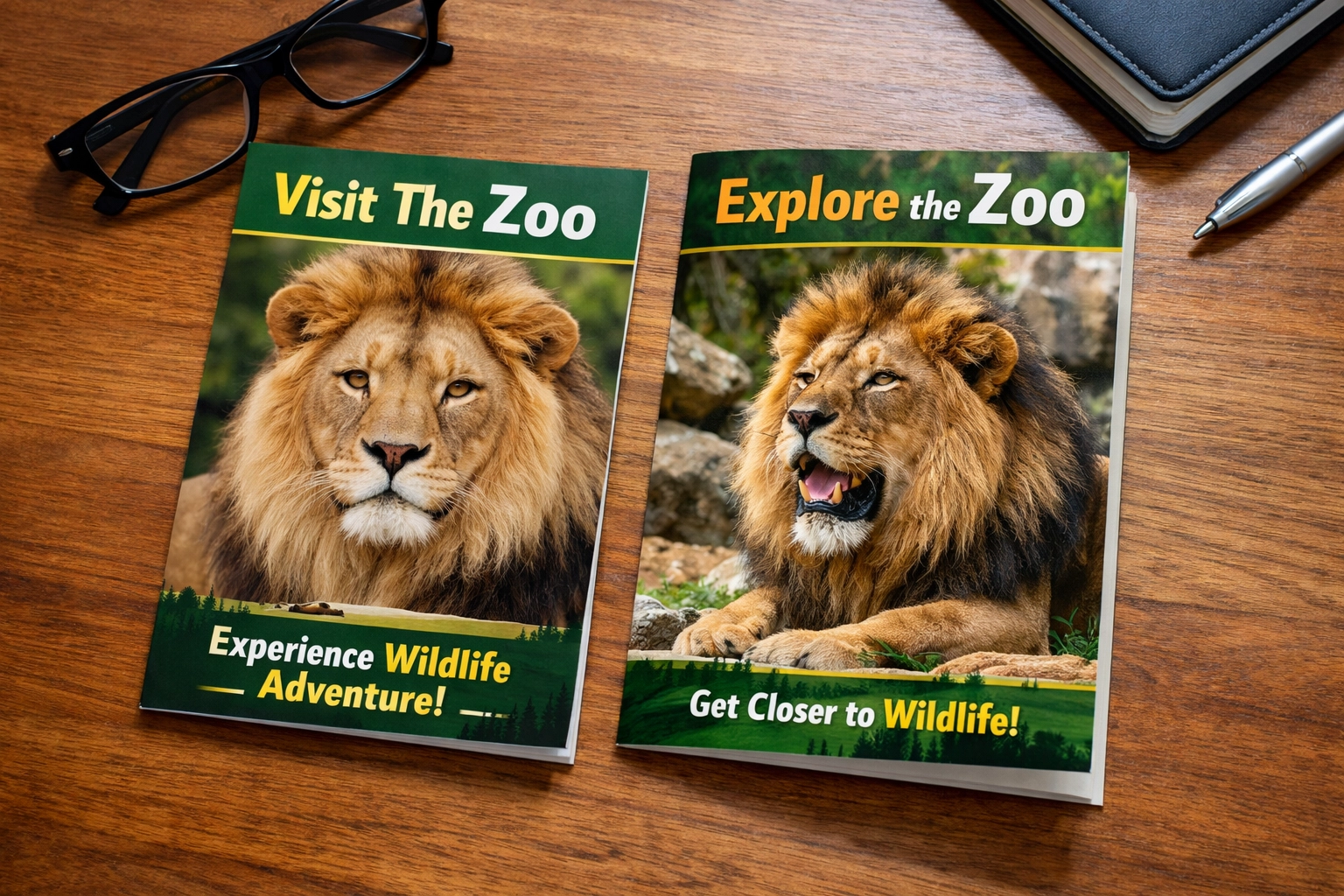
Here's an uncomfortable truth: visitors can tell when you're using random stock photography.
That lion on your homepage? It's not from your zoo. That elephant family? Stock image from somewhere in Africa. Your audience knows.
It undermines everything.
Why should they visit your zoo when your own marketing shows animals from other locations? What does that say about your actual collection?
Real animal photography from real zoos builds trust. It shows what visitors will actually see. It demonstrates the quality of your habitats and animal care.
Every photo becomes proof. Proof that your animals are healthy. Proof that your exhibits are well-maintained. Proof that you invest in quality.
Generic stock photos can't deliver that message.
Need fresh content but don't have an in-house photographer? Explore our animal photography collection built specifically for zoo marketing.
Step 4: Tell Conservation Stories Without the Corporate Speak
People care about conservation. They don't care about "synergistic ecosystem partnerships" or "biodiversity enhancement initiatives."
Drop the buzzwords. Tell simple stories.
What's the problem? Sumatran tigers have lost 80% of their habitat in 20 years.
What are you doing? Your zoo supports anti-poaching patrols in Indonesia. You're breeding tigers as part of the species survival plan.
How can visitors help? Visit the tiger exhibit. Follow your conservation updates. Share the story.
That's it. Three elements. Clear photography supporting each point.
Show the animal first. Make people care about the individual tiger at your zoo. Then connect that animal to the bigger conservation picture.
Photography does the heavy lifting here. A powerful portrait creates emotional connection. Behind-the-scenes shots of veterinary care demonstrate expertise. Habitat photos show your commitment to animal welfare.
The story writes itself when you have the right images.
Step 5: Transform Visitors Into Your Content Creation Team
Your visitors are already taking thousands of photos. Every single day. For free.
Most zoos ignore this goldmine.
Launch a simple photo contest. Monthly works best. One winner per month. Prize doesn't need to be expensive: exclusive behind-the-scenes tour, family membership upgrade, gift shop credit.
Create a branded hashtag. Feature winning photos on your social channels. Ask permission to use visitor photos in marketing materials.
This solves multiple problems:
Fresh content constantly. You're not relying on one photographer or one shoot day. You're collecting hundreds of images from different perspectives every month.
Authentic social proof. When visitors share their zoo photos, they're telling friends "this place is worth visiting." That message carries more weight than any paid advertisement.
Community building. People who enter your photo contest become invested. They follow your social channels to see if they won. They engage with other entries. They visit again to take better photos.
The best part? You can supplement visitor photos with professional animal photography for campaigns that need that polished look. Use visitor content for social proof. Use professional photography for sponsor materials and major campaigns.
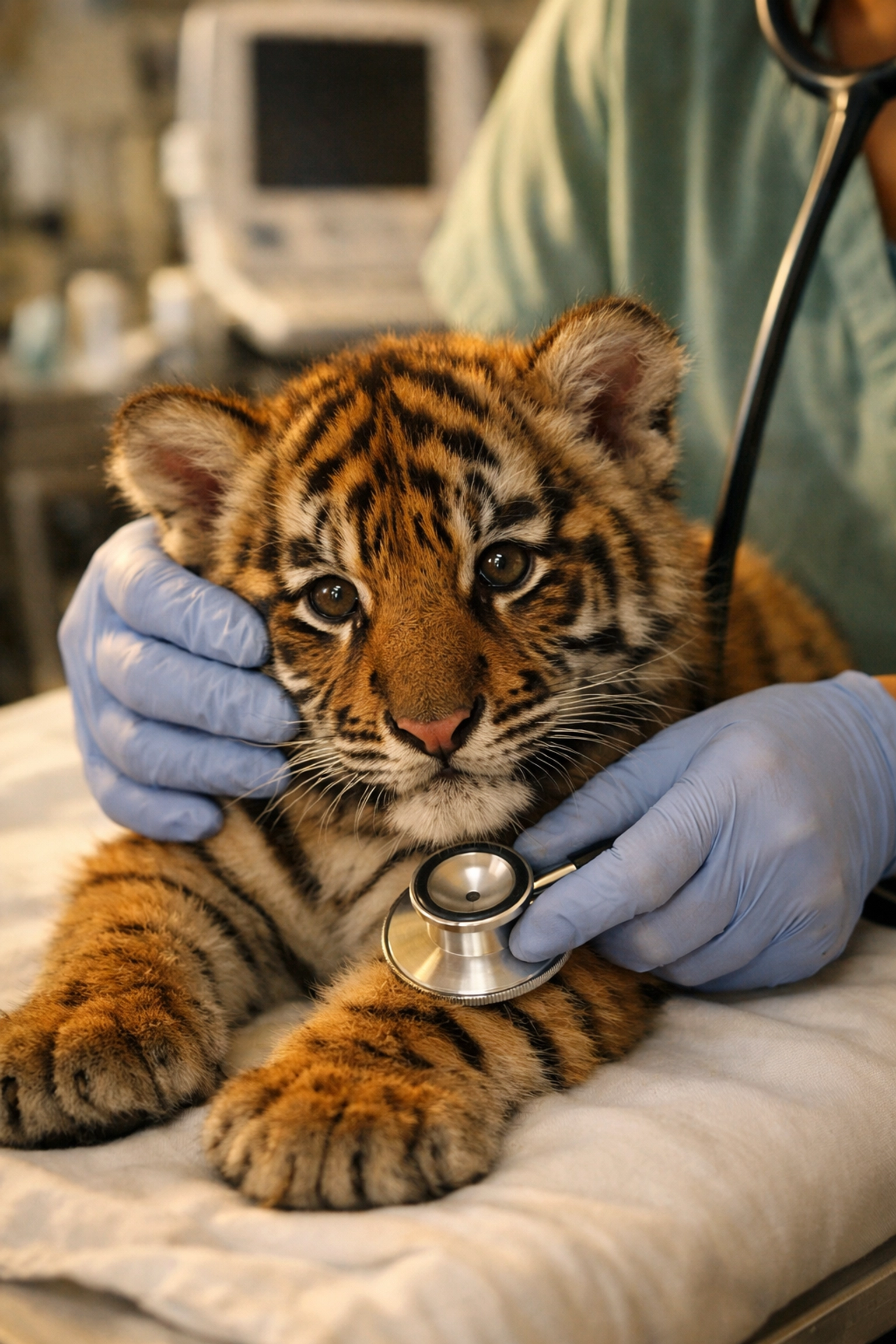
Both serve different purposes. Both drive engagement.
Making It Work: The Photography Foundation
All five steps depend on one thing: quality animal photography.
Not just any photos. Images shot specifically for zoo marketing. Proper lighting. Clean backgrounds. Animals in engaging poses. Both portrait and landscape orientations. Multiple angles of popular species.
You need a library to pull from. Photos ready for social media. Photos suitable for print materials. Photos that work for sponsor presentations. Photos that tell conservation stories.
Building that library in-house takes time. Takes budget. Takes a photographer who understands animal behavior and knows how to work around exhibit barriers.
Or you work with teams who've already done it.
Start Tomorrow
Pick one step. Launch one "Presented By" page this month. Start one species spotlight. Replace one generic stock photo with real animal imagery.
Small changes compound. One strong animal page attracts one sponsor. That revenue funds better exhibits. Better exhibits create better visitor experiences. Better experiences generate more user photos and social sharing.
Everything connects.
Zoo marketing doesn't need to be complicated. It needs to be consistent. It needs to be authentic. It needs to show your animals the way they actually look: healthy, engaging, worth visiting in person.
That starts with photography that works as hard as your team does.
Ready to upgrade your zoo marketing with professional animal photography? Check out our collection at zooimagery.com or connect with us on LinkedIn for weekly zoo marketing insights and conservation storytelling tips.


