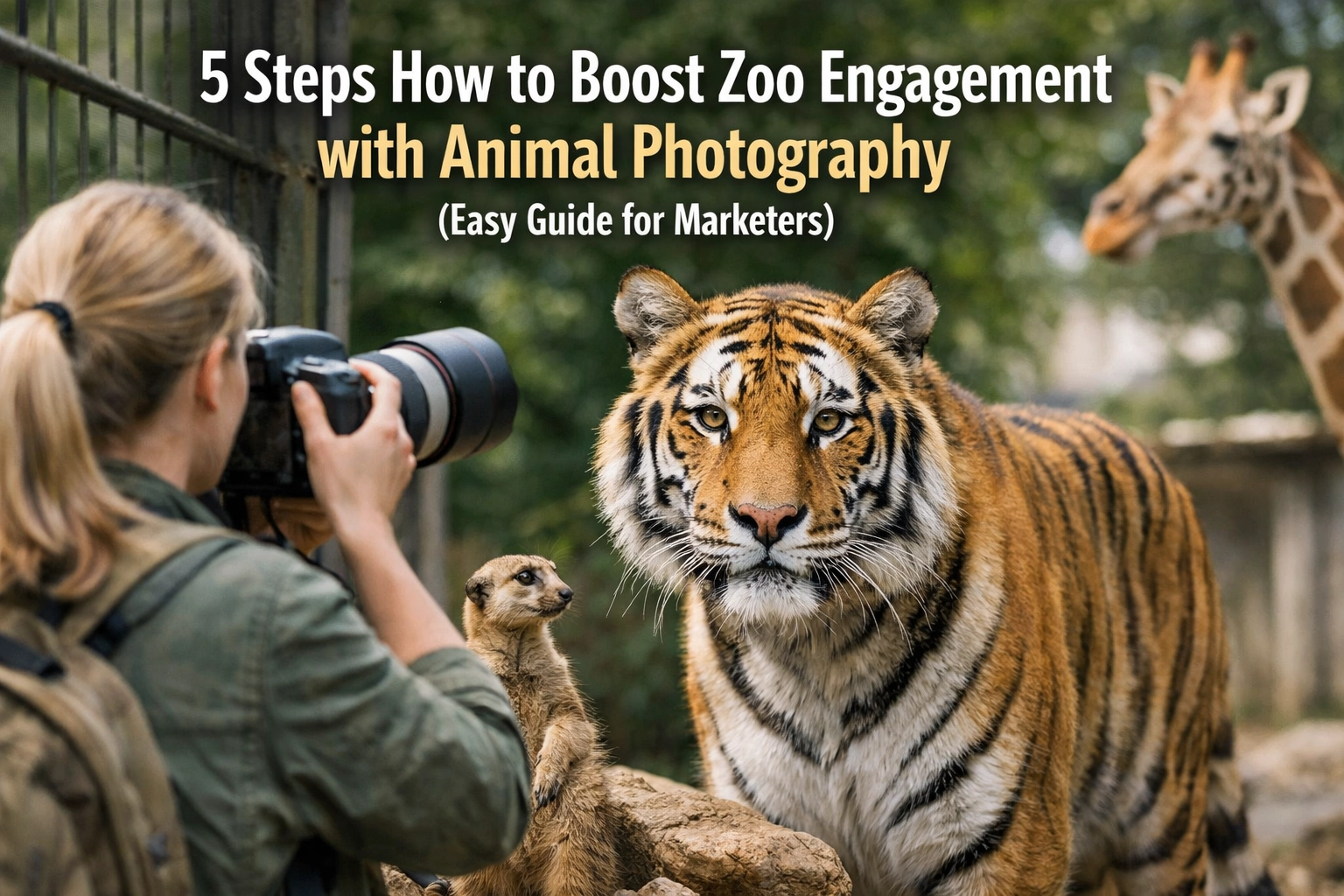
5 Steps How to Boost Zoo Engagement with Animal Photography (Easy Guide for Marketers)
Visitor engagement doesn't happen by accident.
It happens when you give people something worth photographing, sharing, and remembering. Animal photography is your most powerful tool: if you know how to use it.
Here's how to turn animal images into real engagement.
Step 1: Create "Presented By" Animal Pages That Actually Work
Most zoo websites hide their best content. Don't.
Give each animal its own dedicated page. Make it good.
What to include:
- High-quality portrait and landscape photos
- Species facts visitors actually care about
- Conservation status
- Behind-the-scenes care stories
- Sponsorship recognition when applicable
These pages serve two purposes. First, they give visitors a reason to explore your website before and after their visit. Second, they create natural opportunities for corporate partnerships.
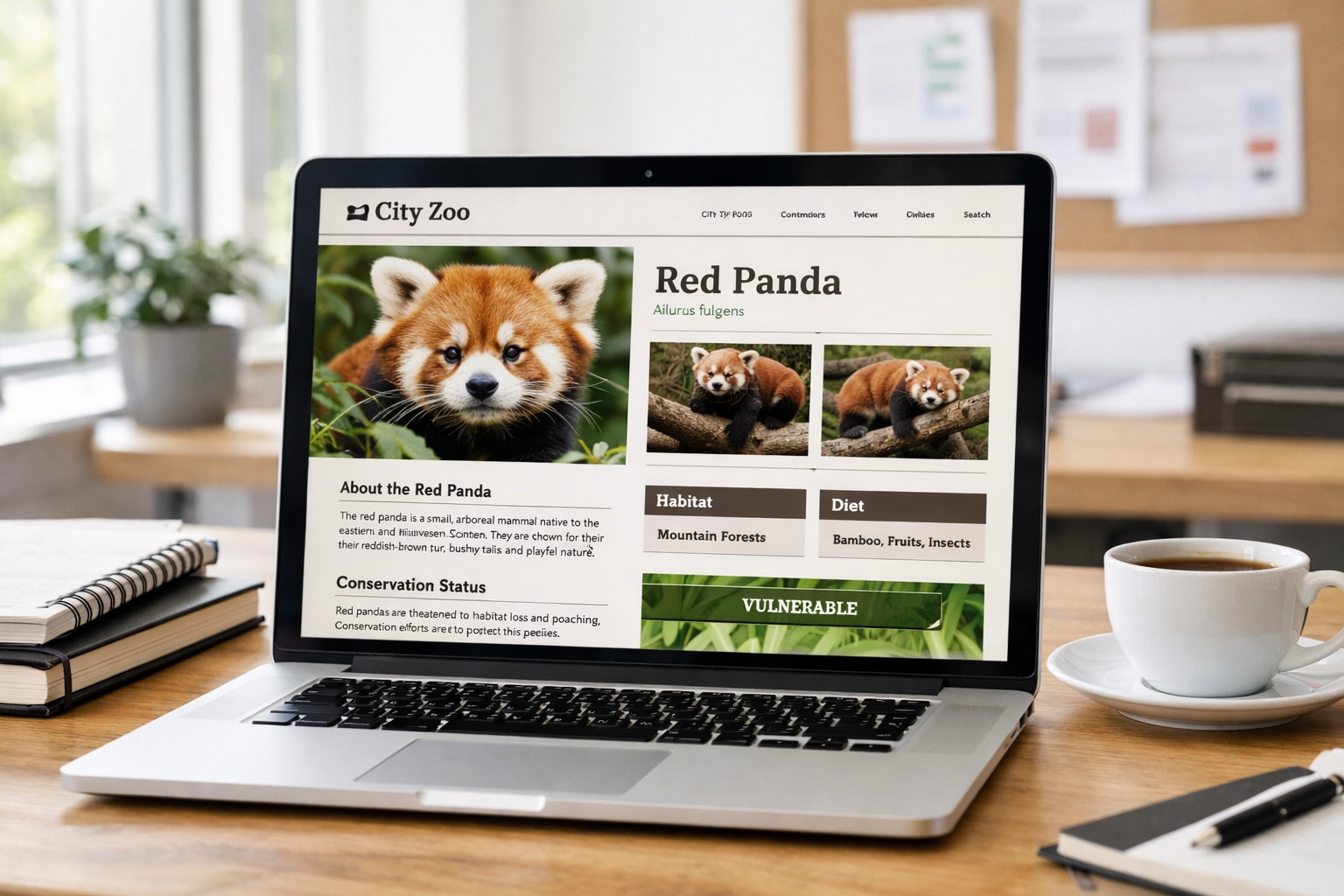
A company sponsoring your red panda exhibit gets more than a plaque. They get a dedicated digital presence. Photos. Stories. Recognition that lives beyond the physical space.
Simple. Effective. No gimmicks needed.
Step 2: Run Species Spotlights on Social Media (Weekly)
Pick one animal. Feature it across all platforms for the week.
The format:
- Monday: Introduce the animal with a stunning portrait
- Wednesday: Share a behavioral fact with video or action shot
- Friday: Post behind-the-scenes care or conservation angle
This creates consistency without overwhelming your team. Visitors start anticipating these posts. They share them. They show up asking about the featured animal.
The photography matters here. Generic stock photos won't cut it. You need images that capture personality. Close-ups that show detail. Moments that feel authentic.
Zoo Imagery specializes in exactly this: real animal photography from real facilities. Not staged. Not artificial. Just quality images ready to use.
Step 3: Make Every Exhibit Photo-Worthy
If visitors don't take photos, you're invisible online.
Simple additions that work:
- Branded photo frames near popular exhibits
- Clear sightlines designed for photography
- Signage encouraging photo sharing with your hashtag
- Seasonal or themed backdrops
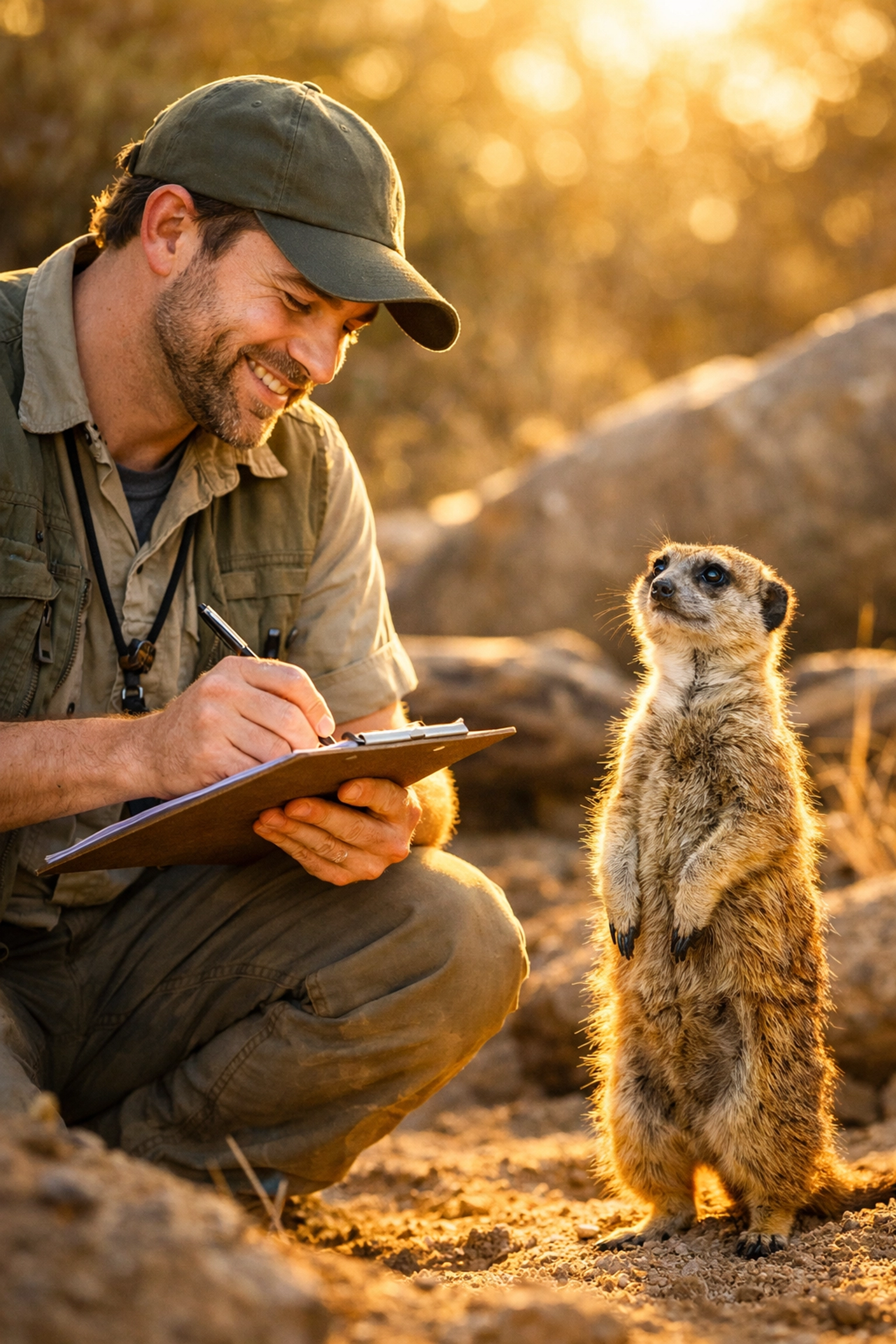
The goal isn't just getting visitors to take photos. It's getting them to share those photos and tag your location.
User-generated content expands your reach instantly. One visitor shares their penguin photo. Their network sees it. Some of those people visit. They share their photos. The cycle continues.
Your role: make it easy and obvious.
Step 4: Tell Conservation Stories Through Images
People care about animals. They care even more when they understand the stakes.
Use photography to tell conservation stories without the lecture.
Effective approaches:
- Document rehabilitation journeys with progress photos
- Show day-in-the-life of keepers working with endangered species
- Highlight breeding program successes
- Connect zoo animals to wild population efforts
Skip the buzzwords. Skip the corporate speak. Just show the work.
A photo series showing a rehabilitated sea turtle's journey from rescue to release does more than any mission statement ever could. Real images. Real impact. Real connection.
This is where "Presented By" partnerships become powerful. Companies want to align with meaningful conservation work. Give them stories worth supporting.
Step 5: Build a Consistent Content Calendar
Sporadic posting kills engagement.
Monthly planning template:
- Week 1: Species spotlight (new animal)
- Week 2: Conservation story or behind-the-scenes
- Week 3: User-generated content feature
- Week 4: Seasonal or event-based content
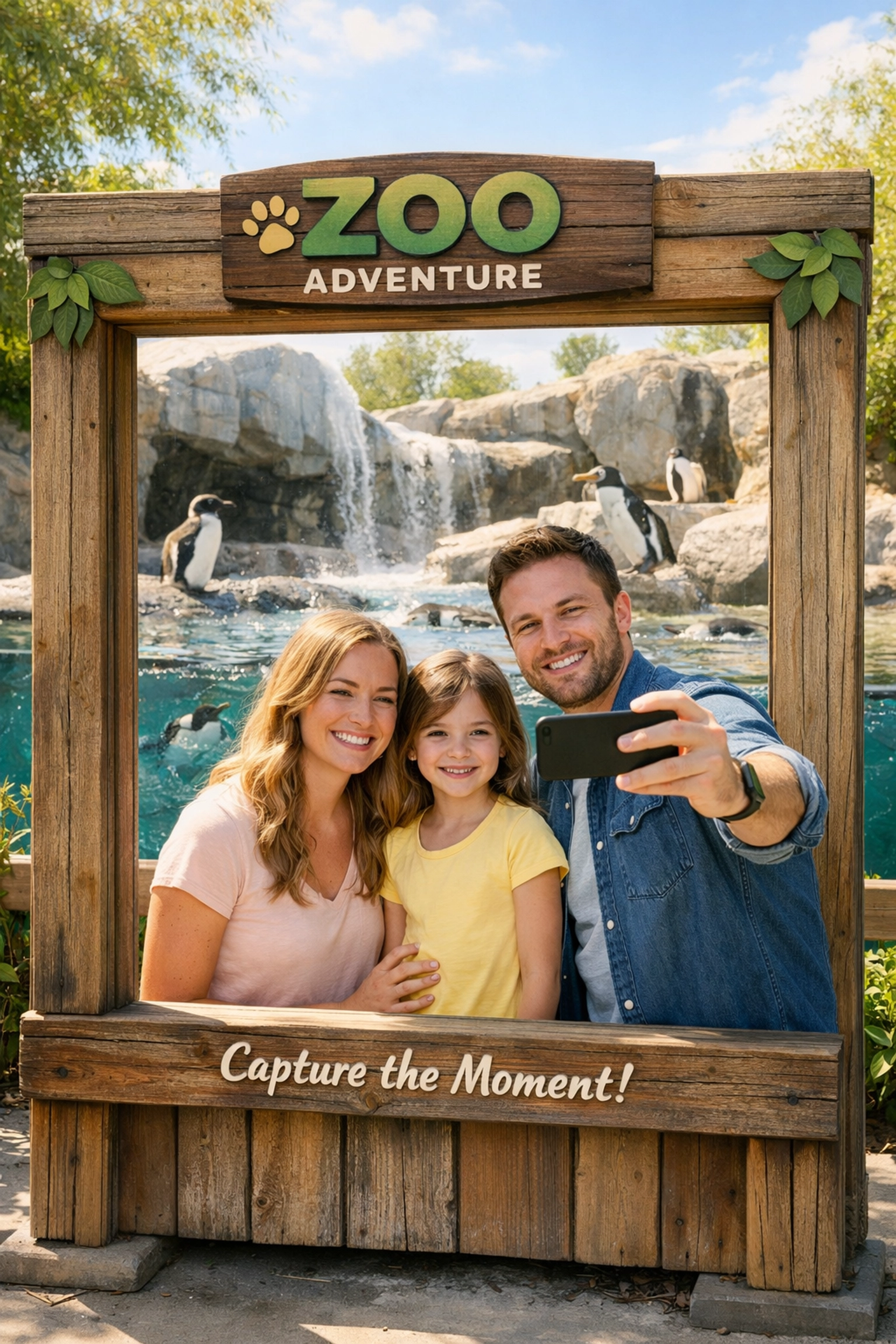
Consistency builds audience. Audience builds attendance. Attendance builds revenue.
The challenge most zoos face: finding quality images month after month. Shooting professional photography in-house takes time your team doesn't have.
Stock libraries exist for this reason. But generic wildlife photos don't represent your specific animals or your facility's unique character.
That's the gap Zoo Imagery fills. Real zoo and aquarium photography. Updated regularly. Ready when you need it.
What This Actually Looks Like
Here's a real scenario:
Your zoo wants to boost memberships in Q2. You plan a campaign around your penguin exhibit.
The execution:
- Create dedicated "Presented By" page featuring penguin species
- Run 4-week social media spotlight with different penguin photos weekly
- Install photo frame near exhibit with membership QR code
- Share keeper stories about penguin care and conservation
- Invite members to exclusive penguin feeding experience
Every piece uses professional photography. Every post drives to the dedicated page. Every interaction pushes toward the membership goal.
Simple strategy. Professional execution. Measurable results.
The Photography Quality Problem
Low-quality images hurt more than they help.
Blurry shots. Poor lighting. Awkward angles. They signal amateur operation. Visitors notice. Sponsors notice. Your audience scrolls past.
Professional photography signals professional operation. It builds trust. It stops the scroll. It converts browsers into visitors.
You don't need a full-time photographer. You need access to quality images when you need them.
Next Steps
Pick one step from this list. Implement it this week.
Don't try everything at once. Build momentum with consistency.
Start with species spotlights if you have existing photos. Start with "Presented By" pages if you're pursuing sponsorships. Start with photo frames if you want immediate visitor engagement.
Quality animal photography makes all of this easier. It makes your marketing more effective. It makes your team's job simpler.
Ready to upgrade your zoo's visual content? Explore professional zoo and aquarium photography at zooimagery.com or connect with us on LinkedIn.
Real photos. Real zoos. Real results.


