10 Reasons Your Wildlife Marketing Isn’t Engaging Visitors (And How to Fix It)
Marketing for zoos, aquariums, and wildlife sanctuaries is changing. It isn’t just about showing a picture of a lion anymore. Visitors are looking for something deeper. They want authenticity. They want to know their money supports a bigger purpose.
If your engagement is dropping, your strategy might be stuck in the past. Here are ten reasons your wildlife marketing isn't hitting the mark and how to fix it.
1. You’re Invisible Where It Matters
Many organizations focus only on their own gates. They wait for people to walk in. Digital presence is often an afterthought. If you aren't active where your audience hangs out, you don't exist to them.
The Fix:
Diversify your channels. Don't just post on Facebook. Look at where the younger demographic is: TikTok, Instagram, and even LinkedIn for B2B partnerships. Use a mix of educational snippets and "behind-the-scenes" moments. Make your digital footprint as large as your physical one.
2. The "Selfie" Trap
Promoting close-up interactions like animal selfies or touching experiences might get likes, but it alienates a growing segment of conscious consumers. People are becoming more aware of animal welfare. Seeing an animal forced into a photo op can feel "off" to modern visitors.
The Fix:
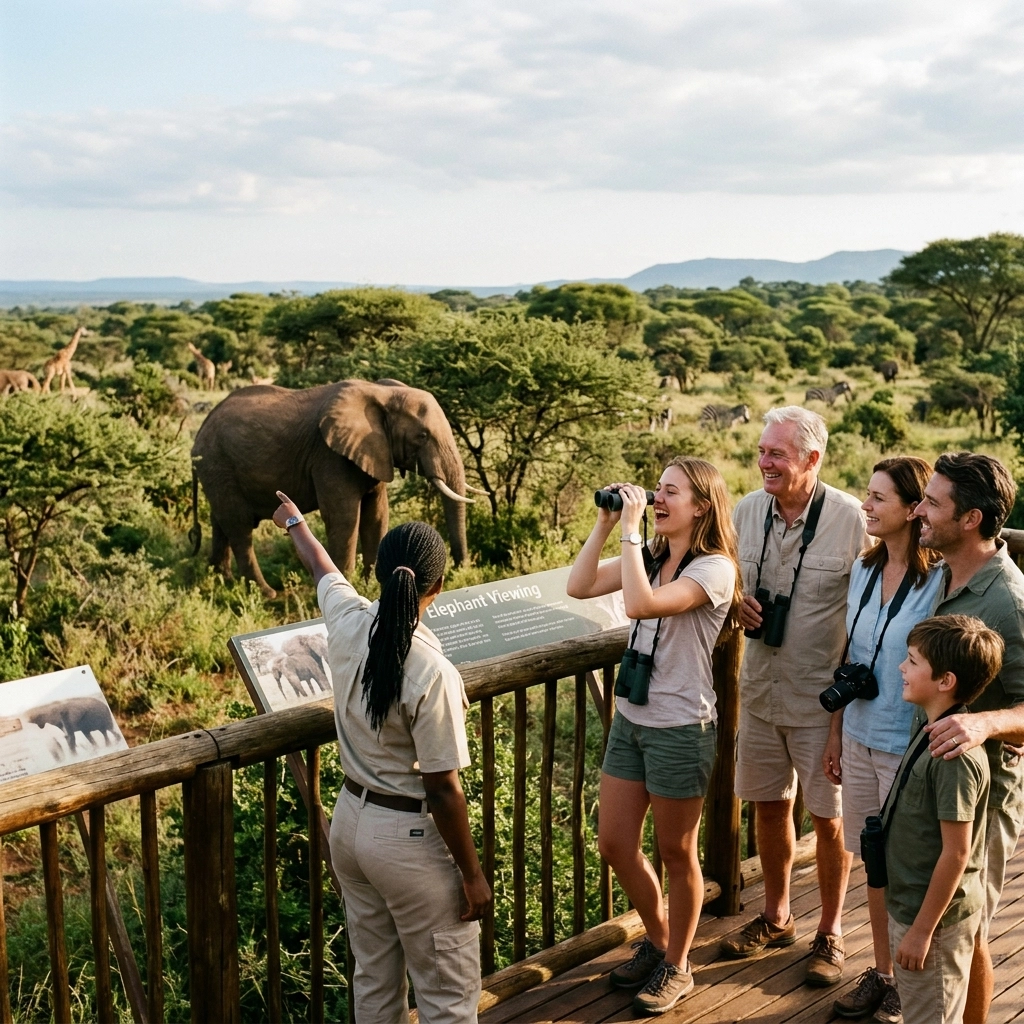
Pivot to "Respectful Viewing." Feature animals in their natural habitats. Show them exhibiting natural behaviors: foraging, playing, or resting. Marketing that respects the animal’s agency builds long-term trust and positions your brand as a leader in ethical care.

3. Missing the Story Behind the Species
A photo of a turtle is just a photo. A photo of a turtle that was rescued from a ghost net and is being released next week is a story. Many campaigns focus on the "what" but forget the "why."
The Fix:
Adopt a "Sponsored Species" spotlight. Use your marketing to tell the story of a specific animal or project. Explain the challenges they face in the wild. When visitors feel a personal connection to a story, they are more likely to engage and visit.
4. Visual Content is Dated or Generic
Stock photos of animals that aren't even at your facility are a red flag. Low-quality, pixelated, or poorly lit images make your organization look unprofessional. In a world of high-definition content, average isn't enough.
The Fix:
Invest in high-quality, original digital media. Use professional imagery that captures the soul of the animal. If you can’t shoot it yourself, use a specialized library like Zoo Imagery to find authentic, high-end visuals that align with your mission.
5. You’re Ignoring Urban Audiences
People living in cities often feel disconnected from nature. If your marketing assumes everyone already loves the outdoors, you’re missing a huge demographic. Urban audiences need a different "hook" to get them through the gates.
The Fix:
Position your facility as an "Urban Oasis." Market the mental health benefits of connecting with nature. Focus on the ease of access and the "escape" from the concrete jungle. Make wildlife feel accessible, not distant.

6. Too Much "Don't," Not Enough "Do"
Many wildlife areas are covered in regulatory signs. "Don't feed the birds." "Don't cross the line." "Stay back." While necessary for safety, this tone often carries over into marketing. It feels restrictive and cold.
The Fix:
Switch to positive social marketing. Instead of "Don't touch," try "Watch how they interact from a distance." Frame ethical behavior as an enhancement of the experience. Show visitors how being a respectful observer allows them to see more interesting, natural behaviors.
7. Over-Reliance on the "Captive" Narrative
The public perception of captivity is shifting. If your marketing only highlights animals in enclosures, you might be fighting an uphill battle. People want to feel like they are part of a natural encounter.
The Fix:
Focus on the habitat, not just the animal. Highlight your immersion exhibits. Talk about how you recreate natural ecosystems. When marketing, use wide-angle shots that show the animal within a lush, complex environment. This satisfies the visitor's desire for an "authentic" nature experience.
8. Neglecting Local Partnerships
No organization is an island. If you aren't partnering with local tour operators, hotels, and schools, your reach is limited. You’re missing out on the "word of mouth" that drives local tourism.
The Fix:
Create a marketing toolkit for your partners. Give them high-quality photos and ready-to-use captions. When you make it easy for others to talk about you, they will. Build a community around your conservation efforts.
9. The Education Gap
Research shows that over 80% of wildlife tourists don't recognize welfare or conservation concerns on their own. If your marketing is purely "fun," you’re failing to bridge this gap. Visitors want to leave feeling smarter.
The Fix:
Integrate "Bite-Sized Learning" into every post. Every caption should have one interesting fact or one conservation takeaway. Don't preach; just share. When you educate, you turn a casual visitor into a lifelong advocate.

10. Ignoring the Shift in Values
The modern visitor cares about impact. They look for organizations that align with their values. If your marketing doesn't mention your conservation work, sustainability practices, or community impact, you look like a relic of the past.
The Fix:
Lead with your mission. Make your conservation storytelling the "Hero" of your brand. Show the work you do in the field. Show the impact of every ticket sold. Transparency is your greatest marketing tool.
Moving Forward
Marketing wildlife is a balance. It requires professional visuals, ethical storytelling, and a clear understanding of what the modern visitor values. By moving away from old-school tactics and embracing a more transparent, mission-driven approach, you can turn passive scrollers into passionate visitors.
The goal isn't just to get people through the gates: it's to keep them connected to the mission long after they leave.
About Zoo Imagery
We provide professional-grade digital media solutions specifically for the wildlife industry. Our library is built for zoos, aquariums, and conservation groups looking to elevate their brand with authentic, high-impact imagery.

Need better visuals for your next campaign?
Explore our collection at zooimagery.com
Stay updated on wildlife trends.
Follow us on LinkedIn
Key Takeaways for Your Strategy
- Quality over Quantity: One stunning photo is better than ten average ones.
- Ethics as a USP: Use your high standards of care as a selling point.
- Narrative matters: Tell the story of the animal and the people who care for them.
- Focus on Impact: Show exactly where the money goes.
- Be Approachable: Use simple language. Avoid the jargon.
By implementing these fixes, you’ll find that your engagement doesn't just increase: it becomes more meaningful.
Links & Resources:


