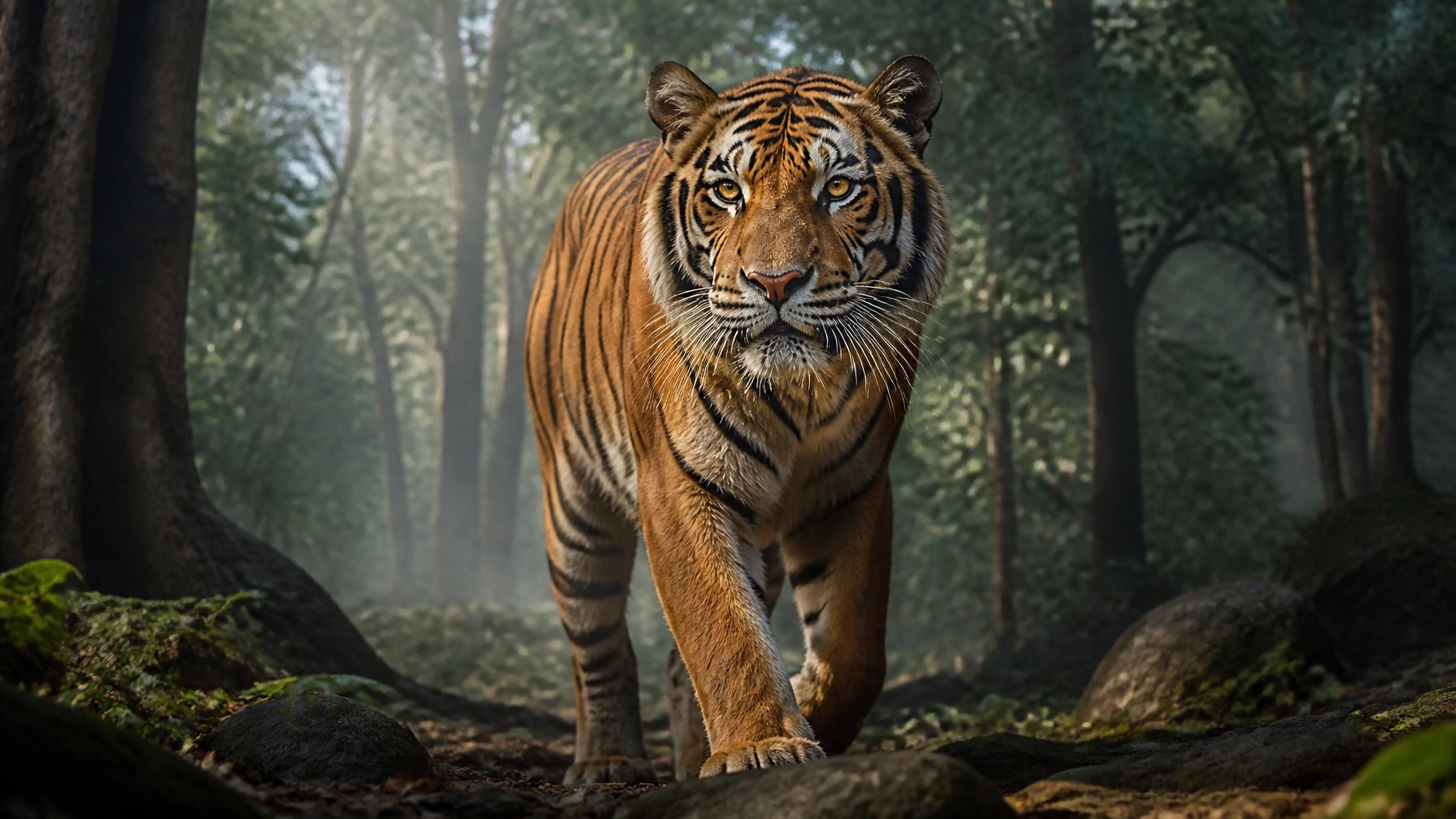
10 Reasons Your Tiger Stock Photo Isn’t Driving Engagement (And How to Fix It)
Stock photos of tigers are everywhere.
Most of them fail.
They look perfect. They look clean. They look boring.
Engagement is about connection.
Authenticity drives the click.
Here is why your current tiger imagery is sitting idle: and how to fix it.
1. The "Yearbook" Trap
Most stock photos are portraits.
Centered animal. Sharp focus. Blurred background.
It’s a yearbook photo.
It tells no story. It offers no context.
Viewers scroll past because they’ve seen it a thousand times.
The Fix:
Use environmental shots. Show the tiger in its world.
Grass. Water. Shadows.
Let the wild tigers breathe in their natural habitat.
2. Too Much Polish
Perfect lighting isn't always good lighting.
High-gloss, studio-style wildlife shots feel fake.
Audiences today crave the raw. The real. The unedited.
If it looks like a perfume ad, it won't drive conservation engagement.
The Fix:
Choose images with natural, "imperfect" lighting.
Dappled sun. Morning mist.
Authenticity out-performs perfection.

3. Direct Eye Contact Fatigue
The "staring contest" photo is a cliché.
A tiger looking directly into the lens is a creative shortcut.
It feels staged.
It breaks the fourth wall in a way that feels intrusive, not intimate.
The Fix:
Look for "candid" wildlife moments.
A tiger looking at prey. A tiger looking at its young.
The viewer becomes an observer, not a target.
4. Lack of Behavioral Narrative
A tiger sitting on a rock is a statue.
A tiger hunting, playing, or grooming is a story.
Engagement thrives on action.
People want to see what animals do, not just what they look like.
The Fix:
Prioritize behavioral photography.
Movement. Interaction. Effort.
Capture the "why" behind the animal's presence.
5. No Sense of Scale
Close-ups are powerful, but they are also isolating.
Without scale, the tiger is just a big cat in a box.
Engagement drops when the viewer can't "transport" themselves into the scene.
The Fix:
Wide-angle wildlife photography.
Show the vastness of the forest.
Show the tiger as part of an ecosystem, not a solo act.
6. Ethical Red Flags
Modern audiences are savvy.
They can spot a captive tiger from a mile away.
Photos of tigers as "props": petting, posing, or in unnatural enclosures: are a liability.
This triggers distrust in your brand.
The Fix:
Only use ethically sourced imagery.
Documentary-style shots.
Focus on conservation storytelling that respects the animal's dignity.

7. Static Composition
The rule of thirds exists for a reason.
Centering every subject is visual white noise.
It’s predictable. It’s flat.
The Fix:
Use dynamic angles.
Leading lines. Negative space.
Make the viewer’s eye work to find the subject. It keeps them on the post longer.
8. Mismatched Lighting
Midday sun is the enemy of engagement.
It flattens textures. It washes out colors.
It makes a powerful predator look like a house cat.
The Fix:
Golden hour. Blue hour.
Moody, directional light creates depth and drama.
It evokes emotion before the reader even reads the caption.
9. Missing the "People" Connection
We aren't just talking about the animals.
We are talking about the people who save them.
Photos that lack a human element: or a sense of the work being done: feel disconnected from ESG goals.
The Fix:
Integrate photos of the mission.
Conservationists in the field.
Tech-driven tracking.
Show the effort behind the imagery.

10. No Clear Purpose
A photo without a "Presented by" context is just a picture.
On social media, every image needs a job.
Is it educating? Is it advocating? Is it sponsoring?
The Fix:
Use Sponsored Species Spotlights.
Align the image with a brand or a cause.
Give the viewer a reason to care beyond the aesthetic.
The Zoo Imagery Solution
Generic stock libraries are failing you.
At Zoo Imagery, we provide more than just files.
We provide engagement tools.
"Presented by" Animal Pages
Custom landing pages for specific species.
Sponsored by your partners.
Clean. Minimal. Direct.
They turn a simple tiger photo into a high-ROI marketing asset.
The ZooMedia App
Stop guessing what your guests like.
Our app lets zoo visitors share their own photos in real-time.
User-generated content (UGC) is the ultimate engagement driver.
Learn more about our engagement tools.
Rare Imagery. Real Results.
Don't settle for "yearbook" shots.
Invest in animal photography that tells a story.
Save time. Save money. Save the species.
Ready to upgrade your visual strategy?
Explore our Wild Tiger Collection
Follow us on LinkedIn


