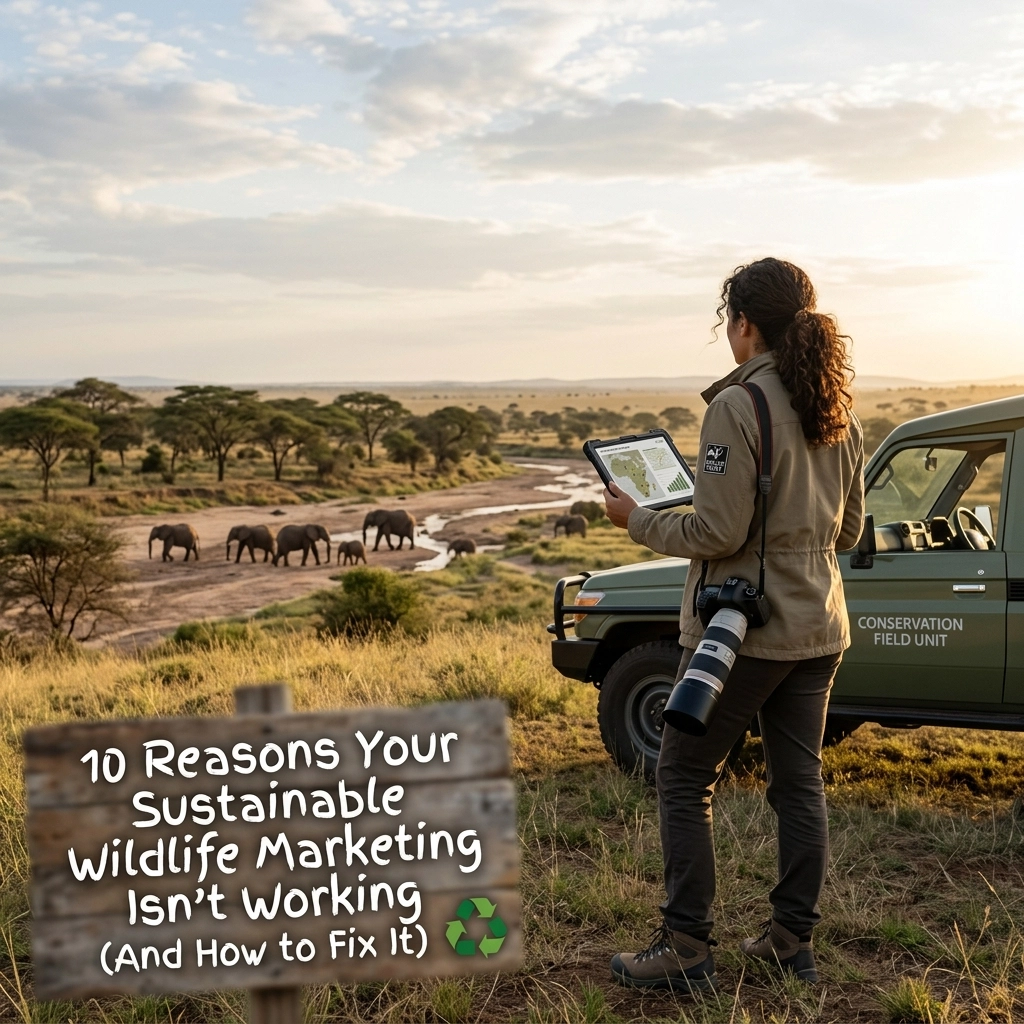
10 Reasons Your Sustainable Wildlife Marketing Isn’t Working (And How to Fix It)
Conservation isn't just a mission. It is a brand. For zoos and aquariums, the message is often the same: we protect animals. But the results vary. Many campaigns stall. Engagement drops. Donors look elsewhere.
Marketing sustainability is complex. It requires more than a green logo. It requires proof. It requires a connection.
Here are ten reasons your strategy might be failing. And how to fix it.
1. Vague Claims and Labels
Many organizations use words like "sustainable" or "eco-friendly" without context. Research shows over 50% of environmental claims are vague or unfounded.
The Problem:
Vagueness creates distrust. If you say you are "helping the planet," the audience asks "how?" When there is no answer, they disengage.
The Fix:
Be specific. Instead of "supporting wildlife," say "funding 500 hours of tiger habitat patrol." Use data. Replace buzzwords with nouns.
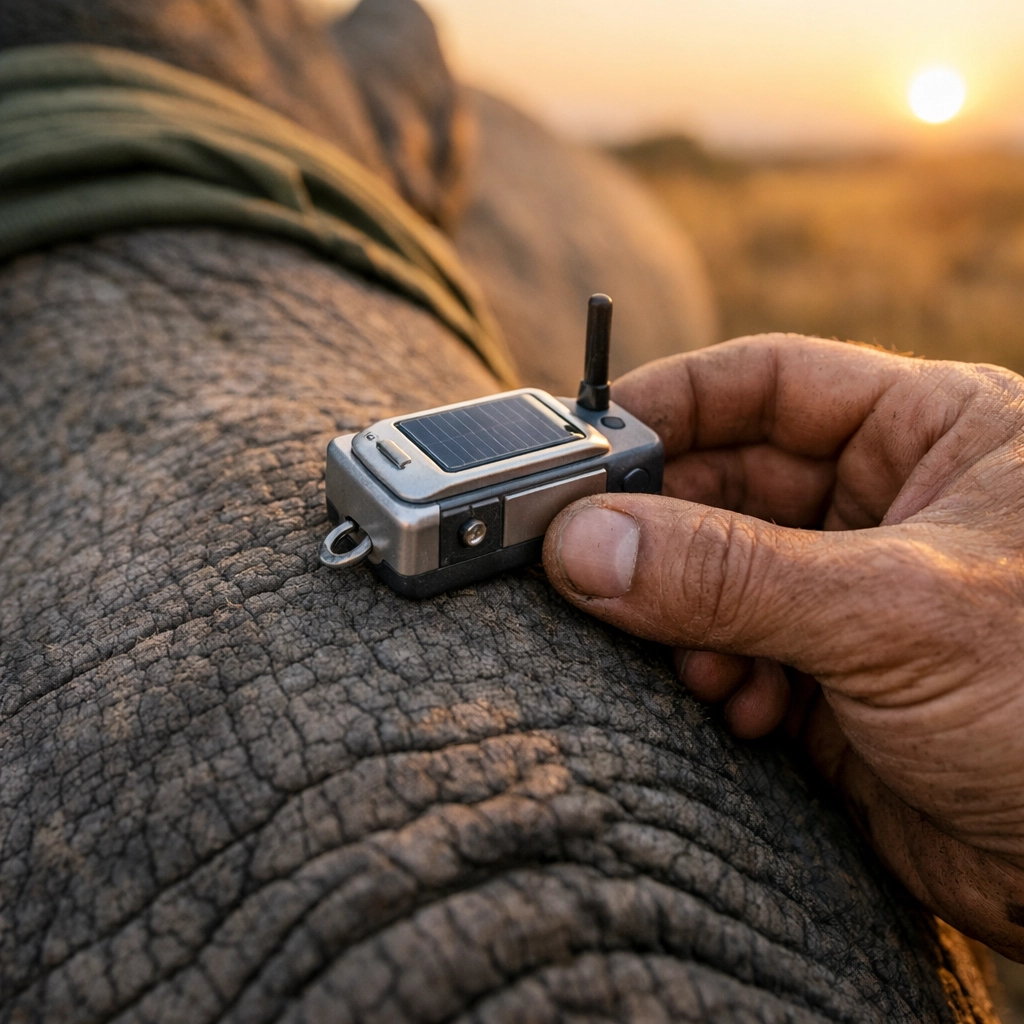
2. The "Greenwashing" Perception
Even genuine conservation work can look like greenwashing. This happens when the marketing budget exceeds the conservation budget.
The Problem:
Focusing on appearance over action. Highlighting a small recycling program while ignoring larger operational footprints.
The Fix:
Radical transparency. Share the struggle. Talk about the projects that failed. Show the work in progress. Audiences trust honesty over perfection.
3. Using Generic, Low-Quality Visuals
Stock photos of generic animals do not build local trust. If you are talking about your specific lions, don't show a lion from a different continent or a sterile studio.
The Problem:
Disconnect between the message and the image. If the photo looks fake, the mission feels fake.
The Fix:
Use authentic, high-quality media. Show the specific animals your facility cares for. High-resolution imagery tells a better story than a thousand words.

4. Ignoring the ESG Framework
Environmental, Social, and Governance (ESG) is the new standard. Many marketing teams focus only on the "E."
The Problem:
Ignoring the social and governance aspects. Who is doing the work? How are funds managed? Is the local community involved?
The Fix:
Align your campaigns with full ESG goals. Tell stories about your staff. Highlight your ethical sourcing policies. Show that conservation is a total business commitment.
5. The "Cuteness" Trap
Relying solely on baby animals is a short-term win. It drives clicks but doesn't build long-term conservation advocates.
The Problem:
The audience loves the "cute" factor but misses the "crisis" factor. When the animal grows up, the interest fades.
The Fix:
Balance. Use the pandas to get attention, then pivot to the ecosystem. Talk about the dirt, the bugs, and the hard work of habitat restoration.
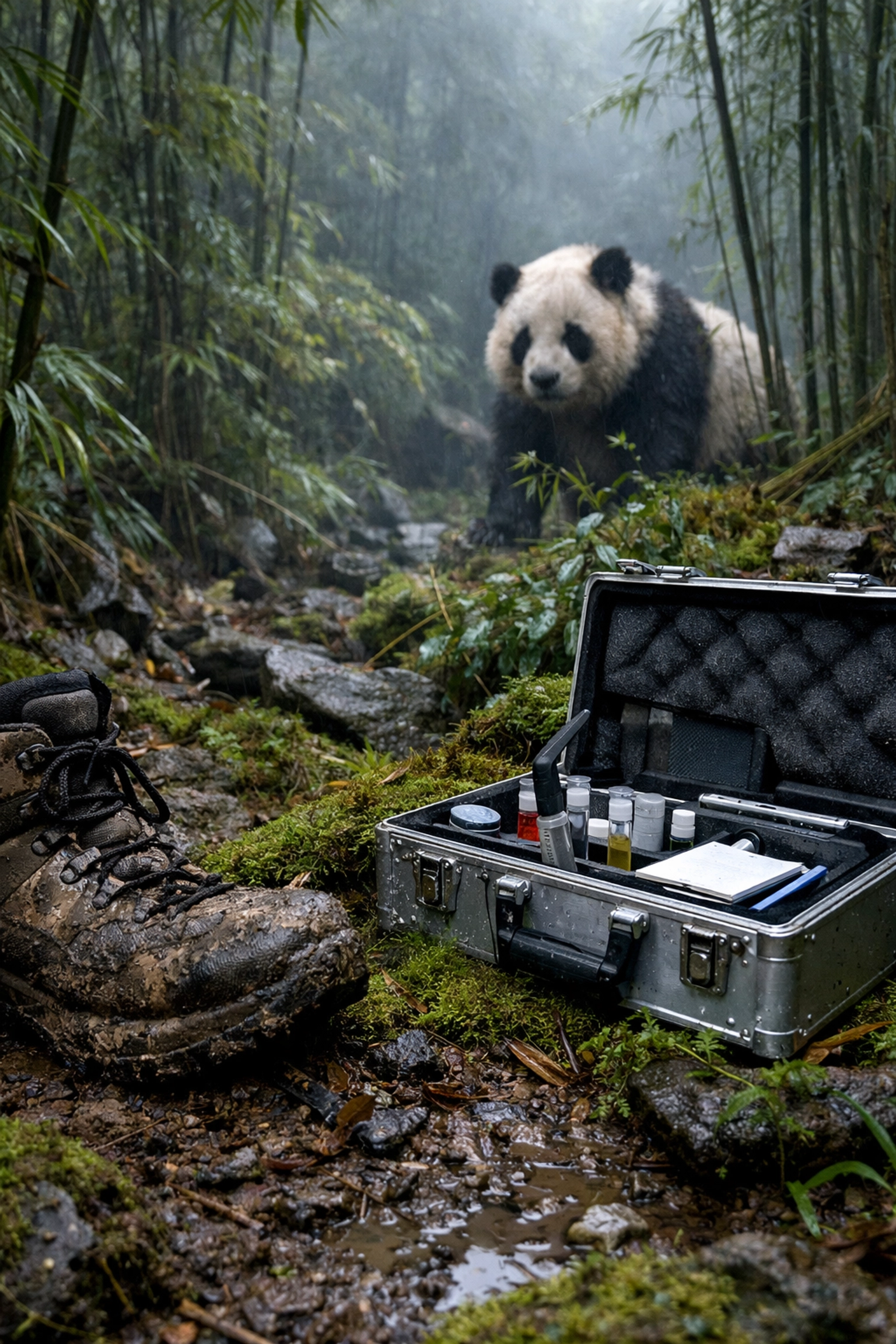
6. Marketing Expertise Gaps
Conservationists aren't always marketers. Marketers aren't always conservationists. 40% of marketers lack formal sustainability qualifications.
The Problem:
Communication errors. Technical jargon that bores the public or simplified claims that irritate scientists.
The Fix:
Build cross-departmental teams. Put a biologist and a social media manager in the same room. Ensure every claim is scientifically accurate but humanly relatable.
7. Inconsistent Metrics
Measuring "likes" is not the same as measuring impact.
The Problem:
Reporting on social media engagement instead of conservation outcomes. Donors want to see the needle move on species survival.
The Fix:
Define clear KPIs. Track how marketing efforts lead to specific project funding. Use your about us page to link directly to impact reports.
8. Fear of Criticism
Many zoos play it safe. They avoid controversial topics like wildlife trade or habitat loss to prevent negative comments.
The Problem:
Safe marketing is boring marketing. If you don't stand for something, you blend in.
The Fix:
Take a stand. Address the difficult issues head-on. Use your platform to educate. It builds a more loyal, informed community.
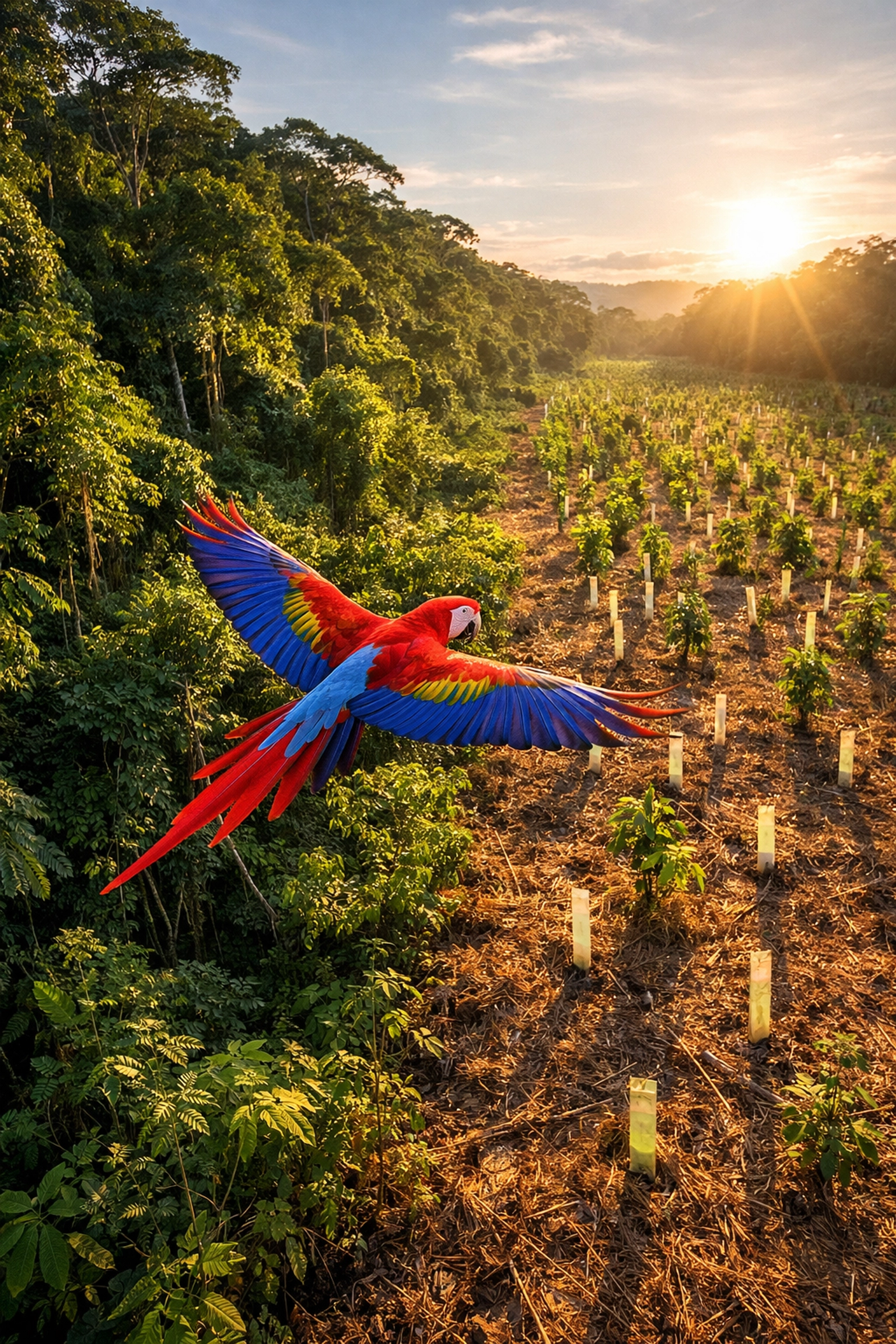
9. Static Storytelling
A one-off post about elephants isn't a campaign.
The Problem:
The "post and forget" mentality. Sustainability is a journey, not a destination.
The Fix:
Serialized content. Follow one animal or one project over six months. Show the growth of giraffes or the recovery of a habitat. Make the audience part of the timeline.
10. Forgetting the Human Connection
Conservation is about people as much as animals.
The Problem:
Focusing purely on the wildlife and forgetting the humans who make it happen.
The Fix:
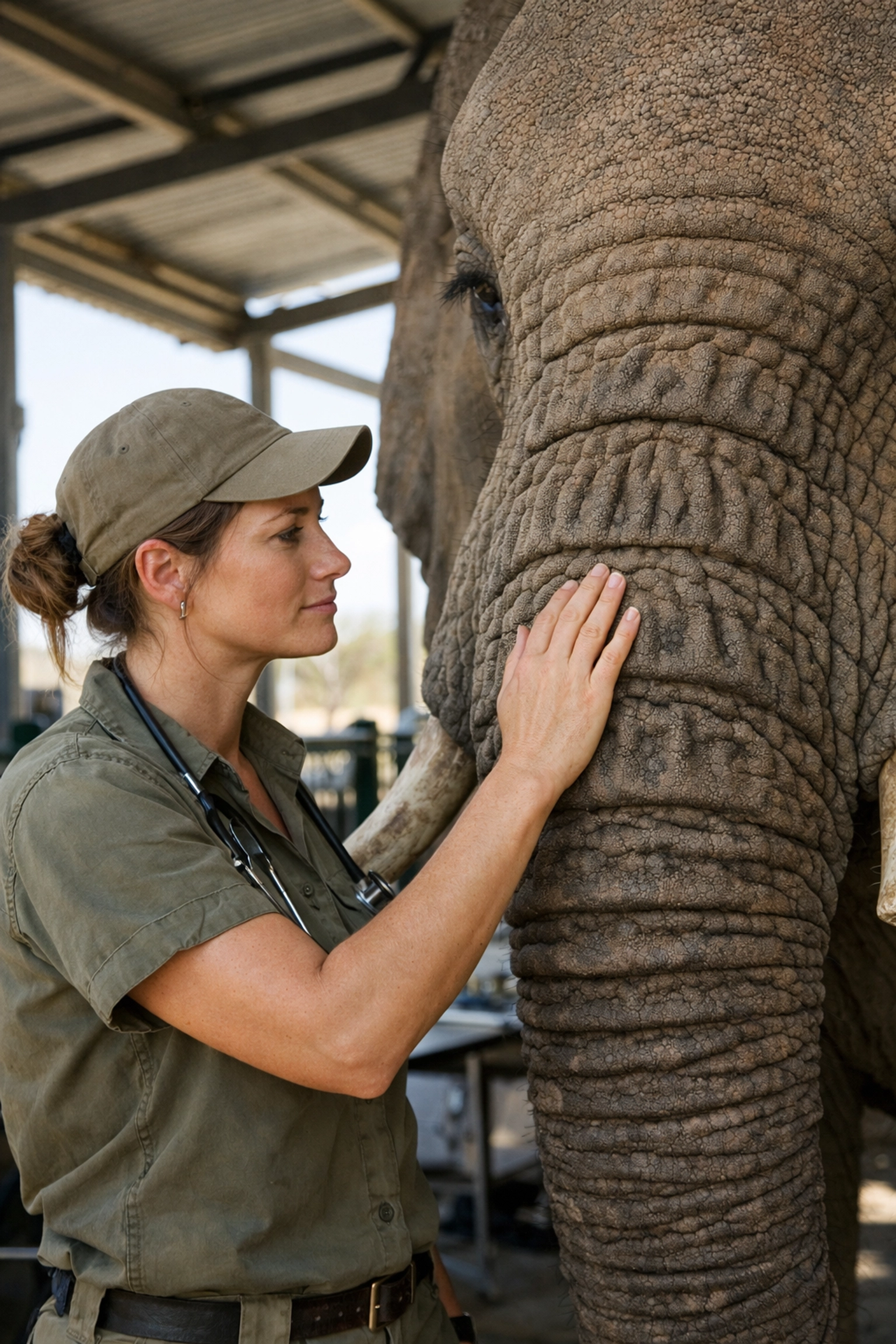
Feature your keepers, researchers, and local partners. Humanize the mission. People donate to people.
Moving Forward
Marketing for a zoo or aquarium is a responsibility. You are the bridge between the public and the natural world.
Stop using buzzwords. Start using better stories.
Fixing your marketing starts with the visuals you choose. Authentic, professional imagery changes how people see your mission.
At Zoo Imagery, we provide the digital assets needed to tell these stories properly. From wild tigers to the smallest details of your facility, we help you align your brand with your values.
Check the facts:
- 53% of claims are vague.
- 40% of marketers need more training.
- 100% of your audience wants the truth.
Make your next campaign count. Focus on the work. Show the results. Keep it simple.
Dan Kost
CEO, Zoo Imagery
Explore our library: zooimagery.com
Follow our updates: LinkedIn Profile


