10 Reasons Your Lion Stock Photo Isn’t Driving Donations (And How to Fix It)
Stock photos of lions are everywhere.
Most fail.
They look good on a website. They fill a space. But they don’t move the needle for donations. If your conservation campaign is stalled, the image is likely the culprit.
Donors don't just want to see a lion. They want to see a reason to act.
Here is why your lion imagery is underperforming and how to change it.
1. It shows beauty but no burden
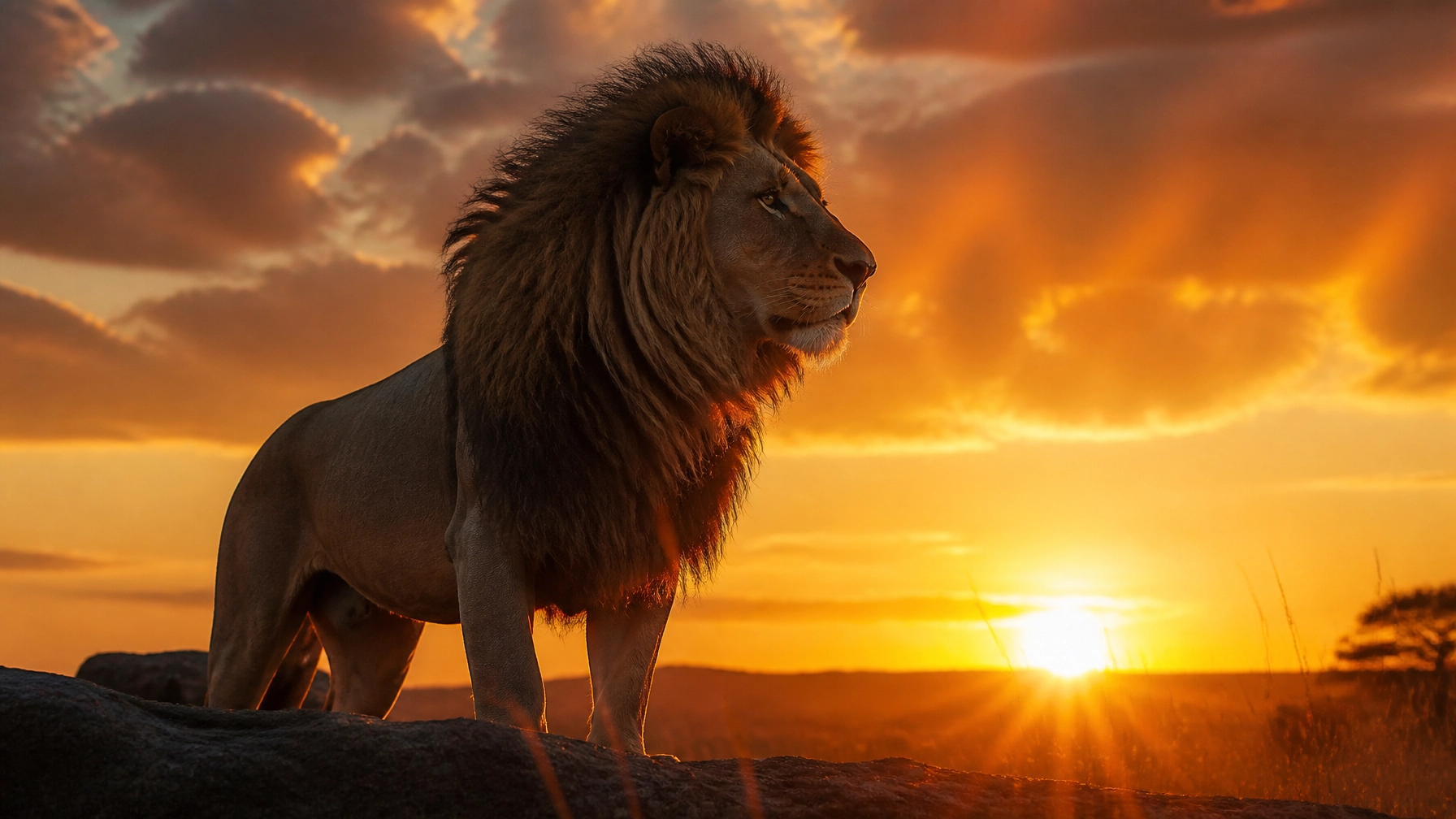
Generic stock photos prioritize aesthetics. A majestic lion sitting in golden grass is beautiful. It also looks fine. If the lion looks fine, the donor assumes the species is fine.
The Fix:
Show the challenge. Pair the image with a specific problem.
- Mention habitat loss.
- Mention human-wildlife conflict.
- Don’t just show a lion; show a lion in a landscape that needs protection.
2. The "Hero Shot" fatigue
The roaring male. The side profile. The "King of the Jungle" pose. These are clichés. Donors have seen them for decades. They’ve become visual white noise.
The Fix:
Vary the viewpoint.
- Show a pride interacting.
- Show a lioness hunting.
- Use a candid, documentary-style shot.
- Choose authenticity over drama.

3. Lack of eye contact
Human connection starts with the eyes. Many stock photos show lions looking off-camera. This creates a distance between the viewer and the subject. It feels like observing a museum exhibit.
The Fix:
Select imagery where the lion looks directly at the lens.
- Create a "soul-piercing" moment.
- Force the donor to acknowledge the individual.
- Make the connection personal.
4. No sense of scale or urgency
A tight crop on a lion's face is powerful. It doesn't tell a story of extinction. It doesn't show how much land has been lost. It doesn't show why $50 matters today.
The Fix:
Use wide-angle shots occasionally.
- Show the lion against a vast, disappearing habitat.
- Include stats in the caption: "Fewer than 20,000 remain."
- Highlight the 90% range loss.

5. It feels anonymous
Donors don't fund "species." They fund "lives." A generic lion photo feels like a placeholder. It could be any lion, anywhere.
The Fix:
Give the lion a context.
- Use "Presented by" animal pages.
- Give the pride or individual a name.
- Link the photo to a specific geography or project.
- Make it a "Sponsored Species Spotlight."
6. The "Tragedy Only" trap
Shocking or sad images can work once. Over time, they lead to donor burnout. If every photo is a tragedy, people look away. They feel helpless.
The Fix:
Balance with "Hopeful Urgency."
- Show healthy cubs.
- Show the future you are trying to protect.
- Show the result of a donation, not just the need for one.

7. Disconnect from the donor’s dollar
If a donor sees a lion but your copy talks about rangers, there is a mental gap. They don't see how the lion in the photo gets helped by the person in the copy.
The Fix:
Show the work.
- Include imagery of rangers or community members.
- Show the tools of conservation: camera traps, fences, or tracking collars.
- Create a visual bridge between the donor's gift and the animal’s safety.
8. Missing the human element
Conservation is about coexistence. A lone lion in the wild is a fantasy in many regions. Most lions live near humans. Ignoring this makes the photo feel "fake" to modern donors.
The Fix:
Show coexistence.
- Images of predator-proof fences.
- Community leaders involved in protection.
- Authentic scenes of humans and lions sharing a landscape safely.

9. Poor digital optimization
A great photo is useless if it’s buried. Large file sizes slow down mobile pages. Poor crops cut off the lion’s face on social media.
The Fix:
Technical precision.
- Use portrait formats for Instagram/TikTok.
- Use landscape hero images for websites.
- Compress images for speed without losing clarity.
- Zoo Imagery provides both formats for this reason.
10. No clear path to action
The image is the hook. The CTA is the catch. Many campaigns have a great photo but a hidden "Donate" button. Or the button says "Learn More" instead of "Help Save Him."
The Fix:
Direct pathways.
- Place the donation button near the lion's gaze.
- Keep microcopy brief.
- Ensure the image and the button tell the same story.
Leveraging Zoo Imagery for Conservation
Your imagery should work as hard as your team does.
Generic stock is a liability. It wastes the donor's attention. At Zoo Imagery, we focus on high-resolution, authentic photography that bridges the gap between beauty and impact.
Species Spotlights and "Presented by" Pages
We help zoos and aquariums turn standard pages into engagement engines.
- Sponsored Species Spotlights: Highlight a specific pride or habitat.
- Presented by Pages: Create a branded experience for corporate sponsors or major donors.
- User-Generated Content: Use the ZooMedia.us app to let guests share their own photos, driving organic reach.
Don’t settle for "pretty" photos.
Choose imagery that drives results.
Next Steps
- Audit your current lion imagery. Is it a "Hero Shot" or a story?
- Refresh your "Species" pages with high-impact, direct-gaze photography.
- Connect with us on LinkedIn for more conservation marketing strategies.
Every pixel counts. Make them matter.


