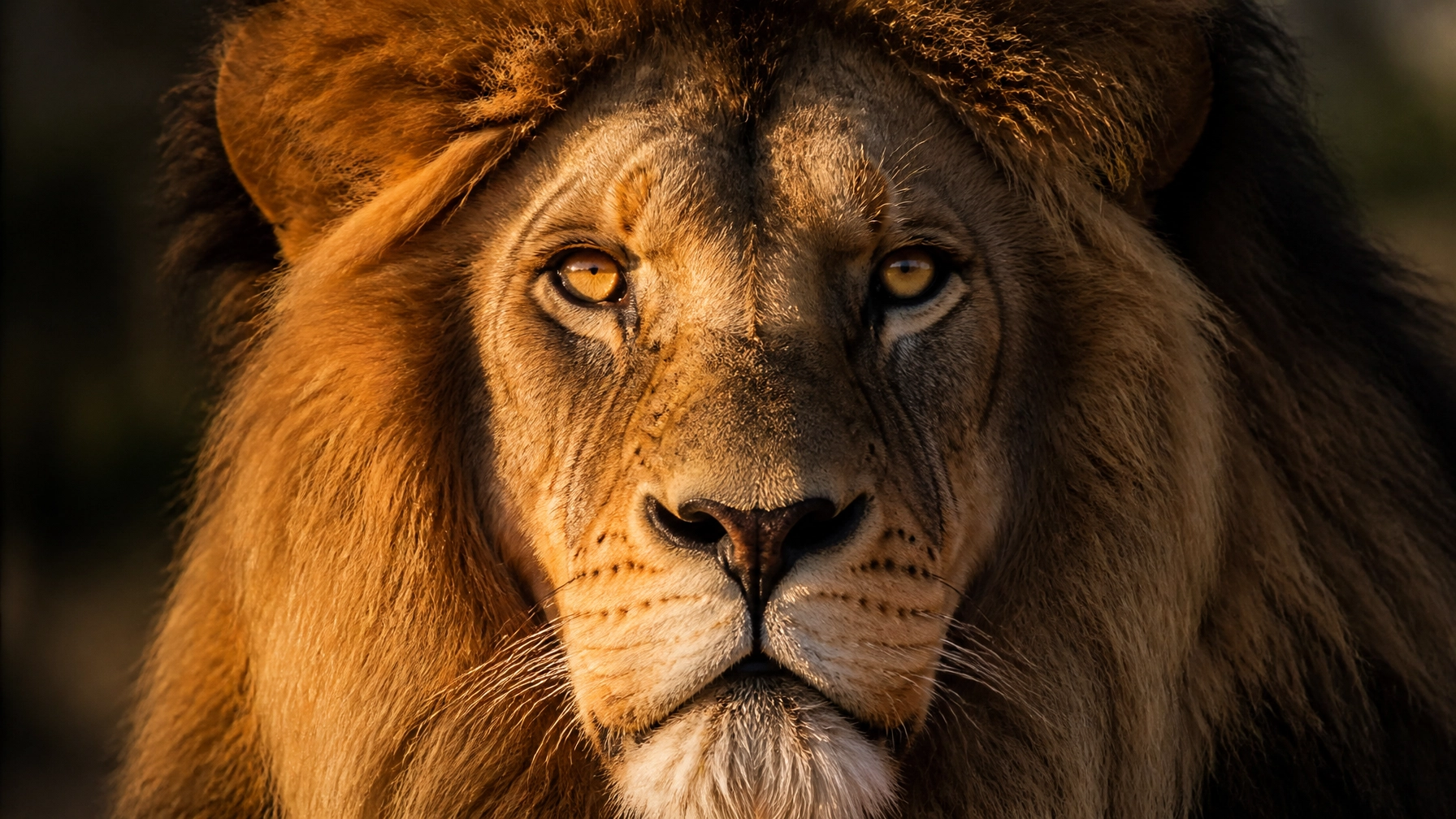
10 Reasons Your Lion Stock Photo Isn’t Driving Donations (And How to Fix It)
Stock photos of lions are everywhere.
Most fail.
They don't drive donations. They don't inspire action.
The reason is simple: donors don't connect with perfection. They connect with stories.
If your conservation campaign is stalling, the image is likely the culprit.
Here are 10 reasons your lion imagery isn't working: and how to fix it.
1. It Looks Too "Perfect"
Generic stock photos are often too polished.
Studio-style lighting. Unrealistically clean coats. No dust. No flies.
The Problem
Donors sense a disconnect. If the animal looks like a model, the "threat" feels distant.
The Fix
Choose "honest" photography. Look for images that capture the raw reality of the wild.
- Authentic textures.
- Natural imperfections.
- Real-world lighting.
At Zoo Imagery, we focus on documentary-style clarity. Authenticity over aesthetics.
2. The "Roar" Myth
Many stock libraries rely on the roaring lion.
The Problem
A roar is often a sign of stress or a yawning mouth timed for a camera. It can feel staged. It suggests a "beast" rather than a sentient being in need of protection.
The Fix
Select moments of quiet dignity. A lion in reflection. A lion looking at the horizon.
- Capturing purpose.
- Steady gaze.
- Calm intensity.

3. Missing Eye Contact
Eye contact creates a biological response.
The Problem
Photos of lions looking away or sleeping (while common) lack engagement. The donor is a bystander, not a participant.
The Fix
Use portraits where the lion looks directly into the lens.
- 85mm to 200mm focal lengths.
- Eye-level angles.
- Sharp focus on the pupils.
This creates an immediate "human-animal" connection.
4. Erasure of Scars (Authenticity)
Lions in the wild are survivors. They have battle scars. Torn ears. Scratched noses.
The Problem
Stock photos often "clean up" these features. This erases the individual's history.
The Fix
Celebrate the scars. They tell a story of resilience and survival.
- Detailed close-ups.
- Macro textures.
- Honest reporting.

5. Over-Processed Colors
Saturated oranges. Neon greens. Heavy HDR.
The Problem
Over-editing signals "fake news." In an era of AI and filters, donors crave truth.
The Fix
Stick to natural color palettes.
- Golden hour warmth (natural).
- Subdued mid-day tones.
- True-to-life greens and browns.
High-resolution photography doesn't need a filter. It needs a good sensor and a patient photographer.
6. Static Composition
A lion sitting on a rock is a cliché.
The Problem
It feels like a statue. It doesn't suggest a life being lived or a habitat being lost.
The Fix
Show movement. Action. Interaction.
- Walking through tall grass.
- Interacting with pride members.
- Scanning the environment.
Movement implies a future. A reason to save the path they are walking.
7. De-contextualized Settings
A lion on a white background or a generic blur says nothing about conservation.
The Problem
Donors donate to places as much as species. If they don't see the habitat, they don't see the threat (encroachment, drought, habitat loss).
The Fix
Include the landscape. Use wider shots that show the environment.
- Dry riverbeds.
- Encroaching savanna.
- Vast indigo horizons.

8. The "Lone King" Fallacy
Lions are social. They are the only social cat.
The Problem
Constant imagery of the "Lone King" ignores the pride. Conservation is about the survival of the group.
The Fix
Show the family unit.
- Cubs playing.
- Lionesses hunting together.
- Social grooming.
Donors relate to family. It increases the emotional stakes of the donation.
9. Lack of User-Generated Trust
Professional stock is one part of the puzzle.
The Problem
If all your images are high-end professional shots, you might look like a massive corporation rather than a grassroots conservation effort.
The Fix
Bridge the gap with User-Generated Content (UGC).
Our ZooMedia.us app helps zoos and aquariums turn guest photos into marketing assets.
- Real people.
- Real moments.
- Real-time engagement.
Authentic photos taken by visitors drive higher trust levels than "perfect" stock.

10. The Ethical Disconnect
Is the lion wild? Captive? Staged?
The Problem
Using "petting zoo" lions or staged photos for wild conservation campaigns is unethical. If discovered, it destroys donor trust instantly.
The Fix
Transparent sourcing.
- Only use ethically sourced imagery.
- Know the story behind the shot.
- Disclose context.
Summary Checklist for Better Imagery
- Authenticity: Scars and dust included.
- Connection: Direct eye contact.
- Story: Action and movement over static poses.
- Context: The habitat is the secondary character.
- Quality: High resolution. No over-processing.
How Zoo Imagery Helps
We provide stunning animal photography.
Categories range from lions to polar bears.
Landscape and portrait formats.
Helping you save time.
Helping you save money.
Our ZooMedia.us app provides:
- Real-time engagement results.
- ROI tracking.
- Picture marketing solutions for zoos and aquariums.
Join the Conservation Story
Stop using generic images.
Start driving donations with photography that matters.
Visit zooimagery.com to explore our library.
Follow us on LinkedIn for daily species spotlights and marketing tips.


