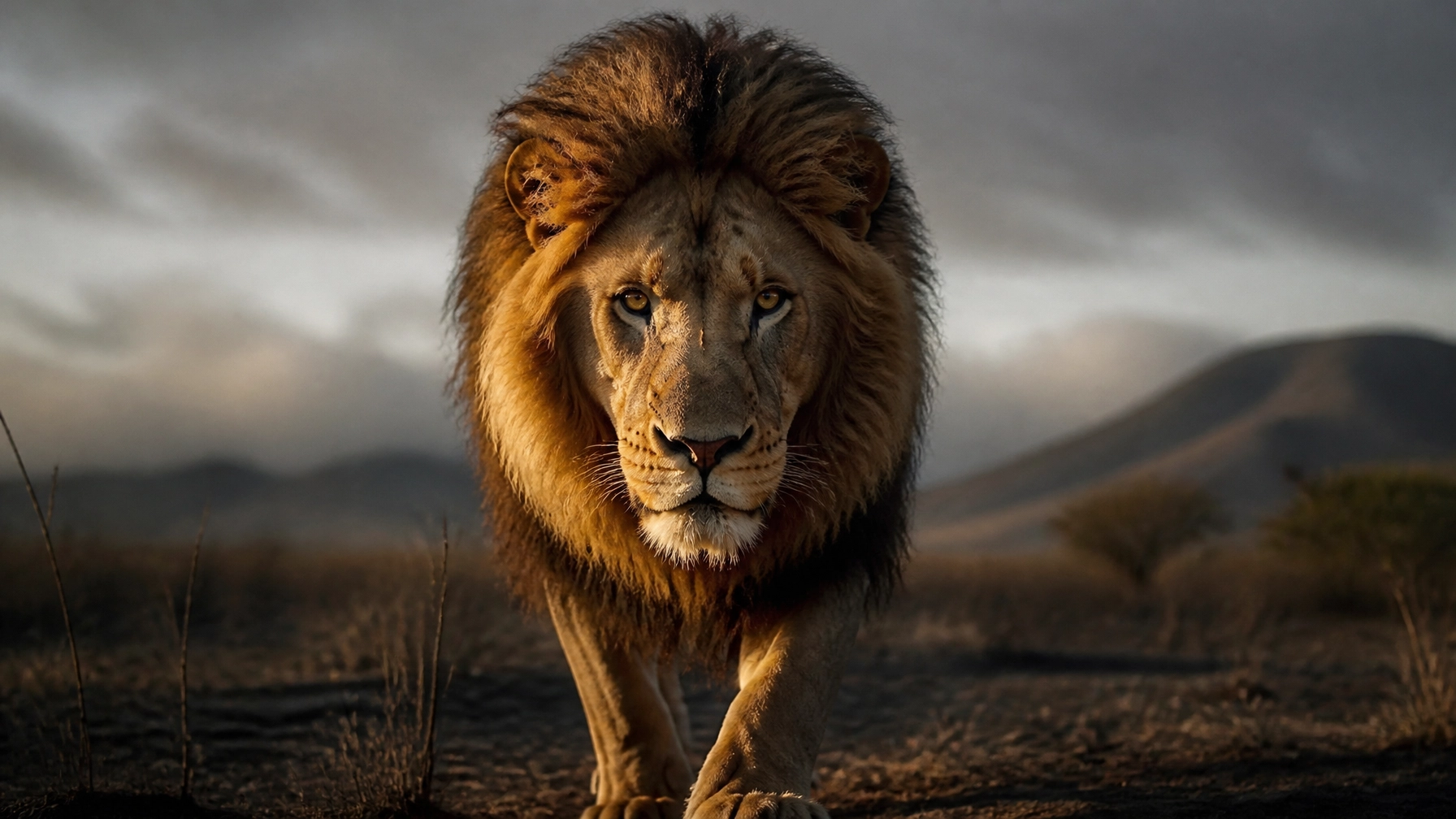
10 Reasons Your Lion Stock Photo Isn’t Driving Donations (And How to Fix It)
Visuals matter.
In conservation, they are everything.
A single image can fund a sanctuary or leave a budget empty.
Most zoos and NGOs use lion stock photos.
Most of those photos fail.
Donors are smarter now.
They recognize "generic."
They ignore "perfect."
They want the truth.
Here is why your current lion imagery is failing: and how to change the result.
1. The "Stock" Stigma
People know a stock photo when they see one.
The lighting is too perfect.
The lion looks like a model.
It lacks the grit of reality.
The Fix:
Use imagery from specific collections.
Seek photos with natural imperfections.
Authenticity drives trust.
Trust drives donations.
2. Absence of Eye Contact
Eyes are the window to the soul.
In fundraising, they are the hook.
Many stock photos show lions looking away.
The "predatory glamour" shot is passive.
The Fix:
Prioritize direct eye contact.
A lion looking at the viewer creates an immediate emotional bridge.
It demands attention.
It forces a choice.
3. Zero Narrative
A photo of a "lion" is just a photo.
A photo of "Kito" is a story.
Generic stock photos have no name.
They have no history.
They have no future.
The Fix:
Link every image to a specific individual.
Tell the story of that lion.
Use photos that capture unique traits.
Scars. Mane shape. Expression.
Names convert.

4. Poor Lighting and Mood
Harsh sunlight makes wildlife look flat.
It removes the mystery.
It feels clinical.
The Fix:
Use "Golden Hour" or "Moody Morning" shots.
Depth creates emotion.
Shadows suggest a world worth saving.
Photography should feel cinematic, not administrative.
5. Lack of Authenticity (The "Posed" Problem)
Stock photos often feel staged.
Even if they aren't.
They lack the raw, documentary feel of real conservation work.
The Fix:
Choose "action" over "portrait."
A lion interacting with enrichment.
A lion resting in a realistic habitat.
Documentary-style shots feel more urgent.
6. No Context of Conservation
Donors want to see where their money goes.
A lone lion on a white background says nothing.
It doesn't show the zoo.
It doesn't show the keepers.
The Fix:
Show the work.
Include images of veterinary care.
Show the habitat maintenance.
Connect the animal to the institution.
Explore Zoo Imagery’s lion collection.
7. Frequency Bias
You aren't the only one using that photo.
If a donor sees the same lion on a travel blog and your appeal, you lose.
The message is diluted.
The cause feels common.
The Fix:
Invest in rare imagery.
Use a dedicated library that isn't over-saturated.
Freshness equals importance.

8. Over-Editing
Saturated colors look fake.
Clarity sliders that are too high make fur look like plastic.
Over-editing screams "marketing."
The Fix:
Keep it natural.
True-to-life colors.
Soft focus.
Let the animal speak for itself.
9. Missing the Human Element
Conservation is a human effort.
Many campaigns only show the animal.
This creates a gap between the donor and the action.
The Fix:
Show the staff.
The keepers.
The researchers.
The guests.
Highlight the connection between humans and lions.
10. Not Leveraging User-Generated Content (UGC)
Stock photos are a monologue.
UGC is a conversation.
Traditional stock photography is top-down.
Modern engagement is bottom-up.
The Fix:
Use the ZooMedia.us phone app.
Let your guests share their photos.
Authentic, real-time engagement.
User-generated content is the highest form of social proof.

The Strategic Shift: High-Quality Animal Photography
Marketing for zoos and aquariums requires a balance.
Beauty and truth.
Science and emotion.
Why quality matters:
- Clarity: Sharp images command respect.
- Impact: High resolution allows for large-scale storytelling.
- Savings: Real stock photography saves time and money.
At Zoo Imagery, we provide stunning animal photography.
Polar bears. Wild tigers. Giraffes. Lions.
View our full library.
Marketing Insights for Zoos
- ESG Alignment: Use images that reflect environmental, social, and governance standards.
- Transparency: Be honest about the source of your imagery.
- Engagement: Track ROI through tools like ZooMedia.us.
Wildlife Trends to Watch
- The Rise of "The Individual": Moving from species awareness to individual animal stories.
- Mobile First: Content must look good on a smartphone.
- Authenticity over Perfection: Real moments are outperforming high-fashion wildlife shots.
The Final Word
Your imagery is your first handshake with a donor.
Don't let it be a cold one.
Replace generic stock with purposeful, emotional photography.
Ready to upgrade your campaign?
Visit Zoo Imagery or follow us on LinkedIn for more marketing insights.


