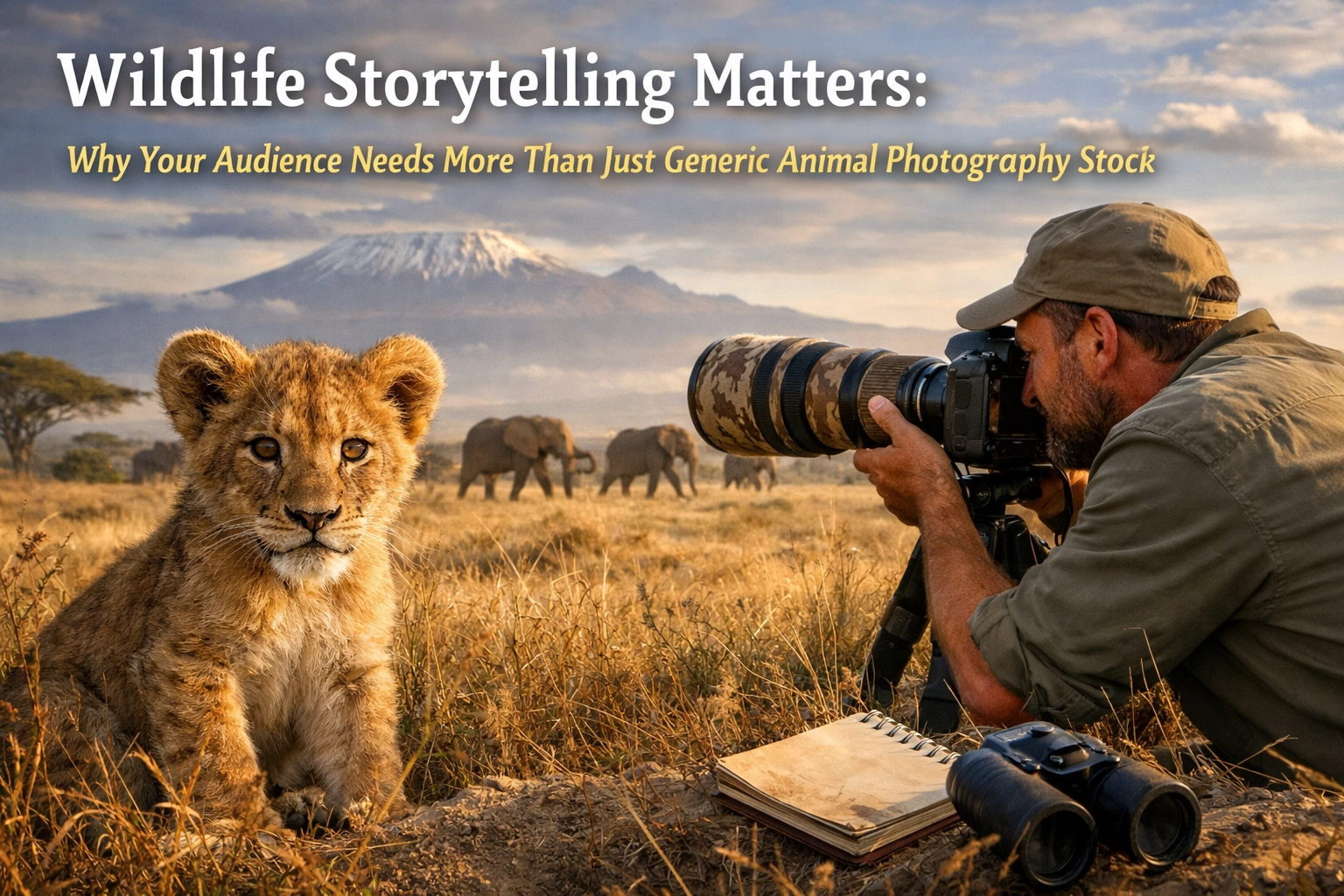
Wildlife Storytelling Matters: Why Your Audience Needs More Than Just Generic Animal Photography Stock
A photograph is a record. A story is an experience.
In the world of digital media, generic animal photography is everywhere. It fills screens. It populates brochures. But it often fails to move the needle. For zoos, aquariums, and conservation-focused brands, "good enough" isn't the goal. The goal is connection.
At Zoo Imagery, we believe the difference between a glance and an action is narrative. People don't support "species." They support stories. They support the individual animal they feel they know.
The Problem with Generic Stock
Generic stock photography serves a basic function. It shows what an animal looks like.
- Static poses.
- Clean backgrounds.
- Neutral lighting.
- Zero context.
These images are placeholders. They fill space but lack soul. When an audience sees a generic photo of a lion, they see a lion. They don't see the struggle for territory. They don't see the complexity of the pride. They don't see the urgent need for habitat preservation.
Visual Noise
The internet is saturated. Users scroll past thousands of images daily. Generic photography becomes visual noise. It is filtered out by the brain before it can make an impact.
To break through, you need more than a high-resolution file. You need a reason for the viewer to stop.

The Power of Narrative
Storytelling in wildlife photography creates an emotional bridge. It transforms a viewer into an advocate.
Emotional Impact
A well-crafted image tells a story about behavior, habitat, and survival. It evokes awe. It creates empathy. When a mother leopard carries her cub, the story isn't just "leopard." The story is "motherhood," "vulnerability," and "the future."
Audience investment follows emotion. When people feel connected, they care. When they care, they act.
Educational Value
Most people will never see a clouded leopard in the wild. They will never witness a silverback gorilla in the forest. Photography is their only window into these worlds.
Narrative photography provides knowledge that static images cannot. It showcases:
- Social dynamics.
- Hunting patterns.
- Environmental challenges.
- Individual personality.
Species Spotlight: The African Elephant
Consider the African Elephant. A generic stock photo shows a large grey mammal. It is impressive, but distant.
Now, consider a story-driven image.

The Matriarch’s Path
Look at the wrinkles. The dust. The way she leads the younger members of the herd toward a distant water hole.
This isn't just an elephant. This is a leader. This is a story of survival in an increasingly dry landscape. By focusing on the narrative of the matriarch, the viewer understands the importance of corridors and migration paths.
The story makes the conservation message tangible.
Why Storytelling Drives Conservation
Conservation requires collective effort. Collective effort requires motivation.
Awareness to Action
Photography functions as a visual ambassador. It bridges the gap between scientific data and public perception.
- See the story.
- Understand the stakes.
- Feel the connection.
- Support the cause.
Generic images often fail at step two. Narrative images excel at it.
ESG and Brand Alignment
For corporate partners and sponsors, alignment with specific species through storytelling is powerful. "Presented by" animal pages or sponsored species spotlights work best when the imagery reflects the brand's commitment to quality and authenticity.
Transparent, honest storytelling builds trust. It shows that the organization isn't just checking a box. They are invested in the animal's history and future.
Zoo Imagery Milestones: March 2026
We are growing. This month marks a significant milestone for Zoo Imagery.
Our library has expanded to include thousands of new, narrative-focused assets. We aren't just adding files. We are adding stories.
Focused on Purpose
Our mission remains simple. We provide the visual tools necessary for zoos and aquariums to tell their stories effectively.
- Authentic moments.
- High-quality media.
- Mission-aligned content.
We are proud to support conservation efforts globally by giving these animals a voice through our lens.
How to Use Storytelling in Your Marketing
Effective storytelling doesn't have to be complicated. It starts with your choice of media.
Choose Behavior Over Poses
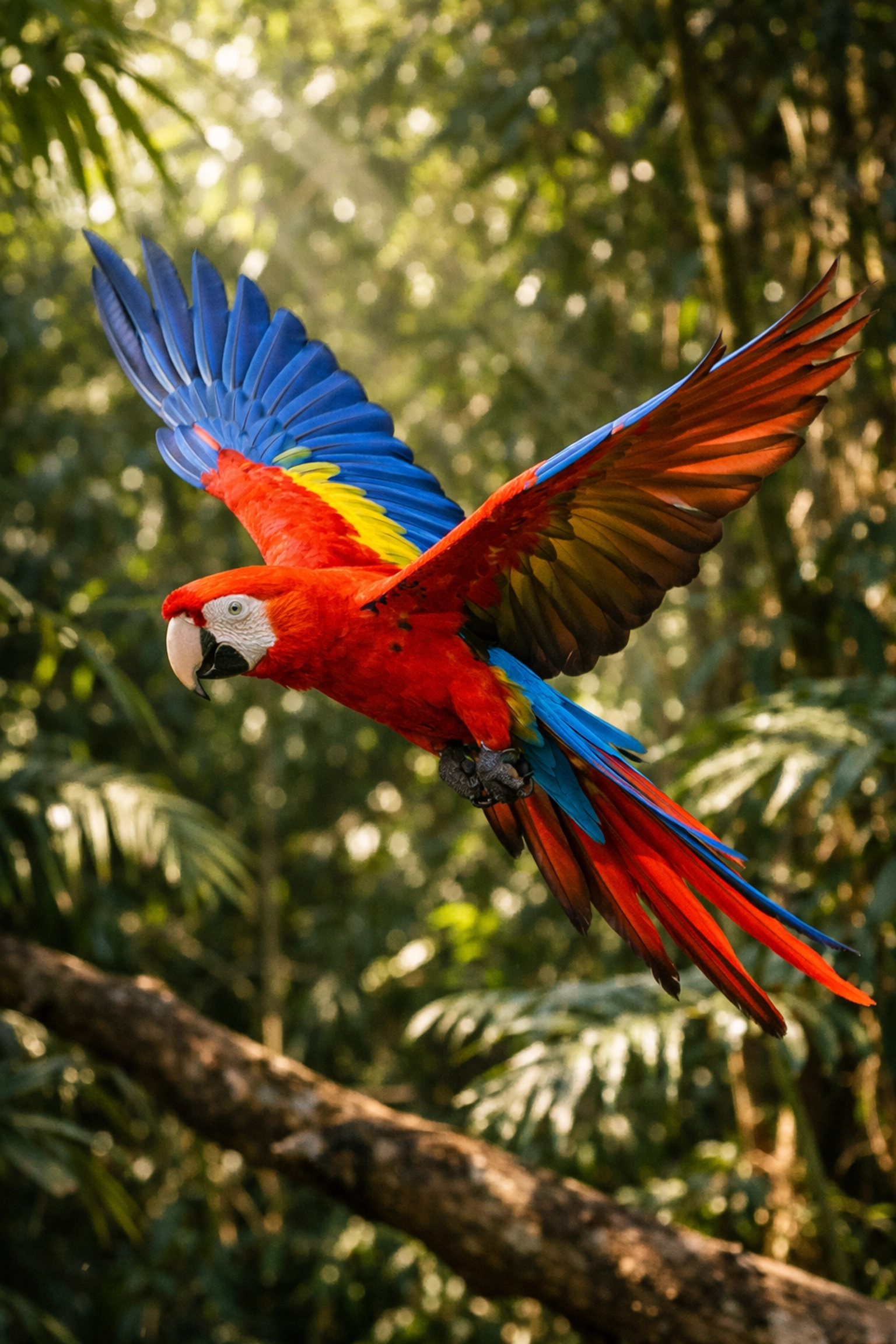
Look for images where the animal is doing something. Interaction, movement, or intense focus. These elements invite the viewer to ask "Why?" and "What happens next?"
Provide Context
Habitat matters. An animal in its environment tells a story about where it belongs. It highlights the importance of the ecosystem, not just the individual.
Focus on Details
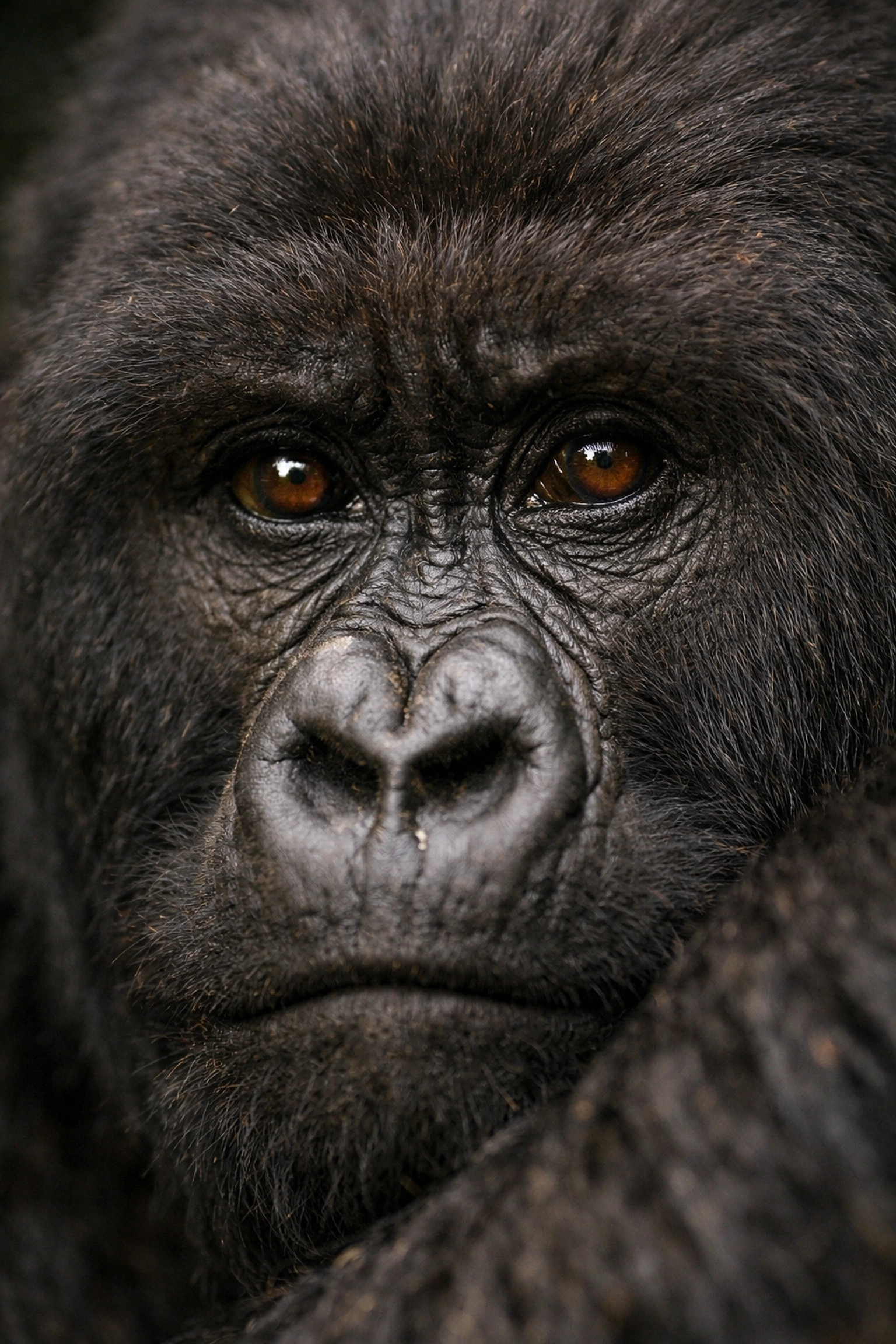
Sometimes the story is in the eye. The texture of the fur. The scar on a fin. These small details humanize the subject (without anthropomorphizing them too much) and make them unique.
Quality Over Quantity
The temptation is to post often. To fill the feed.
We suggest a different approach. Post better.
One image that tells a deep, resonant story is worth more than ten generic posts. It stays with the viewer longer. It creates a memory.
Simple Messaging
Keep your captions clear.
- State the fact.
- Share the struggle.
- Offer the solution.
Let the image do the heavy lifting. If the photography is strong, the message will follow naturally.
The Role of the Visual Ambassador
Photographers are more than just technicians. They are observers. Their job is to wait for the moment where the animal’s story reveals itself.
At Zoo Imagery, we curate our collection with this in mind. We look for the "rarely" but "best." We prioritize authenticity over perfection.
Transparent and Honest
The natural world is complex. Sometimes it is harsh. Storytelling means showing the reality of life in the wild and in managed care. This transparency builds a loyal audience. They appreciate the honesty. They trust the source.
Join the Story
Wildlife storytelling is not a luxury. It is a necessity for modern conservation.
Your audience is looking for a reason to care. Give it to them. Move past the generic. Find the narrative that connects your mission to their hearts.
For more information on how to access our narrative-driven library, visit zooimagery.com.
Connect with us and stay updated on our latest species spotlights and company milestones. We are constantly adding new content designed to help you tell better stories.
Follow us on LinkedIn for daily updates on conservation media and industry insights.
Zoo Imagery.
Simple. Authentic. Story-driven.


