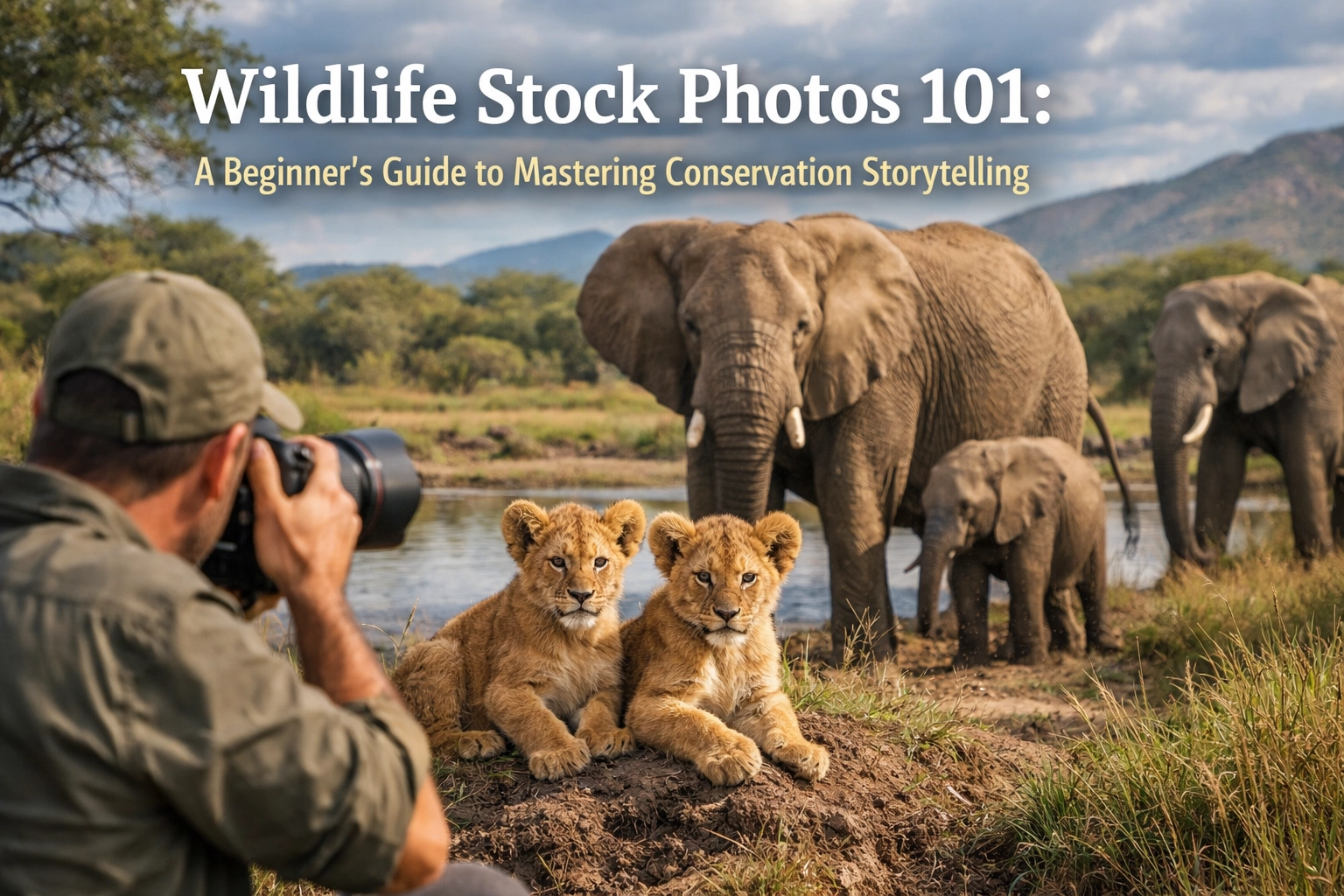
Wildlife Stock Photos 101: A Beginner’s Guide to Mastering Conservation Storytelling
Images change minds. A single photo of a rhinoceros can spark a global movement. A series of photos can save a species. At Zoo Imagery, we believe in the power of the lens. We provide the tools for zoos, aquariums, and conservationists to tell their stories.
This guide is for the beginners. The photographers. The storytellers. Here is how you move from taking pictures to creating impact.
The Mission of Zoo Imagery
We are more than a stock photo site. We are a bridge.
Zoo Imagery connects high-quality digital media with the people doing the work on the ground. Our library is growing. Today, we celebrate a milestone: over 10,000 curated assets focused on conservation.
No fluff. Just quality.

What is Conservation Storytelling?
Photography is a portrait. Storytelling is a narrative.
A portrait shows what an animal looks like. A story shows how an animal lives. It shows the threats they face. It shows the people helping them.
The Three Pillars
- Context: Where does the animal live?
- Behavior: What is the animal doing?
- Connection: How does the viewer feel?
Mastering the Narrative Arc
A good story has a beginning, a middle, and an end. In wildlife stock photography, we use a series of shots to achieve this.
1. The Opening Shot (The Environment)
Show the habitat. Use a wide lens. Let the viewer see the forest, the ocean, or the savannah. The animal should be small in the frame. This establishes the "where."
2. The Interaction (The Behavior)
Zoom in. Look for action. Feeding. Grooming. Playing. This makes the subject relatable. It shows personality.
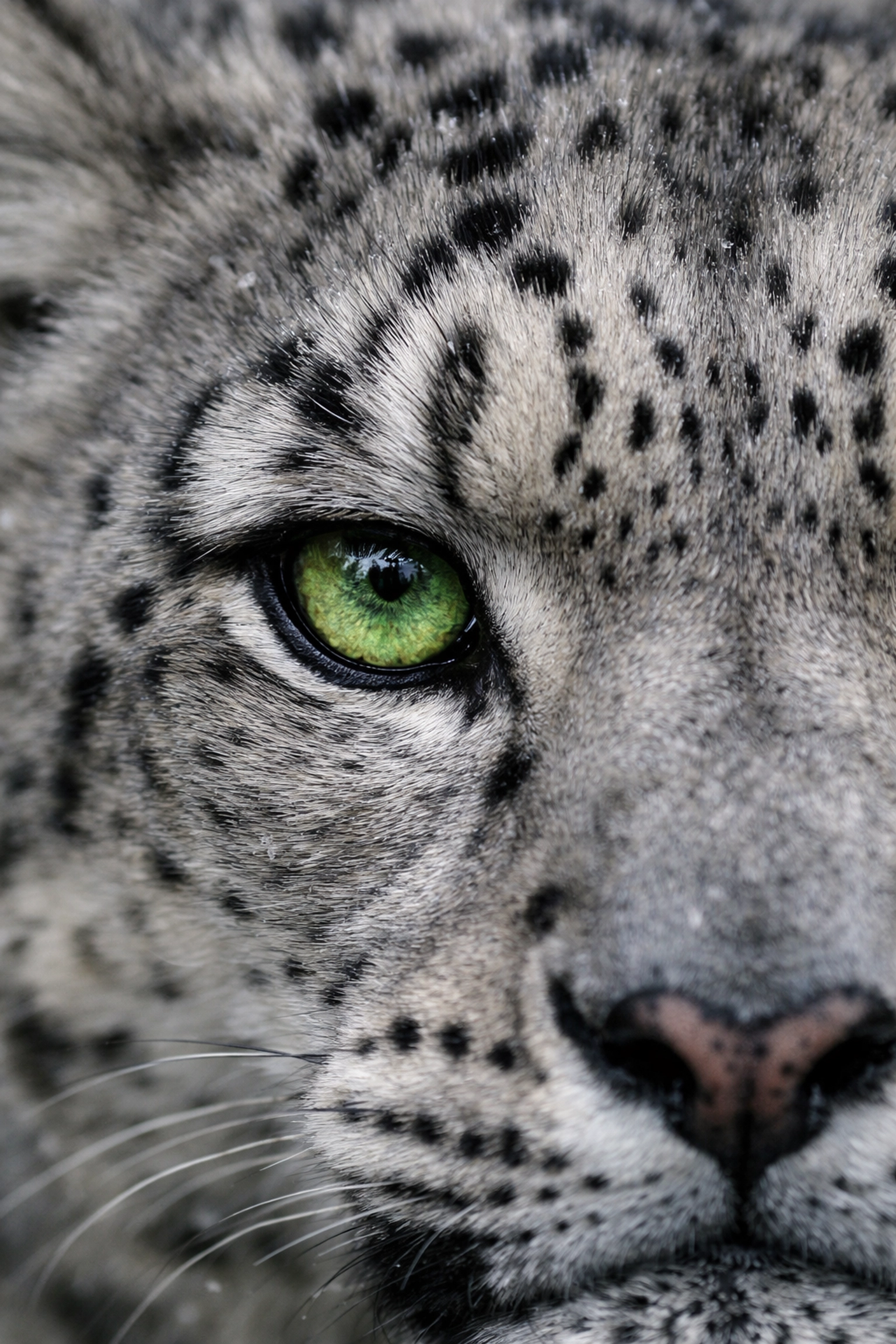
3. The Detail (The Close-up)
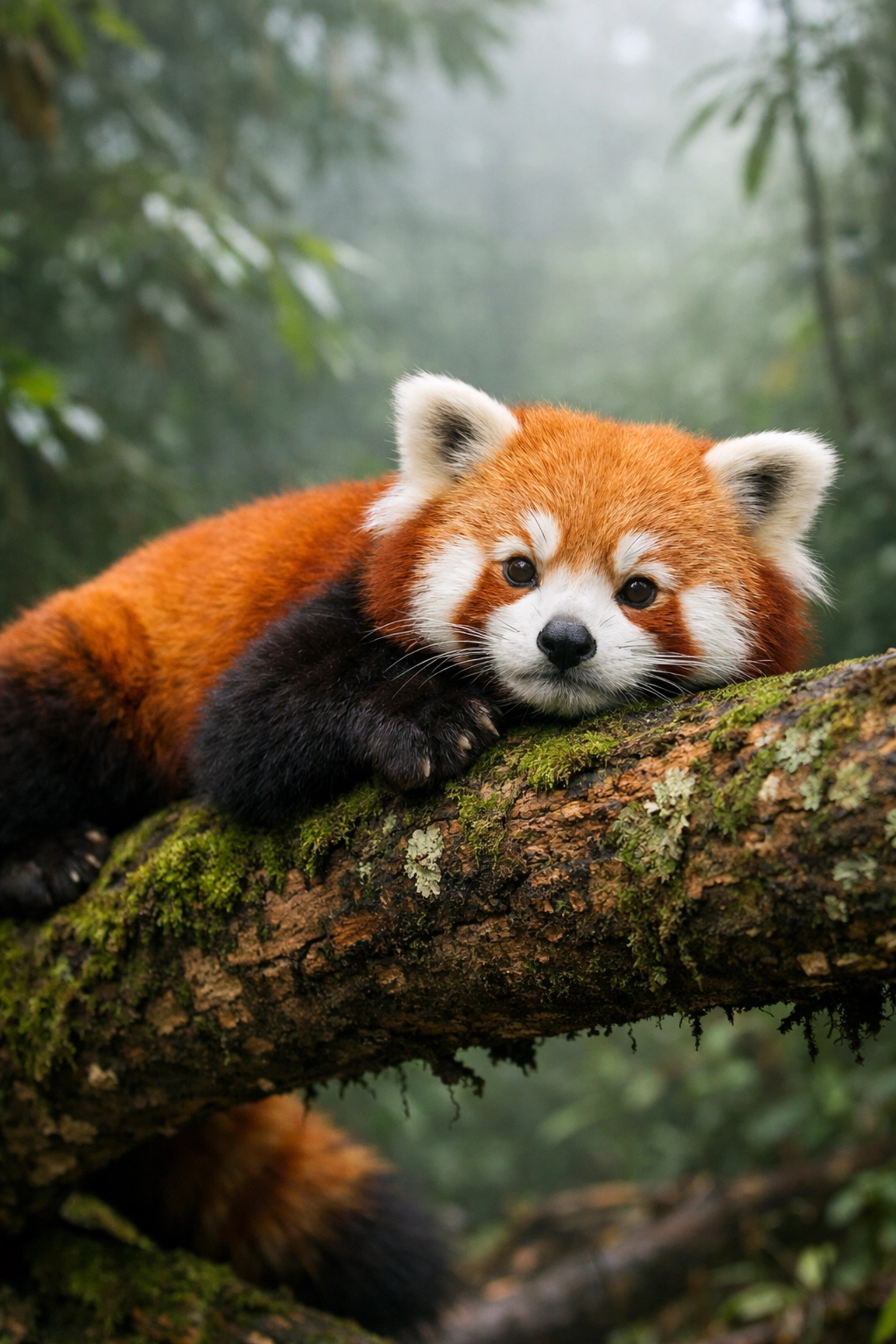
Focus on the eyes. The texture of the skin. The pattern of the fur. This creates an emotional bond. It makes the abstract feel real.
Species Spotlight: The African Elephant
Elephants are the engineers of the ecosystem. They are also social giants. When telling their story, focus on the herd.
The Narrative Goal: Highlight their intelligence and social bonds.
- Shot A: A wide view of the herd crossing a river. (Scale)
- Shot B: A mother elephant guiding her calf with her trunk. (Emotion)
- Shot C: A close-up of an elephant’s eye or wrinkled skin. (Wisdom)
Capturing these moments requires patience. It requires respect.
Composition Techniques for Impact
Simple shots are often the strongest. Do not overcomplicate the frame.
The Rule of Thirds
Place your subject off-center. It creates a sense of movement. It gives the animal space to "breathe" into the frame.
Leading Lines
Use branches, paths, or horizons. Lead the viewer’s eye directly to the subject.
Foreground and Background
Use a shallow depth of field. A blurred background makes the animal pop. A detailed background tells a story about the environment. Choose based on your goal.
Practical Steps for Beginners
You don't need the most expensive gear. You need the best approach.
Research First
Learn about the species. Know their routine. When do they eat? When are they active? If you know the behavior, you can predict the shot.
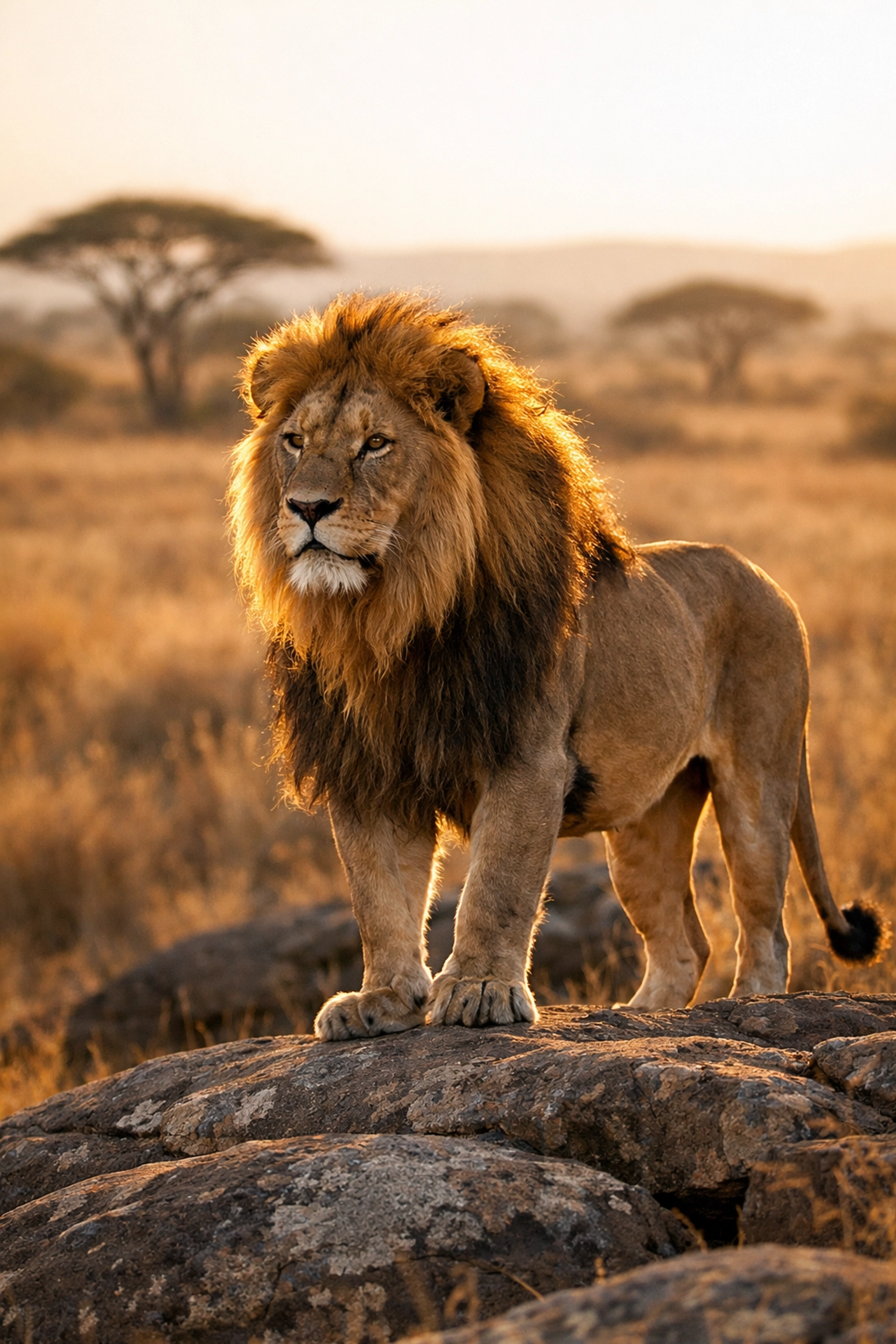
Wait for the Light
Golden hour is your friend. Early morning or late afternoon light adds warmth. It adds drama. Avoid midday sun. It creates harsh shadows and flattens the image.
Storyboarding
Don’t just click. Plan. Write down five shots you want to get before you arrive.
- The wide landscape.
- The tight portrait.
- The action sequence.
- The environmental detail.
- The human element (if applicable).
The Ethics of Wildlife Photography
Conservation storytelling must be ethical. If the photo harms the subject, it isn't conservation.
- Keep your distance: Use a long lens. Don’t crowd the animal.
- Do not disturb: Never bait or flush animals for a "better" shot.
- Respect the habitat: Leave no trace.
- Be honest: Do not use AI to create fake behaviors. Truth matters in conservation.
Why Quality Assets Matter
For zoos and aquariums, digital media is the front line of education. Good photos lead to:
- Higher engagement on social media.
- Increased donations for conservation projects.
- Better public understanding of complex environmental issues.
Zoo Imagery is proud to support these efforts. We provide the visual fuel for change.
Milestone: Supporting Global Conservation
Zoo Imagery is expanding its reach. We are partnering with more facilities every month. Our goal is simple: to be the primary source for authentic wildlife media. We focus on quality because the species we represent deserve nothing less.
Simplified Workflow
We believe in simplicity.
- Search the library.
- Find the story.
- Share the impact.
Building Your Portfolio
If you are a beginner, start local. Visit your local zoo. Practice the narrative arc there.
Focus on one species for a week. Tell their full story.
- How do they interact with their keepers?
- What does their enrichment look like?
- How do they spend their quiet moments?
Once you master the story locally, you are ready for the field.
Final Thoughts from Dan Kost
We live in a visual world. If we want to protect the planet, we have to show people why it matters. Conservation storytelling is the bridge between a "nice picture" and a "changed life."
Keep it simple. Focus on the animal. Tell the truth.
Get Involved
Explore our latest collections. See how professional imagery can elevate your conservation message.
Visit zooimagery.com to see our library.
Follow us on LinkedIn for daily species spotlights and company updates.
Let’s tell the story of wildlife together. One frame at a time.
About Zoo Imagery
Zoo Imagery provides premium stock photography and digital media solutions for the zoo and aquarium industry. We focus on high-impact visuals that drive conservation awareness and engagement.


