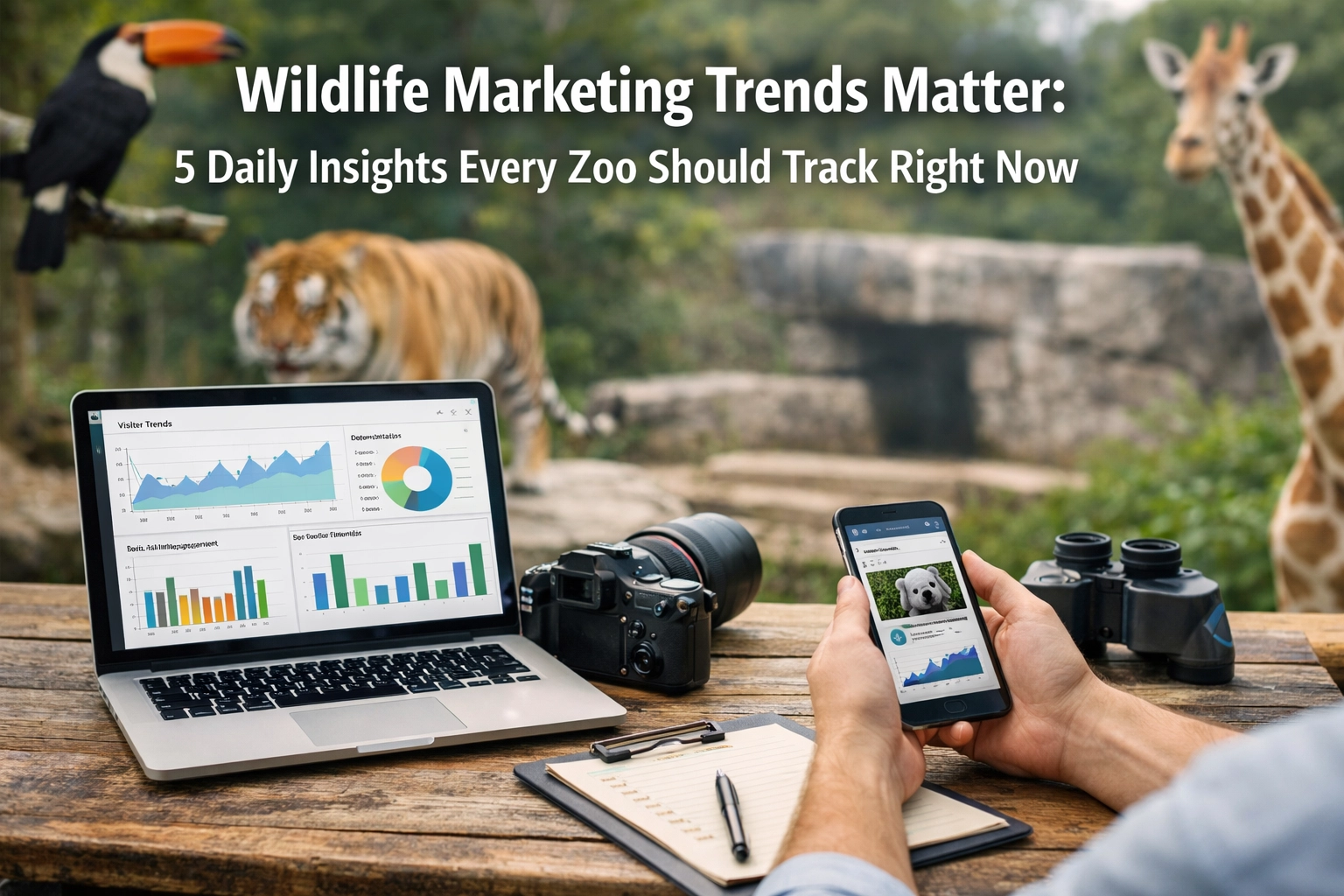
Wildlife Marketing Trends Matter: 5 Daily Insights Every Zoo Should Track Right Now
Morning check-ins matter.
Your marketing dashboard tells stories before your gates open. The data shows what visitors want. What they ignore. What brings them back.
Here's what to watch daily.
1. Mobile App Opens and Repeat Visitors
Track who comes back.
First-time visitors explore. Repeat visitors engage. The difference shows in your app data.
Check these numbers every morning:
- App opens before 9 AM
- Return visit rate from last month
- Interactive map usage
- Conservation content clicks
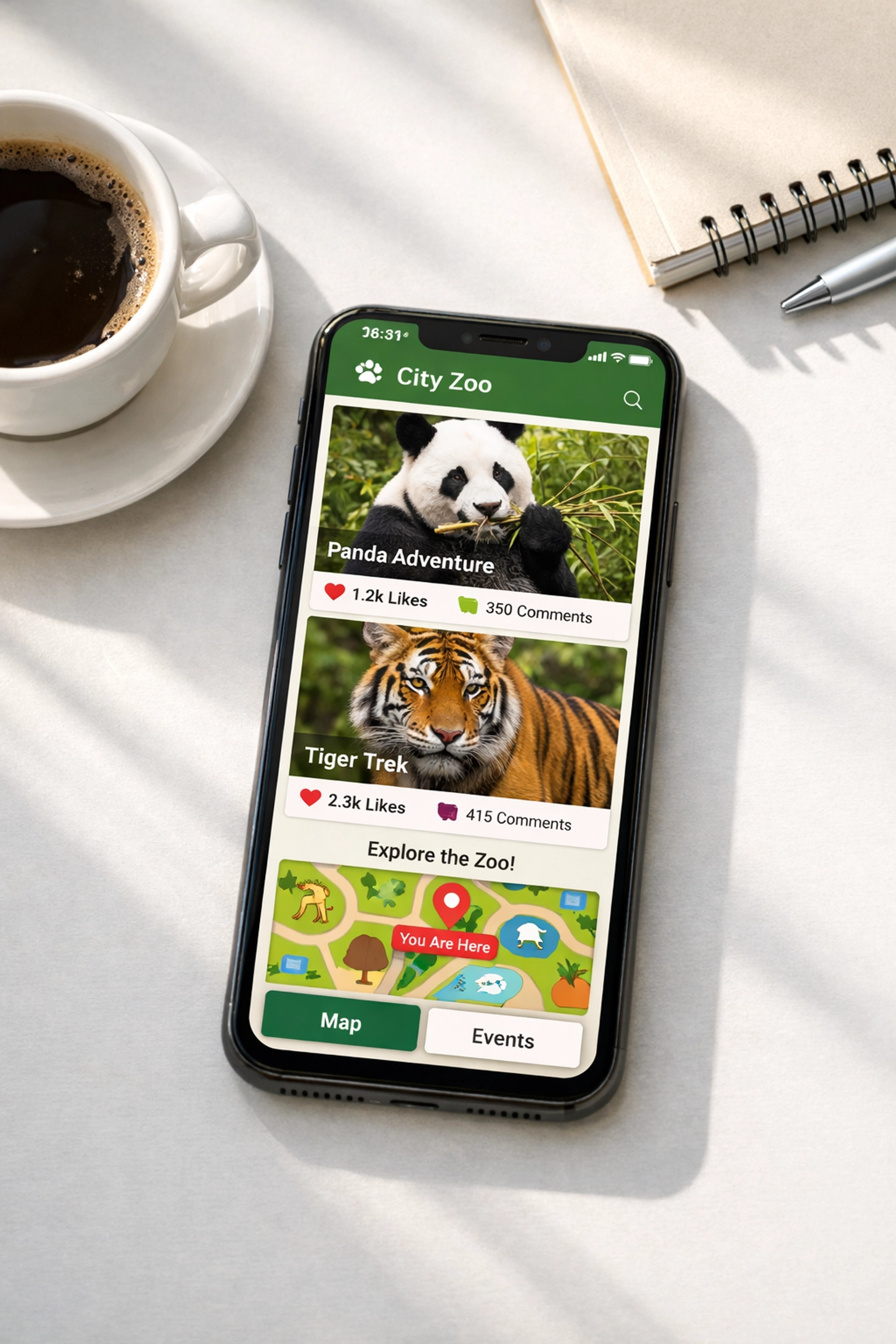
When app engagement drops, your content isn't connecting. When it climbs, you're telling stories that stick.
Example: Philadelphia Zoo saw 40% higher repeat visits after adding species-specific updates to their app. Not promotional content. Real updates about animal care and conservation work.
The math is simple. Repeat visitors spend more. They bring friends. They advocate.
2. Social Content Performance by Species
Not all animals drive equal engagement.
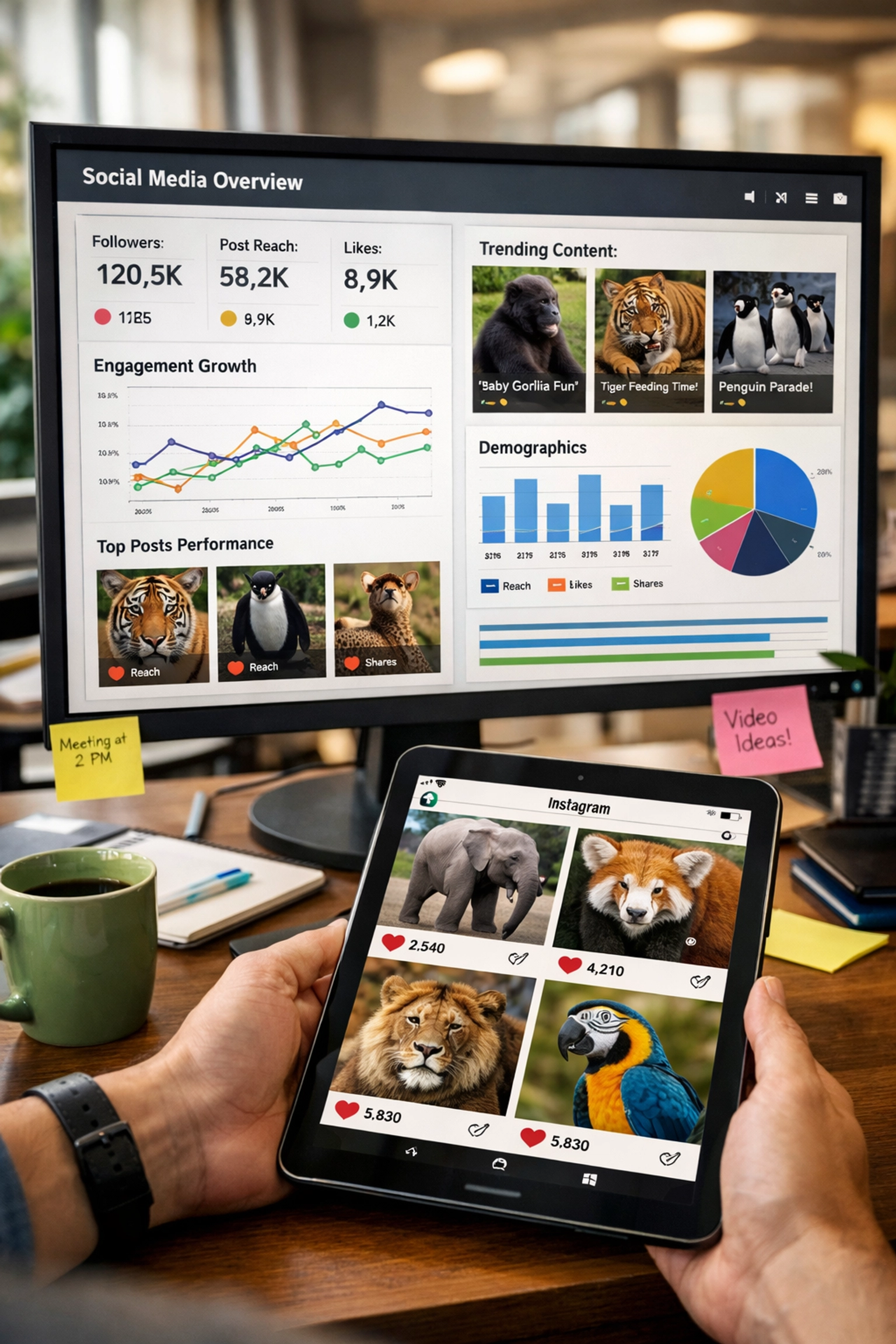
Your pandas might dominate Instagram. Your reptile house could own TikTok. The data shows where each species connects.
Track daily:
- Post reach by animal type
- Story completion rates
- Share velocity in first 2 hours
- Comment sentiment
Red pandas typically outperform giant pandas on social media by 3:1 in engagement rates. Smaller, more active species create shareable moments.
But here's what matters more than likes: Does engagement translate to visits?
Monitor the gap between social performance and actual attendance. High engagement with low conversion means your content entertains but doesn't inspire action.
Fix that gap with direct calls to visit. Show behind-the-scenes care. Share research impact. Connect digital content to physical experience.
3. Email Open Rates on Conservation Updates
People care about impact.
Generic zoo newsletters get 12% open rates. Conservation-focused updates get 28%.
The difference: specificity.
Track these metrics:
- Subject line performance (conservation vs. events)
- Link clicks to animal care stories
- Forward rate to friends
- Unsubscribe patterns
Best performers avoid vague language. "Help endangered species" doesn't work. "Track Amara the tiger's recovery journey" does.
Your email list segments matter too. Members respond to different content than casual visitors. Day guests want event details. Annual pass holders want deeper stories.
Send conservation updates Tuesday through Thursday. Weekends get buried. Mondays get deleted.
Keep conservation emails between 150-200 words. Include one clear action. Link to one story. Don't overwhelm.
4. Visitor Flow Through Exhibits
Heat maps don't lie.
Your most visited exhibit isn't always your most engaging one. Visitors might stop at elephants but spend more time with wild tigers.
Daily tracking shows:
- Average time per exhibit
- Path patterns through grounds
- Bottleneck locations
- Skipped exhibits
This data drives marketing decisions.
If visitors bypass your reptile house, the problem isn't reptiles. It's positioning. Or signage. Or storytelling at the entrance.
Denver Zoo moved their Komodo dragon exhibit entrance and saw 65% more visitors. Same animals. Different approach.
Use this data to feature undervisited animals in campaigns. Create "hidden gems" content. Guide visitors to overlooked spaces through app notifications.
Your physical layout influences digital strategy. Promote exhibits based on both foot traffic and engagement quality.
5. Campaign Response Speed
Timing matters more than budget.
When you launch a campaign about polar bears, track response within first 24 hours:
- Website traffic spike
- Ticket purchases attributed to campaign
- Social mentions and shares
- Email list signups from campaign landing page
Fast response indicates strong messaging. Slow burn means weak targeting or unclear value.
Most successful zoo campaigns peak within 72 hours. If you're not seeing movement by day three, adjust.
The fix options:
- Sharpen your message
- Change your visuals
- Shift your audience targeting
- Modify your call to action
Conservation campaigns perform differently than event campaigns. Educational content builds slowly. Entertainment content spikes fast.
Match your tracking expectations to content type. Don't expect viral speed from research updates.
What This Data Actually Means
Numbers without action waste time.
Daily tracking creates patterns. Patterns reveal opportunities. Opportunities drive growth.
But only if you respond.
When app engagement drops: Refresh your content schedule.
When social posts underperform: Test different species or formats.
When emails don't open: Rewrite subject lines.
When exhibits get skipped: Promote different angles.
When campaigns lag: Pivot quickly.
The best zoo marketing teams check these five metrics every morning. They spot trends before they become problems. They scale what works.
Track smarter. Tell better stories.
Need authentic wildlife imagery for your campaigns? Visit Zoo Imagery for conservation-focused content that connects.
Or connect with us on LinkedIn for daily insights on wildlife marketing and visual storytelling strategies that work.


