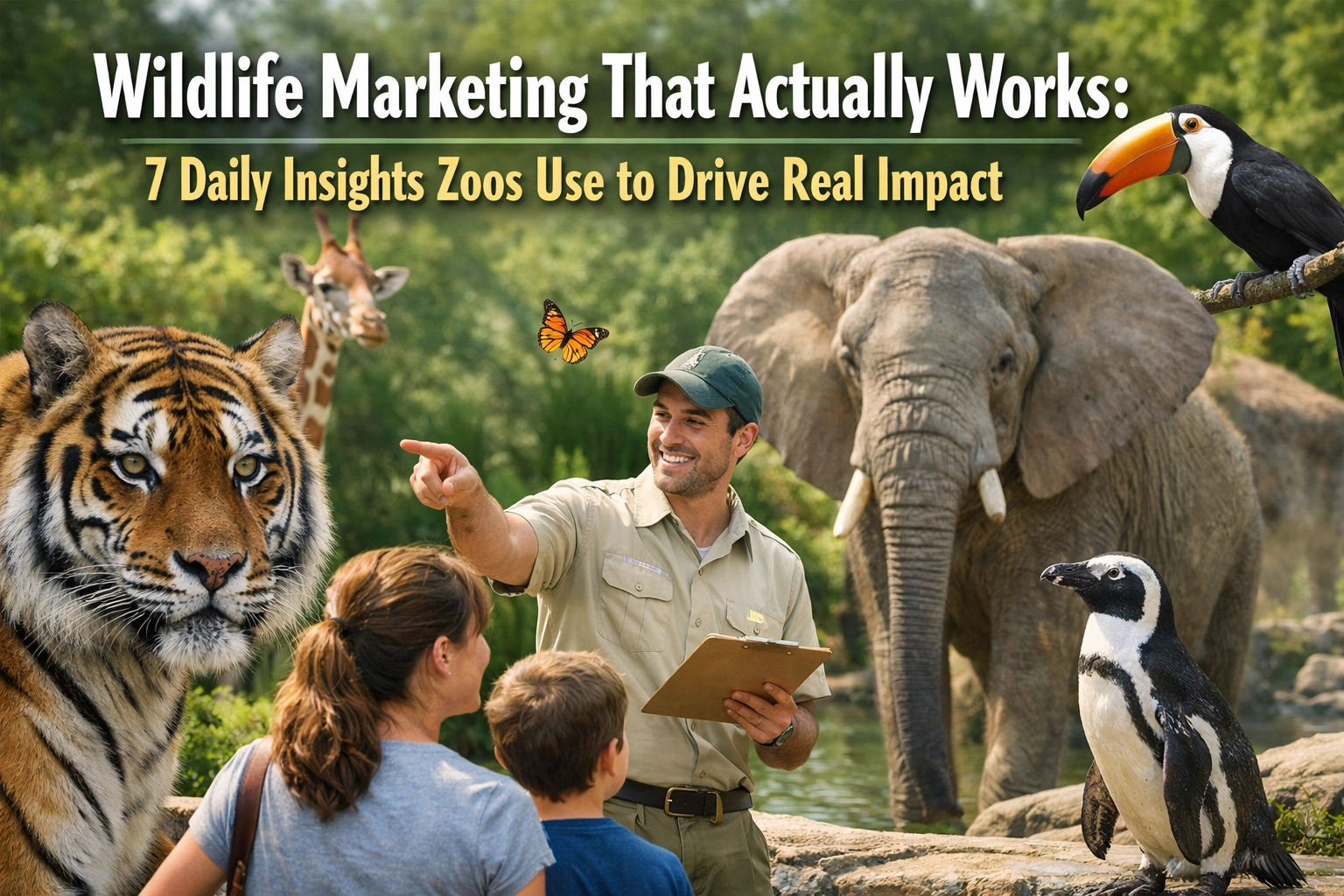
Wildlife Marketing That Actually Works: 7 Daily Insights Zoos Use to Drive Real Impact
Most zoo marketing falls flat. Too much hype. Not enough substance.
Here's what actually moves the needle: seven strategies working right now for zoos and aquariums that care about measurable results.
1. Tell Stories That Matter
People don't visit zoos for entertainment alone. They come for connection.
Skip the promotional fluff. Share what's happening behind the scenes:
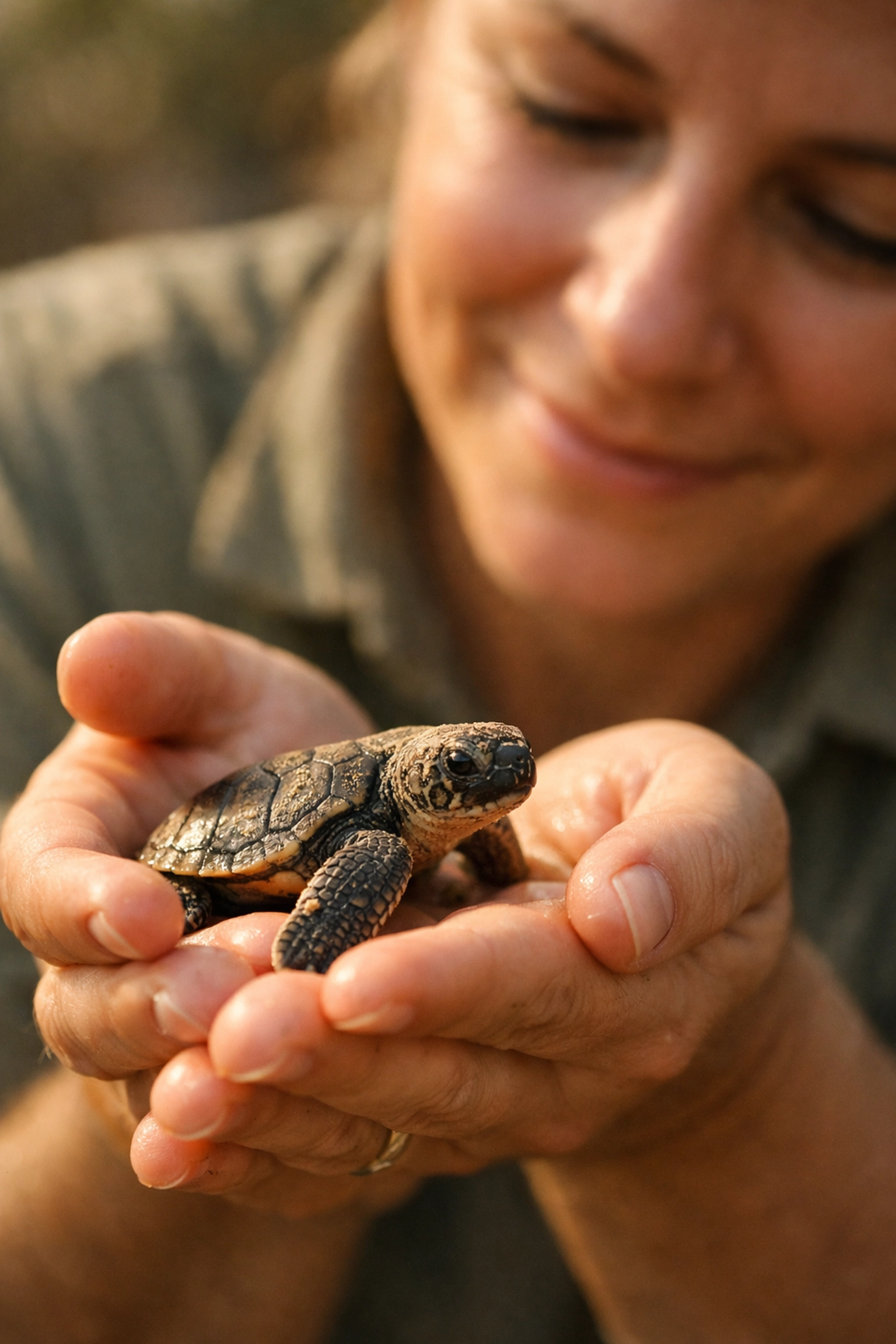
- A sea turtle's recovery journey
- The first steps of a newborn elephant
- Conservation wins your team achieved this month
These stories build emotional investment. They transform casual browsers into committed visitors.
The best part? Authentic narratives about real animals require zero budget. Just observation and honest storytelling.
2. Know Why Your Audience Actually Shows Up
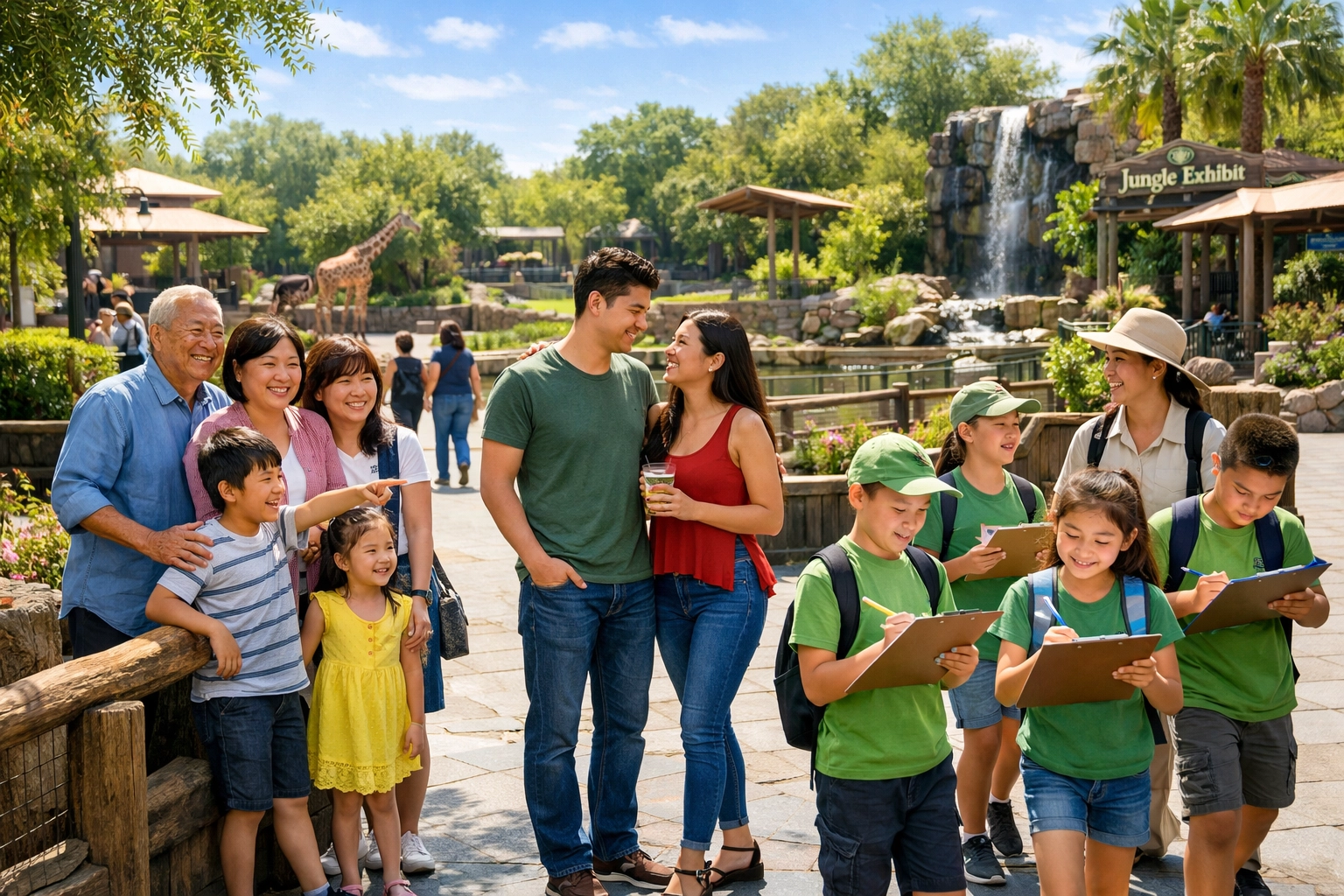
Four main visitor types walk through your gates:
Entertainment seekers → Weekend fun, date ideas, seasonal events
Education focused → School groups, homeschool families, lifelong learners
Social gatherers → Family reunions, birthday parties, group outings
Conservation supporters → People who align with your mission
Different motivations need different messages. A family planning a birthday party doesn't care about breeding program updates. A teacher booking a field trip wants educational value spelled out clearly.
Segment your communications. Target what matters to each group.
3. Make Social Media a Daily Habit
Consistency wins. Not perfection.
Post regularly:
- Animal photos from morning rounds
- Quick updates on new arrivals
- Simple polls asking what people want to see next
Reply to comments. Share visitor photos. Run occasional contests with clear rules and simple prizes.
The goal isn't viral moments. It's steady relationship building with people who might visit next week or next month.
4. Use Video Without Overthinking It
Video content performs better than text. That's just reality now.
You don't need expensive production:
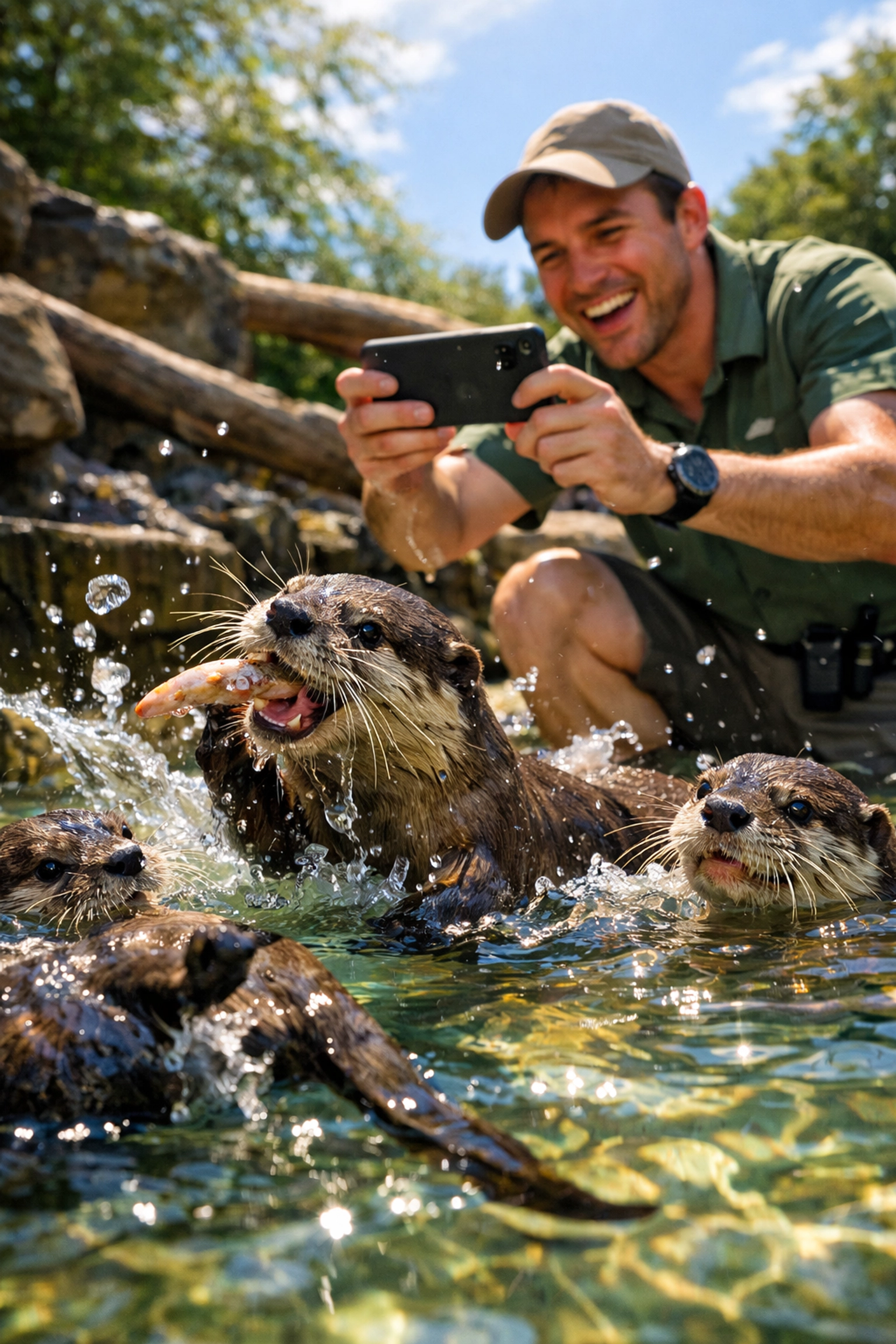
- Live stream a feeding session from your phone
- Record a 60-second keeper talk
- Document a habitat renovation in progress
People watch these. They share them. They remember your facility when planning their weekend.
Set up one live camera in a popular exhibit. Let it run. The view count will surprise you.
5. Build Programs That Market Themselves
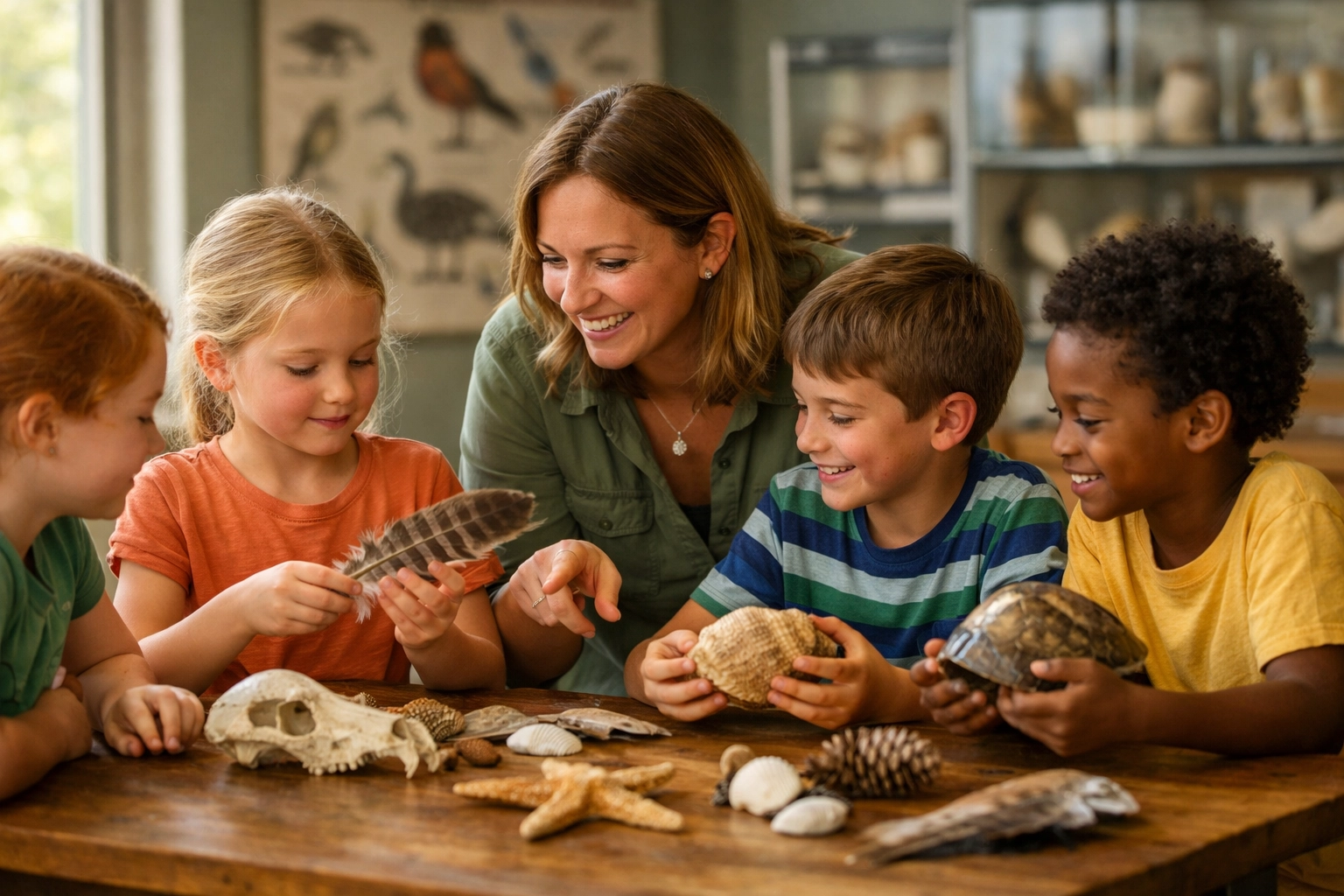
Educational experiences do double duty. They fulfill your mission and generate organic promotion.
Consider:
- Behind-the-scenes tours for small groups
- Hands-on workshops during school breaks
- Night camps for families
Participants become advocates. They post photos. They tell friends. They come back.
These programs also justify membership purchases and support annual giving campaigns without feeling sales-heavy.
6. Let Data Guide Your Decisions
Check your analytics weekly:
- Which exhibits get mentioned most in reviews?
- What time do most people buy tickets online?
- Which email subject lines get opened?
Small pattern adjustments compound over time.
If summer Saturday mornings sell out consistently, test dynamic messaging that encourages weekday visits instead. If penguin content outperforms everything else, lean into that advantage.
Track what works. Do more of it. Stop doing what doesn't.
7. Create Reasons to Return
One-time visitors don't sustain operations. Repeat guests do.
Membership programs work when structured simply:
- Unlimited visits
- Guest passes
- Early access to new exhibits
- Exclusive events quarterly
Partner locally. Schools need field trip destinations. Hotels need family activity recommendations. Conservation groups want alignment with like-minded organizations.
These relationships expand reach without expanding ad budgets.
What This Means for You
Wildlife marketing isn't complicated. It just requires consistency and clarity.
Start with one strategy from this list. Implement it completely before moving to the next. Test. Measure. Adjust.
The facilities seeing real impact aren't chasing trends. They're building trust through steady, honest communication about the work they do and the animals they care for.
Your visitors want to support conservation. Make it easy for them to connect with your mission through clear messaging and regular touchpoints.
Need wildlife imagery that supports this kind of authentic storytelling? Zoo Imagery provides stock photography built specifically for zoos and aquariums: real animals, real moments, zero stock photo awkwardness.
Connect with us on LinkedIn for weekly insights on wildlife marketing and conservation communication strategies that actually work.


