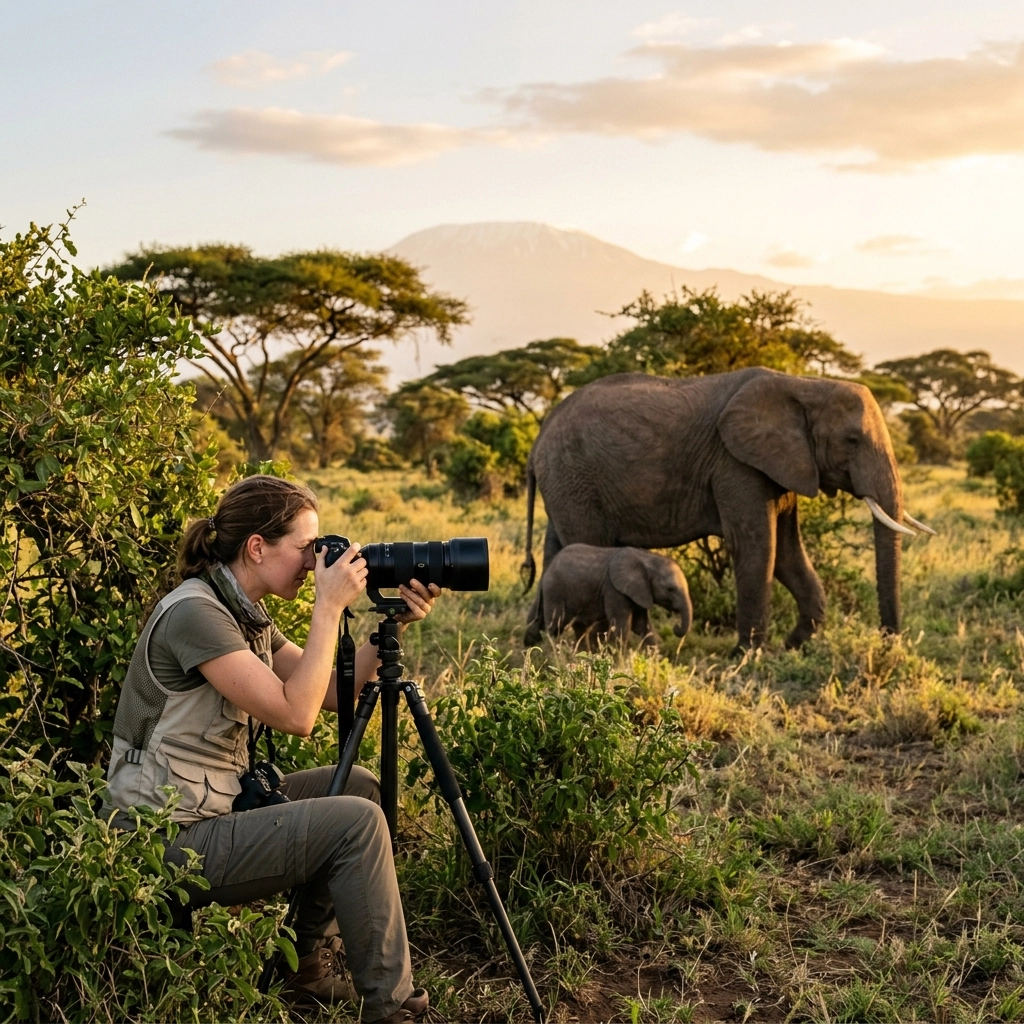
Why Everyone Is Talking About Sustainable Wildlife Stock Photos (And You Should Too)
The Context
Sunday, April 12, 2026.
Marketing has changed.
The world of digital media is shifting.
Generic stock photos are no longer enough.
Audiences see through them.
They want substance.
They want impact.
Sustainable wildlife stock photography is the new standard.
It is not just a trend.
It is a shift in how we value nature and media.
For zoos and aquariums, this is a vital tool.
It aligns your brand with your mission.
It tells a story without saying a word.
Why Sustainability Matters in Media
Sustainability is often a buzzword.
We avoid that here.
In photography, sustainability means two things:
- Ethical sourcing of images.
- Direct support for conservation.
When a photo is sustainable, it means the animal was respected.
No baiting.
No harassment.
No habitat destruction for a "perfect shot."
The photographer followed strict ethics.
The image itself becomes a vehicle for change.

Consumers Demand Meaning
People are tired of digital saturation.
They want art that tells a story.
They want a connection to the natural world.
Recent data shows consumers look for purpose-driven content.
Younger demographics prioritize environmental causes.
Older demographics value timeless, high-quality beauty.
Wildlife photography hits both.
It is emotional.
It is educational.
It is real.
When you use a sustainable stock photo, you aren't just filling space.
You are showing your audience that you care about the details.
You are proving that your imagery matches your values.
Connecting the Image to the Mission
Zoos and aquariums are at the forefront of conservation.
Your marketing should reflect that.
Traditional stock photos can feel detached.
They often lack the local or specific context needed for zoo campaigns.
Sustainable wildlife imagery bridges that gap.
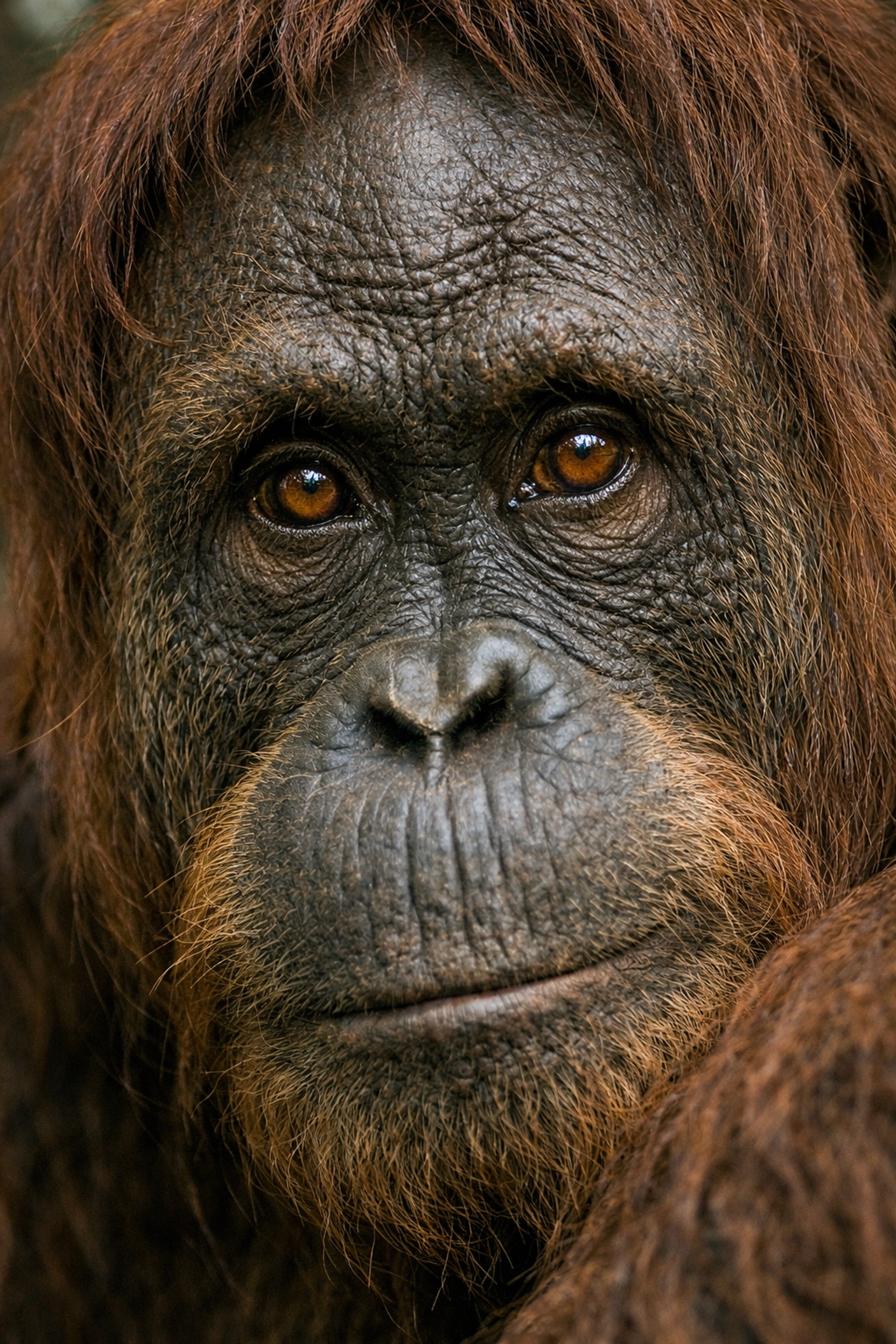
It focuses on the reality of the species.
It highlights the beauty of biodiversity.
It provides a visual narrative for ESG-aligned campaigns.
Think about transparency.
Think about honesty.
Your donors and visitors expect it.
Using imagery that supports conservation efforts creates a loop of trust.
Real-World Impact: Marketing Insights
Look at global campaigns.
The WWF "Shutter Out of Stock" initiative is a prime example.
They used limited-edition photos.
The number of available photos matched the number of animals left in the wild.
It made the data visual.
It made the crisis tangible.
Vital Impacts does similar work.
They sell wildlife prints to support indigenous communities.
They use media to fund protection for the Amazon.
This is the power of a photograph.
It is more than pixels.
It is a financial and social engine for conservation.
How Zoos Can Leverage These Trends
Your website is your front door.
Your social media is your voice.
The imagery you choose dictates the tone of both.
"Presented by" Animal Pages
Create pages for specific animals.
Use high-end, sustainable imagery.
Let a local partner or donor "sponsor" the page.
It creates a direct link between the image, the animal, and the funding.
Sponsored Species Spotlights
Feature a specific species every month.
Go deep.
Use photos that show the animal in its natural context.
Avoid the "studio" look.
Authenticity wins every time.
Conservation Storytelling
Don’t just say you save rhinos.
Show the rhinos.
Show the environment they thrive in.
Use images that evoke a sense of place.
The Ethics of the Lens
Not all stock photography is equal.
Some platforms prioritize volume over value.
We prioritize the opposite.
Rarely, but best.
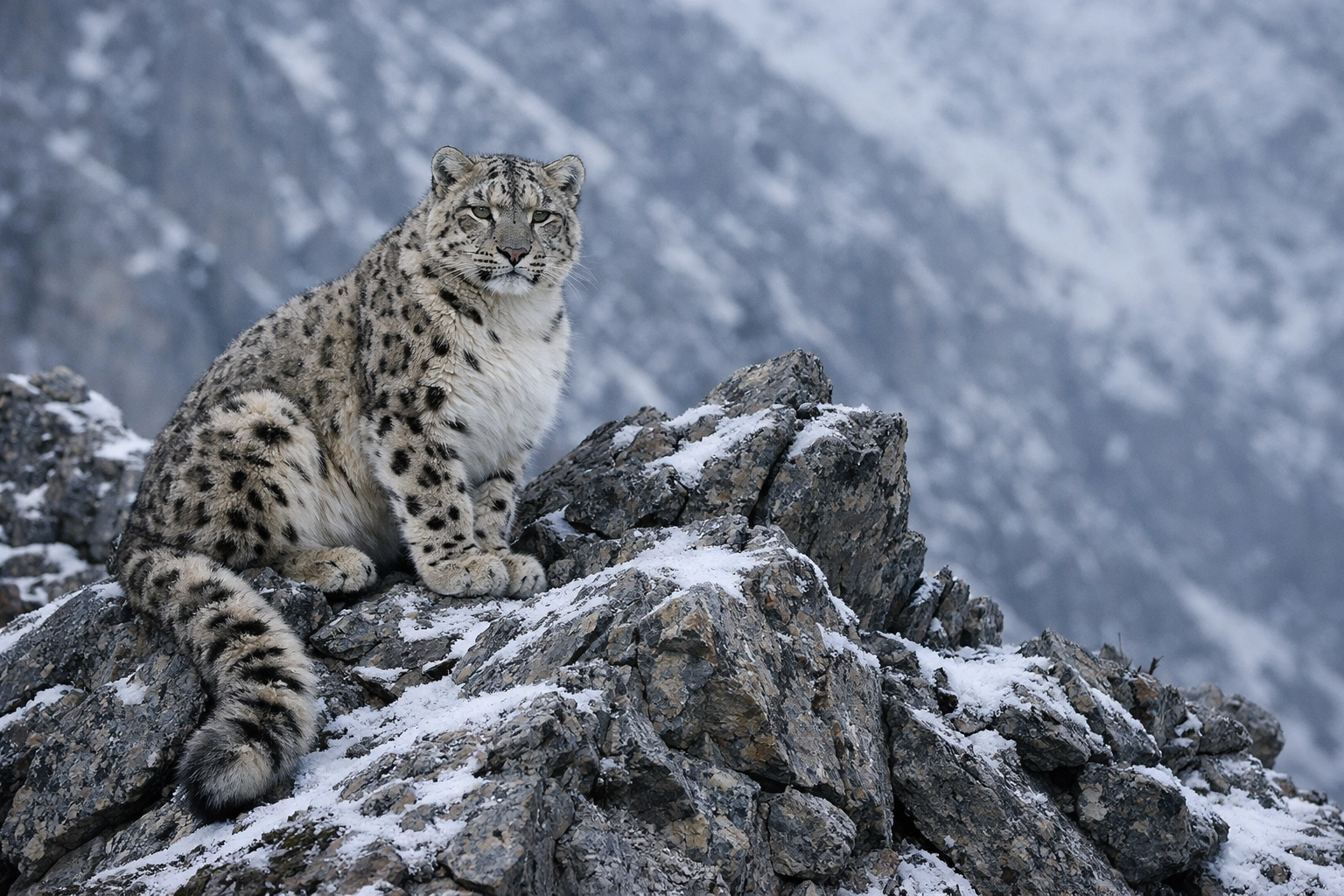
Ethical photography requires patience.
It requires knowledge of animal behavior.
It requires a commitment to the environment.
When you source from a sustainable library, you support these photographers.
You ensure that the industry continues to value the subject over the sale.
Breaking Down the Benefits
- Consistency: High-quality images create a professional look.
- Trust: Ethical sourcing builds credibility with eco-conscious visitors.
- Engagement: Real stories drive more likes, shares, and donations.
- Alignment: Your media finally matches your conservation mission.
Simple Visuals, Powerful Results
Marketing for zoos doesn't need to be complicated.
It needs to be clear.
Use clean layouts.
Let the animal be the focus.
Strip away the unnecessary text.
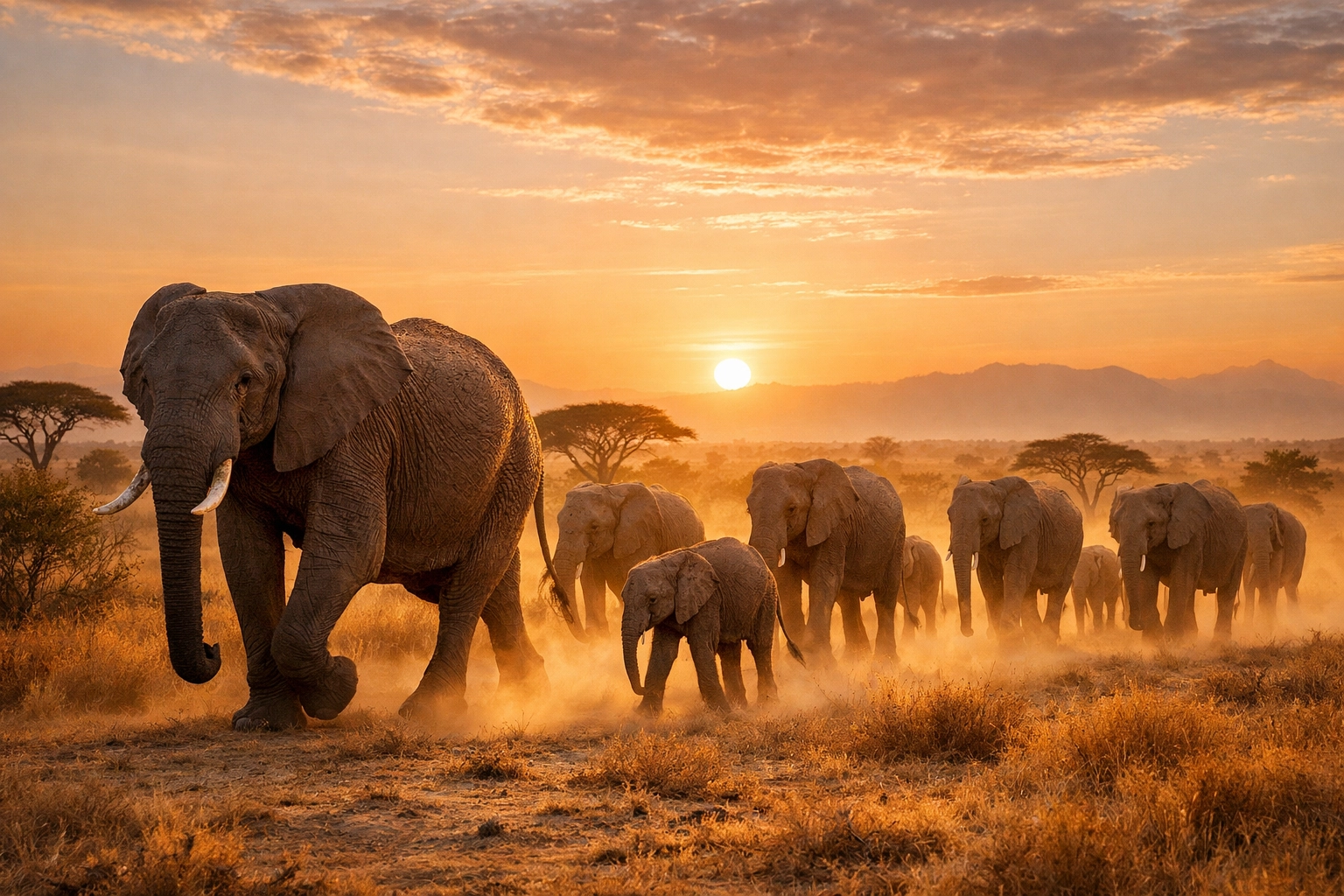
A powerful image of a snow leopard says more about your breeding program than a three-paragraph caption.
The focus should always be on the "why."
Why are we protecting this species?
Why does it matter?
Sustainable photos answer these questions instantly.
Practical Steps for Your Next Campaign
- Audit your current library.
Are your photos generic? Do they feel "stocky"? - Identify key species.
Which animals are your priorities for 2026? - Source with intent.
Look for photos that have a clear ethical background. - Integrate into your ESG goals.
Use these images in your annual reports to show visual commitment to the planet.
The Future of Zoo Imagery
We are moving toward a world where every purchase has a footprint.
This includes the digital assets we buy.
Sustainable wildlife stock photos are part of this footprint.
They represent a conscious choice to do better.
By choosing better images, you are supporting a better world.
You are helping photographers who spend weeks in the field.
You are providing your audience with a window into a world they want to protect.
Final Thoughts
The trend is clear.
Meaningful art is in.
Generic filler is out.
Sustainable wildlife stock photos provide the depth your brand needs.
They are a simple solution to a complex marketing challenge.
Be direct.
Be transparent.
Be impactful.
Your imagery should be as dedicated to conservation as you are.
Connect With Us
We help zoos and aquariums find the right visuals.
Simple marketing solutions.
High-impact results.
Visit us: zooimagery.com
Follow our updates on LinkedIn: Zoo Imagery Profile
Dan Kost
CEO, Zoo Imagery


